





Gold Display Table
A gold display table brings reflective warmth and elevated staging to a room, uniting functional surfaces with decorative presence.
Gold Display Table
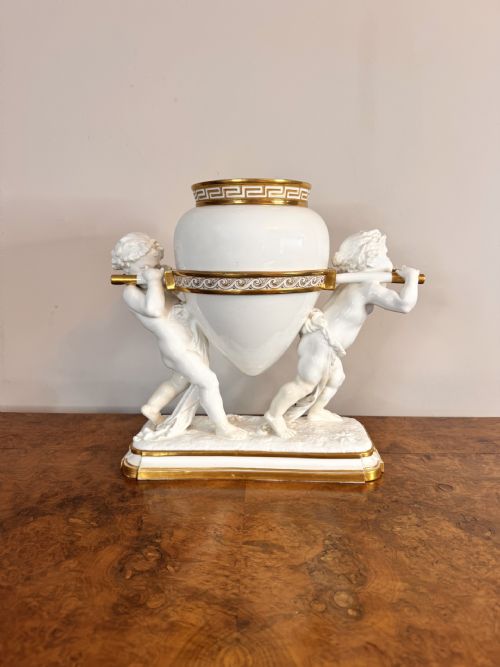
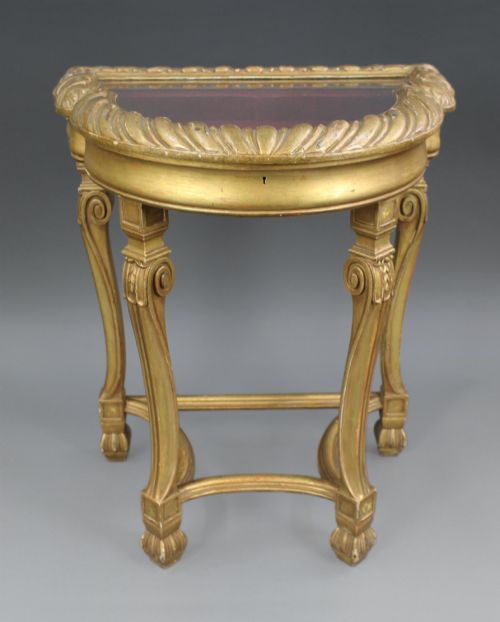
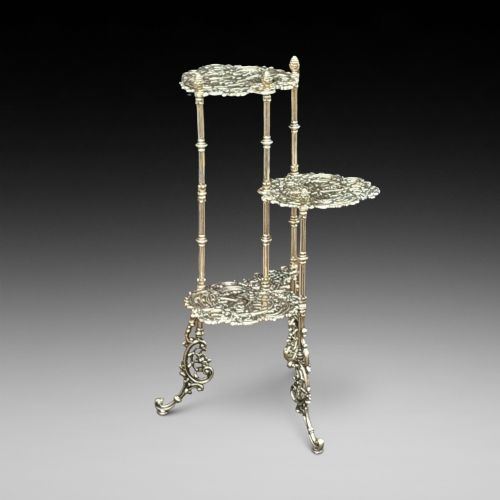
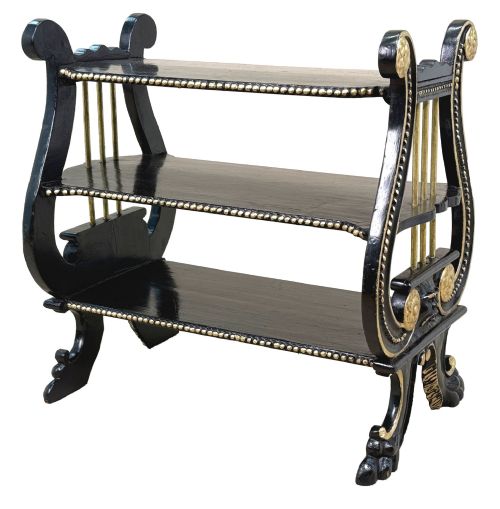
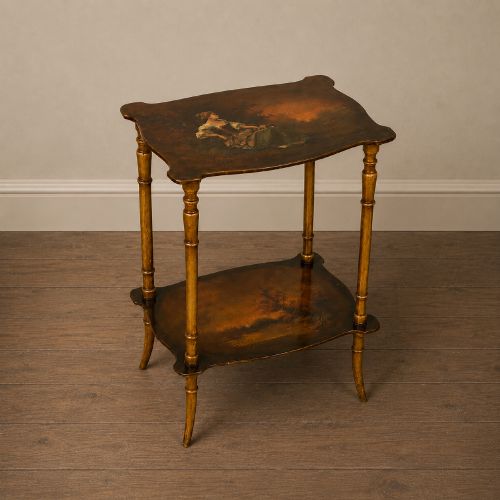
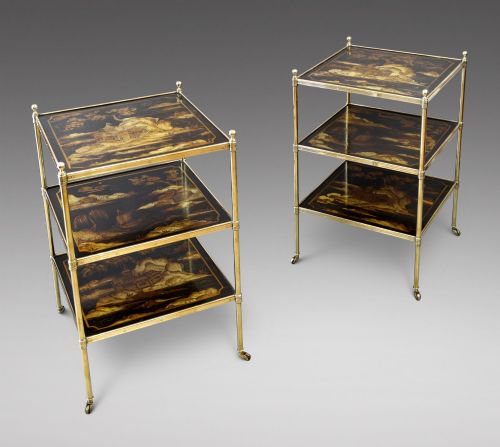
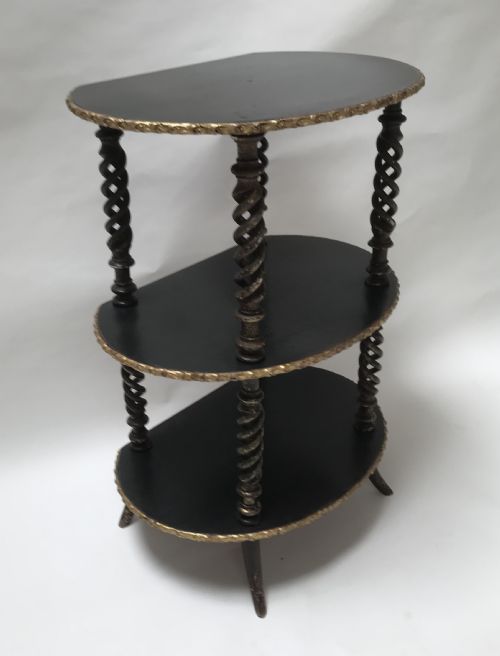
A gold display table encompasses versatile occasional furniture designed to elevate objects, plants, or decorative items within a room. When exploring a gold display table, buyers encounter forms ranging from multi-tiered etageres and pedestal stands to side tables and bijouterie tables from the nineteenth and early twentieth centuries.
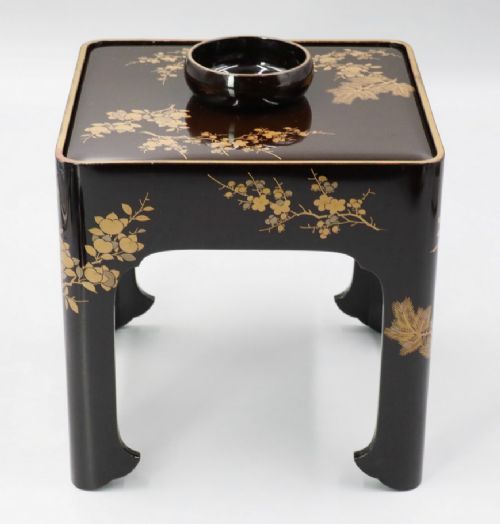
The pieces appearing under this search draw upon distinct historical styles, notably French Rococo, Regency, Victorian, and Japanese Meiji aesthetics. Such tables serve practical functions while introducing focal points through gilded surfaces and architectural tiered frames.
Most examples rely on materials that capture light, integrating glass, marble, or mirrored surfaces alongside structural frames. Buyers frequently find pieces originating from British, French, and continental workshops spanning the Victorian era through the early decades of the twentieth century.
Materials and construction methods
Makers achieved gilded surfaces through the application of gold leaf or giltwood techniques onto carved wooden frames. Other pieces utilise brass, chiseled brass, and bronze to construct durable support structures for glass, onyx, or wooden tabletops.
Structural variety relies on ebonised wood, amboyna, and lacquer alongside applied parcel gilding to create tonal contrast. Joinery and carving methods reflect the prevailing cabinet-making standards of the Regency, Victorian, and Edwardian periods.
Gold Display Table Retail Price Guide 2026
Typical asking prices for gold display table among the pieces listed under this phrase on Sellingantiques today, from the lower quarter to the upper quarter. They describe what is for sale here now, not the wider market.
A delicate clock featuring a cherub reaching for birds in a tree proves that nineteenth-century makers found inspiration in the most persistent garden arguments.
Distinctions in quality
Quality reveals itself in the crispness of carved details on giltwood frames and the structural integrity of multi-tiered etageres. Superior examples maintain intact gilding and well-fitted marble or glass inserts without excessive wear to the primary wooden or metal foundation.
The distinction between standard production and finer pieces rests on the precision of assembly and the quality of secondary materials like onyx or amboyna. Original surfaces and authentic period patination command greater regard than later interventions or re-gilding.
Jennens and Bettridge·St Louis glassworks·Kinkozan·Le Roy et Fils·Samuel Marti·Baetens London
The Gold Display Table Glossary
- Etagere
- A piece of furniture consisting of open shelves for displaying small objects. These tiered stands allow visibility from multiple angles.
- Bijouterie table
- A glass-topped table specifically designed for displaying jewellery and small curiosities. They often incorporate hinged lids and lined interiors.
- Pedestal table
- A freestanding table supported by a single central column or pillar. These forms frequently serve as plant stands or urn supports.
- Parcel gilded
- Partially covered in gold leaf or gilt while other areas show a contrasting finish such as ebonised wood. This technique highlights specific carved details.
Gold Display Table: Frequently Asked Questions
What is a gold display table used for?
These tables provide elevated surfaces to showcase decorative objects, clocks, and plants within living spaces. Their tiered designs and reflective finishes draw attention to the items placed upon them.
Historically, they functioned as central decorative statements in formal parlours and drawing rooms. Today, they integrate easily into varied interior schemes as functional display furniture.
How do I identify the period of a table?
Dating relies on examining construction materials, joinery techniques, and stylistic markers associated with specific eras like the Victorian or Regency periods. Aesthetic influences, such as French Rococo revival or Japanese Meiji motifs, offer further chronological clues.
Comparing the hardware, wood types, and gilding methods against known period examples helps narrow down the decade of manufacture. Minor inconsistencies in hand-carved elements often confirm older craftsmanship.
Where should I place an etagere?
An etagere suits corners or wall spaces where vertical display is desirable without blocking light or obstructing movement. Their multiple tiers make them ideal for grouping collections of small decorative items.
Placing them away from direct sunlight helps preserve delicate finishes and any gilded surfaces. They work effectively in reception rooms, hallways, and studies.
Are these tables sturdy enough for daily use?
Most display tables are constructed for supporting decorative objects, plants, or lighting rather than heavy daily weight. Multi-tiered brass and wooden stands handle everyday items securely when placed on level flooring.
Care should be taken with glass inserts and delicate giltwood frames during routine cleaning. Proper placement ensures stability for the specific weight capacity of each design.