
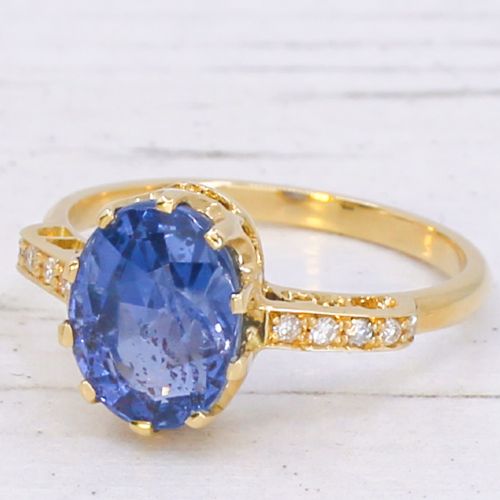
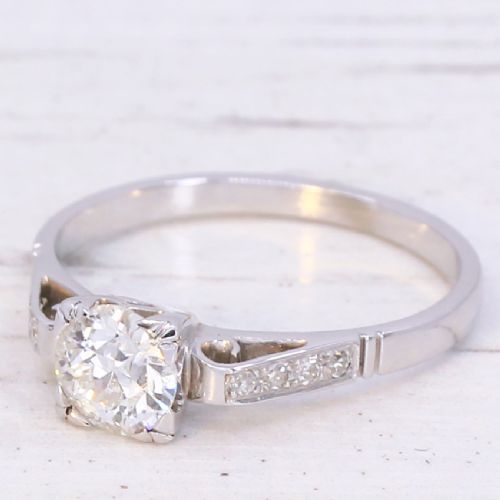
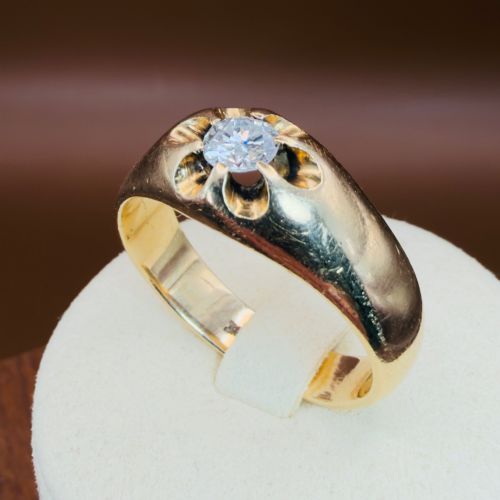
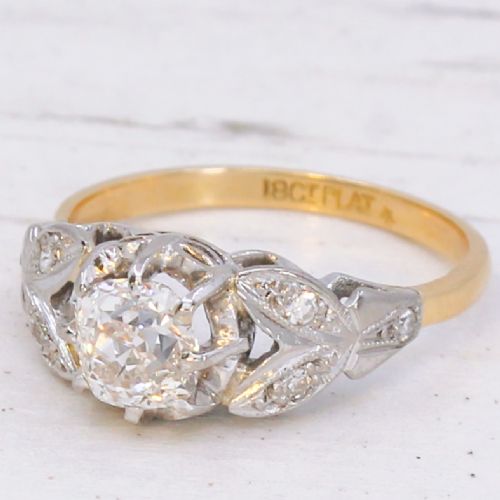
Gold Diamond Solitaire
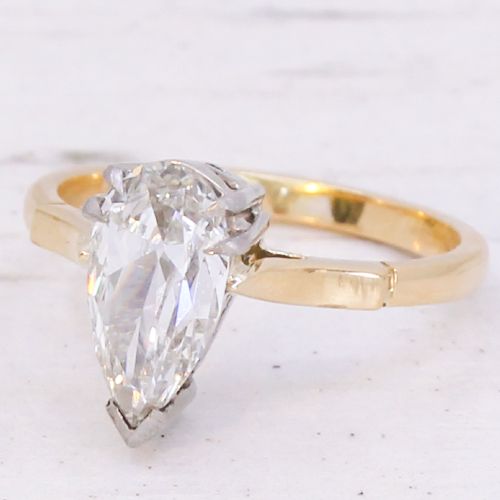
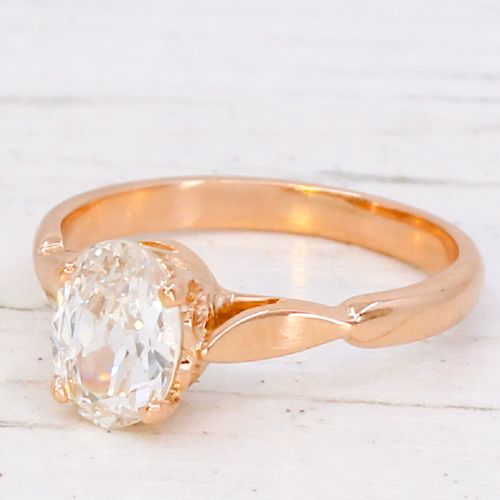
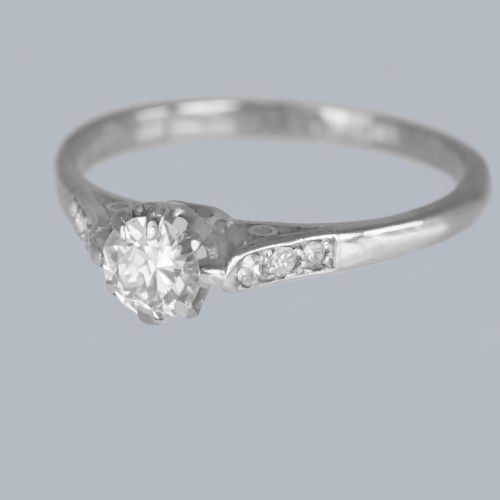
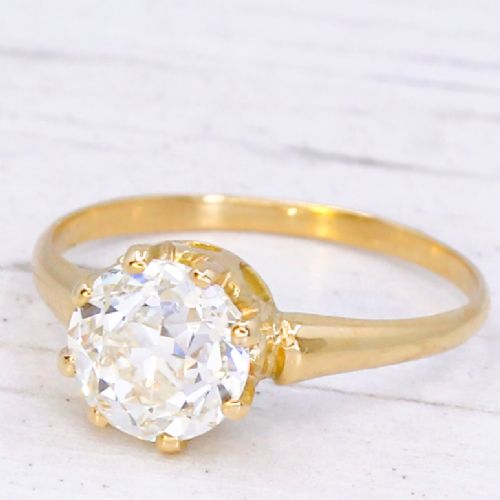
A gold diamond solitaire carries a single central stone that draws the eye directly to the work of past decades.
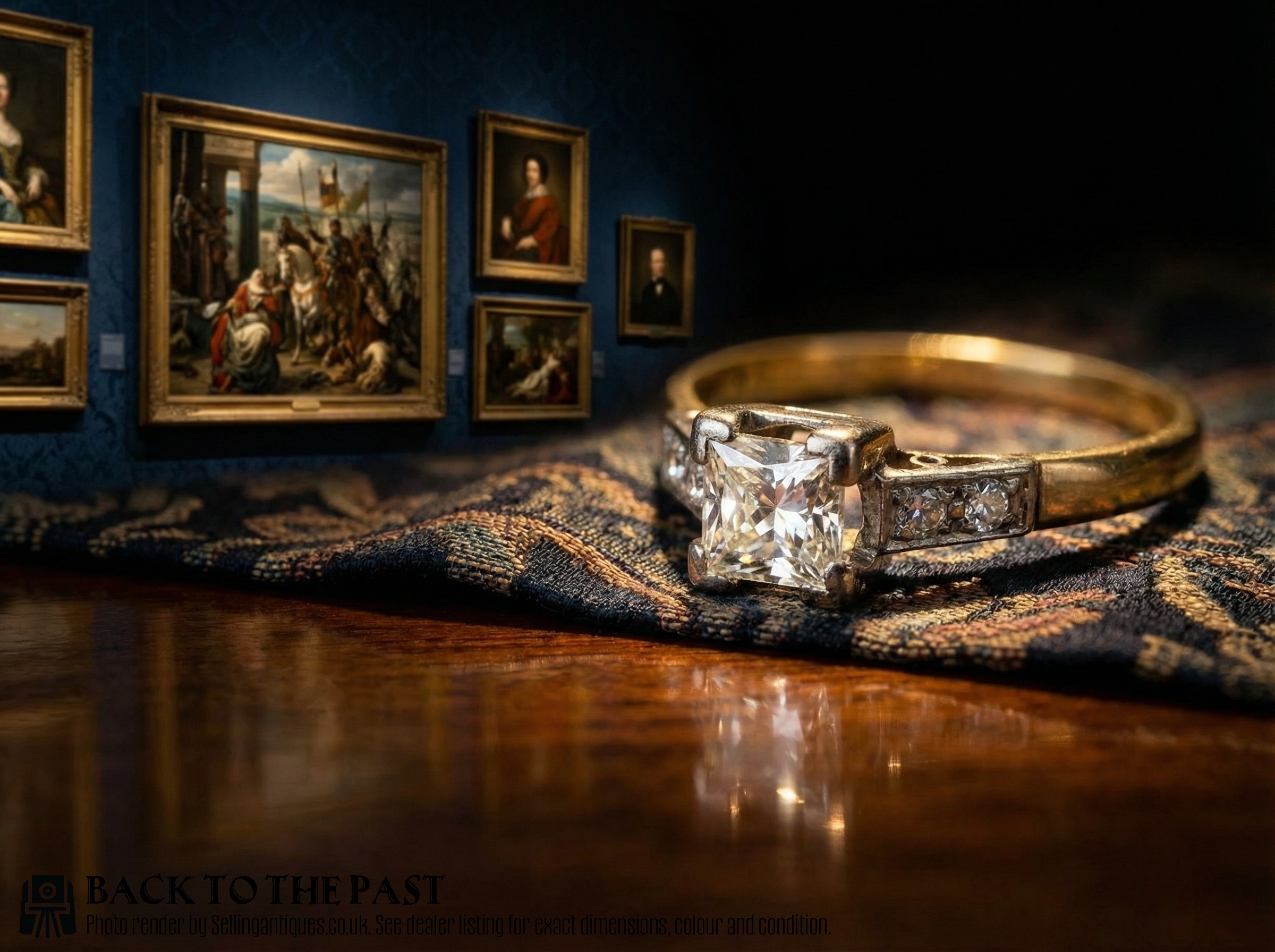
Gold Diamond Solitaire
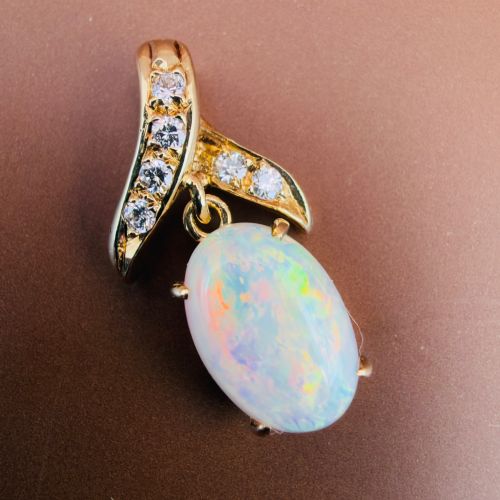
The objects span from the late nineteenth century through to the 1960s, appearing in forms such as traditional engagement rings, gypsy rings and pendant necklaces. Yellow gold, white gold and platinum serve as the primary settings for stones ranging from modest carat weights to substantial old cut diamonds.
How They Were Made
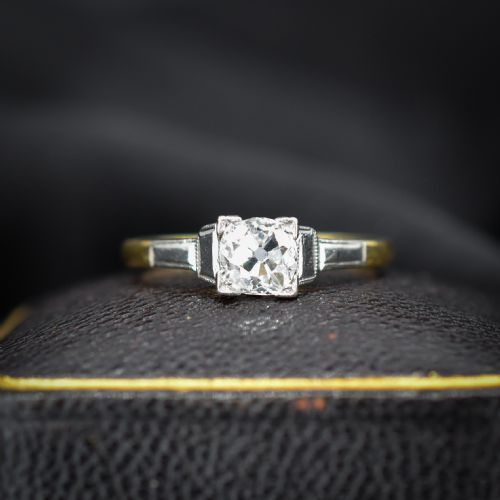
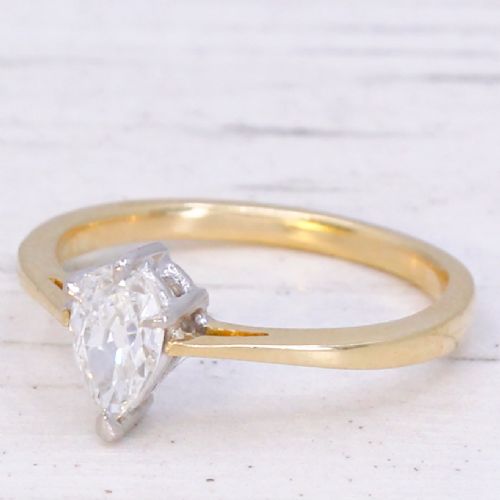
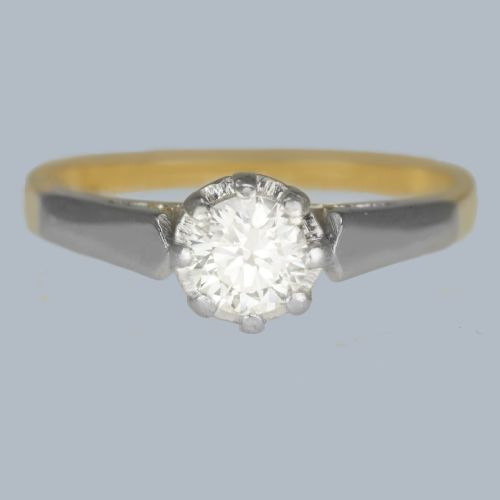
Goldsmiths utilised 15ct gold, 18ct yellow gold, 18ct white gold and platinum to construct sturdy settings that secure the central stone safely in place. Master craftspeople combined yellow gold bands with platinum heads during the Art Deco era to create a bright white contrast against the diamond.
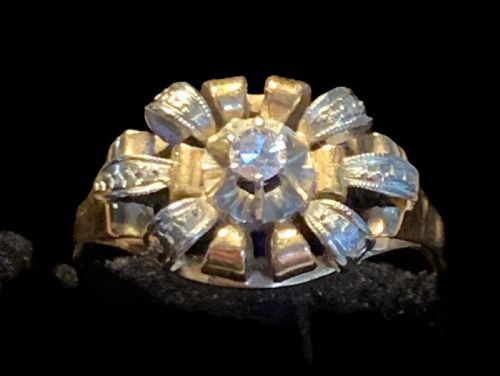
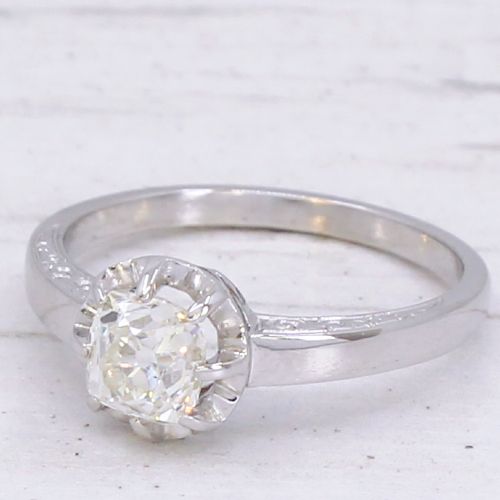
Diamonds were shaped by hand into old European cuts, old mine cuts, pear cuts and brilliant cuts, displaying facets designed to catch candlelight or daylight. Settings often incorporate delicate claw mounts, bezel wraps or flush gypsy mountings hammered directly into the metal band.
Listings span from Victorian and Edwardian examples through Art Deco designs to mid-century pieces, utilising yellow gold, white gold and platinum.
What Varies in Quality
The standard of a piece depends heavily on the cut and proportion of the central diamond, where hand-cut facets interact uniquely with light compared to modern machine-cut stones. Symmetry in the mounting and the original integrity of the prongs or bezel also dictate the overall craftsmanship.
The choice of metal alloy and the preservation of original hallmarks add distinct weight to the provenance and desirability of the item. Pieces that retain their original geometric shoulders, engraving or gallery work without later alterations command greater appreciation from collectors.
The Gold Diamond Solitaire Glossary
- Solitaire
- A ring or pendant featuring a single prominent gemstone mounted alone on the metal band or chain.
- Old European Cut
- An early round diamond cut characterised by a small table, high crown and open culet, typical of pieces from the Victorian and Edwardian eras.
- Gypsy Ring
- A style where the gemstone is flush-set directly into a heavy tapered gold band, popular in the late nineteenth and early twentieth centuries.
- Platinum
- A dense, durable white metal utilised extensively in Edwardian and Art Deco settings to hold stones securely with minimal visible bulk.
- Culet
- The small facet at the very bottom of a vintage diamond, often visible by eye in older hand-cut stones.
Gold Diamond Solitaire: Frequently Asked Questions
How do I wear a vintage solitaire every day?
Pair the ring with a low-profile wedding band or wear it alone to protect the central setting from daily friction. Regular checks by a jeweller ensure the claws remain secure.
Remove the jewellery during heavy manual tasks or swimming to protect the gold band and prevent accumulation of debris beneath the diamond.
What is the difference between old cut and brilliant cut stones?
Old cut diamonds feature hand-polished facets tailored under different lighting conditions, resulting in a softer, warmer sparkle compared to modern brilliant cuts. Their proportions often include higher crowns and smaller tables.
Brilliant cut stones, emerging more prominently in mid-century pieces, display precise geometric symmetry engineered for maximum light return and brilliance.
How do I identify an Art Deco solitaire?
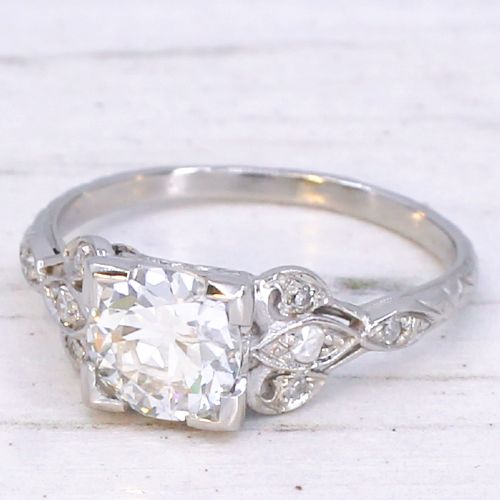
Art Deco pieces typically showcase geometric lines, crisp angles and a combination of yellow gold bands with platinum-topped settings. The design focuses on architectural structure and high contrast.
Such rings frequently date from the 1920s and 1930s, reflecting the modernist design movements of that era through stylised shoulders and stepped galleries.
Can I resize an antique gold ring?
Most gold and platinum rings can be adjusted by a skilled jeweller who understands historical construction techniques. The process involves adding or removing a small section of the band.
Intricate shoulder details or gypsy mountings require careful handling to preserve hallmarks and structural integrity during the alteration.