


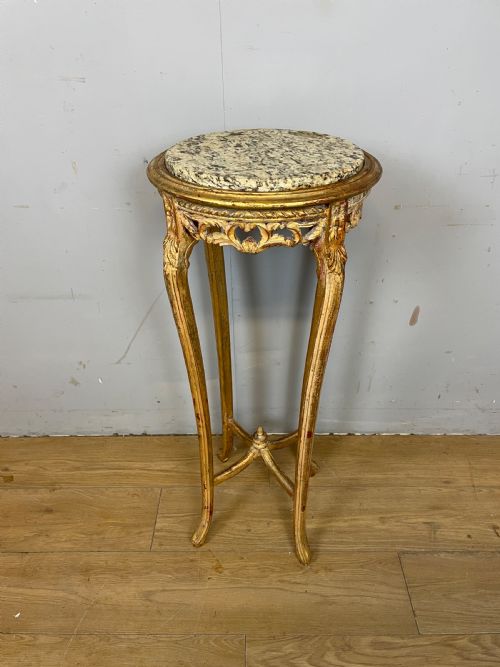


Gold Decorative Pedestals
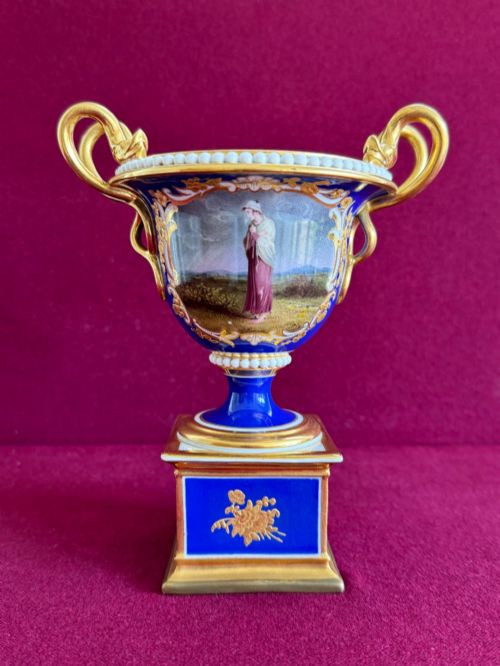
Gold decorative pedestals are ornate display supports and torcheres designed to elevate urns, plants and sculpture.
Gold Decorative Pedestals
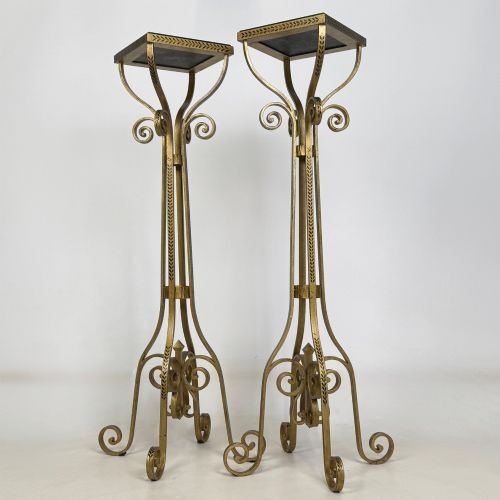
Gold decorative pedestals encompass torcheres, plant stands and architectural columns originating from the nineteenth and early twentieth centuries. These pieces manifest in styles ranging from French Empire and Venetian Baroque to Edwardian and Regency.
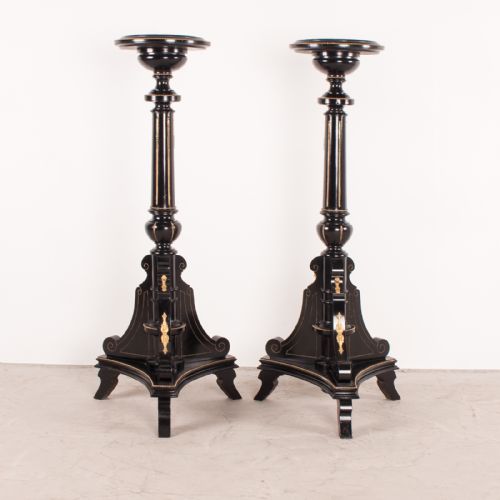
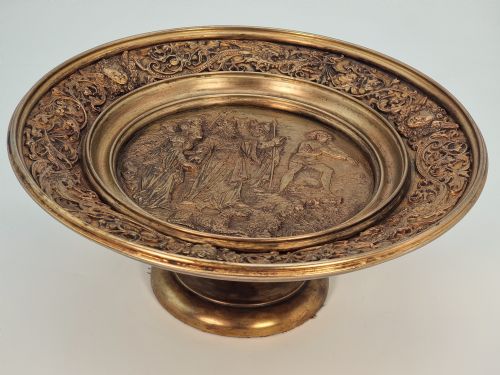
The selection frequently includes marble-topped plant stands, carved giltwood columns and ebonised supports alongside associated decorative objects like tazzas and urns. Buyers select these items to create height and focal points within a room.
How they were made
Maker techniques rely heavily on applied surface finishes including gold leaf, gesso, parcel gilt and ormolu upon wooden, brass or cast iron structures. Carved wood and giltwood forms demonstrate traditional joinery and hand-gilding methods.
Combination pieces integrate natural materials such as marble, onyx, malachite and blue john into metal or wooden frames. Pressed brass and cast brass components provide structural integrity for planters and altar sticks.
Listings feature pieces spanning the Regency, Victorian, and Edwardian periods, utilising materials such as brass, marble, and giltwood.
What varies in quality
Quality rests upon the depth and survival of the original gilding, polychrome or lacquer surface. Superior examples retain crisp detail in carved gesso or cast bronze elements without excessive resurfacing.
The integrity of stone inserts, such as fitted marble or onyx tops, and the stability of joinery in tall columns differentiate standard production from finer workshop output.
The Gold Decorative Pedestals Glossary
- Torchere
- A tall ornamental stand designed to support a lamp, vase or figure. These pieces often feature slender columns and decorative bases.
- Ormolu
- Gilded bronze popular in French furniture and decorative objects from the eighteenth and nineteenth centuries. This technique involves applying finely ground high-carat gold to a bronze base.
- Tazza
- A wide, shallow saucer-like dish or bowl raised on a stem and foot. They frequently appear in bronze, porcelain or glass as centrepieces.
- Gesso
- A plaster mix applied to wood as a base for gilding or painting. Artisans carve and stamp details into this layer before applying gold leaf.
- Cassolette
- A decorative vessel that functions as both a vase and a burner. These lidded containers often incorporate marble and ormolu mounts.
Gold Decorative Pedestals: Frequently Asked Questions
What were gold pedestals used for originally?
These pieces served to elevate lighting devices, sculptural figures, and floral arrangements in period interiors. Placing items on elevated columns drew the eye upward and displayed valuable ornaments safely.
Over time, wealthy households utilised torcheres and plant stands to punctuate corners or flank architectural doorways within formal reception rooms.
How do I place a tall pedestal in a modern room?
Tall columns and torcheres work effectively in empty corners or framing large wall art. Their vertical emphasis adds architecture to plain spaces without taking up valuable floor area.
Pairing a marble-topped stand with a simple ceramic vessel or bronze sculpture creates a balanced focal point that reflects natural light.
How can I distinguish a Victorian pedestal from a Regency one?
Regency pieces often draw directly on strict Neoclassical lines, featuring crisp ormolu mounts, classical caryatids, and restrained mahogany or giltwood structures.
Victorian and later nineteenth-century examples frequently embrace heavier revival styles, incorporating Gothic motifs, ebonised finishes, or eclectic ornamentation.
Are marble tops on antique stands original?
Many nineteenth-century plant stands and occasional tables feature inset marble, onyx, or hardstone slabs fitted tightly into wooden or brass rims. Original tops match the exact inner diameter and edge bevelling appropriate to the period.
Replacements typically show modern cutting marks underneath or lack the expected weathering and minor edge wear consistent with age.