



Gold Decorated Vase
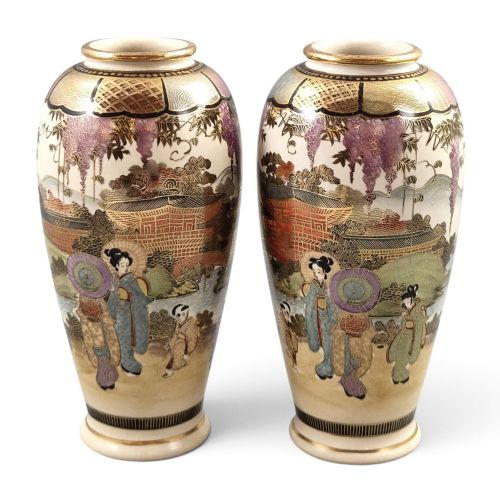
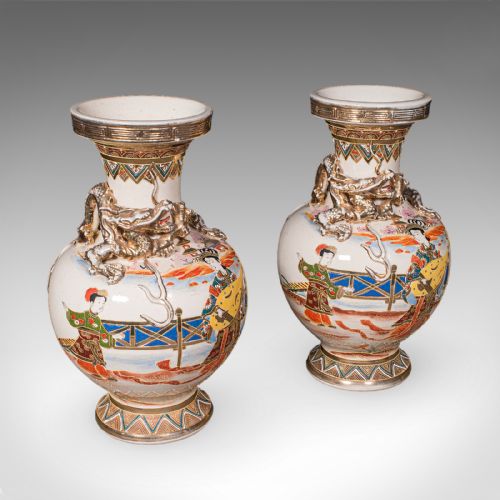
A gold decorated vase brings tactile warmth to a room through delicate metallic leaf and rich enamel work.
Gold Decorated Vase
A gold decorated vase covers a broad span of decorative vessels, ranging from intricate Japanese ceramics to grand European porcelain and glassware.
The version most likely to meet you on this page is a Victorian or Meiji period piece, where gilt and enamel details catch the light.
These vessels take various forms, from slender spill vases and urns to large baluster shapes and scent bottles.
Materials and construction methods
Makers utilised fine porcelain, earthenware, and glass as the foundation, applying surface layers of gold leaf, gilding, and enamel.
Techniques varied across traditions, combining cobalt glazes and raised moriage work on ceramic bodies with precise hand engraving on glass.
Materials span porcelain, earthenware, glass, and enamel, enhanced by gold leaf and gilding.
Assessing craftsmanship and finish
Quality separates through the precision of the hand painting and the durability of the gilding applied across the surface.
The refinement of the underlying ceramic or glass body, alongside the attribution to known makers, distinguishes finer examples.
Royal Worcester·Kinkozan·Flight Barr and Barr·Doulton Burslem
The Gold Decorated Vase Glossary
- Gilding
- The application of gold leaf or gold powder to a surface. This technique adds metallic brilliance to ceramics and glass.
- Moriage
- A Japanese pottery technique using slip to create raised designs. It provides a tactile, textured surface beneath the gold decoration.
- Baluster
- A vase shape with a rounded body that tapers toward the neck. This form provides a stable base and generous surface area.
- Enamel
- Vitreous material fused to a surface through firing. It introduces vibrant colour alongside the metallic gold elements.
Gold Decorated Vase: Frequently Asked Questions
How do I clean my vase?
Dust the surface gently with a soft, dry cloth to protect the delicate gold leaf and enamel details from abrasion.
Avoid using water, chemical cleaners, or abrasive sponges, which can permanently strip the historic gilding from the ceramic or glass.
Were these pieces used for flowers?
Many vessels served a dual purpose as functional holders for blooms and as purely decorative mantel or table centrepieces.
Larger urns and covered pedestal forms were designed primarily to display craftsmanship rather than hold water.
How do I date a piece?
Examine the base for maker marks, registration numbers, and signatures that correspond to specific factory production periods.
Stylistic cues, such as Art Nouveau motifs or Meiji period aesthetics, also help narrow down the decade of creation.
What is Satsuma ware?
Satsuma ware is a type of Japanese pottery traditionally characterised by an ivory crackle-glaze earthenware body.
Artisans embellished these surfaces with intricate polychrome enamels and heavy gold leaf applications depicting figures or nature.