


Gold Chimney Glass
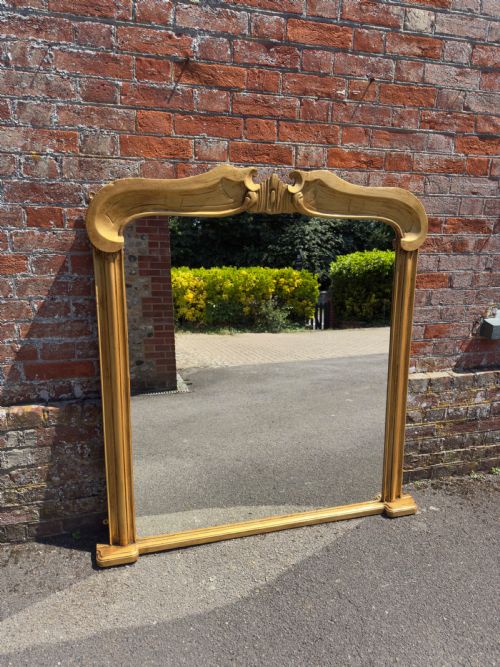
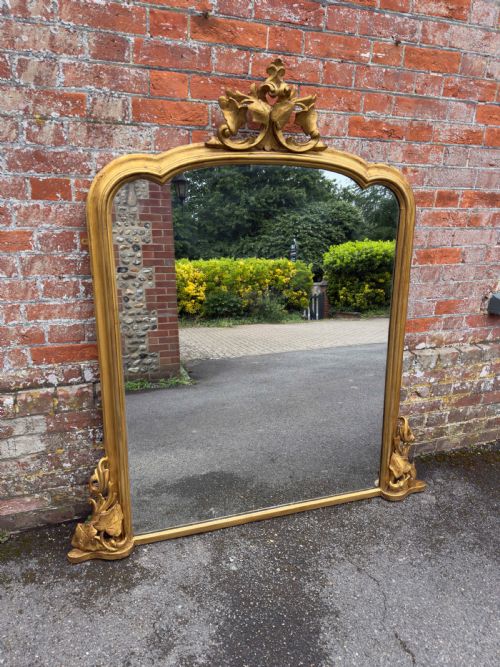
Gold chimney glass describes large gilt-framed overmantel mirrors designed to sit above fireplace hearths during the nineteenth century.
Gold Chimney Glass
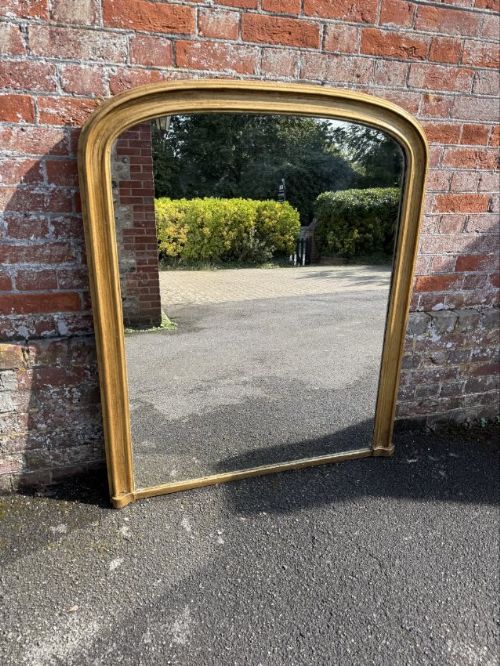
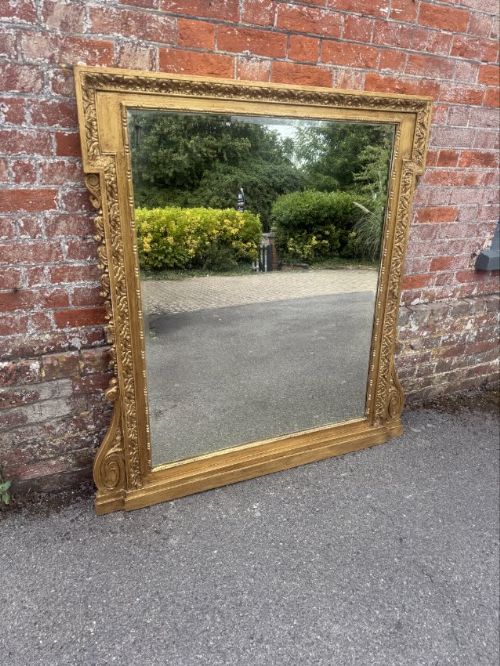
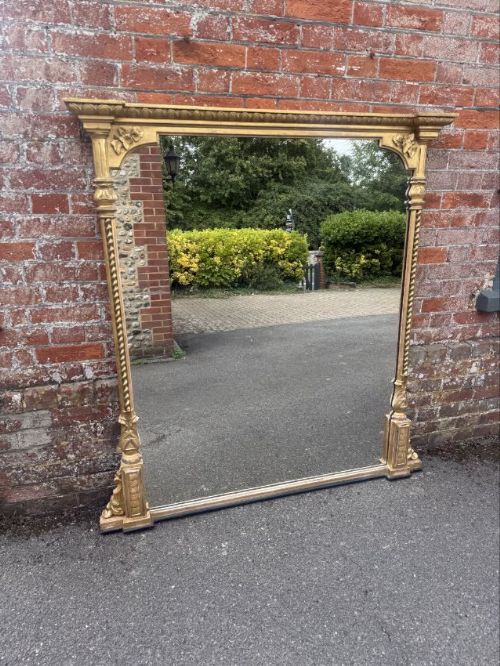
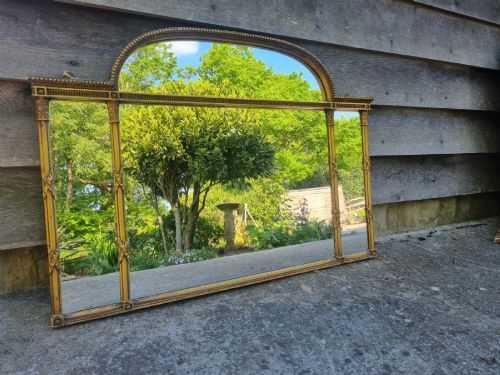
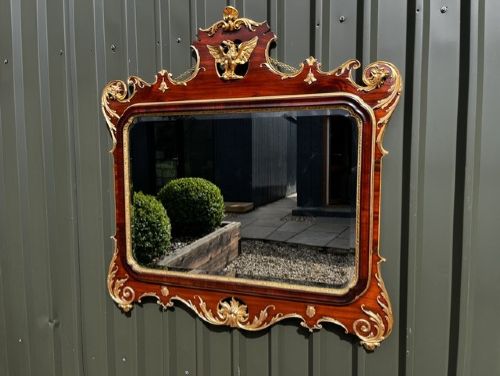
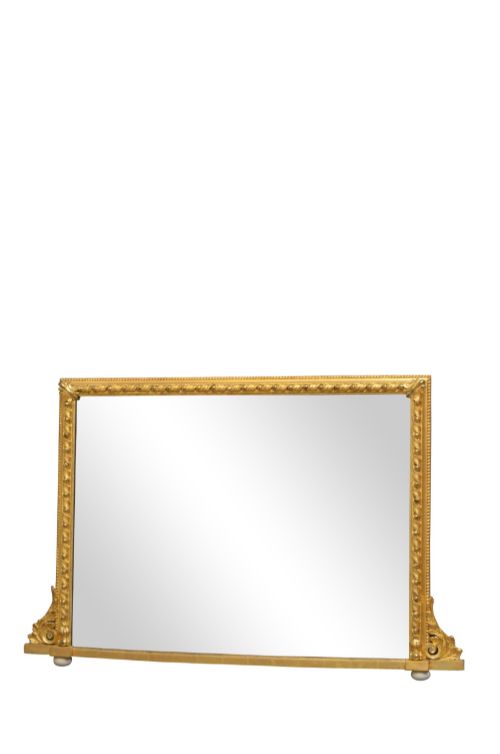
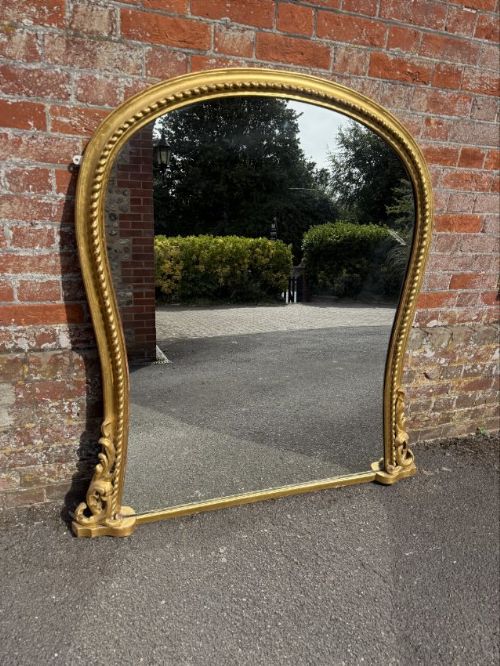
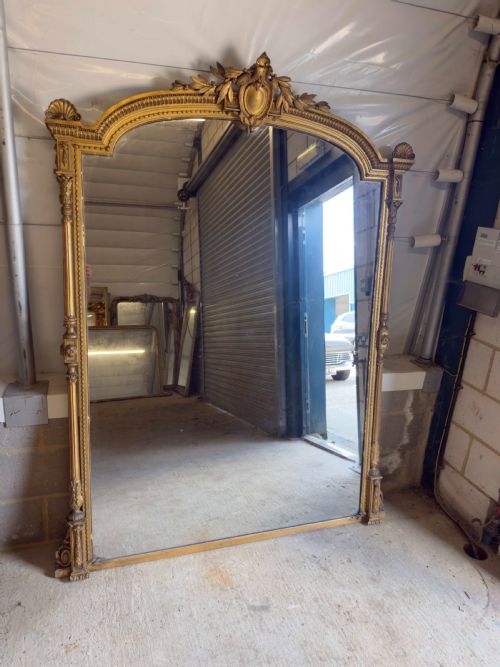
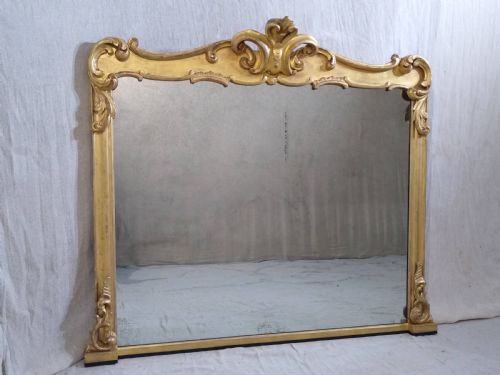
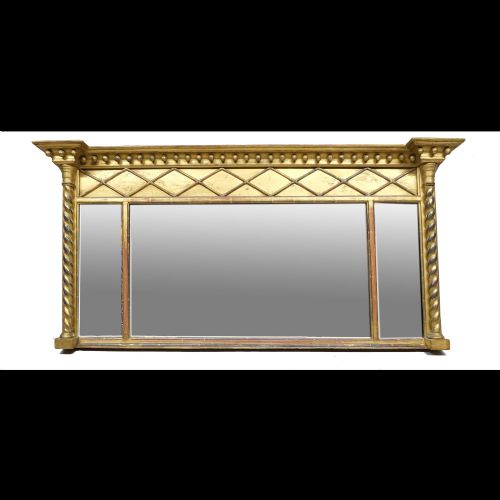
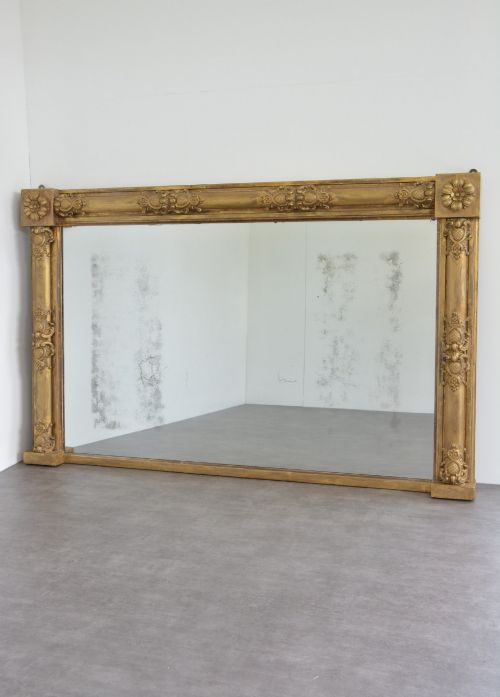
Gold chimney glass typically appears as large overmantel mirrors spanning the nineteenth century, including Victorian, Regency, and Georgian periods. These substantial wall mirrors incorporate arched tops, shaped frames, and compartmentalised or triple-plate designs meant to reflect light across a room from the mantelpiece.
Makers shaped these large glass pieces using carved wood and gesso, often applying gilt finishes that align with neoclassical, rococo revival, or Chippendale aesthetic traditions. Pieces frequently feature structural details like rope twist frames, ribbed columns, or pediments.
Materials and Construction
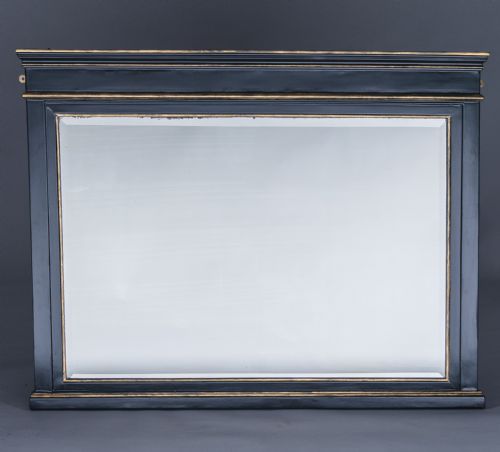
The construction of these mirrors relies heavily on carved wood and composition applied as gesso, which accepted gold leaf gilding across large framing surfaces. Ebonised wood also appears as a contrasting material in certain Victorian examples.
Mirror glass plates sit within these heavy frames, occasionally retaining original characteristics such as foxed silvering due to age. Frames utilise joinery suitable for grand scale wall mirrors intended to bear significant weight above a fireplace.
Certain nineteenth-century Irish overmantel mirrors incorporate tiny carved birds and squirrels hiding within their elaborate giltwood foliage.
Design and Execution
Quality separates ordinary framing from pieces displaying refined carving in the gesso and wood, such as crisp rope twists, intricate pediments, or figurative details. The precision of the gilt application and the depth of the overall architectural moulding dictate the visual weight of the mirror.
The preservation of the original glass plate and the structural integrity of the heavy wooden carcase determine the standing of an individual overmantel mirror within its period.
The Gold Chimney Glass Glossary
- Overmantel mirror
- A large mirror specifically proportioned to hang on the wall directly above a fireplace mantel. These pieces dominate the wall space and reflect interior candle or daylight.
- Gesso
- A plaster-like mixture applied to wooden frames to provide a smooth surface for gilding. Carved details are frequently moulded directly into this layer before applying gold leaf.
- Giltwood
- Timber that has been coated with gold leaf or gilt paint. It forms the primary visual finish for nineteenth-century chimney glass.
- Foxed glass
- Mirror glass displaying dark spots or patches resulting from the degradation of the silver backing over time. This chemical alteration signals genuine antique age.
- Trumeau
- A decorative wall mirror or panel situated between windows or above a fireplace. These often incorporate distinct sections or integrated artwork.
Gold Chimney Glass: Frequently Asked Questions
Where should a chimney glass be hung?
These mirrors were originally designed to sit securely on the wall directly above a fireplace mantelpiece. Their grand scale allows them to anchor large reception rooms.
Ensure the wall fixings match the substantial weight of the carved wood and gesso frame before installation.
What is the difference between an overmantel and a wall mirror?
Overmantel mirrors are specifically proportioned to match the width of a fireplace surround, often featuring horizontal layouts or arched tops. Standard wall mirrors follow different scale rules for general room placement.
Chimney glass specifically addresses the focal point of the hearth.
How do you date a gilded mirror?
Dating relies on examining the framing style, such as Regency ribbed columns or Victorian rococo curves, alongside the construction of the wooden backboards. The presence of original foxed glass provides further chronological clues.
Changes in gilding techniques and gesso composition across the nineteenth century also help define the period.
Are original mirror plates common?
Many nineteenth-century mirrors retain their original glass plates, which often show signs of age like light foxing. Replacements do occur when historical glass has suffered damage.
Original plates contribute significantly to the character of antique giltwood frames.