


Gold Bronze Vessel
These gold bronze vessel designs span centuries of casting skill, offering heavy metal work and gilt finishes that bring distinct period character to any room.
Gold Bronze Vessel
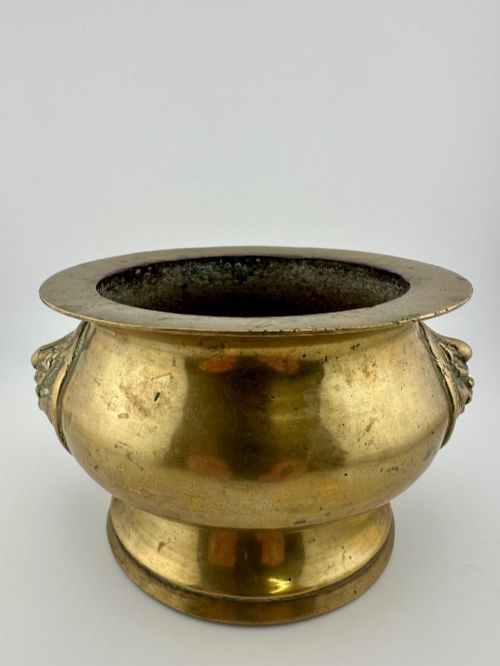
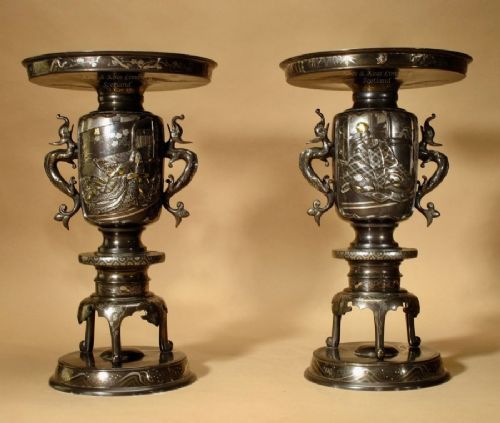
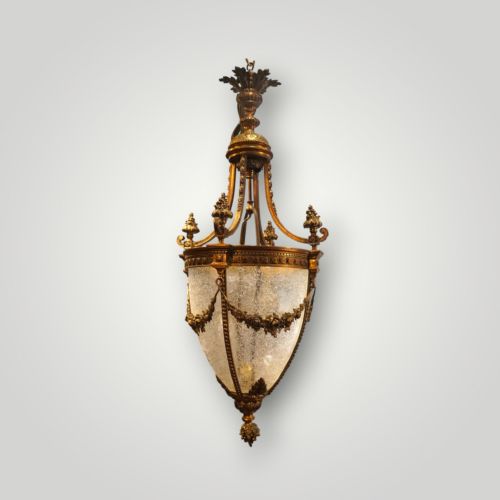
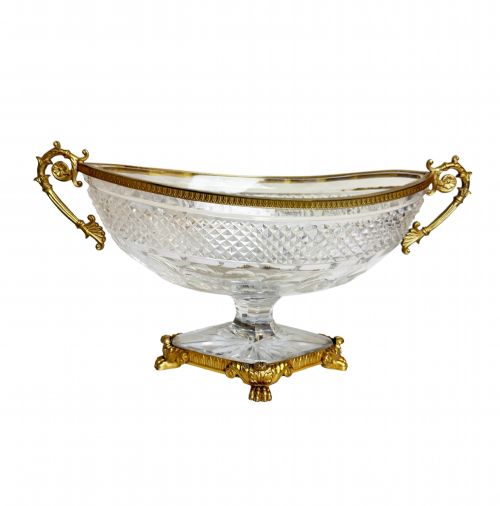
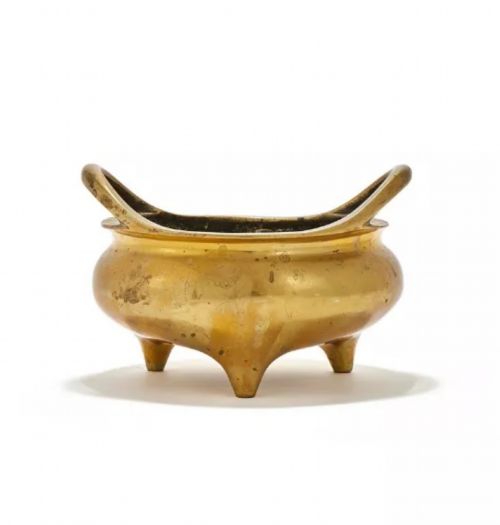
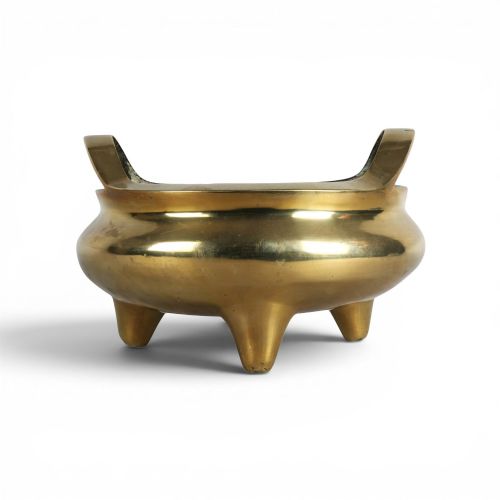
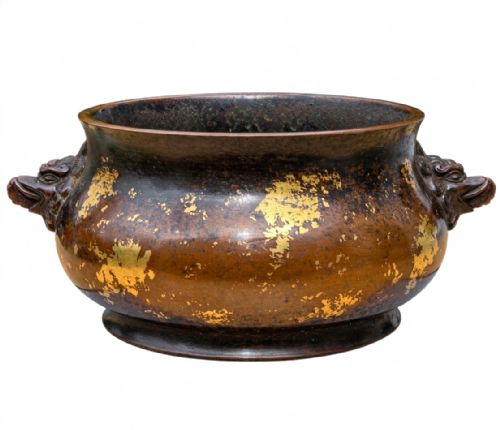
A gold bronze vessel encompasses a varied group of heavy cast objects, including censers, urns, and jardinieres from Asian and European traditions. Buyers searching this phrase meet everything from Chinese tripod burners bearing marks to French ormolu centrepieces and Japanese Meiji period vases.
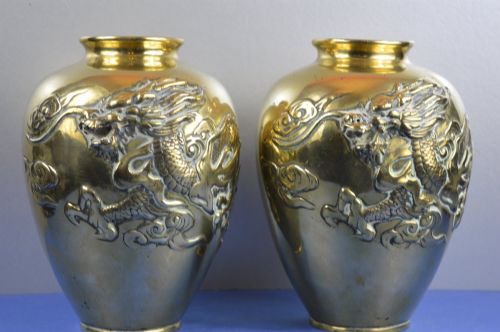
The selections range across multiple centuries, featuring forms shaped by the Qing Dynasty, Ming Dynasty, and Art Nouveau aesthetics. Heavy cast items dominate the offerings, often displaying detailed dragon motifs, lion mask handles, or intricate cloisonne enamel work.
Origin points diverge between East Asia and Europe, combining temple vessels with domestic decorative pieces. Most examples display significant weight, utilising metal alloys finished with gilding, gold inlay, or polished ormolu.
How they were made
Makers shaped these objects primarily through bronze and brass casting techniques, often adding weight and substance to the finished forms. Artisans then applied surface decoration through fire gilding, gold leaf, or gold inlay to create shimmering metallic contrasts.
Enamel work frequently appears alongside the metal, utilising champleve or cloisonne methods to set coloured details into the bronze or brass frames. Crystal and earthenware also integrate into specific centrepieces and vases, supported by cast metal mounts.
Listings feature items spanning the 16th to the 20th century, combining European ormolu with Chinese bronze and Japanese Meiji period metalwork.
What varies in quality
The standard of a casting separates ordinary production from superior examples, visible in the sharpness of relief work like taotie masks or dragon scales. Clean finishing on handles, feet, and rims shows the precision applied by the workshop before gilding.
The application of gilt bronze, ormolu, or gold splash determines the lasting richness of the surface layer. Heavier metal gauge and secure joining of components indicate a higher grade of manufacture across both Chinese censers and European decorative urns.
Wu Bangzuo·Kizan·Paul Dachsel·Charles Korschann·Henry Dasson
The Gold Bronze Vessel Glossary
- Ormolu
- Finely ground high-carat gold applied to a bronze base using a mercury amalgamation technique, common in French decorative pieces. This treatment yields a warm, durable metallic lustre.
- Censer
- A vessel designed for burning incense, frequently manufactured in heavy bronze or brass with tripod legs and pierced lids. Asian examples often carry reign or maker marks on the base.
- Jardiniere
- An ornamental pot or receptacle intended to hold plants or floral arrangements, often cast in bronze or brass with decorative handles. These pieces frequently feature matched trays or liners.
- Cloisonne
- An enamelwork technique where thin metal wires form raised barriers on a metal surface to contain coloured paste before firing. The resulting patterns display vibrant hues alongside metallic outlines.
- Taotie
- A mythological zoomorphic motif frequently cast in relief on ancient and later Chinese bronze vessels. It presents a symmetrical face pattern denoting strength and status.
Gold Bronze Vessel: Frequently Asked Questions
What is the difference between bronze and brass?
Bronze is primarily an alloy of copper and tin, prized for its strength and rich patination capabilities. Brass typically combines copper and zinc, yielding a brighter golden tone.
Many antique listings use these terms interchangeably, but bronze generally offers greater weight and depth of colour.
How can I date an antique censer?
Examine the cast marks, weight, and style of the handles and tripod feet. Chinese censers often bear reign marks or studio marks on the base.
Compare the casting method and surface wear to known period examples from the Ming or Qing dynasties.
Where should I display a heavy jardiniere?
Place heavy bronze jardinieres on sturdy furniture capable of supporting significant weight, such as sideboards or dedicated plant stands. Ensure the surface is protected from potential moisture if used for live plants.
Position the piece away from direct heat sources to preserve the metal finish and any internal linings.