
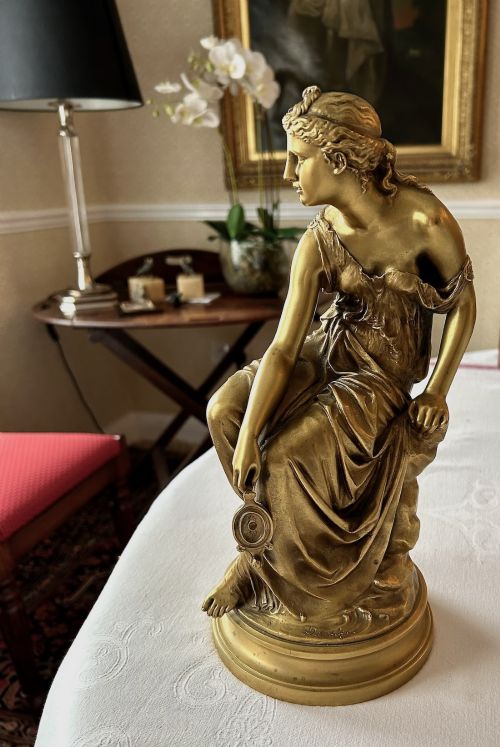
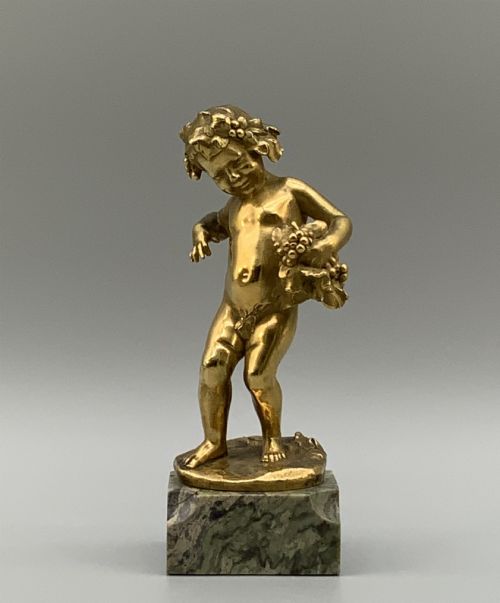
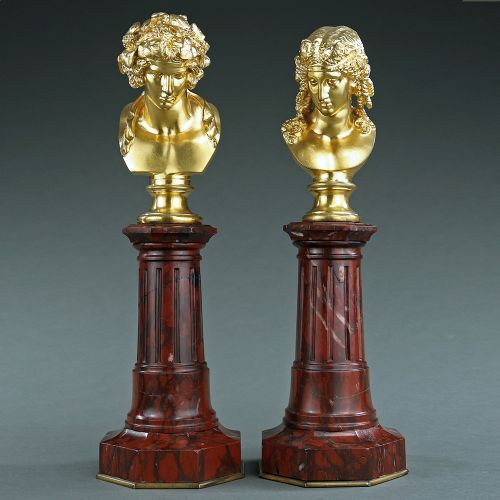

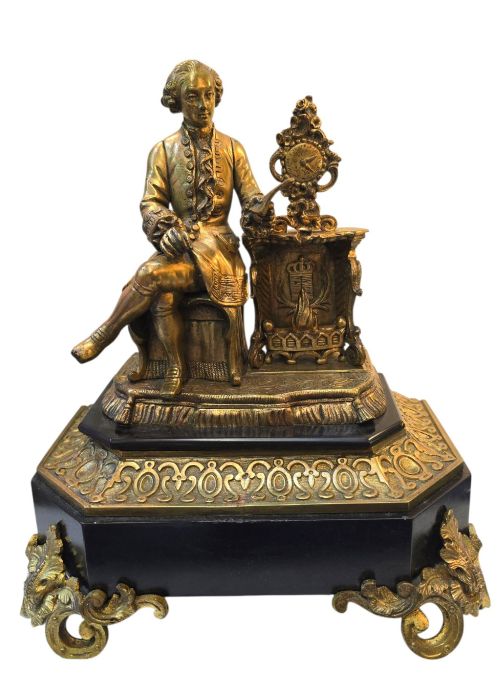
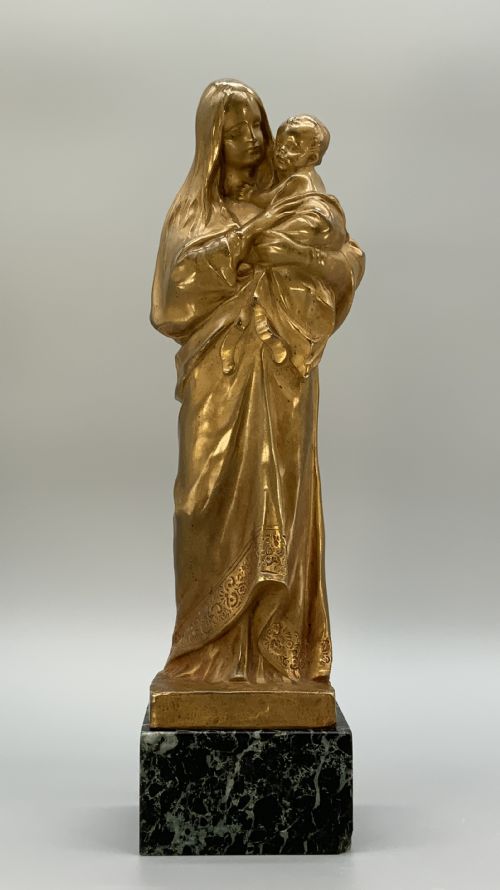
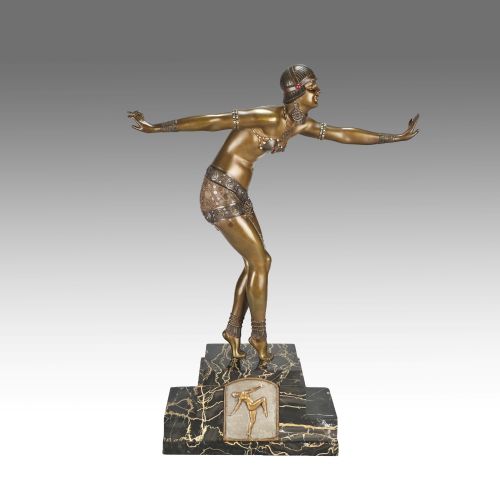
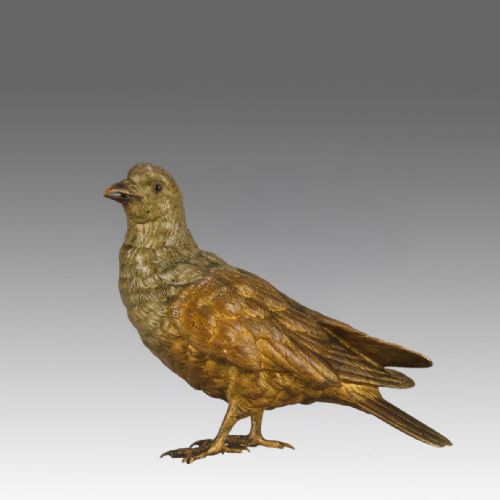
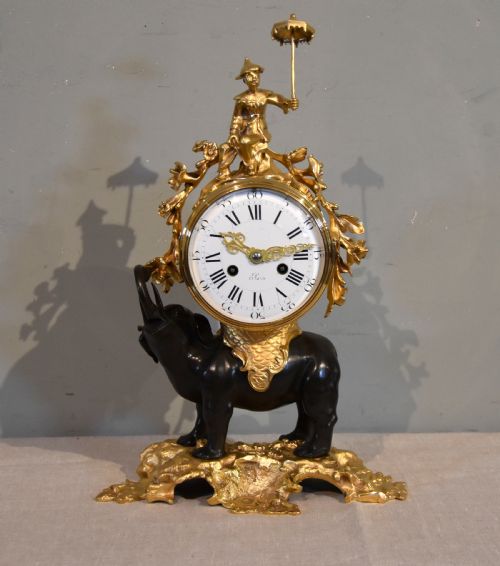



Gold Bronze Figurine
When you handle a gold bronze figurine, you touch a tradition of metalwork spanning classical subjects, animalier studies and Art Deco dancers.
Gold Bronze Figurine
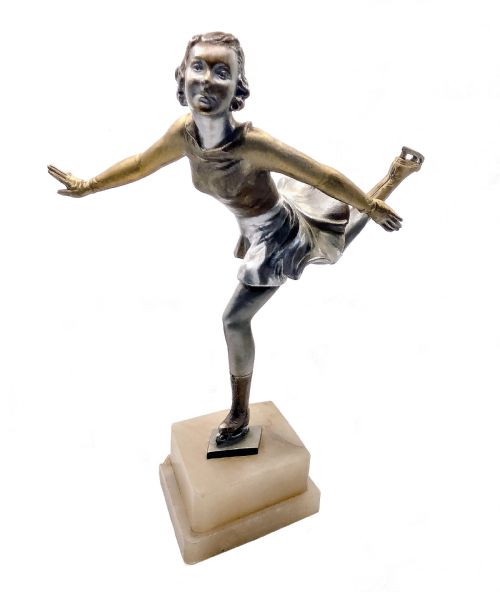
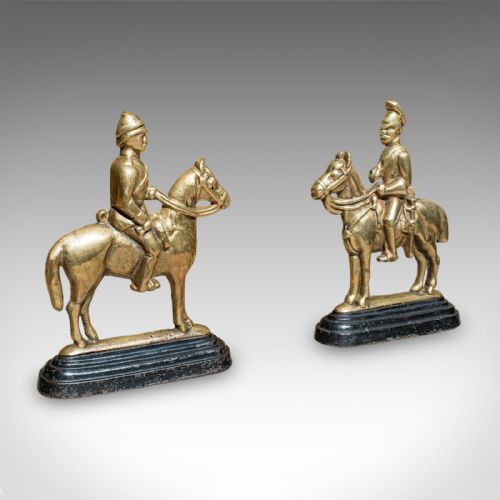
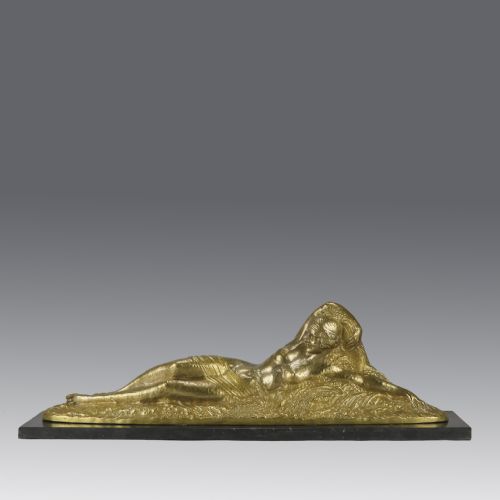
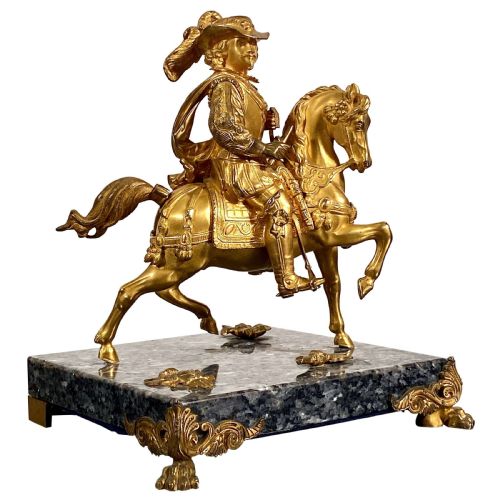
A gold bronze figurine encompasses cast metal sculptures, mantel clocks, bookends and inkwells finished in gilt bronze, ormolu or cold-painted colours. Buyers searching for a gold bronze figurine encounter pieces spanning the nineteenth century through to the Art Deco period of the nineteen-thirties.
Nineteenth-century French ateliers dominate the offerings alongside Austrian workshops and Art Deco designers working in bronze and spelter. These objects function simultaneously as cabinet bronzes, desk accessories and sculptural centrepieces.
Materials and casting methods
Foundries utilised the lost-wax casting method alongside traditional sand casting to capture intricate details in bronze and gilt bronze. Artisans applied mercury gilding, ormolu finishes or cold-painted pigments directly onto the metal surface.
Many works incorporate carved marble, onyx or slate bases that anchor the heavier metal figures. Chryselephantine pieces combine metal casting with carved ivory elements, particularly in dancer figures from the nineteen-twenties.
Enamel and porcelain accents frequently complement the gilt surfaces on functional items like mantel clocks and inkwells. Spelter emerges as an alternative metal medium during the Art Deco era, receiving metallic coatings to resemble bronze.
Gold Bronze Figurine Retail Price Guide 2026
Typical asking prices for gold bronze figurine among the pieces listed under this phrase on Sellingantiques today, from the lower quarter to the upper quarter. They describe what is for sale here now, not the wider market.
Listings feature gilt bronze, marble, onyx and spelter across nineteenth-century and Art Deco periods.
Distinguishing quality in metalwork
The crispness of the chasing and hand-finishing after casting separates superior figures from routine production pieces. Master founders preserved delicate facial expressions, drapery folds and feather textures without softening the underlying contours during the cleanup stage.
The depth and preservation of the original mercury gilding or cold-painted surface dictate the visual impact of the piece. Untouched patination and secure mounting to heavy stone plinths indicate higher workshop standards.
Attribution to known sculptors or documented foundry marks provides a benchmark for design execution. Pieces produced in limited editions or bearing specific foundry cachets demonstrate superior artistic ambition.
Etienne-Henri Dumaige·Susse Frères·Josef Lorenzl·Hans Müller·Demetre Chiparus·Franz Bergman·Louis Riche·Paul Philippe·Paul-Édouard Delabrièrre·Christophe Fratin·Ferdinand Preiss·Erté
The Gold Bronze Figurine Glossary
- Gilt bronze
- Bronze that has been coated with a layer of gold using mercury amalgamation or electrochemical methods. This finish protects the underlying metal while imparting a bright metallic lustre.
- Ormolu
- A gold-coloured alloy of copper, zinc and sometimes tin, applied to decorative bronze mountings and clock cases. The term derives from the French for ground gold.
- Spelter
- A zinc alloy utilised as a cheaper alternative to bronze during the nineteenth and twentieth centuries. It takes patination and paint readily but possesses a lighter weight and softer structural strength.
- Chryselephantine
- A sculpture combining bronze with carved ivory elements, widely utilised by Art Deco sculptors for figures featuring exposed flesh and carved faces.
- Animalier
- A nineteenth-century artistic movement focusing on realistic depictions of animals in action or repose. Sculptors studied anatomy closely at zoological gardens to achieve lifelike poses.
Gold Bronze Figurine: Frequently Asked Questions
How do I clean a gilt bronze surface?
Dust the metal gently with a soft, dry brush to prevent the accumulation of abrasive particles.
Avoid chemical polishes and water, as harsh cleaning agents strip the delicate original gilding.
What is the difference between bronze and spelter?
Bronze is a durable copper and tin alloy that accepts fine chiselling and heavy patination.
Spelter is a softer zinc-based substitute that feels lighter and appears more brittle upon close inspection.
Why are some figures mounted on marble?
Marble and onyx plinths provide structural stability and visual weight to balance cantilevered limbs or dynamic poses.
Stone bases also served an aesthetic function during the Art Deco era, contrasting with dark patinated metal.
How can I identify an Art Deco figurine?
Art Deco pieces typically display stylised geometric drapery, aerodynamic postures and slender dancer motifs.
Materials often include cold-painted bronze or spelter paired with stepped marble bases.