





Gold Bronze Desk Stand
A gold bronze desk stand brings heavy metalwork and polished stone together on the writing desk, offering practical ink and pen storage with unmistakable period presence.
Gold Bronze Desk Stand
When you search for a gold bronze desk stand, you encounter substantial metalwork designed for the writing table, most frequently appearing as French or English inkstands, inkwells, and desk sets from the nineteenth century. These pieces combine heavy cast bronze with rich gilding, ormolu, and polished marble bases to hold writing implements and glass ink pots.
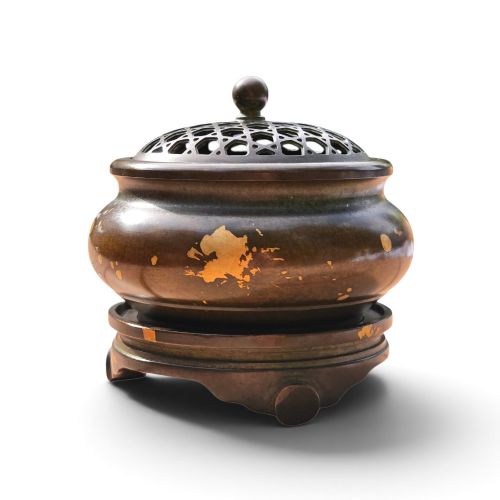
The selections span distinct periods ranging from eighteenth-century Chinese scholar pieces to Victorian, Edwardian, and Art Nouveau creations. French designs dominate the grouping, leaning heavily into Rococo revival curves, Empire dignity, and organic Art Nouveau plant motifs.
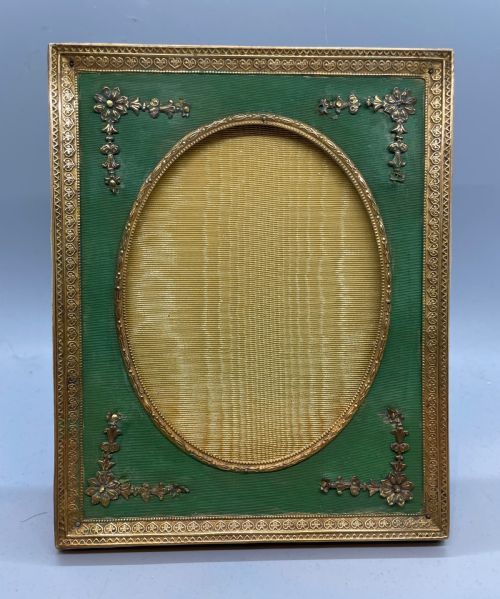
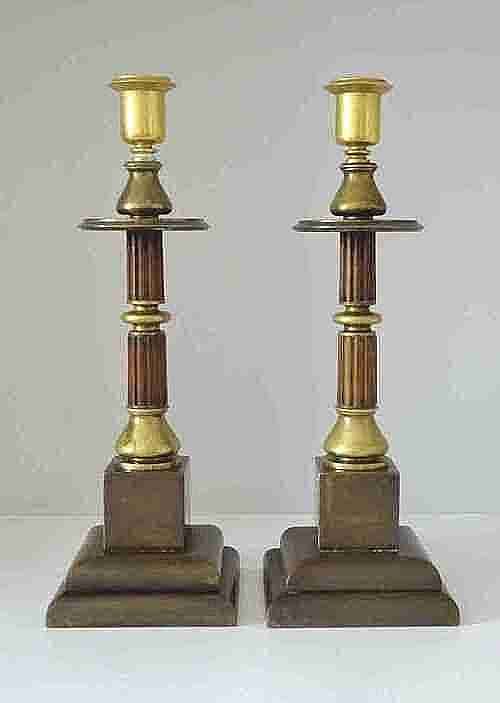
Beyond traditional inkstands, the pieces stretch across related desk accessories including photo frames, candlesticks, and novelty clocks mounted alongside marble or mahogany. The common thread remains the use of gilded bronze and brass to elevate everyday writing equipment into ornamental desk furnishings.
Factors of quality
Quality separates in the crispness of the bronze chasing and the depth of the original gilding, where hand-finished detail on fur, feathers, and scrollwork defines superior examples. The choice and weight of the supporting marble or mahogany base also signal ambition, with dense, multi-coloured stone plinths marking higher-tier pieces.
The integration of functional elements, such as original fitted glass inkwells with matching hinged lids and intact pen rests, elevates a piece above simpler variants. Finer items preserve their original glass eyes in figural subjects or delicate paste stones, whereas lesser examples show plain cast replacement components.
Gold Bronze Desk Stand Retail Price Guide 2026
Typical asking prices for gold bronze desk stand among the pieces listed under this phrase on Sellingantiques today, from the lower quarter to the upper quarter. They describe what is for sale here now, not the wider market.
Listings feature pieces spanning the eighteenth to the twentieth centuries, utilising materials like ormolu, marble, champlevé enamel, and glass.
Albert Marionnet·Barwise London
The Gold Bronze Desk Stand Glossary
- Ormolu
- Gilt bronze produced by applying a finely ground high-carat gold-mercury amalgam to a bronze object before firing. This historical technique yields a distinct, deep golden lustre characteristic of French decorative arts.
- Champlevé enamel
- A technique where troughs or cells are hollowed out in the surface of the bronze and filled with vitreous enamel powder before firing. The resulting coloured glass designs sit flush with the surrounding metal lines.
- Inkstand
- A complete desk tray or stand incorporating one or more inkwells, pen trays, and sometimes a sander or bell. These portable stations kept all necessary writing tools organised on the desktop.
- Rococo Revival
- A nineteenth-century design style mimicking the asymmetrical scrolls, C-curves, and naturalistic shell motifs of the eighteenth century. It appears frequently in French desk accessories and frames.
- Gilded bronze
- Bronze metal treated with a gold layer through fire gilding or electrogilding to prevent tarnishing and provide a bright golden finish. It forms the primary visual body of these desk pieces.
Gold Bronze Desk Stand: Frequently Asked Questions
What is a gold bronze desk stand?
A gold bronze desk stand is a heavy metal desk accessory, typically cast in bronze or brass with a gilded finish, designed to hold ink pots, pens, or stationery.
These pieces range from ornate French Rococo inkstands with marble bases to simpler English Victorian desk sets.
How were these desk stands used?
They sat on writing desks and library tables to provide a stable, organised station for correspondence and document signing.
The central well held liquid ink while integrated grooves or trays kept dipping pens ready for use.
How do I care for gilt bronze?
Gilt bronze requires gentle dusting with a soft, dry cloth to prevent the accumulation of dirt in recessed chased details.
Avoid chemical polishes and abrasive cleaners, as these can strip away the historical gold surface layer entirely.
How can I tell the period?
Stylistic clues such as flowing Art Nouveau plant stems, heavy Victorian figural casts, or classical French Empire symmetry point toward specific eras.
The weight of the bronze, the presence of original glass inserts, and the type of marble base also help date the construction.