




Antique French Desk Accessory
An antique french desk accessory brings functional elegance to a study, offering everything from heavy marble inkstands to delicate glass paperweights.
Antique French Desk Accessory
When searching for an antique french desk accessory, collectors encounter a diverse array of nineteenth and early twentieth-century items designed for writing and correspondence. The selection spans the French Empire, Napoleon III, Art Nouveau, and Art Deco periods, capturing shifts in domestic taste over more than a century.
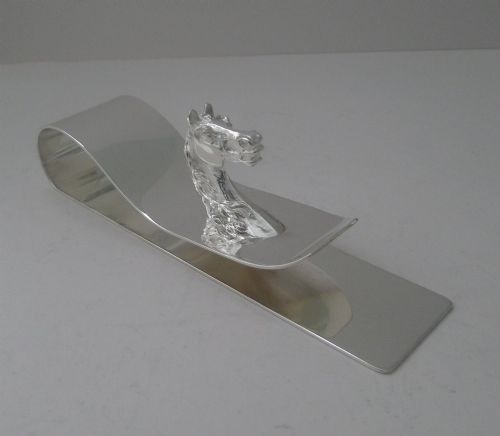
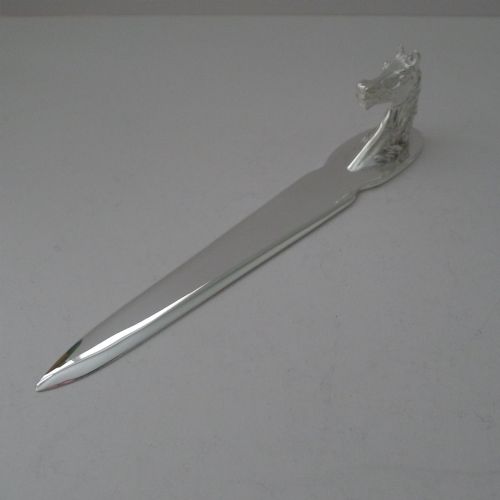
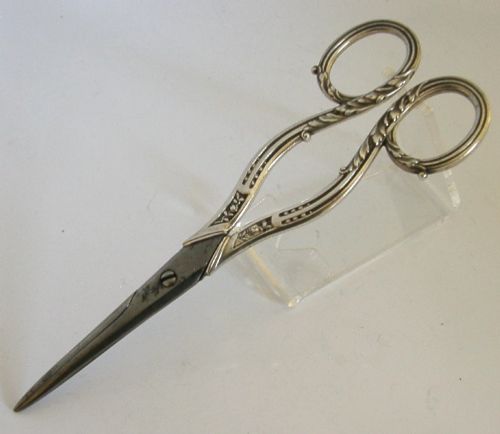
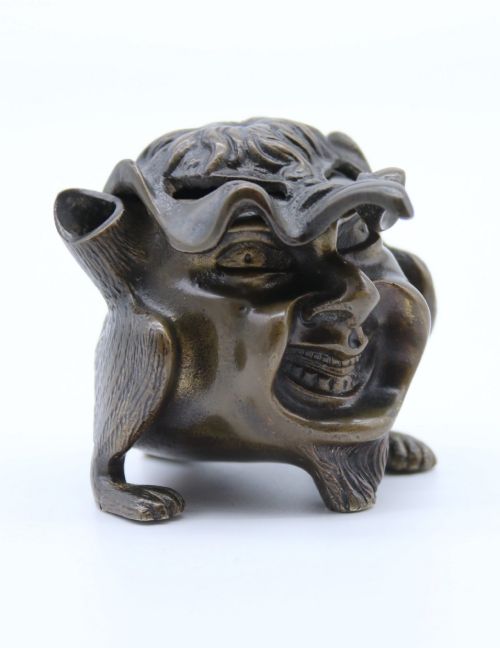
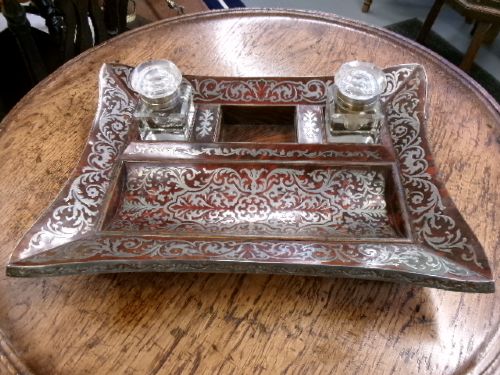
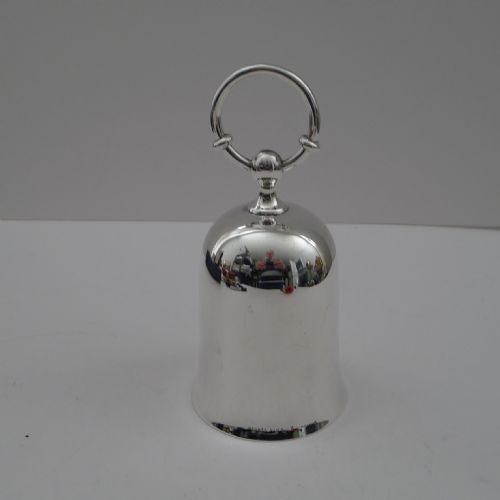
Inkstands, inkwells, and desk sets dominate the offerings, often combining cast metals with stone bases. Alongside these writing vessels appear letter racks, magnifying glasses, rulers, scissors, blotters, and sculptural bookends depicting animals or figures.
Most pieces date from the nineteenth century through to the 1930s, originating from Parisian workshops, major glasshouses, and regional foundries. Buyers frequently find matching pairs of candlesticks accompanying central inkstands as part of a unified desk garniture.
Materials and construction
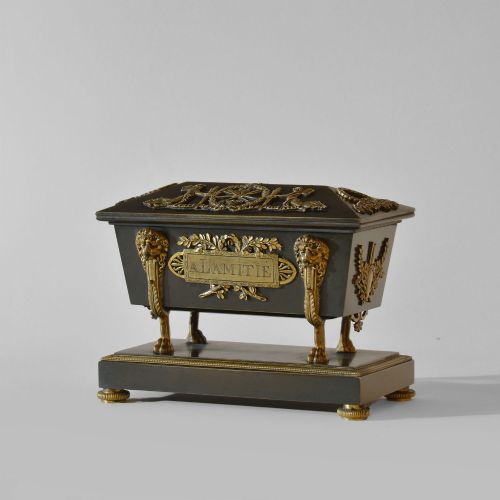
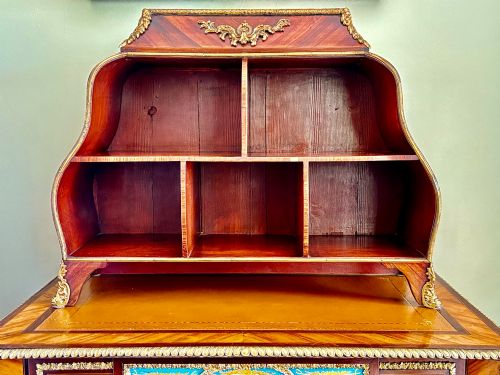
Foundries and cabinetmakers utilised a robust palette of materials, pairing gilt bronze, ormolu, brass, and patinated bronze with bases of Sienna and white marble. Metal components were cast, chased, and gilded, while wooden pieces incorporated brass inlay, boulle work, or burr walnut.
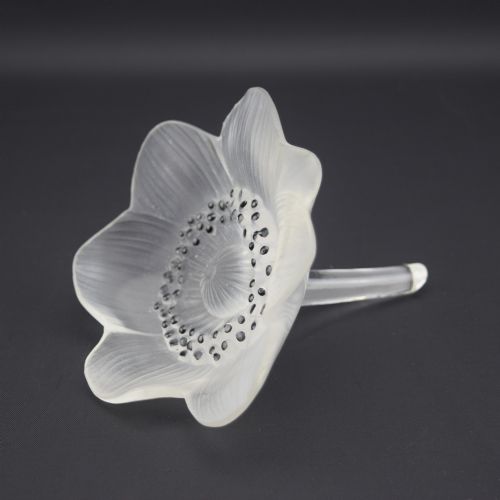
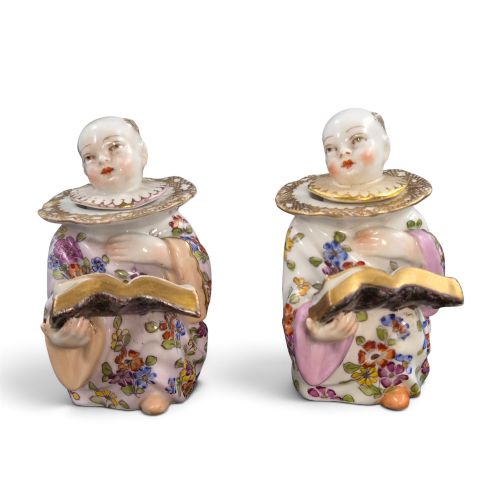
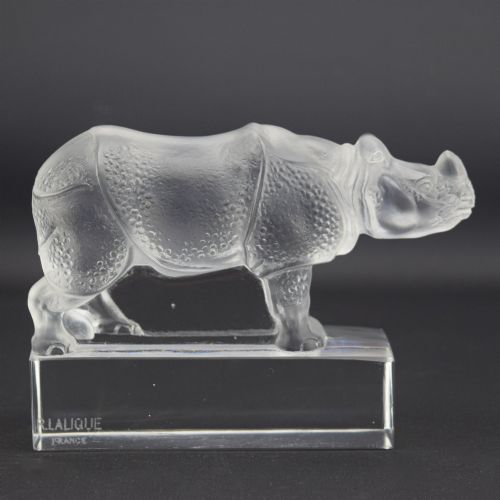
Glass elements rely on crystal, clear glass, frosted glass, and mould-pressed techniques associated with major designers. Porcelain, earthenware, and spelter also appear, providing diverse textures and polychrome finishes across inkwells, figures, and bookends.
Antique French Desk Accessory Retail Price Guide 2026
Typical asking prices for french desk accessory among the pieces listed under this phrase on Sellingantiques today, from the lower quarter to the upper quarter. They describe what is for sale here now, not the wider market.
Listings span the 18th century through the mid-20th century, with the 19th century providing the largest share of marble, ormolu, and bronze pieces.
Defining quality
Superior examples separate themselves through the crispness of the metal chasing, the weight and depth of the marble bases, and the fidelity of the casting. In works of higher grade, details remain sharp and articulation is clear, whereas lesser items show softened edges and simplified surface decoration.
Design attribution and material purity elevate certain objects, such as signed glassware or heavy fire-gilded ormolu mounted on natural stone. The harmony of complete sets, where inkwells, candlesticks, and trays share identical chasing and patination, commands greater interest than assembled groupings.
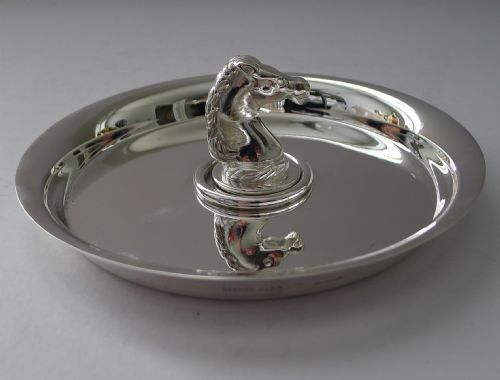
Hermes, Paris·Edmé Samson·Rene Lalique·St. Louis·Lefebvre
The Antique French Desk Accessory Glossary
- Ormolu
- Gilded bronze produced by applying a mercury and gold amalgam to a bronze base and heating it. This technique yields a deep, enduring golden finish seen on nineteenth-century mounts and inkstands.
- Boulle work
- A form of marquetry employing tortoiseshell and brass inlay, developed in France. It creates intricate, contrasting patterns across wooden desk stands and caskets.
- Champleve
- An enamelling technique where troughs are dug into a metal surface and filled with vitreous enamel before firing. It decorates nineteenth-century candlesticks and desk sets.
- Spelter
- A zinc alloy used as a cost-effective substitute for bronze, particularly in Art Deco bookends and sculptural figures. It is usually painted or patinated to imitate heavier metals.
Antique French Desk Accessory: Frequently Asked Questions
What pieces belong in a desk set?
Complete desk sets typically include a central tray or stand housing one or two inkwells, often accompanied by matching candlesticks, pen trays, and blotters. These unified groupings were designed to sit centrally on a library table or Davenport.
Additional matching elements might comprise letter racks, paperweights, or small caskets for stamps and nibs, all executed in the same material and decorative style.
How do I date an inkwell?
Dating relies on stylistic markers and material combinations, such as heavy Neoclassical or Empire ormolu and marble pieces from the early nineteenth century. Later nineteenth-century items often display Napoleon III revival styles or intricate champleve enamelling.
Twentieth-century examples transition into streamlined Art Deco geometric forms, signed moulded glass, or spelter figures dating around the 1920s and 1930s.
How were inkwells used?
Inkwells held liquid writing ink before the widespread adoption of the fountain pen, requiring a dip pen with a steel or gold nib. The inner ceramic or glass liner contained the ink to protect the outer bronze, marble, or porcelain housing from corrosion.
Lids were hinged to prevent dust accumulation and slow evaporation, keeping the ink ready for daily correspondence and ledger work.
How do I care for marble and ormolu?
Marble surfaces require gentle cleaning with a soft cloth and warm water, avoiding acidic solutions or harsh detergents that etch the stone. Ormolu and gilt bronze should be dusted dry with a soft brush to protect the delicate gold layer.
Polishing pastes must be kept away from antique metals and stone to prevent buildup in chased recesses and porous surfaces.