

Gold Brass Desk Lamp
Gold brass desk lamp designs bring heavy metal presence and period light to workspaces, offering enduring utility alongside decorative metalwork.
Gold Brass Desk Lamp
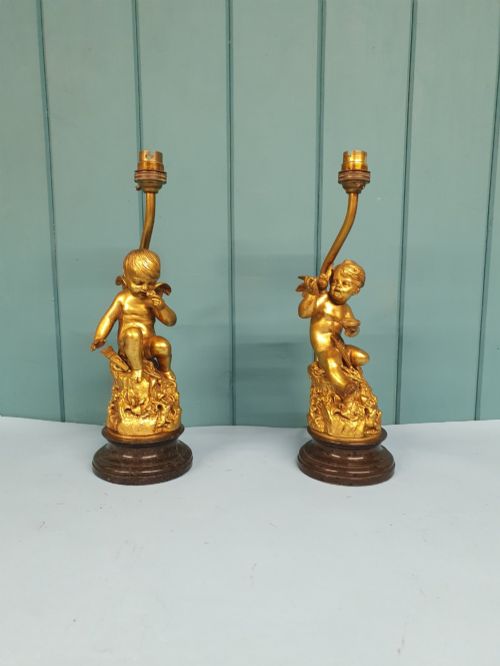
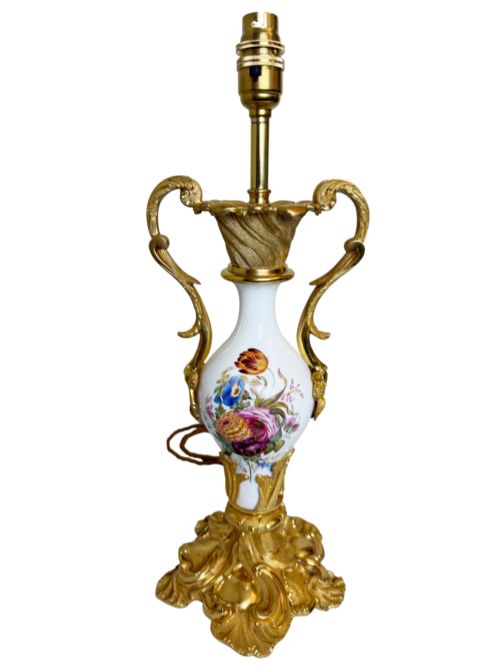
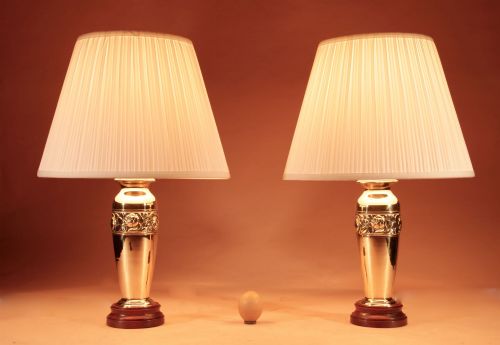
A gold brass desk lamp serves as a functional task light while incorporating decorative metals such as ormolu, gilt bronze, and gilt metal. When searching for this phrase, a buyer encounters pieces originating from the nineteenth and early twentieth centuries, spanning Victorian, Edwardian, and Art Deco styles.
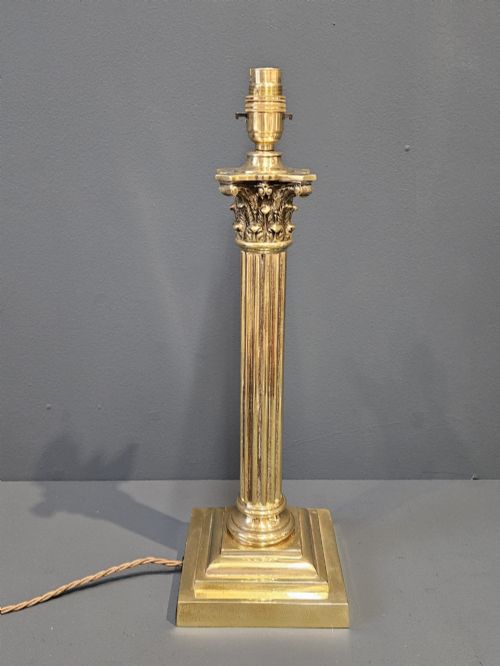
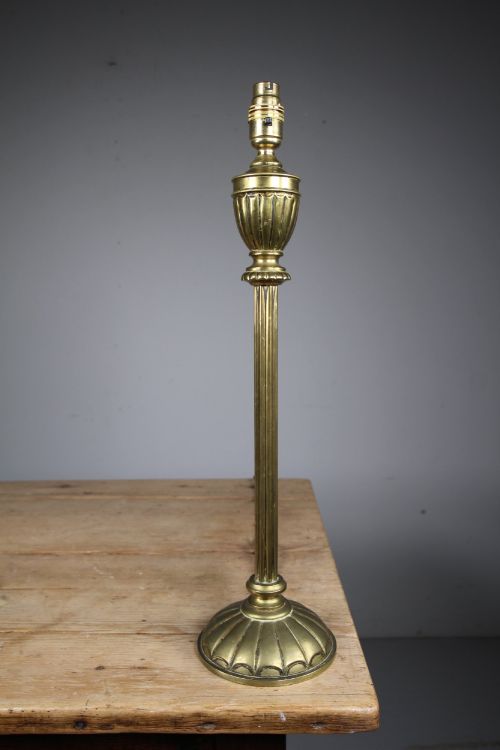
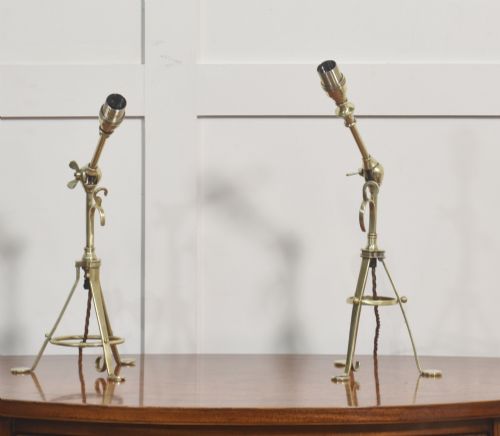
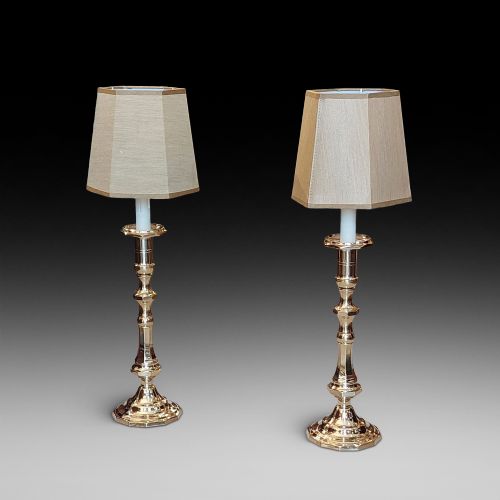
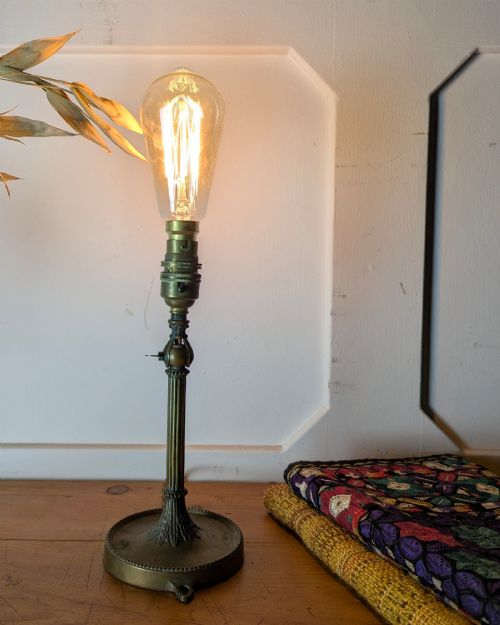
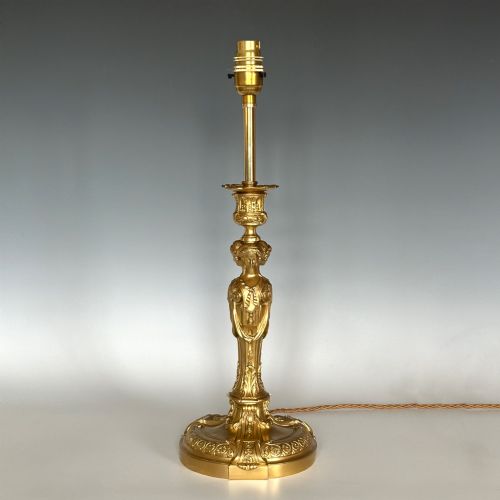
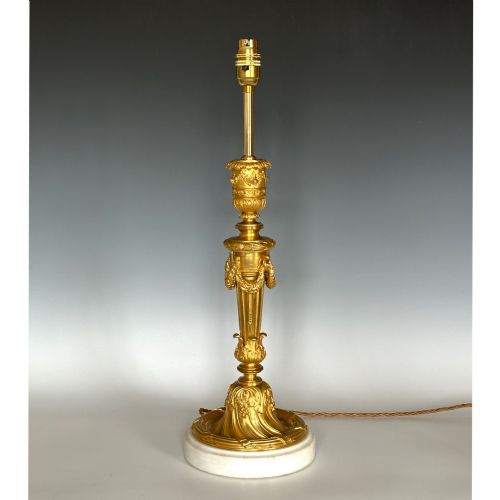
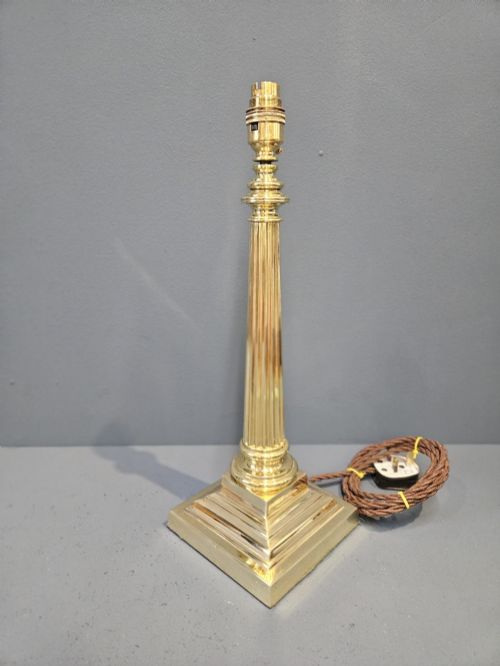
The most common forms on this page include standard table lamps, adjustable desk lamps, and converted candlesticks or oil lamps. These pieces often feature classic architectural motifs like Corinthian columns and reeded shafts alongside utilitarian flexible arms.
Materials and construction
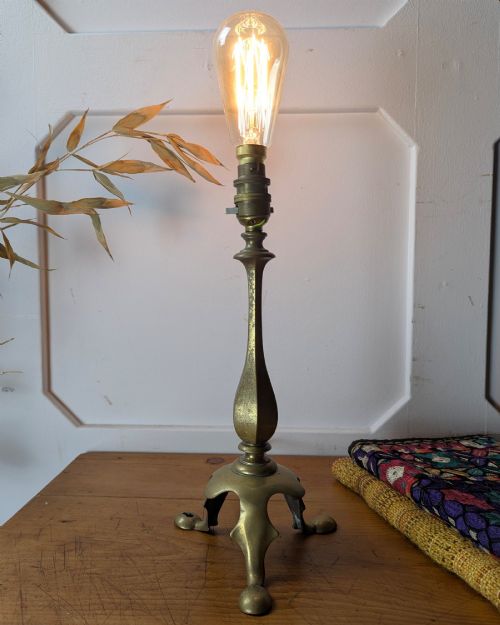
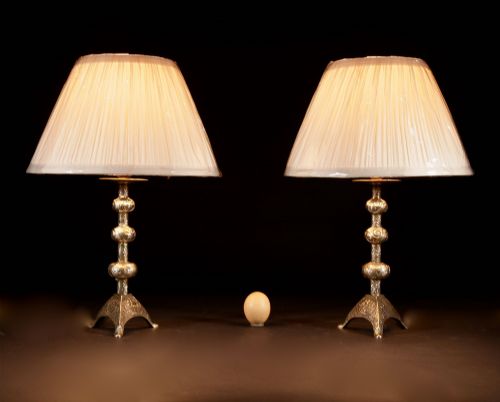
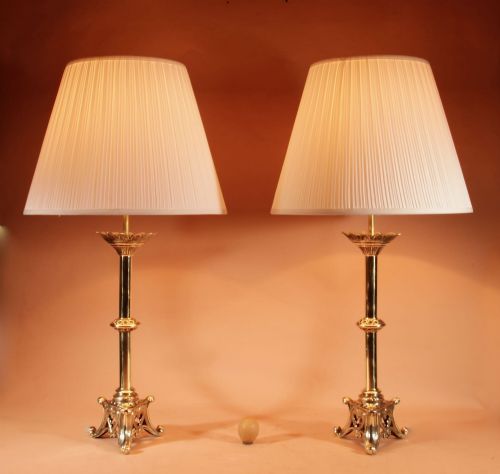
Manufacturers utilised cast brass, ormolu, and gilt bronze, often combining the metalwork with marble bases, fabric shades, and glass components. Many examples began life as candlesticks, oil lamps, or architectural fittings before undergoing conversion to electric lighting.
Casting methods produced heavy, solid forms with crisp detailing, whether in the restrained style of a reeded column or the ornate flourishes of Rococo Revival and Gothic Revival pieces.
Gold Brass Desk Lamp Retail Price Guide 2026
Typical asking prices for gold brass desk lamp among the pieces listed under this phrase on Sellingantiques today, from the lower quarter to the upper quarter. They describe what is for sale here now, not the wider market.
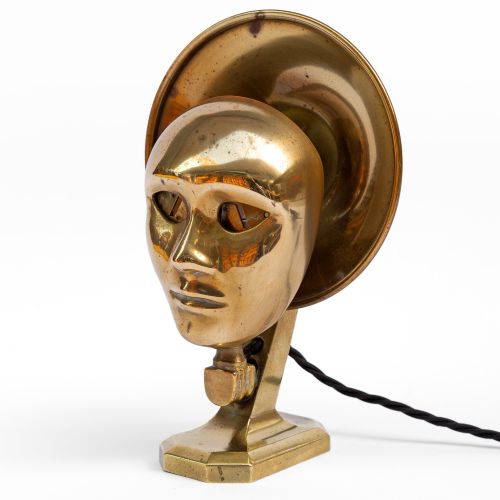
One piece takes design inspiration directly from Fritz Lang's dystopian film Metropolis.
Assessing quality and finish
The distinction between ordinary and superior pieces lies in the crispness of the casting and the depth of the original gilding or patination. Fine examples display sharp chisel work on ormolu mounts and substantial weight in the brass or bronze body.
Proportion and integrity of form separate standard workshop production from designer or maker-attributed items, where every structural element and decorative cast contributes to a unified composition.
W.A.S. Benson·L & F Moreau·Dugourc·GLC
The Gold Brass Desk Lamp Glossary
- Ormolu
- Gilded bronze, typically produced by applying a mercury-gold amalgam to cast bronze. It gives objects a warm, golden finish characteristic of French decorative arts.
- Corinthian column
- An architectural column order featuring an ornate capital decorated with acanthus leaves. It frequently forms the main shaft of nineteenth-century desk and table lamps.
- Gilt bronze
- Bronze that has been coated with a thin layer of gold leaf or gold paint. This technique enhances the decorative appeal of nineteenth-century lighting.
- Gilt metal
- Base metal treated with a gold-coloured finish to simulate solid gold or heavy gilding. It provides a bright metallic appearance at a lighter weight.
- Reeded column
- A column shaft decorated with parallel convex mouldings running vertically. This classical detail appears frequently on Victorian and Edwardian brass lamp bases.
Gold Brass Desk Lamp: Frequently Asked Questions
How do I date a brass lamp?
Dating relies on stylistic clues, manufacturing techniques, and material combinations seen in the piece. Victorian and Edwardian examples often display distinct casting methods and period motifs like reeded columns.
Examining the wiring entry points, switch types, and base construction helps narrow down the production decade between the nineteenth and mid-twentieth centuries.
Are these lamps converted from candlesticks?
Many period table lamps started life as oil lamps, candlesticks, or wall lights before receiving electrical wiring. Conversions are a normal part of repurposing antique metalwork for modern use.
Evidence of adaptation often appears near the base or wick holder where electrical cords enter the historical structure.
What is the difference between brass and ormolu?
Brass is an alloy of copper and zinc, while ormolu specifically denotes gilded bronze created through historical mercury-gilding techniques. Ormolu typically exhibits a richer, deeper golden lustre than standard brass.
Both materials appear frequently across nineteenth-century decorative lighting and desk accessories.
How do I clean antique brass?
Maintaining antique brass requires gentle dusting and minimal interference with the accumulated historical patination. Aggressive chemical cleaning strips away the aged surfaces that collectors value.
A soft, dry cloth is usually sufficient for routine maintenance of gilt and polished metal surfaces.