


Glazed Vitrine Cabinet
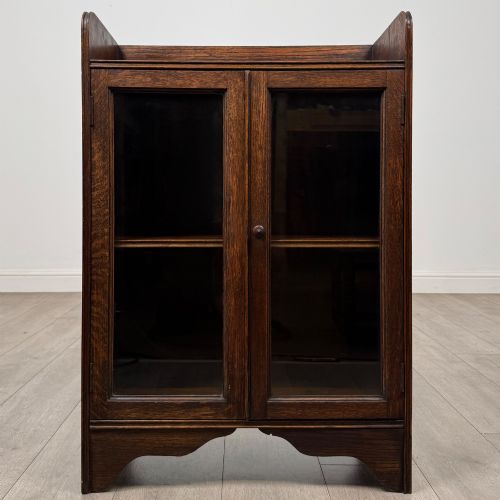
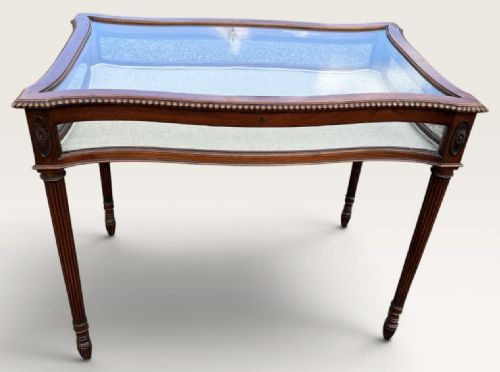
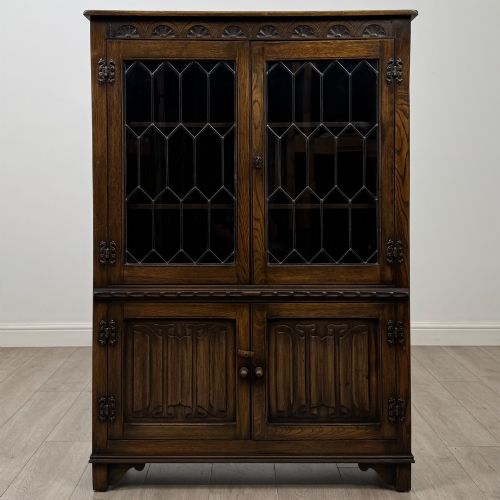
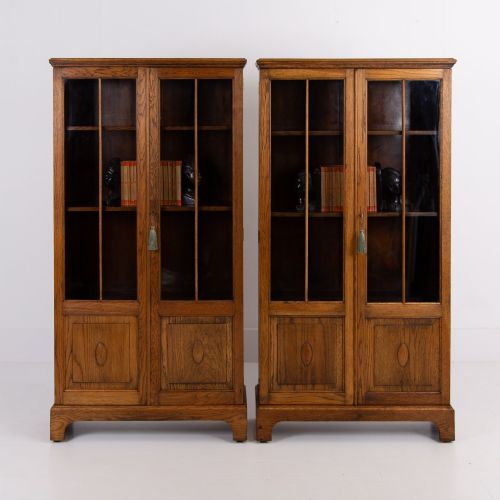
A glazed vitrine cabinet protects treasured collections behind glass panels while offering clear views from every angle.
Identifying a glazed vitrine cabinet
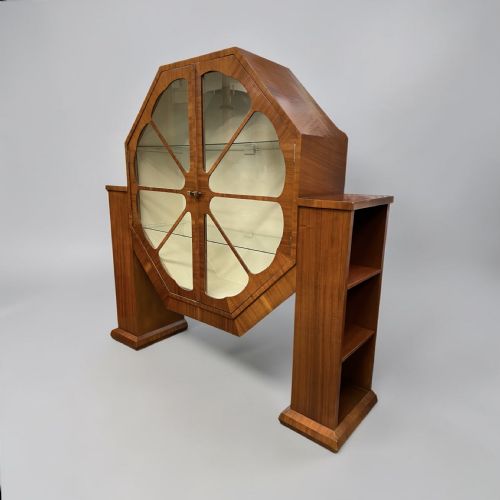
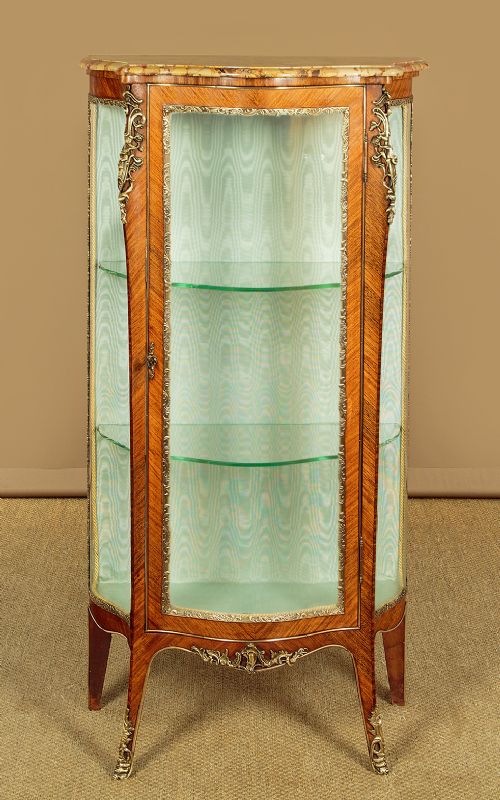
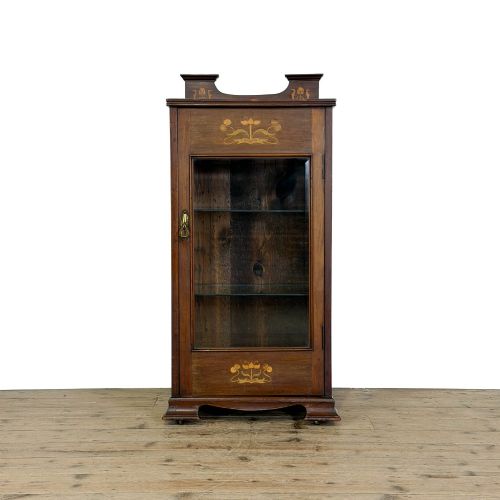
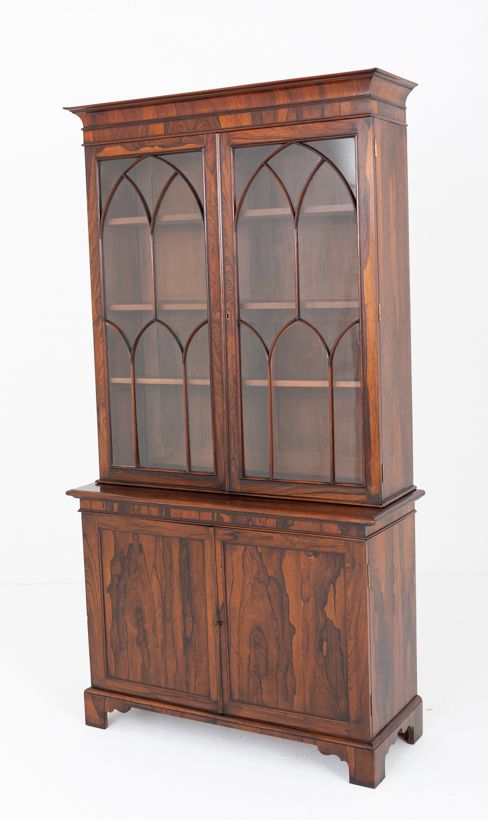
A glazed vitrine cabinet provides enclosed shelving specifically designed for the display of curiosities, porcelain and fine objects. When searching for a glazed vitrine cabinet, buyers encounter diverse forms ranging from Edwardian side pieces to 1920s Art Deco creations.
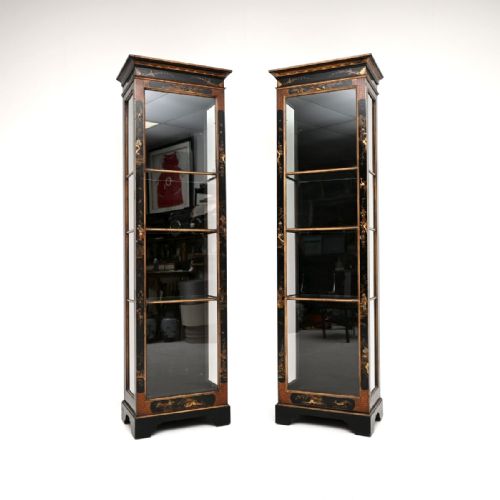
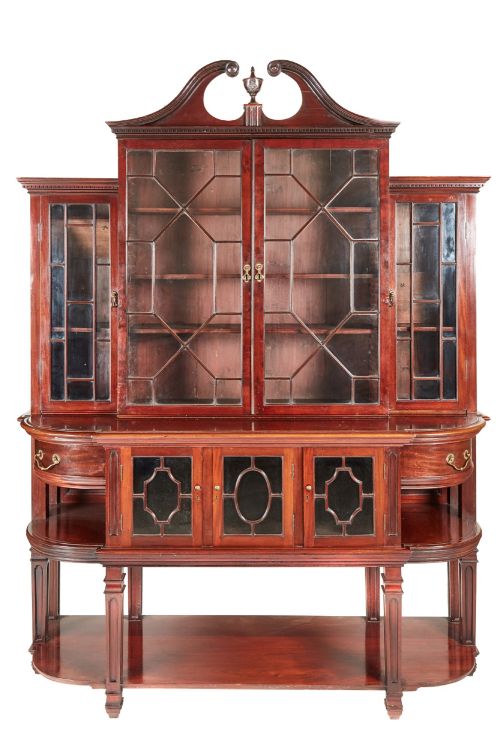
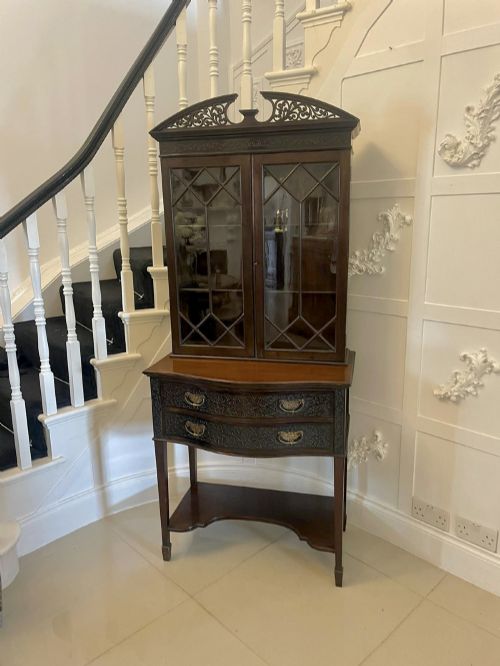
The pieces appearing in these records span the nineteenth century, the Edwardian era, and the 1920s. Common formats include tall display cabinets, side cabinets, bookcase variants and bow-fronted designs.
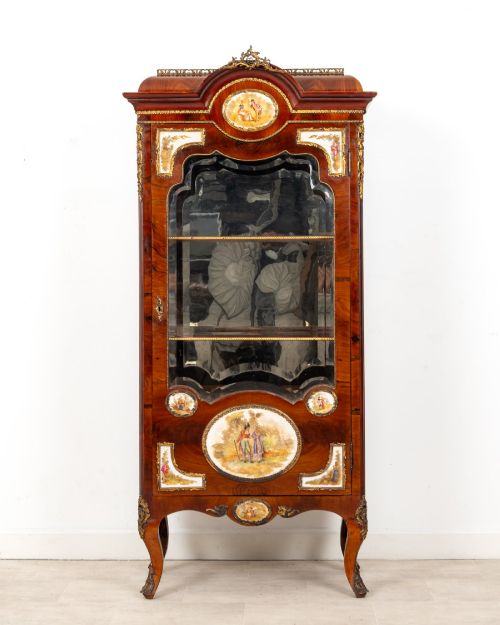
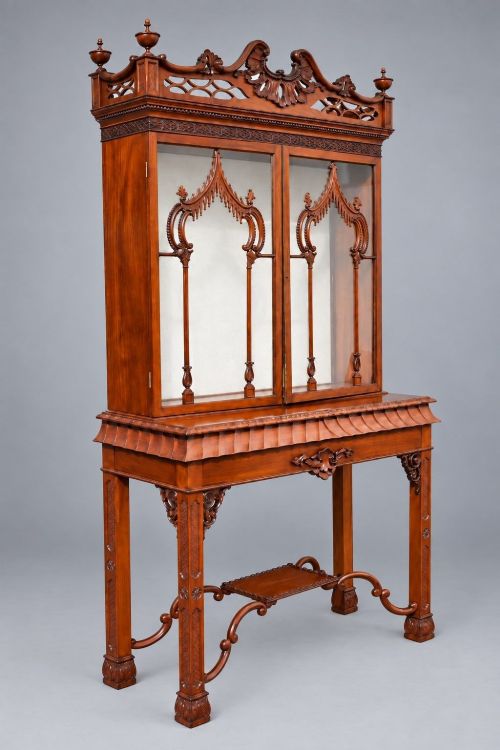
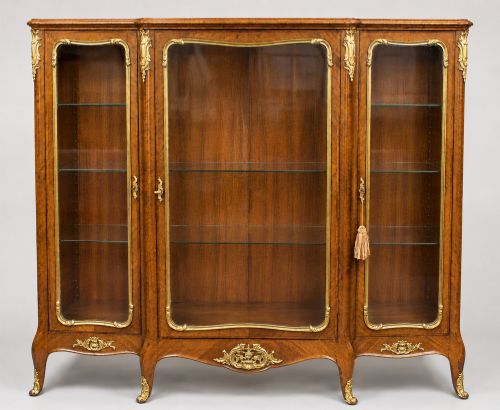
Origin styles vary noticeably across the inventory, encompassing Dutch traditional work, Chippendale and Louis XV revivals, alongside Egyptian revival aesthetics. Walnut, mahogany, satinwood and ebonised timber form the structural foundations of these cabinets.
Construction and materials
Makers utilised dense hardwoods such as mahogany and walnut for the primary frames, frequently incorporating satinwood for contrasting inlay work. Ebonised wood appears alongside brass mounts and gilt metal details to provide decorative emphasis.
Large glass panes are fitted into doors and side panels to maximise light entry, supported internally by adjustable wooden or glass shelving. Fine stringing, marquetry and parquetry embellish the exterior surfaces of Edwardian and revival examples.
Retail Price Guide 2026
Typical UK retail prices for glazed vitrine cabinet, calculated from the Sellingantiques database of over a million retail prices indexed since 2003. This retail price guide relies exclusively on Sellingantiques data; no external sources or auction records are used, so the figures do not describe the wider market.
The inventory combines Edwardian satinwood pieces with 1920s Art Deco designs and nineteenth-century walnut formats.
Assessing craftsmanship and finish
Quality reveals itself in the crispness of the timber inlay, the precision of the mitre joints, and the weight of the brass or gilt metal mounts. Superior pieces display harmonious proportions and carefully selected veneer grains that match symmetrically across the cabinet front.
The integration of the glazed panels into the wooden framework demonstrates the maker's skill, with tighter tolerances separating fine workshop production from simpler commercial output. Original hardware, intact glass and well-fitted doors elevate the standing of any cabinet.
Shapland and Petter
The Glazed Vitrine Cabinet Glossary
- Vitrine
- A glass-fronted display cabinet used for showcasing fine ornaments and small collections. The term derives from the French word for glass.
- Inlay
- A decorative technique where contrasting woods or metals are inserted into recessions carved into the primary wood surface. Satinwood frequently serves this purpose in Edwardian pieces.
- Ebonised
- Wood treated with a dark finish to imitate expensive ebony. This process appears frequently on nineteenth-century pier cabinets.
- Bow front
- A convex, curved cabinet front that projects outward in a smooth arc. This shape enhances interior viewing angles.
- Marquetry
- Elaborate veneer patterns arranged to form pictorial or geometric designs on furniture surfaces. It requires considerable skill to execute cleanly.
Frequently Asked Questions
What is a glazed vitrine cabinet?
A glazed vitrine cabinet is a specialised piece of furniture featuring glass doors and panels designed to display and protect delicate ornaments, books, or collections.
These cabinets typically stand in reception rooms or drawing rooms where owners wish to exhibit valued possessions while keeping dust away.
How do I date a glazed cabinet?
Dating relies on examining the timber species, construction methods, decorative styles, and hardware types present on the piece. Edwardian cabinets often show satinwood inlay, while 1920s examples may exhibit geometric Art Deco motifs.
Comparing the stylistic markers against known historical periods helps narrow down the decade of manufacture.
Where should I place my cabinet?
Position the cabinet away from direct sunlight to prevent the timber finishes from fading and to protect sensitive items stored inside. Interior lighting or natural room light helps illuminate the displayed contents effectively.
Ensure the floor surface is level so the glazed doors hang true and open smoothly.
Are the shelves adjustable?
Many cabinets feature adjustable shelving systems, allowing owners to alter vertical spacing for different sizes of porcelain or objects. Traditional track systems or movable shelf supports achieve this flexibility.
Checking the interior setup confirms whether the height arrangements can be modified.