


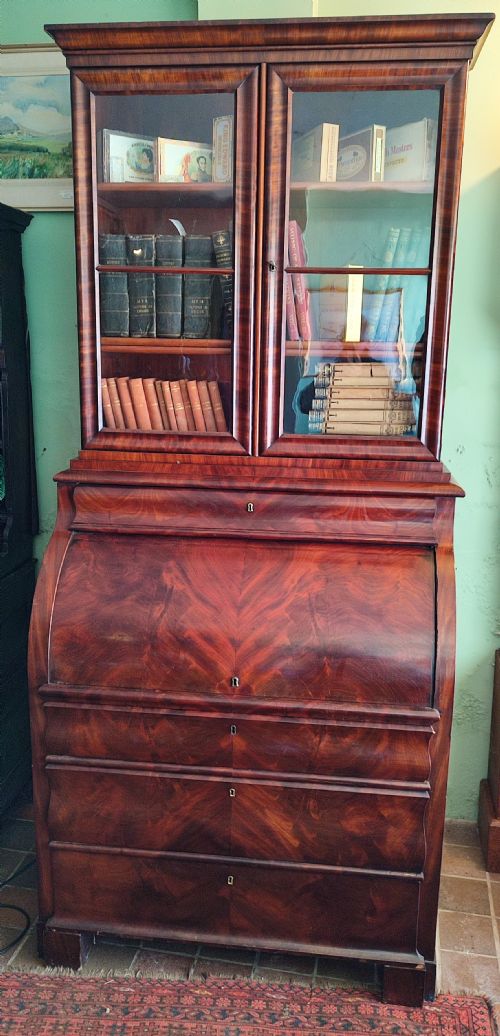


Glazed Top Writing Desk
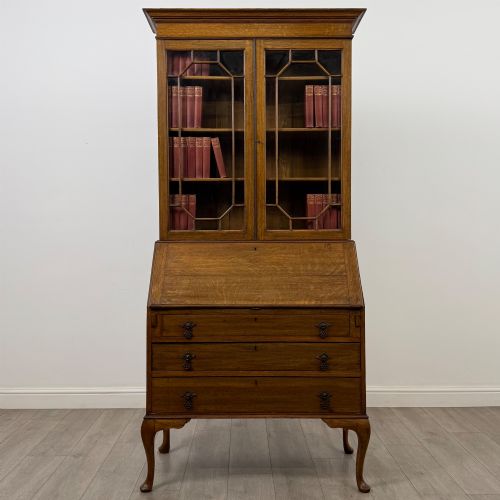
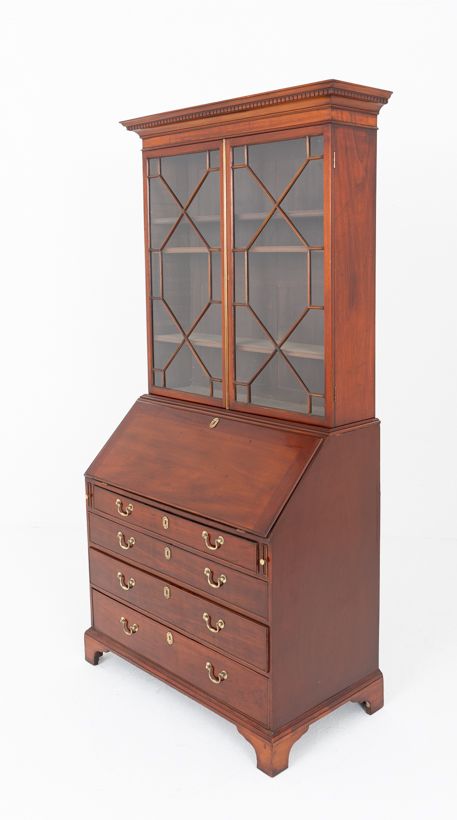
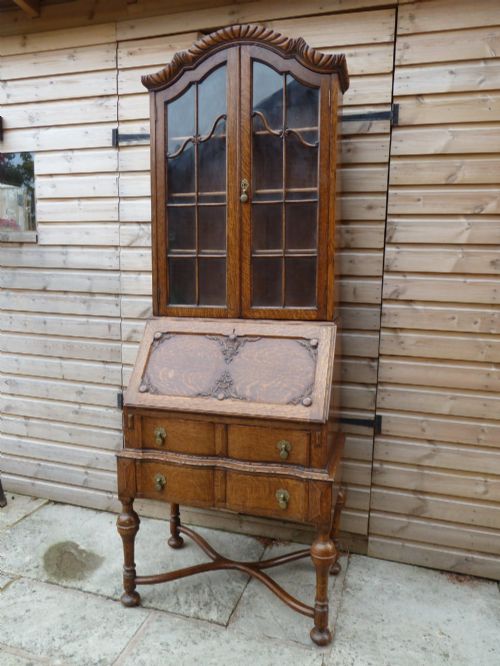
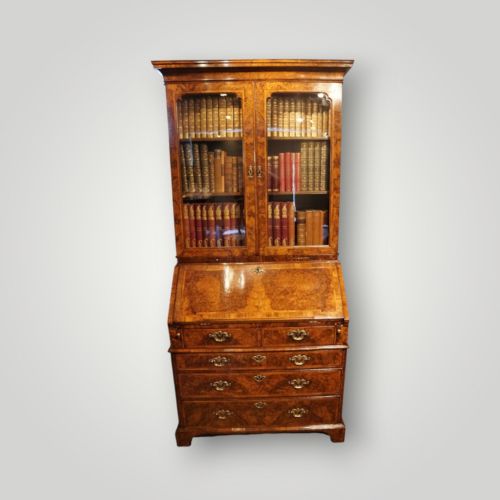
A glazed top writing desk combines a fitted writing surface with a glazed upper bookcase cabinet, originating across the Georgian, Regency, and Edwardian periods.
Glazed Top Writing Desk
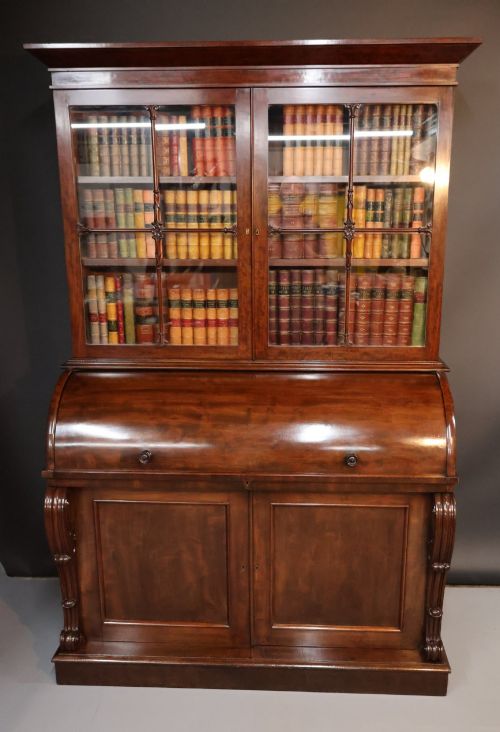
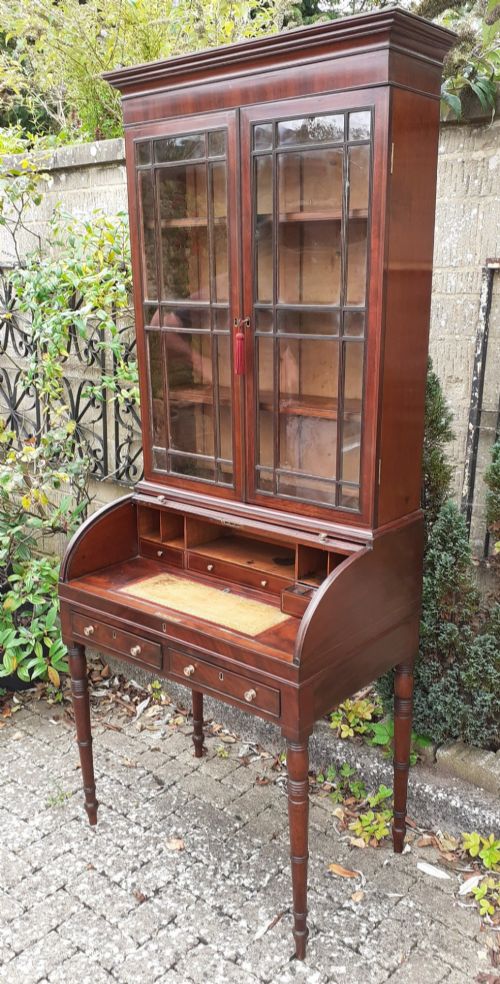
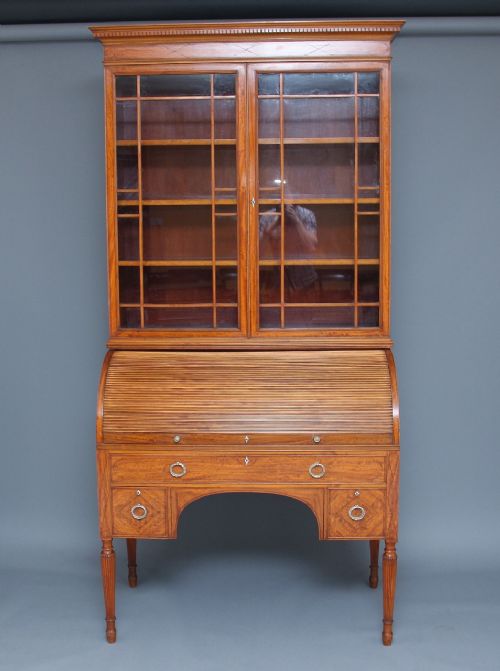
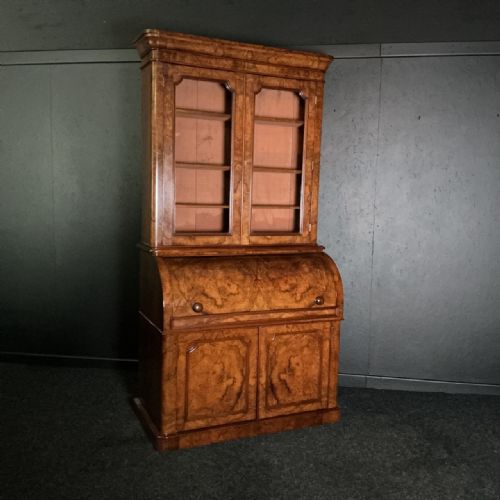
A glazed top writing desk typically takes the form of a bureau bookcase, secretaire cabinet, or cylinder desk fitted with glass doors above for displaying books and papers.
The lower section provides a slant front bureau, pull out cylinder, or drop down secretaire drawer that reveals small fitted compartments and pigeonholes for writing.
Pieces span multiple centuries and stylistic revivals, appearing in forms from early walnut and mahogany Georgian examples to satinwood Edwardian and Victorian creations.
Materials and construction
Cabinetmakers utilised dense timbers including mahogany, walnut, oak, and exotic satinwood and rosewood, often enhanced with intricate marquetry inlay and brass mounts.
Upper compartments integrate transparent glass panelling within wooden framework, while writing sections frequently feature fitted leather desk inserts and hidden storage compartments.
Some clever early desks hide secret drawers behind dummy pigeonholes, waiting for owners to discover hidden spring catches.
Factors of quality
Superior examples display careful timber selection, such as figured mahogany or burr walnut veneers matched symmetrically across the fall front and drawer faces.
Internal joinery distinguishes finer pieces, evidenced by well constructed secret drawers, dovetailed drawer linings, and original brass hardware or candle slides.
Tudor and Burrey·Edwards and Roberts
The Glazed Top Writing Desk Glossary
- Bureau bookcase
- A dual purpose furniture form featuring a sloping writing flap or cylinder desk below an enclosed shelving cabinet with glass doors.
- Cylinder desk
- A writing table fitted with a quarter circle rolling wooden cylinder that conceals the writing surface and internal pigeonholes when closed.
- Secretaire
- A cabinet or chest incorporating a dedicated pull down writing drawer fitted with small drawers and pigeonholes.
- Bonheur du jour
- A light lady writing desk featuring a small tiered cabinet or shelving superstructure on top.
- Candle slide
- A pull out wooden board positioned beneath the main writing area designed to hold candlesticks for illumination.
Glazed Top Writing Desk: Frequently Asked Questions
How do I identify the period of a desk?
Period identification relies on observing timber choices, construction methods, and prevailing decorative styles. Earlier Georgian pieces often employ solid mahogany or walnut, whereas Edwardian variants frequently feature lighter satinwood with delicate line inlay.
Secondary woods used in drawer linings and backboards also provide clues to age. Examining the internal hardware and dovetailing helps confirm whether a piece belongs to the eighteenth, nineteenth, or early twentieth century.
What is the difference between a cylinder desk and a bureau?
A bureau typically uses an angled flap that folds down to create a sloping writing surface. This flap rests upon shaped wooden supports when open.
A cylinder desk encloses the writing area behind a curved, rolling wooden shutter that slides back into the body of the cabinet. Both forms conceal similar arrangements of small drawers and pigeonholes inside.
How were these desks used historically?
These pieces served as private workspaces for correspondence, record keeping, and reading in grand homes. The upper glazed cabinet allowed owners to display leather bound library books and valuable papers.
Writing surfaces often included pull out leather panels and specialised compartments for inkwells, quays, and sealing wax. Candle slides provided illumination during evening writing tasks before the introduction of electric lighting.
Where should I place a glazed top desk in a room?
These tall combination cabinets require adequate wall space and stable flooring away from direct sunlight or heavy moisture sources. Because they combine a bookcase and a desk, they anchor a study, library, or drawing room effectively.
Ensuring sufficient clearance in front of the piece allows the writing flap or cylinder top to open fully without obstruction.