

Glazed Stacking Cabinet
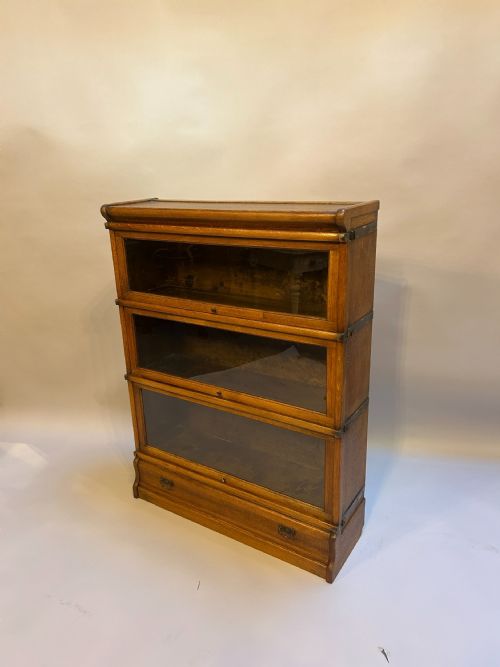
A glazed stacking cabinet offers modular storage with individual glass doors lifting to reveal rows of books or display items.
Glazed Stacking Cabinet
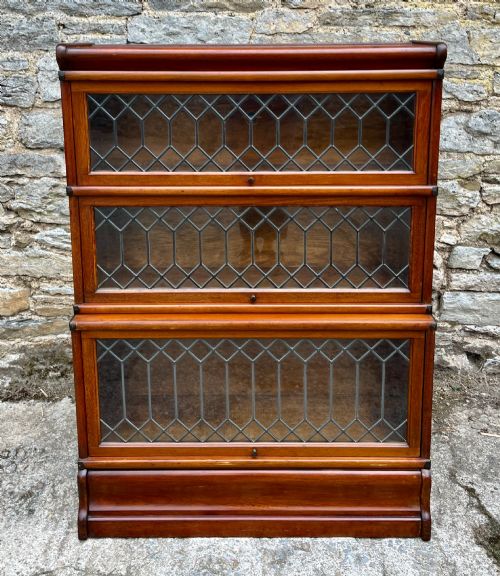
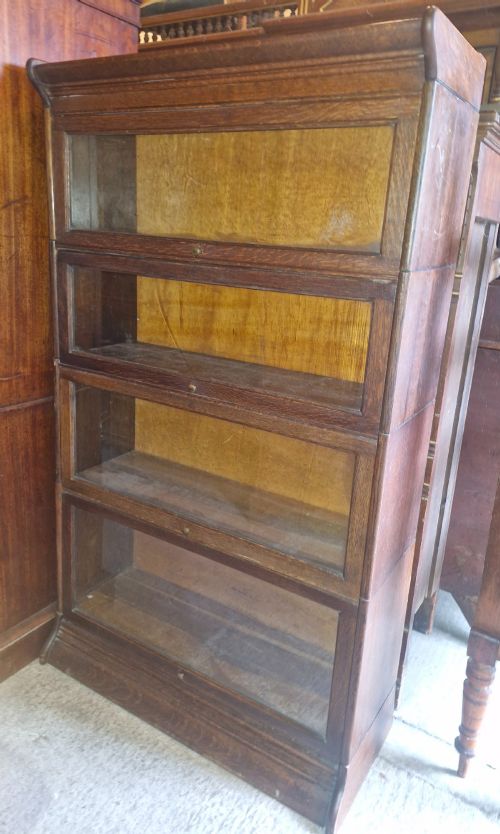
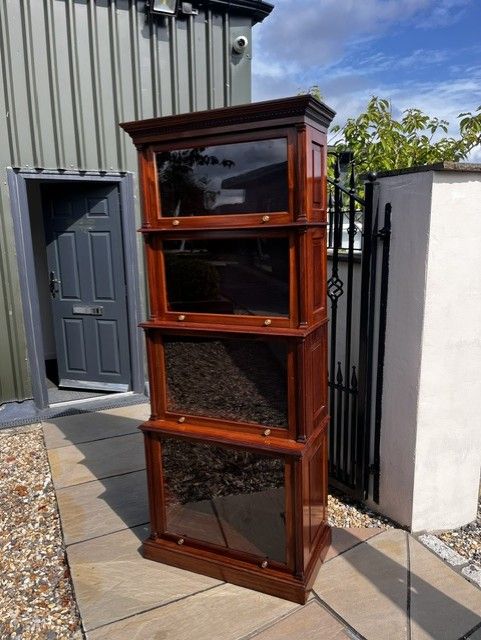
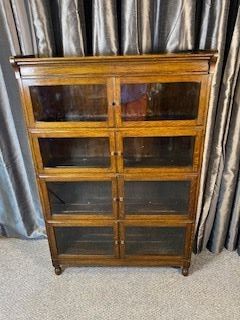
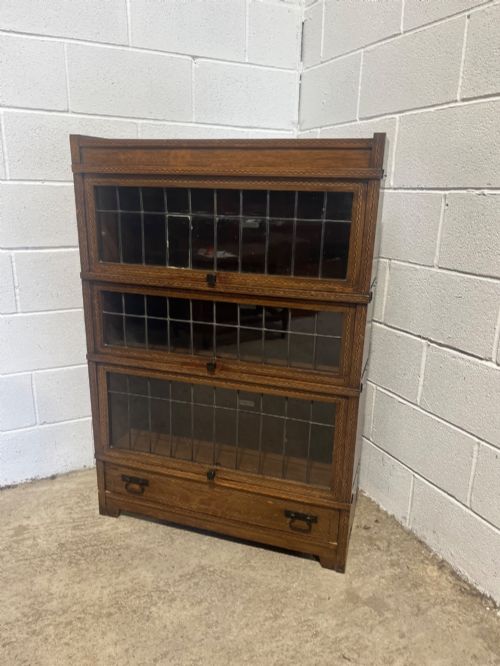
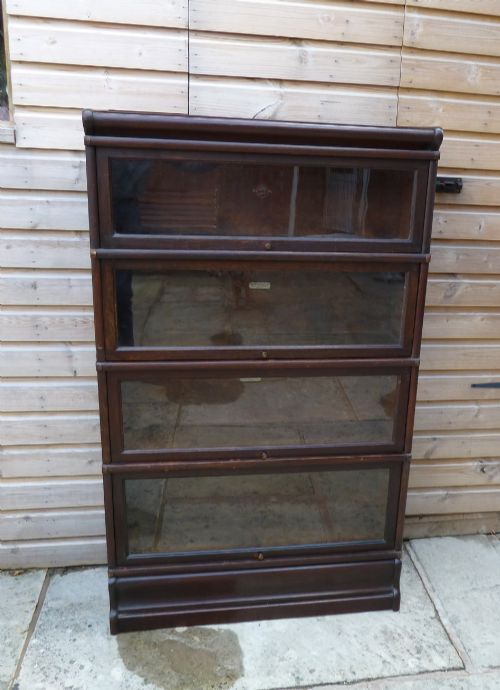
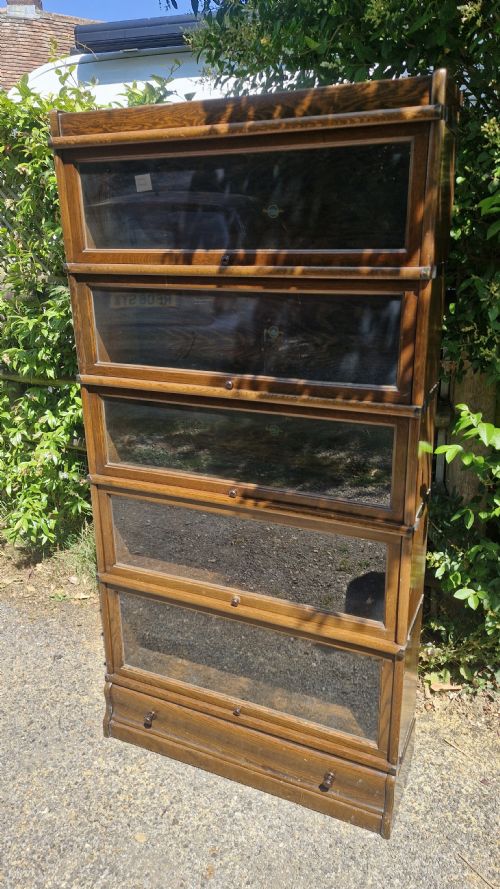
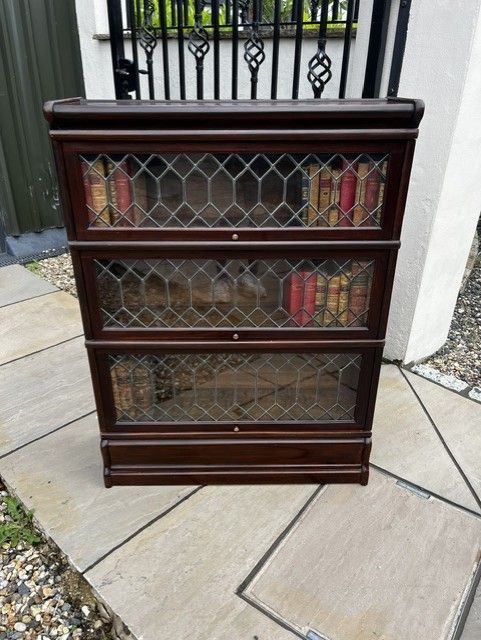
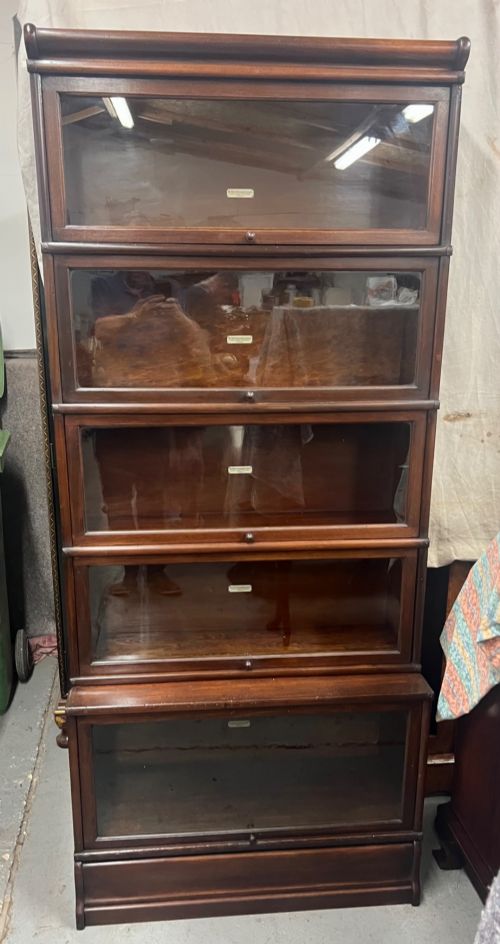
A glazed stacking cabinet is a sectional bookcase composed of modular tiers stacked vertically, allowing owners to expand their shelving as collections grow. These pieces emerge predominantly from the Edwardian era through the 1930s, spanning styles from Arts and Crafts to Art Deco.
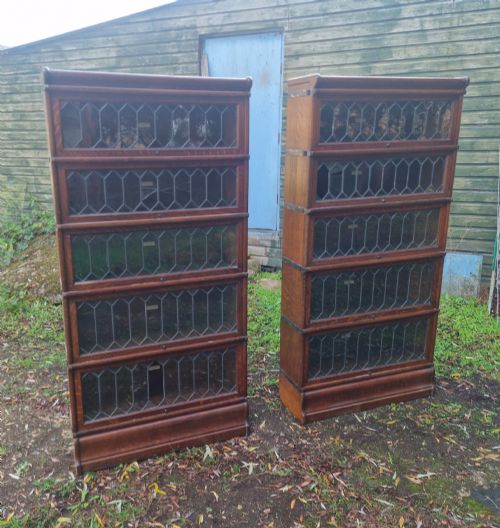
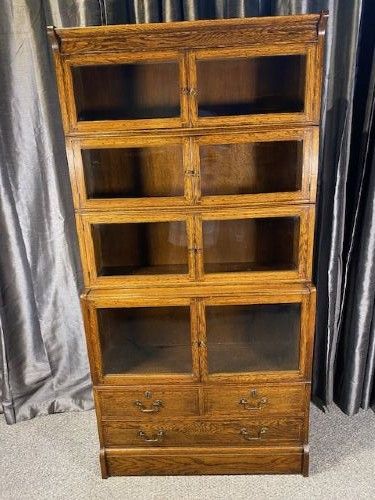
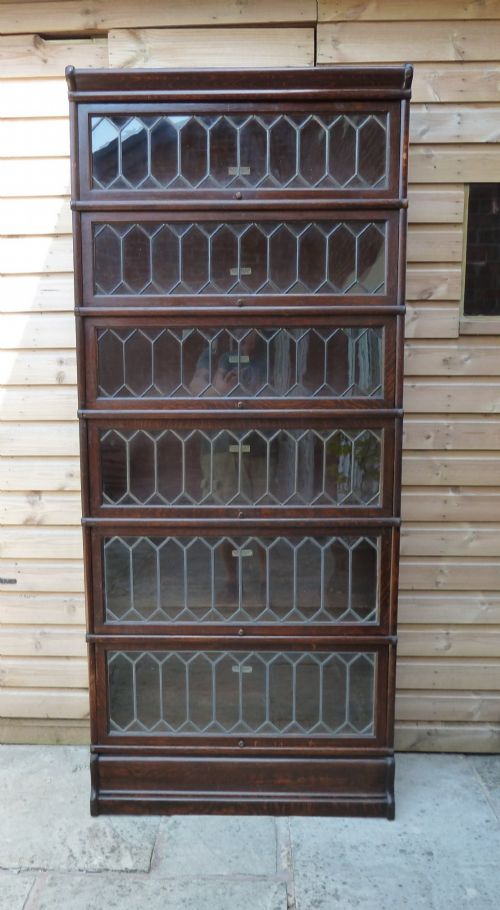
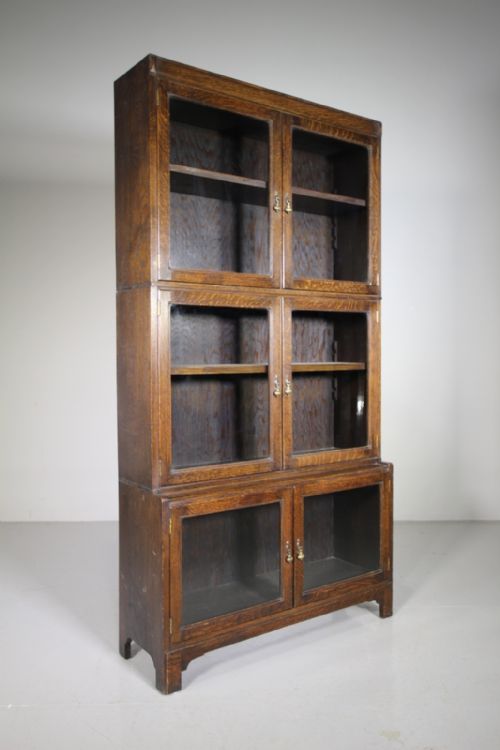
The form appears frequently as oak or mahogany barrister bookcases with glass fronts designed to protect volumes from dust. Common variations include taller four-tier and five-tier configurations alongside narrower office setups and pairs.
What varies in quality
Quality rests on the selection of timber, such as figured mahogany or golden oak, and the integrity of the modular stacking mechanisms. Finer examples display precise cabinetmaking in the sliding door hardware and balanced proportions across multiple tiers.
Makers and brands influence standing, with recognised names like Globe Wernicke, Minty, Lebus, Gunn, and Heal's demonstrating particular competence in sectional design and period styling.
Early barristers kept these cabinets fully loaded with heavy legal tomes while moving offices, trusting the sliding glass doors to stay shut during transit.
Globe Wernicke·Minty·Lebus·Gunn·Heal's·AMYL
The Glazed Stacking Cabinet Glossary
- Sectional bookcase
- A modular piece of furniture built from individual stacking tiers that lock or rest one upon another. Each level functions as a separate enclosure with its own glazed door.
- Barrister bookcase
- A specific form of stacking cabinet traditionally used by lawyers to transport and house law libraries. The glass doors lift and slide inward above the books.
- Leaded glass
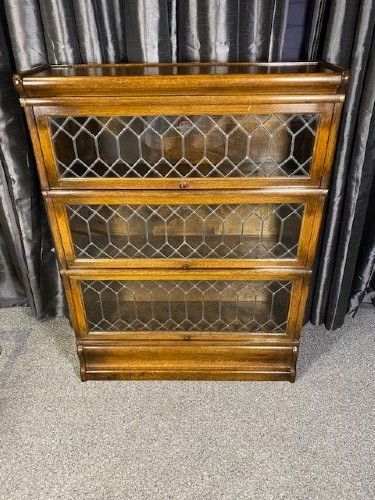
- Glass panes held together by narrow strips of lead came to form geometric patterns. This technique appears frequently on Edwardian and Arts and Crafts examples.
- Tier
- An individual modular section of a stacking cabinet. Tiers can be added or removed to alter the overall height of the furniture.
Glazed Stacking Cabinet: Frequently Asked Questions
What is a glazed stacking cabinet used for?
These cabinets serve primarily to store and display books while protecting them from dust and damage behind individual glass doors. Their modular design makes them adaptable for studies, living rooms, and offices.
Collectors also utilise them to display ceramics, glassware, and small collections where visibility and dust protection matter equally.
How do the doors on a stacking bookcase work?
Each tier possesses its own glazed door attached to a pivoting metal mechanism that allows the glass panel to lift upward and slide flat into the cabinet above the books.
This ingenious action lets users open a single shelf without disturbing the tiers above or below it.
Can stacking cabinets be separated into individual tiers?
Yes, the defining characteristic of these units is their modular construction, meaning the top cornice, individual bookcase sections, and base plinth all separate easily.
This separation allows for simpler transport and the flexibility to reconfigure the height of the cabinet by adding or removing tiers.
How do I identify an Edwardian stacking cabinet?
Edwardian examples typically feature solid oak or mahogany construction, often displaying Arts and Crafts influences or traditional detailing such as panelled sides and brass pulls.
Makers from this period frequently incorporated leaded glass panels into the doors of their sectional bookcases.