



Glazed Porcelain Animal Figure
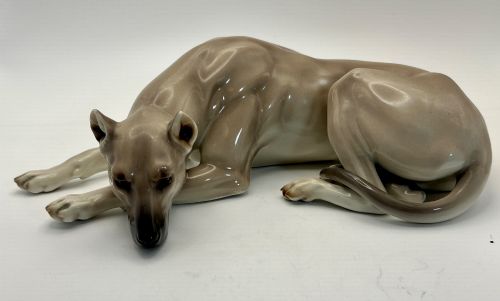
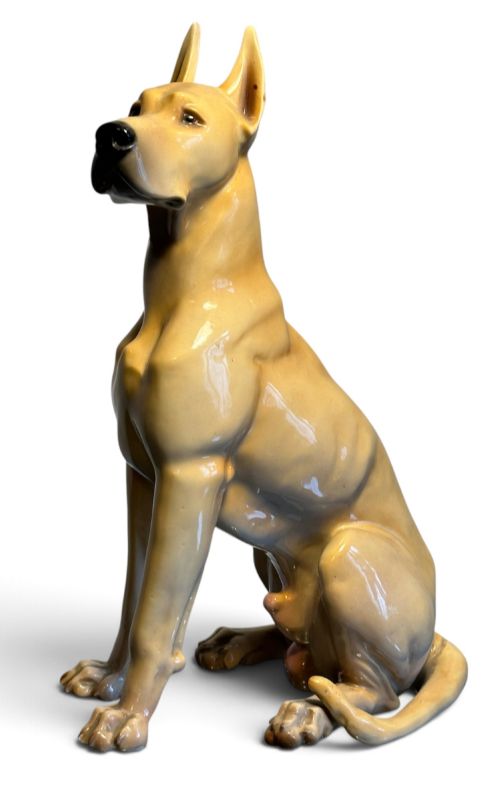
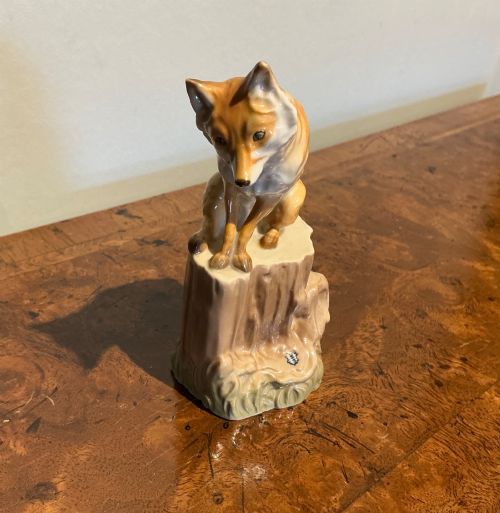
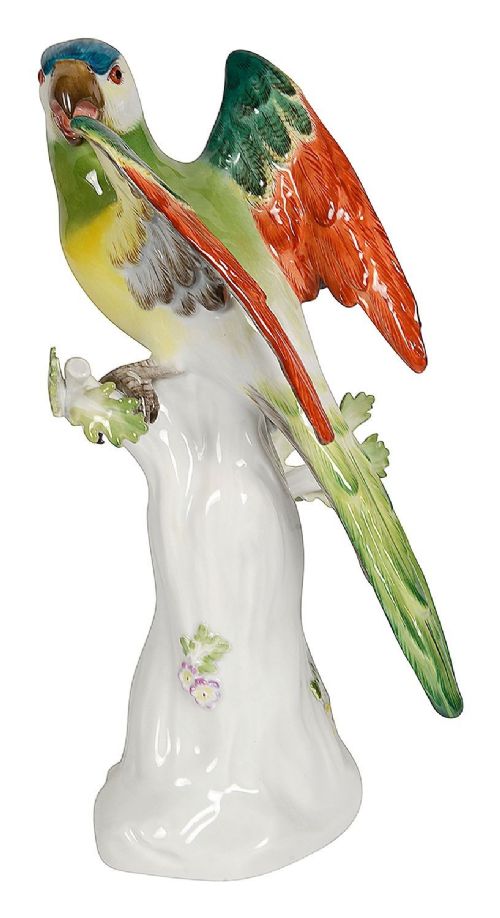
These glazed porcelain animal figure examples span centuries of modelling, bringing domestic pets and exotic beasts into the drawing room.
Glazed Porcelain Animal Figure
A glazed porcelain animal figure represents living creatures in hard-paste porcelain, earthenware, and ceramic, taking the form of hounds, birds, and farm animals. When searching for a glazed porcelain animal figure, buyers encounter everything from large European factory groups to small Chinese vessels.
The selection here ranges widely across periods, including Victorian Staffordshire pottery pieces, Qing Dynasty Chinese ducks and goats, and German factory figures from the nineteenth and twentieth centuries. Forms vary from simple tabletop ornaments and spill vases to functional table lamps and pairs of figures.
European examples lean towards realistic dog breeds like Great Danes, greyhounds, and spitz dogs, whilst Asian works feature cockerels, tigers, and ducks in distinct monochrome and sancai glazes. Each piece captures a specific posture, whether a dog lies down, sits upright, or a cockerel stands alert.
How they were made
Potters shaped these animals using moulds or by hand-modelling soft clay bodies before firing them at high temperatures to achieve a hard ceramic or porcelain structure. The body determines the density and resonance of the piece, distinguishing true hard-paste porcelain from earthenware and pottery bodies.
Coloured and clear ceramic glazes were applied over the fired body, sometimes running thickly into crevices or pooling on bases to create rich surface textures. Sancai glazes, turquoise washes, and glossy polychrome enamels provided the colour scheme before a final kiln vitrification fixed the finish.
Glazed Porcelain Animal Figure Retail Price Guide 2026
Typical asking prices for glazed porcelain animal figure among the pieces listed under this phrase on Sellingantiques today, from the lower quarter to the upper quarter. They describe what is for sale here now, not the wider market.
Listings include items from the nineteenth century alongside pieces dated across the nineteen-tens, twenties, and thirties.
What varies in quality
Anatomy and proportion separate superior modelling from stiff or generic execution, with top-tier pieces capturing the exact musculature and tension of living animals. The crispness of the moulding determines whether fine details like feathers, fur, and facial expressions remain sharp beneath the glaze.
The application and control of the glaze dictate the visual depth of the surface, where pooling colours and smooth, unblemished finishes indicate higher workshop standards. Early factory marks and precise historical styling further distinguish standard commercial output from distinguished manufactory productions.
Nymphenburg Porcelain·Meissen·Rosenthal·Royal Dux
The Glazed Porcelain Animal Figure Glossary
- Hard-Paste Porcelain
- A dense, vitrified ceramic composition fired at very high temperatures using kaolin and petuntse. It produces a durable, bright white body that resists scratching.
- Sancai Glaze
- A traditional three-colour lead glaze palette originating in China, typically combining amber, green, and cream tones. These colours often merge and run artistically down the ceramic body during firing.
- Spill Vase
- A hollow figurine or cylindrical vessel designed to hold wooden spills for lighting candles and fires. They combine practical household utility with decorative animal sculpture.
- Qing Dynasty
- The final imperial dynasty of China, lasting from sixteen forty-four to nineteen twelve. Pieces from this era often feature distinct monochrome or turquoise glazes on porcelain and pottery.
Glazed Porcelain Animal Figure: Frequently Asked Questions
How do I clean a glazed porcelain animal figure?
Dust the surface regularly with a soft, dry brush to prevent dirt accumulation in crevices and modelled fur.
Wash gently in warm water with mild soap only when necessary, avoiding harsh abrasives that might damage old glaze.
Are these animal figures fragile?
Hard-paste porcelain and ceramic bodies are structurally durable but vulnerable to sharp impacts and drops.
Thin appendages like ears, tails, and paws require careful handling during placement and relocation.
What is the purpose of a spill vase figure?
Spill vases incorporate a hollow section alongside the animal sculpture to store thin wooden tapers.
Households used these tapers to transfer flames from the hearth to lamps and candles before matches became common.