



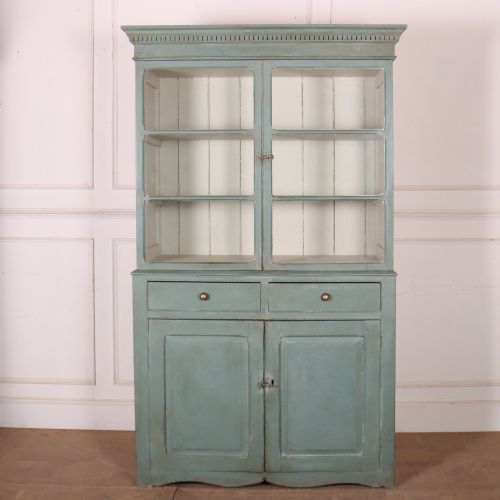
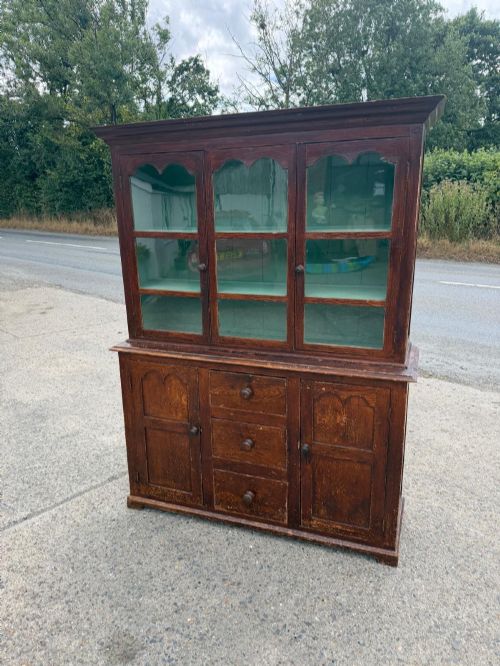
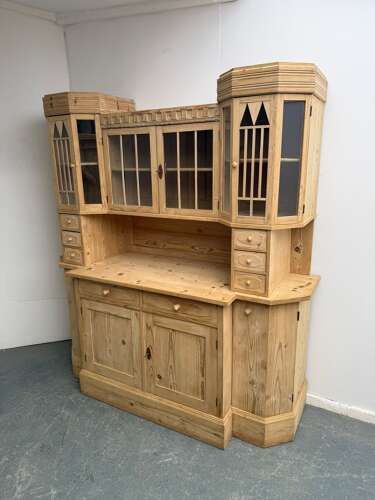
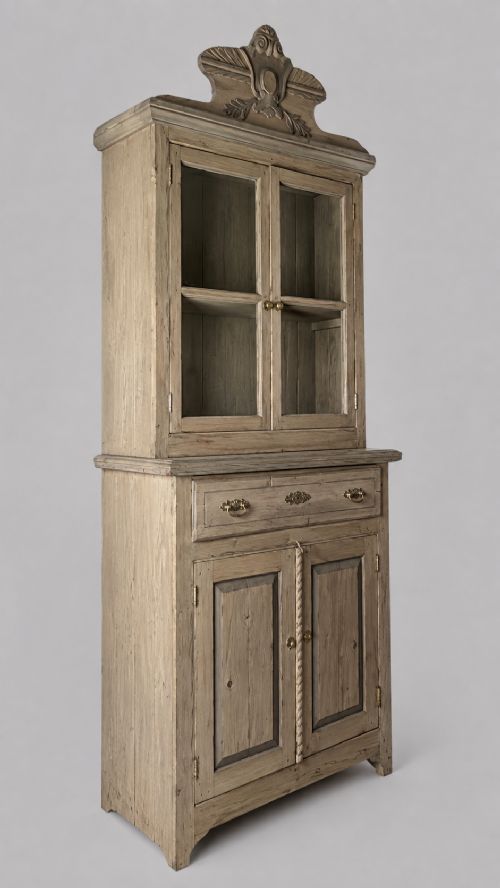
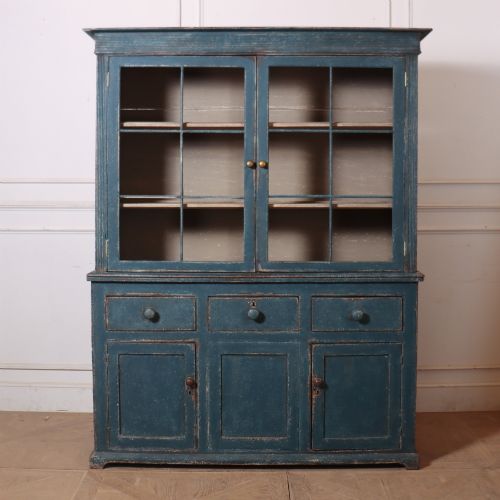
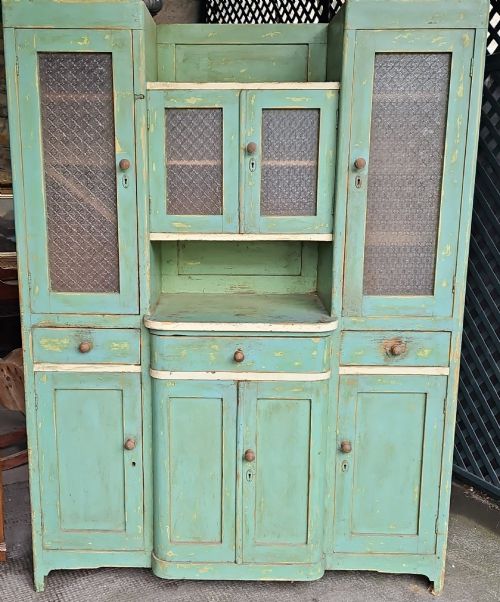
Glazed Pine Kitchen Dresser
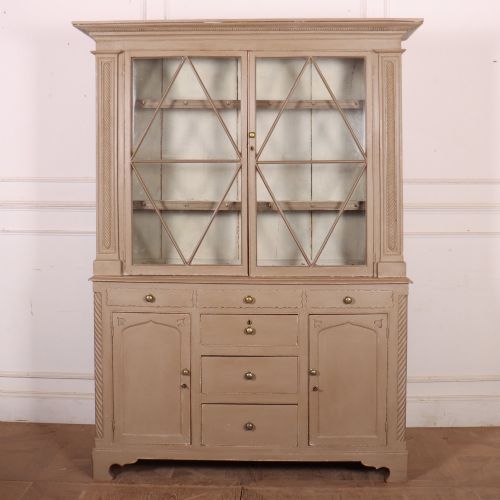
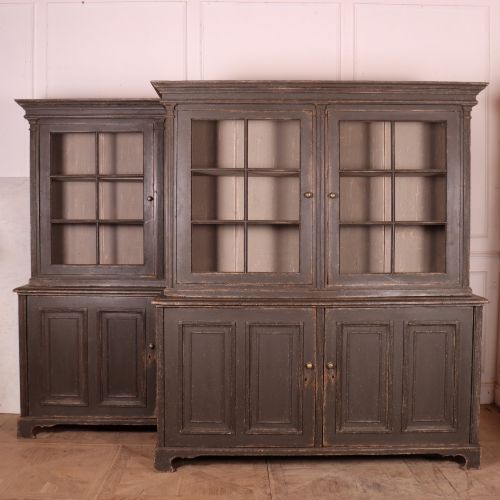
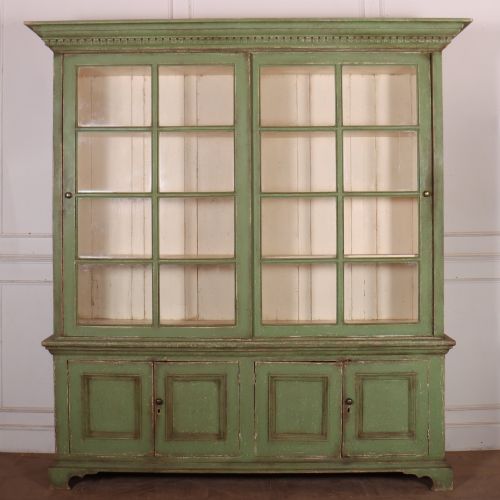
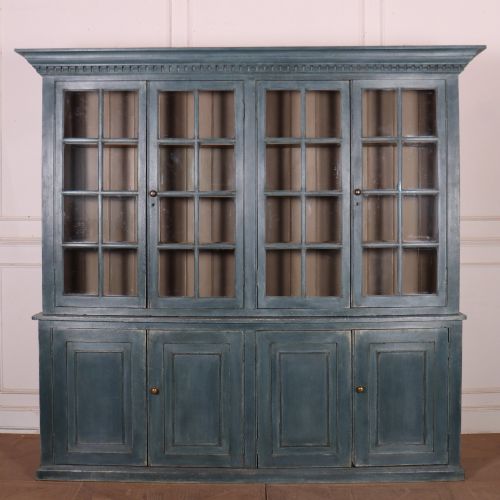
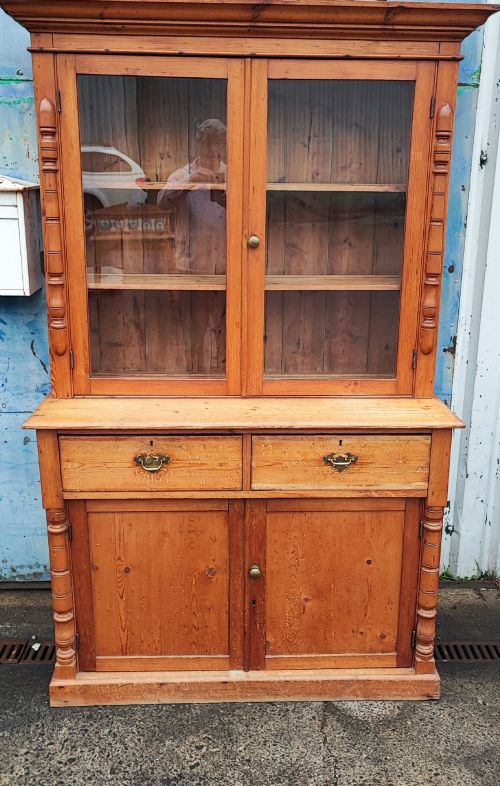
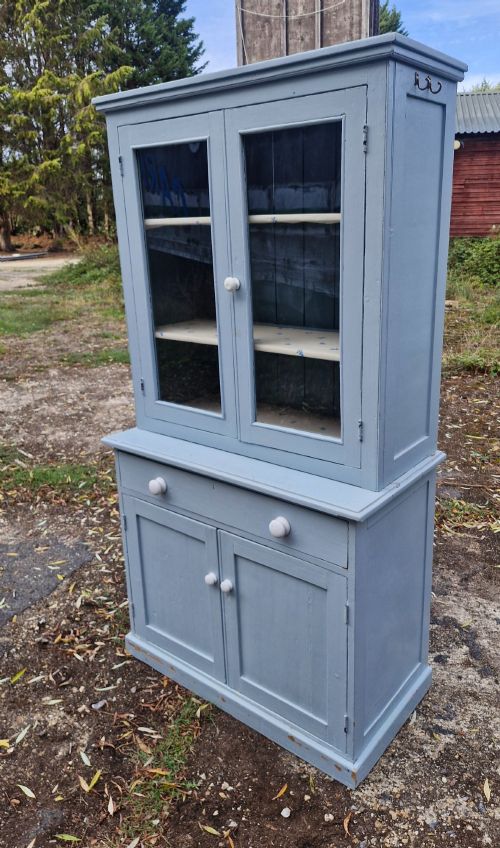
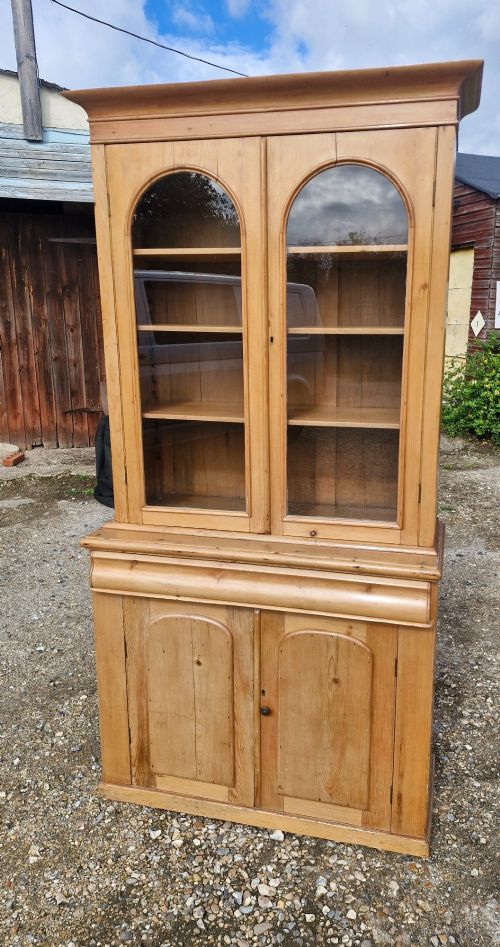
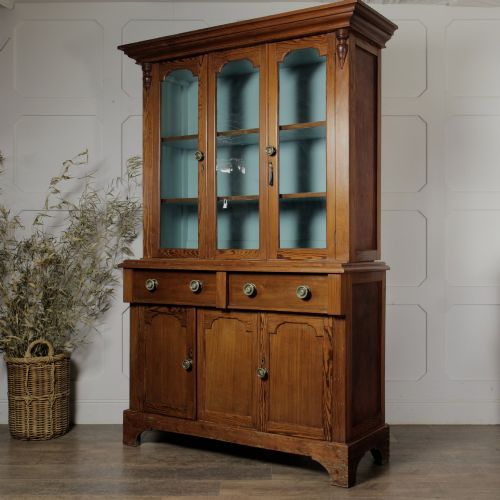
A glazed pine kitchen dresser brings honest utility and generous display space into a home, marrying practical storage with the warmth of aged timber.
Glazed Pine Kitchen Dresser
When you search for a glazed pine kitchen dresser, you encounter pieces primarily spanning the nineteenth century up to the nineteen-thirties, taking forms such as two-part cupboards, display cabinets, and tall larder units. English regional examples, particularly from the West Country and Cornwall, appear frequently alongside pieces originating from Scotland, France, Hungary, and Denmark.
How they were made
Construction relies heavily on solid pine and pitch pine, shaped into two-piece or breakfront carcasses that utilise glass for upper doors and brass or metal for hardware. Surfaces display either stripped natural timber finished with wax, or historic layers of paint, scrumbled finishes, and cream and teal schemes.
Joinery techniques reflect traditional country craftsmanship, accommodating the natural movement of softwoods through panelled doors and shelved interiors. Details such as ceramic fittings and tiled sections occasionally appear on Arts and Crafts examples, anchoring the pieces firmly in their period of production.
Glazed Pine Kitchen Dresser Retail Price Guide 2026
Typical asking prices for glazed pine kitchen dresser among the pieces listed under this phrase on Sellingantiques today, from the lower quarter to the upper quarter. They describe what is for sale here now, not the wider market.
One cheerful Hungarian survivor arrives splashed in original cream and teal paint, proving country folk loved a pop of colour just as much as we do.
What varies in quality
Quality in these pieces is dictated by the integrity of the original proportions and the character of the timber rather than mere decorative flourish. Earlier nineteenth-century examples often exhibit heavier timber scantlings and more considered regional vernacular details than later twentieth-century iterations.
The survival of original painted surfaces or untouched waxed patinas distinguishes superior items from those subjected to unsympathetic modern stripping. Proportional balance between the deeper base cabinet and the glazed upper section also determines the visual success of the piece.
The Glazed Pine Kitchen Dresser Glossary
- Pitch pine
- A dense, resinous softwood variant utilised for durability in demanding nineteenth-century furniture. It offers a distinctive dark grain pattern when waxed.
- Scrumbled
- A decorative paint technique involving translucent glazes dragged or stippled over a lighter base colour to simulate richer wood grains. This finish appears on period country furniture.
- Breakfront
- A cabinet design where the central section projects forward from the flanking wings. This architectural form adds depth and shadow to larger kitchen dressers.
- Cornish dresser
- A regional vernacular furniture form associated with the West Country of England. These pieces typically combine robust pine construction with specific proportions suited to rural domestic life.
Glazed Pine Kitchen Dresser: Frequently Asked Questions
What is a glazed pine kitchen dresser?
A glazed pine kitchen dresser is a large storage and display unit made primarily of pine, featuring glass-fronted upper cabinets for crockery and a lower section with cupboards or drawers for provisions.
These pieces originate largely from the nineteenth and early twentieth centuries, reflecting regional English, Scottish, and continental European country traditions.
How were these dressers used historically?
Historically, these items anchored the working kitchen or pantry as primary storage for tableware, dry goods, and household linens.
The upper glazed shelves kept everyday ceramics clean and visible, while the lower enclosed sections concealed bulkier pots and kitchen equipment.
How do I care for antique pine furniture?
Antique pine responds best to stable indoor humidity and gentle cleaning with a soft, dry cloth to protect the wax or painted surface.
Avoid placing these pieces near direct heat sources or strong sunlight, which can dry out the softwood and cause timber movement.
How can I tell the age of a pine dresser?
Dating relies on examining construction methods, timber selection, hardware, and surface treatments such as original paint or early wax patination.
Nineteenth-century examples frequently display hand-cut joinery and dense grain patterns, whereas Edwardian and later pieces often show standardised manufacturing traits.