
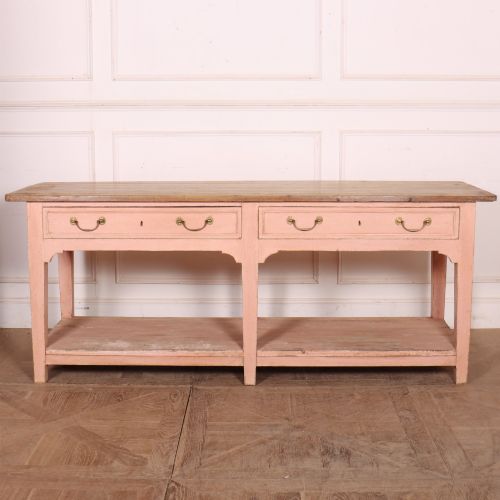
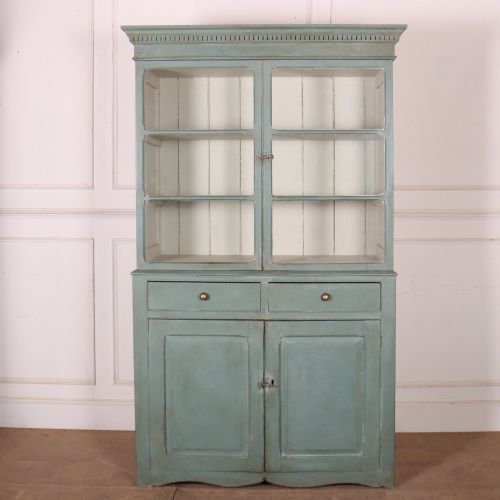
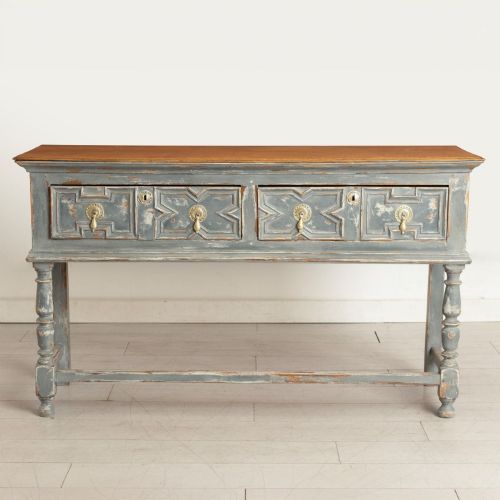
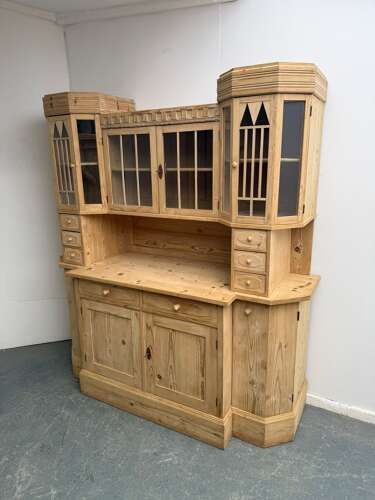
Traditional Painted Dresser
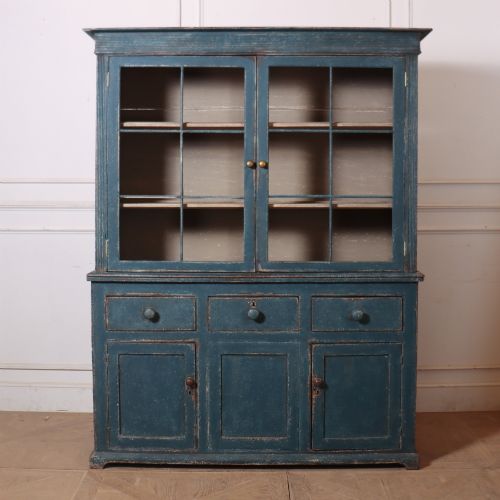
A traditional painted dresser brings rustic utility and coloured character to a room, offering open display or enclosed storage built from sturdy pine.
Traditional Painted Dresser
When you search for a traditional painted dresser, you are looking at practical utilitarian furniture originating from country houses, farmhouses, and regional workshops. These pieces primarily date from the nineteenth century, including Victorian examples, alongside eighteenth-century items and turn-of-the-century pieces.
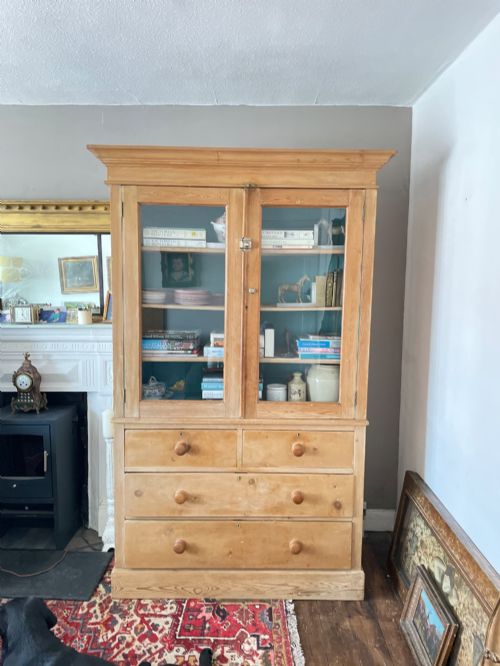
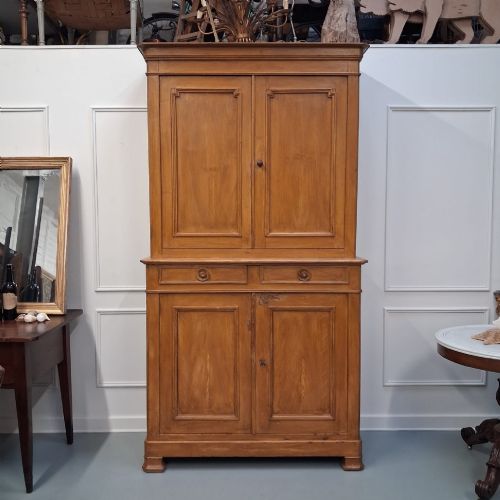
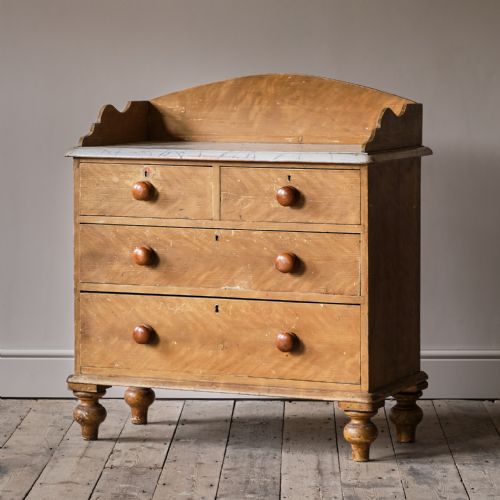
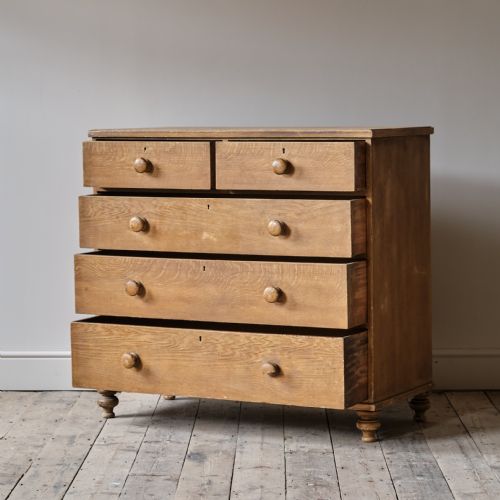
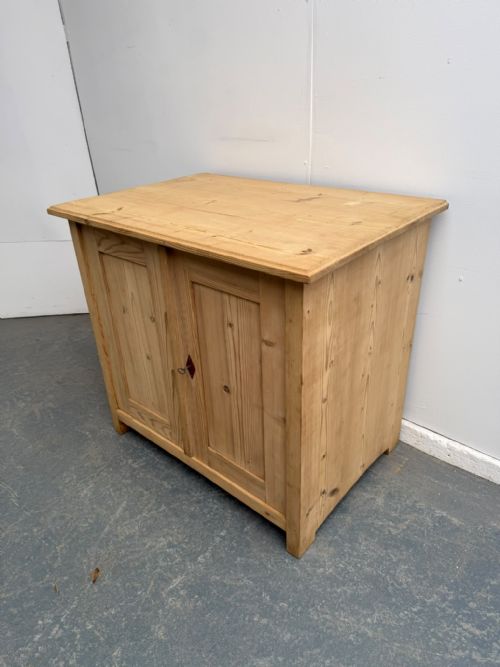
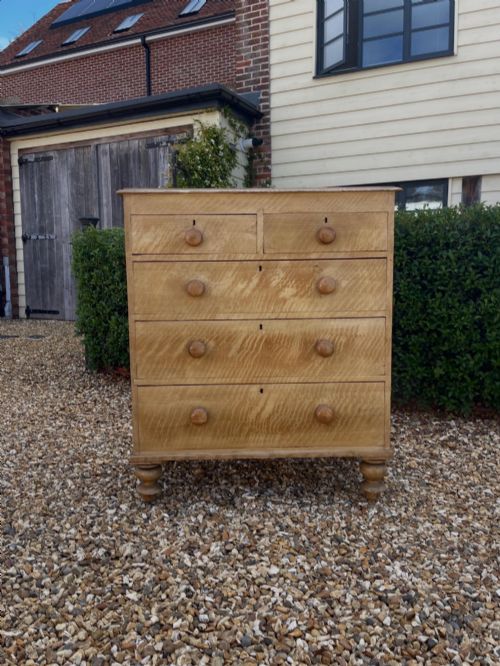
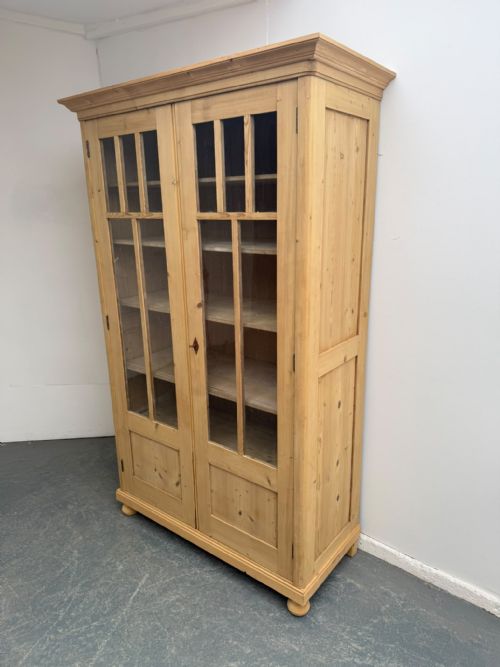
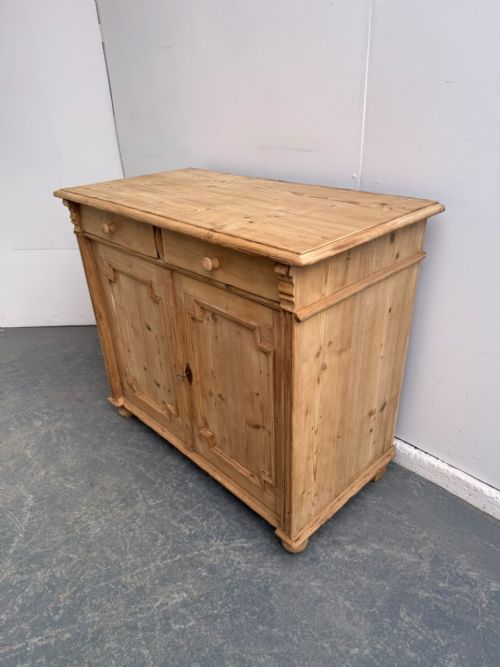
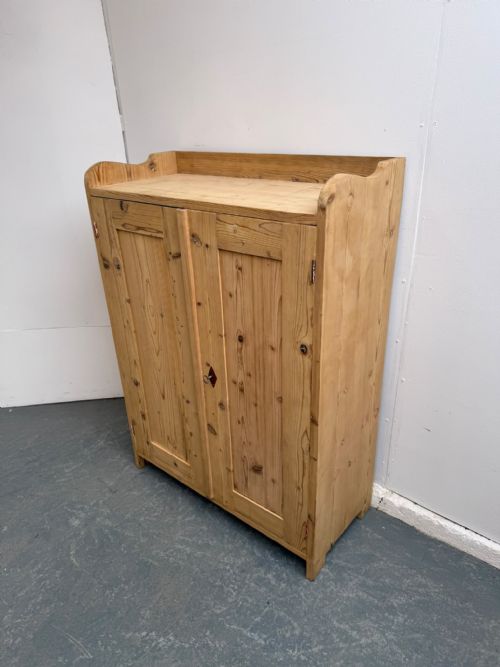
The forms on this page span kitchen dressers with open plate racks or glazed cabinets, robust dresser bases, potboard serving tables, and tall housekeeper cupboards. You will also encounter related pine storage items such as chests of drawers, washstands, and school cupboards.
Regional variations appear frequently, featuring Scottish, West Country, English country house, and continental styles including Hungarian and Alpine folk art pieces. These items rely on solid pine construction and retain either original surface treatments or later painted finishes.
Materials and construction methods
Makers built these pieces predominantly from solid pine, utilising timber sourced locally or regionally for kitchen cabinets, dresser bases, and chests of drawers. Iron and brass fittings such as hinges, handles, and key escutcheons complete the utilitarian construction.
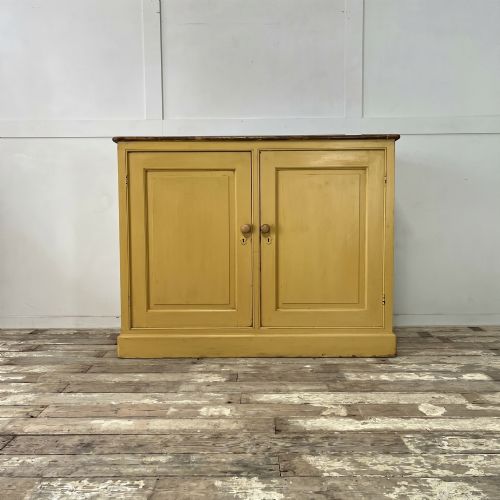
Surfaces received layers of paint, often applied in original schemes of green, black, or grey, or left as bare wood intended for waxing or painting. Joinery techniques combined pegged joints, panelled doors, and dovetailed drawer construction to ensure durability under daily farmhouse use.
Distinctions in quality and character
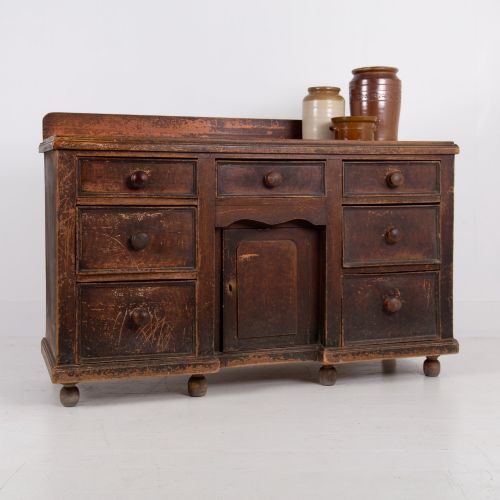
Proportion and scale also separate the ordinary from the exceptional, as seen in monumental potboard dresser bases, dog kennel configurations, and pieces featuring specialist maker attribution such as Edwards and Roberts. Structural untouched condition and balanced proportions elevate certain farmhouse items above standard workshop output.
Edwards and Roberts
The Traditional Painted Dresser Glossary
- Potboard dresser base
- A kitchen dresser base featuring a low bottom shelf, known as a potboard, positioned just above the floor for storing heavy earthenware and cookware.
- Housekeeper cupboard
- A large, tall storage cabinet used in large country houses for storing linens, dry goods, and household supplies.
- Dog kennel dresser
- A specific nineteenth-century dresser configuration featuring a central recessed open space flanked by banks of drawers or cupboards beneath the main counter.
- Original paint
- A surface finish applied during the period of manufacture that has survived largely unaltered through subsequent generations of use.
- Dovetail joint
- A traditional interlocking woodworking joint used primarily in drawer construction to provide robust tensile strength without relying on metal fasteners.
Traditional Painted Dresser: Frequently Asked Questions
How do I date a traditional painted dresser?
Dating relies on examining construction methods, timber selection, and hardware styles across the piece. Dovetailed drawers, hand-sawn boards, and original paint layers point directly to nineteenth-century or earlier origins.
Secondary indicators include regional design traits and cabinetmaker stamps if present. Comparing the form against documented provincial styles helps narrow the manufacturing period.
What is the difference between a dresser base and a kitchen dresser?
A dresser base consists solely of the lower sideboard section with drawers and cupboards. It provides surface counter space and enclosed storage beneath.
A kitchen dresser includes an upper section featuring open plate racks or glazed cabinets for displaying ceramics. Both forms served central functions in domestic farmhouse kitchens.
Are these pieces made of solid wood?
These items are constructed from solid timbers, predominantly pine, rather than modern manufactured boards. Carpenters utilised local softwood for structural stability and everyday utility.
Back panels and internal drawer linings also feature solid wood boards fixed with traditional joinery techniques. This robust construction explains their survival across centuries.
How do I care for original painted surfaces?
Original painted surfaces require gentle cleaning with a dry or lightly damp cloth to remove dust without disturbing the historic finish. Avoid harsh chemical cleaners, modern detergents, or abrasive scrubbing pads that strip historic pigment.
Maintaining stable indoor humidity levels prevents the underlying pine timber from expanding or contracting. This protects both the wood and the integrity of the layered paint.