

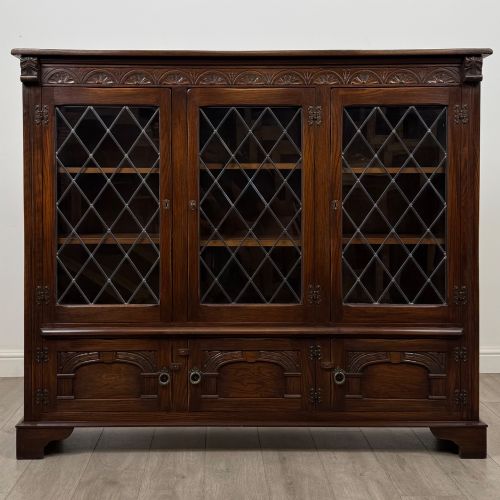
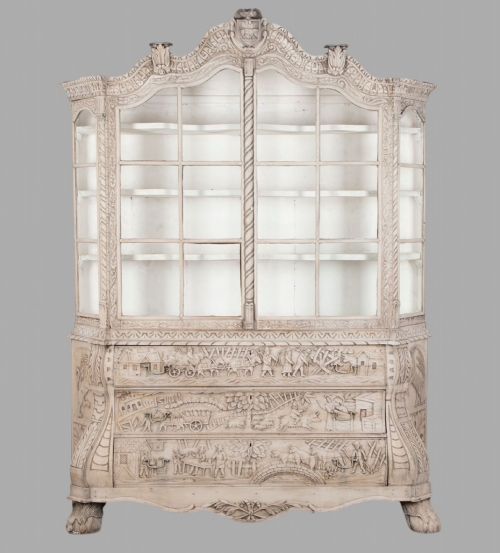
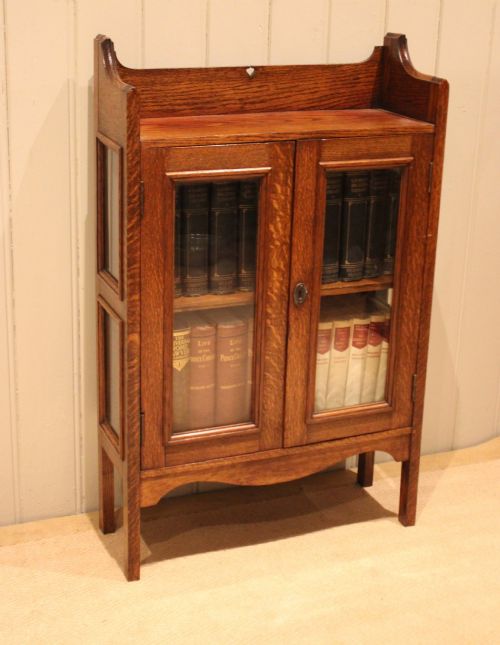
Glazed Oak Bookcase Cabinet
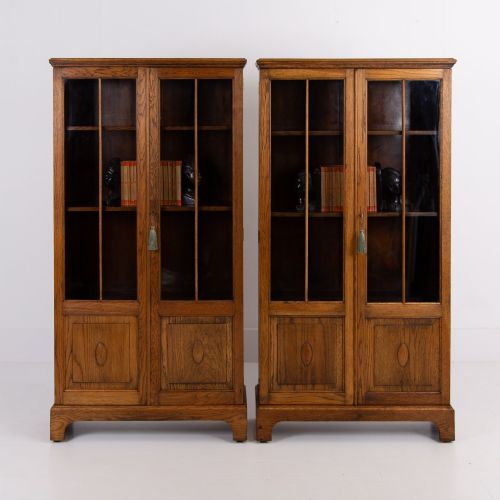
A glazed oak bookcase cabinet brings together timber and glass to protect and display a collection of volumes.
Glazed Oak Bookcase Cabinet
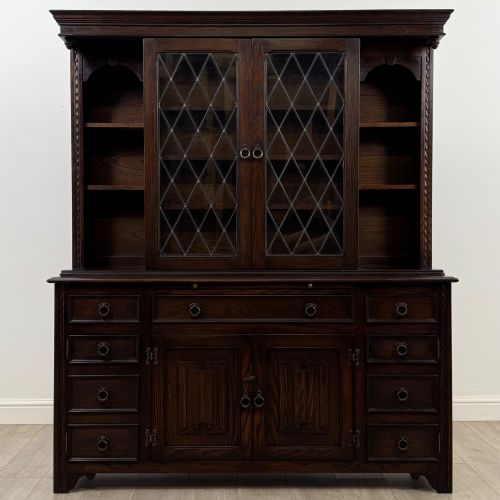
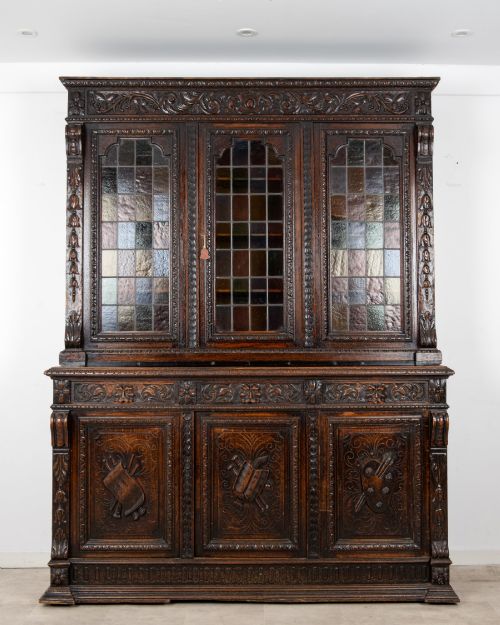
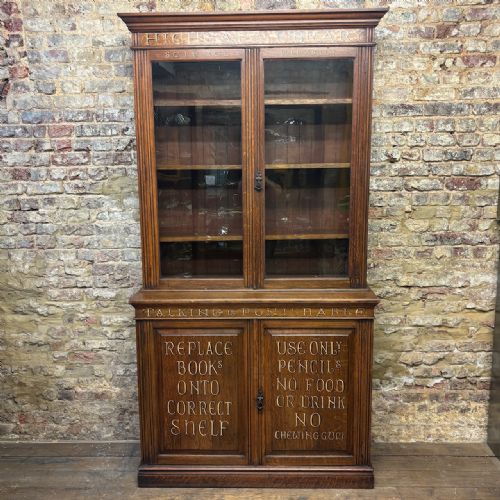
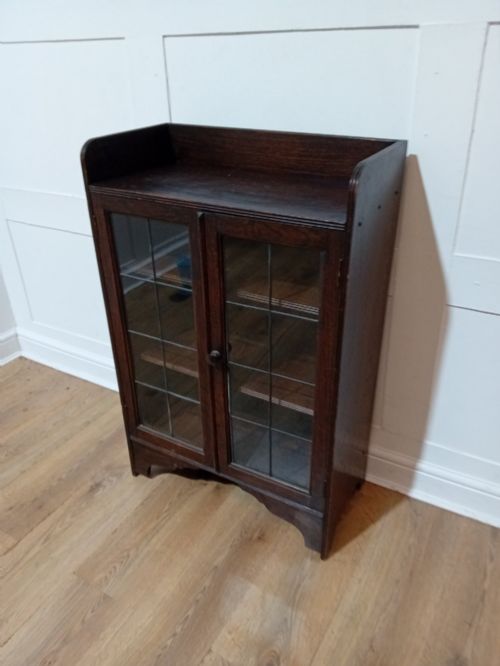
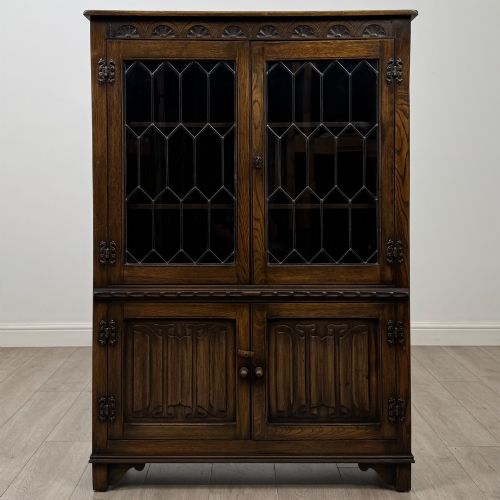
A glazed oak bookcase cabinet combines shelving and display space behind transparent doors, fulfilling the dual purpose of library storage and visual presentation. Pieces matching the search phrase glazed oak bookcase cabinet appear most frequently from the Edwardian era, the 1920s, and the Victorian period, with occasional examples extending back to the eighteenth century.
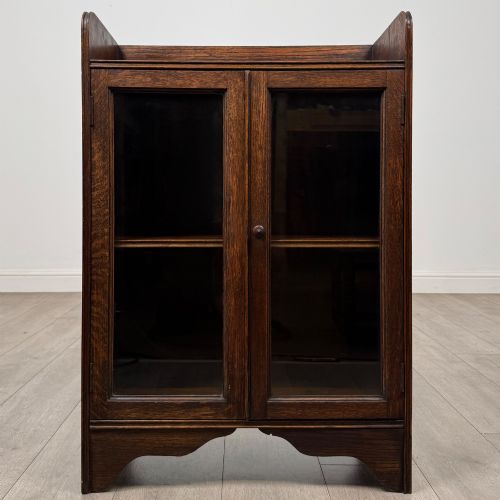
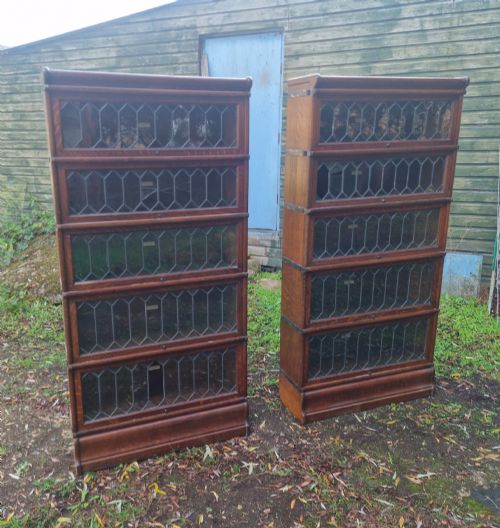
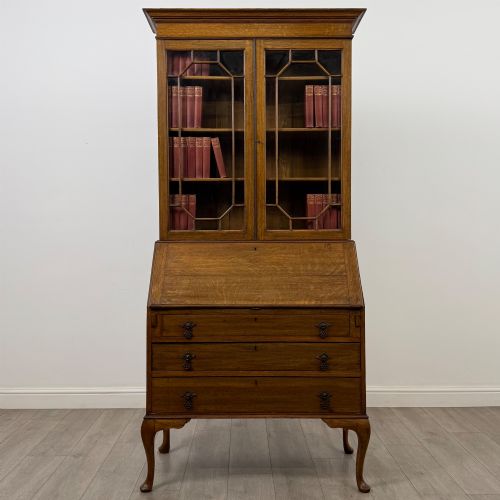
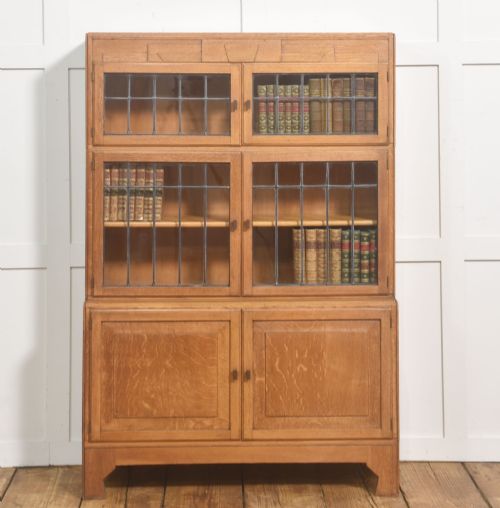
The physical forms vary considerably, ranging from upright sectional stacks and bureau combinations with drop fronts to large multi-door library cupboards and dwarf display cabinets. Edwardian and early twentieth-century examples dominate the selection, often incorporating regional variations such as Welsh dressers or school library shelving units.
Materials and Construction
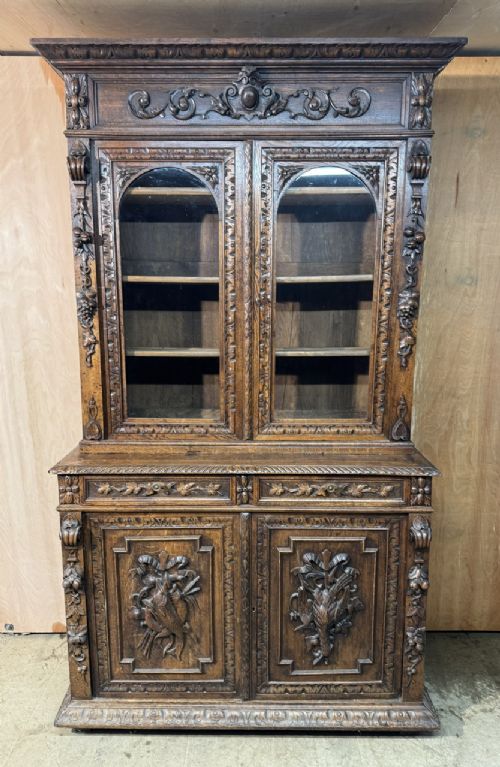
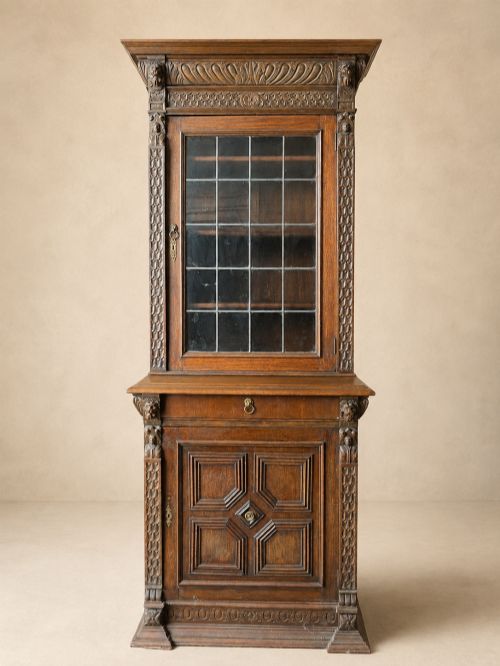
Solid oak and golden oak form the primary structural timbers, frequently paired with glass panels secured by wooden glazing bars, lead cames, or brass fittings. Structural integrity relies on traditional joinery techniques, accommodating sectional tiers in stacking library furniture or heavy carved panels in period revival pieces.
Detailing involves carved ornamentation, inlaid motifs, and specialised hardware such as iron hinges and brass handles. Stained glass and fabric linings occasionally appear behind the transparent doors to alter the visual weight of the cabinet interior.
Listings span multiple eras from the eighteenth century through to the 1930s, uniting oak timber with glass, brass, and lead.
Evaluation of Standard
Superior examples demonstrate meticulous timber selection, evidenced by consistent grain patterns and solid construction rather than applied veneering. The execution of carved details, the precision of the leaded or clear glazing joints, and the smooth operation of modular stacking sections or drawers distinguish finer commissions from utility pieces.
Proportion and integrity of the original hardware also dictate the standing of a cabinet, where intact brass fittings and uncompromised structural timber preserve the intended character of the period.
The Glazed Oak Bookcase Cabinet Glossary
- Globe Wernicke
- A modular stacking bookcase system featuring individual glazed sections that lift and slide into the cabinet above each shelf. This proprietary format became synonymous with barrister and library storage during the early twentieth century.
- Bureau Bookcase
- A dual-purpose furniture form combining a sloping writing flap or bureau desk with a glazed cabinet superstructure for books. It provides a concealed writing surface alongside upper display shelving.
- Leaded Glass
- Small glass panes held together by narrow strips of lead called cames, forming geometric or decorative patterns. This technique is frequently observed in Arts and Crafts and twentieth-century cabinet doors.
- Astral Glazing
- A style of window framing where wooden bars divide the glass into smaller individual panes. It structures the cabinet front while maintaining visibility of the volumes within.
Glazed Oak Bookcase Cabinet: Frequently Asked Questions
How do I date an oak bookcase cabinet?
Dating relies on architectural styles, construction methods, and hardware markers visible across different decades. Edwardian and Victorian pieces often display distinct revival carving or simpler linear framing.
Later 1920s examples frequently utilise modular stacking designs or geometric Art Deco lines. Comparing the timber finishing and internal fixings helps narrow the manufacturing period.
What is a barrister bookcase?
A barrister bookcase is a sectional wooden cabinet featuring glazed lifting doors designed to protect law books from dust and moisture. The modular tiers can be stacked independently or reconfigured as a library grows.
This practical format gained popularity in professional offices and domestic studies during the early twentieth century.
How are sectional bookcases assembled?
Sectional bookcases consist of separate tier boxes, a base plinth, and a top cornice that stack vertically without permanent fixings. Each shelf level operates as an individual cabinet with its own glass door.
This modular construction allowed owners to transport or expand their libraries easily by adding further tiers over time.
Can these cabinets hold heavy books?
Solid oak construction provides the structural strength necessary to support heavy volumes without significant shelf bowing. Period library cabinets were engineered specifically for dense reference collections and bound folios.
Distributing weight evenly across the fixed or adjustable shelving ensures the timber maintains its alignment over long periods of use.