


Glazed Front Cabinet
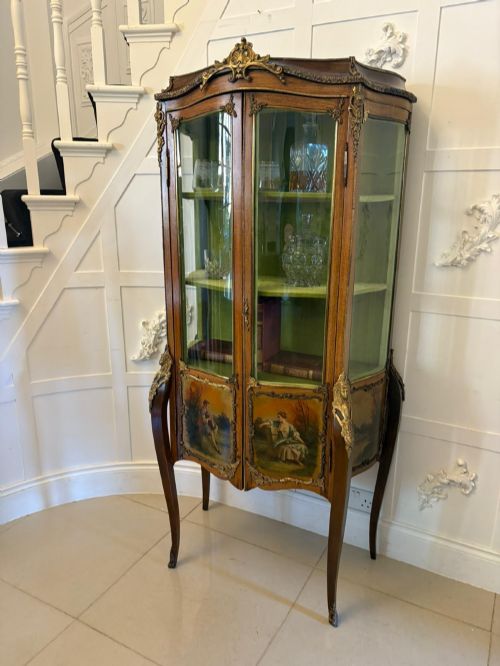
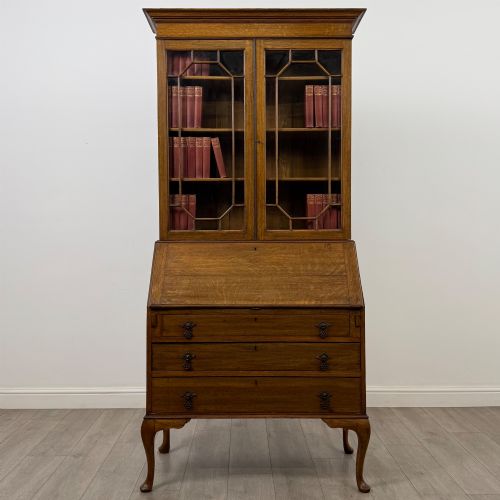
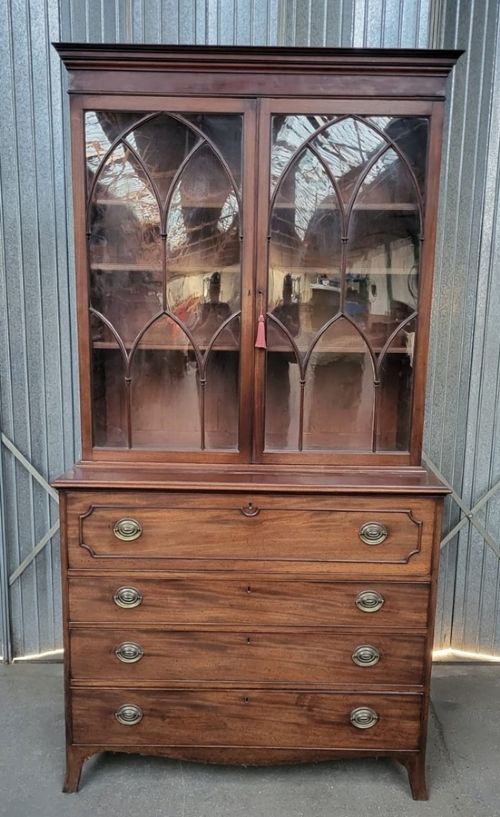
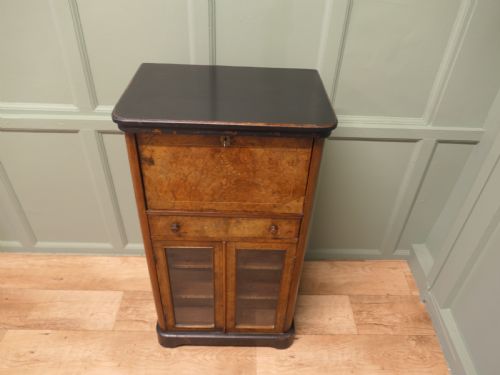
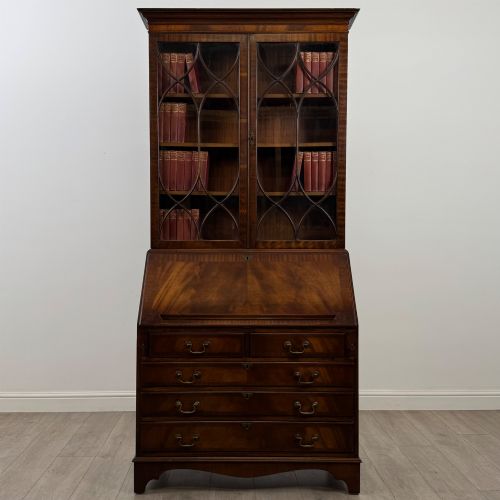
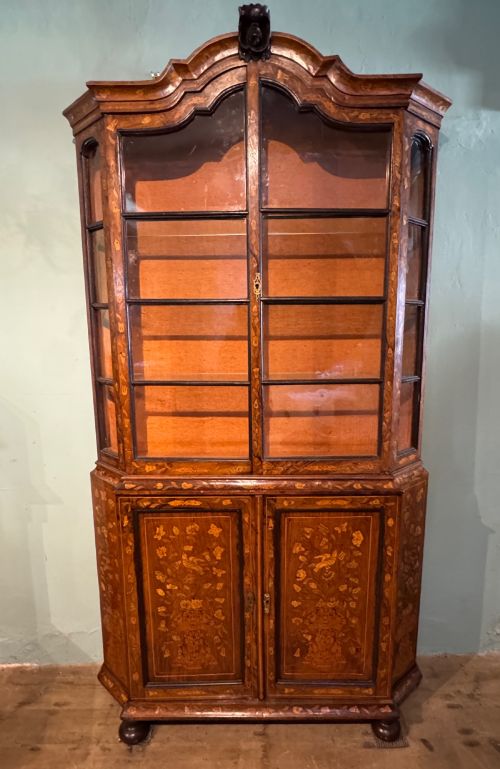
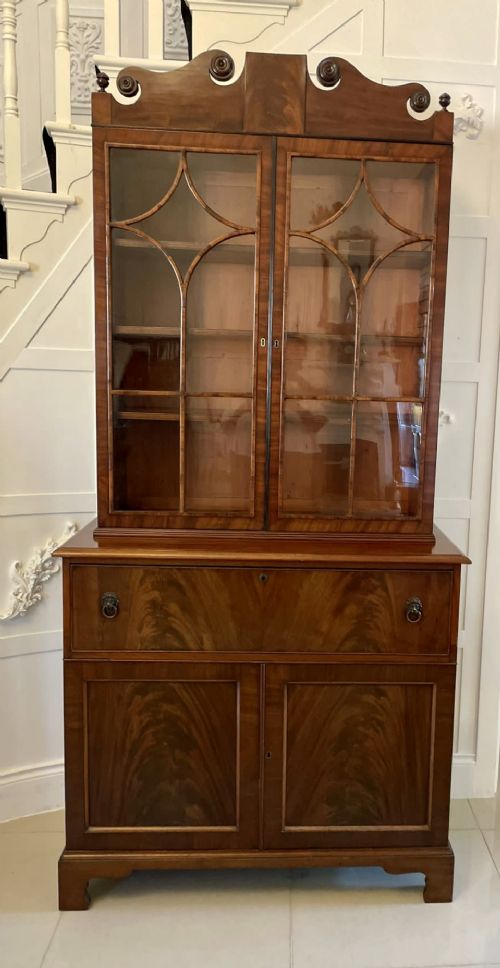
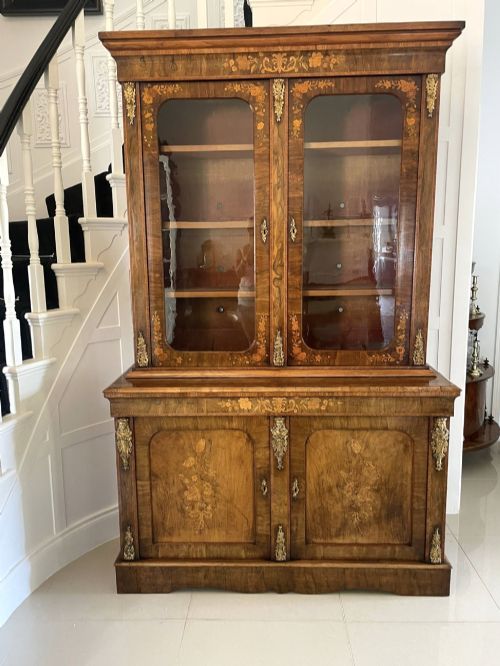
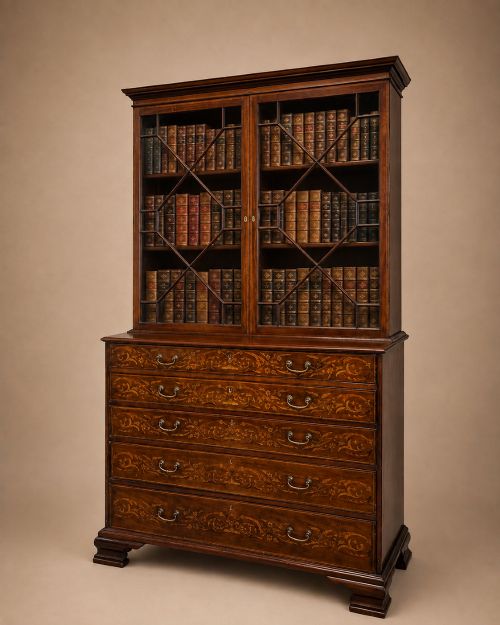
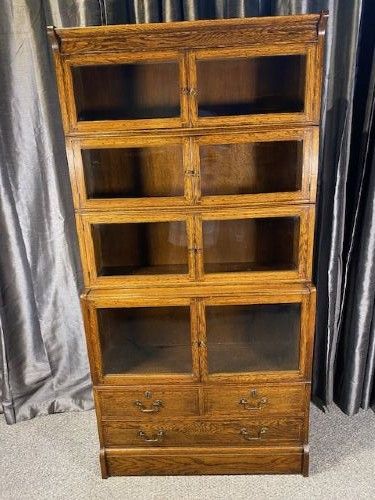
When you search for a glazed front cabinet, you are looking at centuries of fitted display cases designed to show and protect books and porcelain.
Glazed Front Cabinet
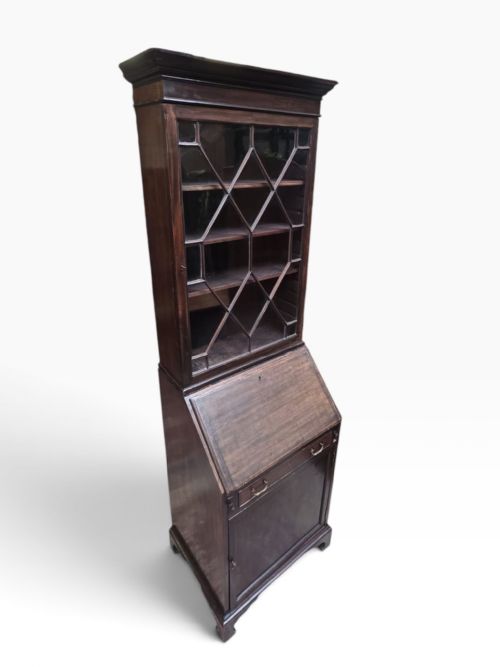
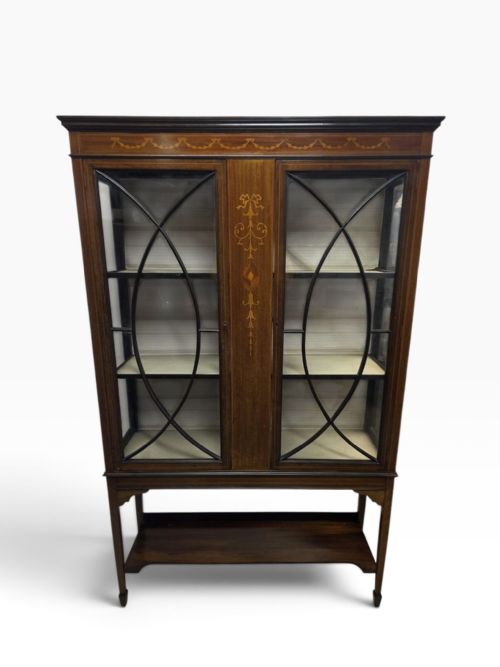
A glazed front cabinet encompasses a wide range of antique storage furniture, from tall bureau bookcases and secretaire cabinets to dedicated display vitrines and corner cupboards. Buyers pursuing this search phrase most frequently encounter Edwardian mahogany display pieces and Victorian burr walnut cabinets, alongside robust Georgian and Regency bookcases.
The assortment spans formal library bookcases with astragal glazing bars to bow front corner cabinets and low pier cabinets. Pieces emerge from various stylistic revivals, including Jacobean and Louis XV influences, offering visible compartments designed for domestic utility and display.
Gradations in Quality
Quality in these cabinets is determined by the selection of figured timber veneers and the precision of the marquetry work. Elaborate brass mounts and well-figured mahogany or walnut distinguish superior workshops from standard production items.
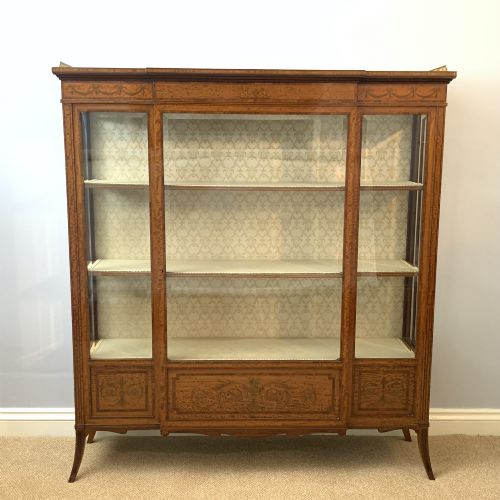
The complexity of the joinery, particularly in curved bow front designs and breakfront configurations, separates fine pieces from simpler utilitarian cupboards. Original glass panes and intact internal fitted desks further elevate a piece within its period.
Some Edwardian corner cabinets include secret mirrored interiors designed to bounce candlelight around the parlour.
Edwards and Roberts·George Oakley
The Glazed Front Cabinet Glossary
- Astragal
- A moulding profile used to divide panes of glass within a glazed door. These delicate timber strips create geometric patterns across the cabinet front.
- Secretaire
- A cabinet incorporating a pull-down writing flap that conceals small drawers and pigeonholes. This hybrid form combines desk functionality with upper bookcase storage.
- Marquetry
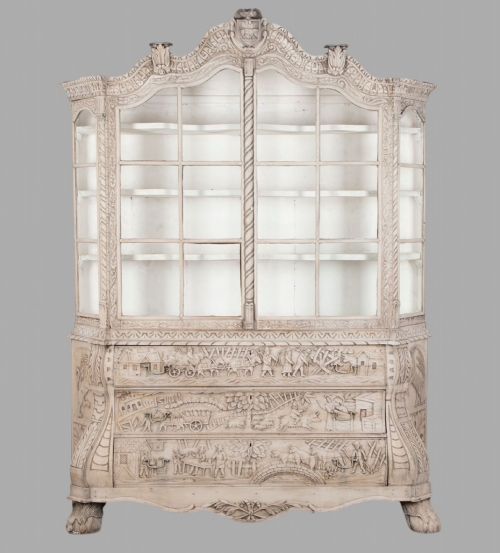
- Decorative veneer work created by fitting thin pieces of wood and other materials into a patterned background. It adorns the surface of many Victorian and Dutch cabinets.
- Pier Cabinet
- A low, narrow cabinet designed to stand against the wall space between windows. These glazed pieces often feature gilt metal mounts and walnut or satinwood veneers.
- Breakfront
- A cabinet design where the central section projects forward from the flanking wings. This architectural arrangement creates depth and visual balance on large library bookcases.
Glazed Front Cabinet: Frequently Asked Questions
How do I style a glazed cabinet?
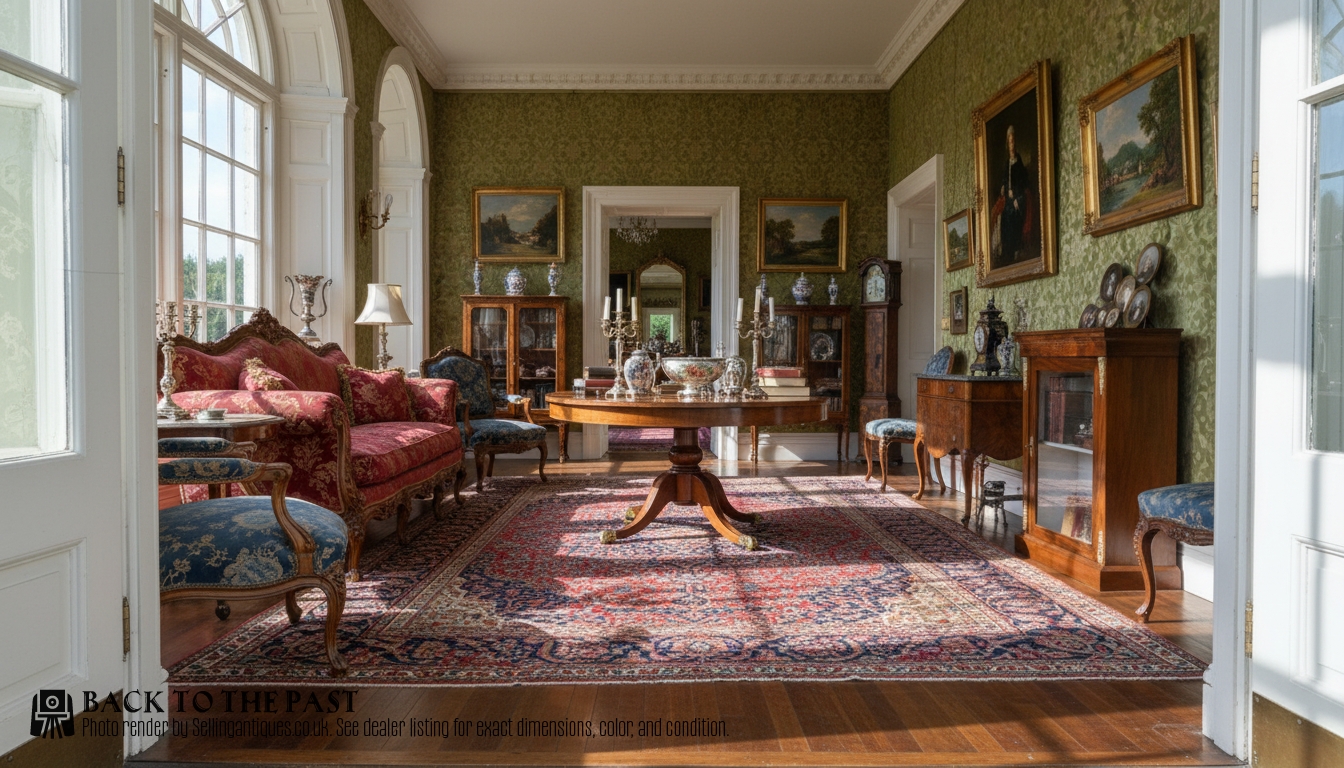
Styling these cabinets involves arranging collections of books, glassware, or porcelain on the internal shelves to create balanced visual weight. Consider the timber tone, such as mahogany or walnut, when placing the piece within a room.
Many examples feature mirrored backs or glass sides that allow light to pass through, enhancing the display of interior contents.
How do I date a cabinet?
Dating involves examining the timber species, construction methods, and stylistic cues such as inlay patterns and hardware. Georgian and Regency pieces typically show heavy mahogany frames and hand-blown glass, while Edwardian versions often display lighter satinwood and refined stringing.
Reviewing the specific door configuration and foot style provides further clues to the manufacturing decade.
Are these cabinets suitable for small rooms?
Certain variations, such as slim pier cabinets and bow front corner cupboards, fit neatly into compact spaces without dominating the room. Wall-mounted or table-top glazed cases offer alternative options for displaying small collections.
Tall breakfront bookcases require more wall space but provide substantial vertical storage capacity in a single footprint.