
Glazed Earthenware Vessel
A glazed earthenware vessel brings centuries of potter's craft into a room, offering functional utility and rich historic character through varied regional traditions.
Glazed Earthenware Vessel
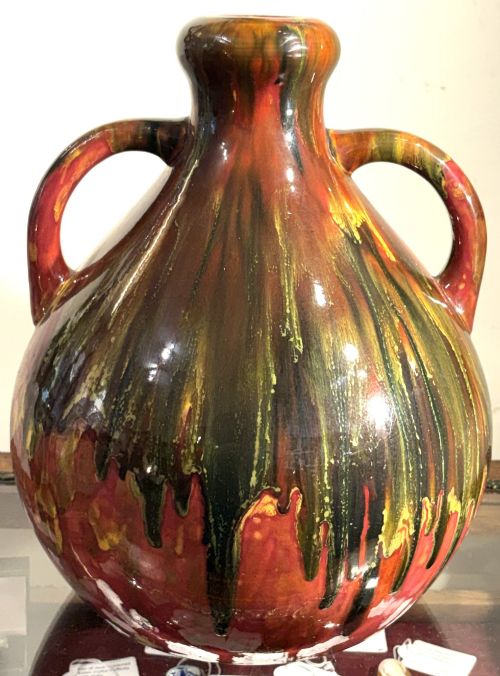
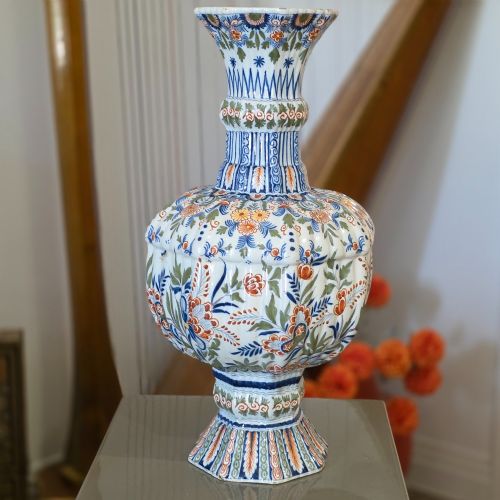
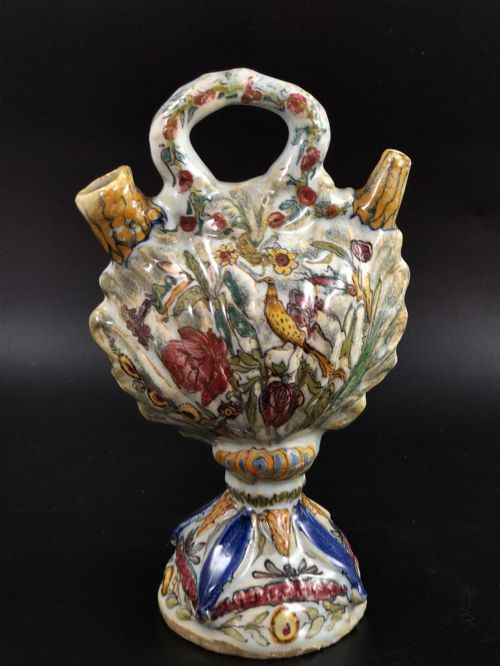
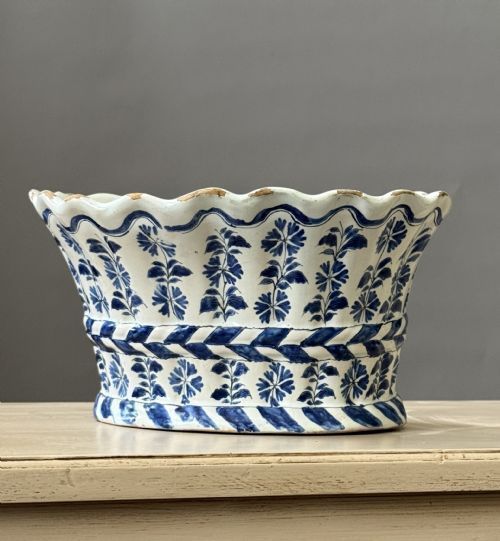
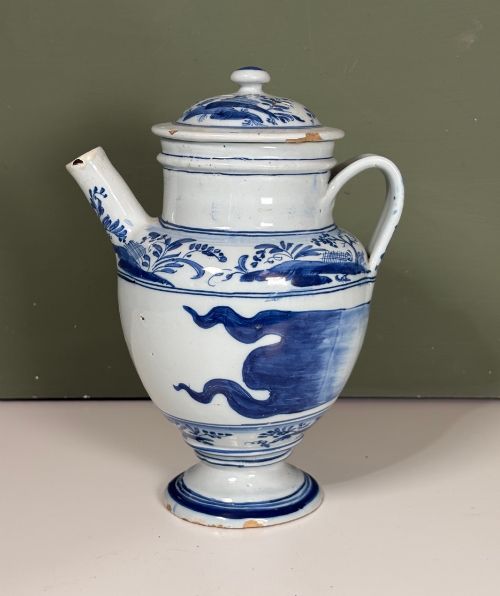
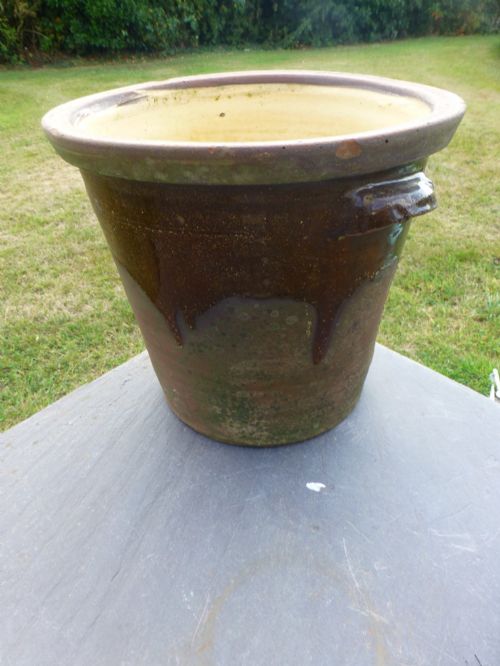
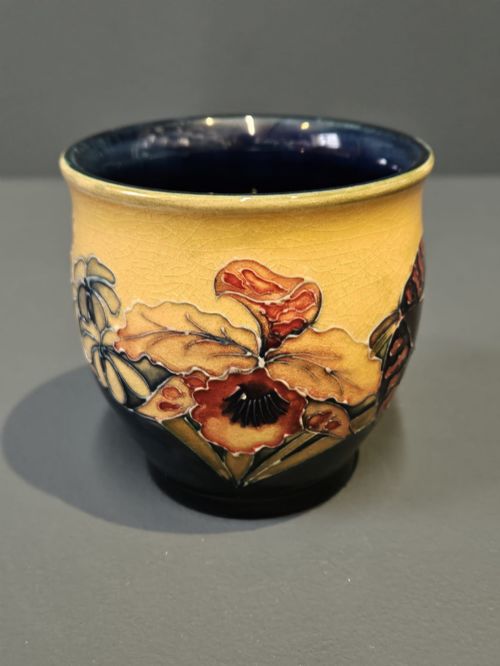
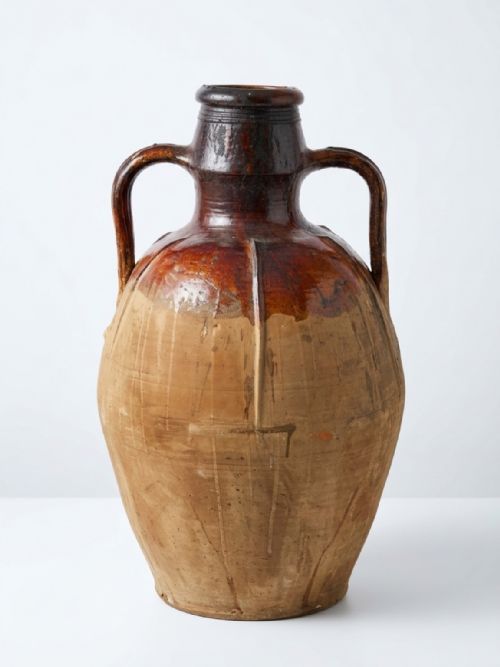
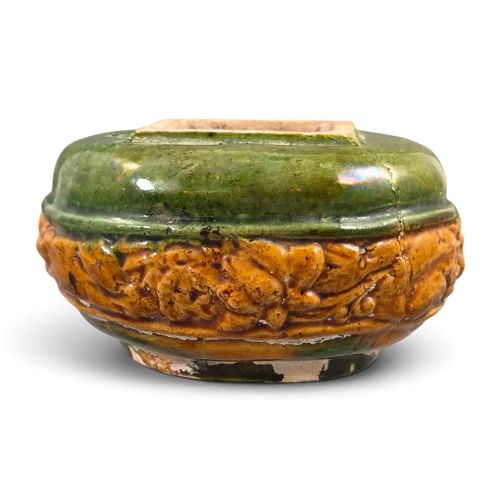
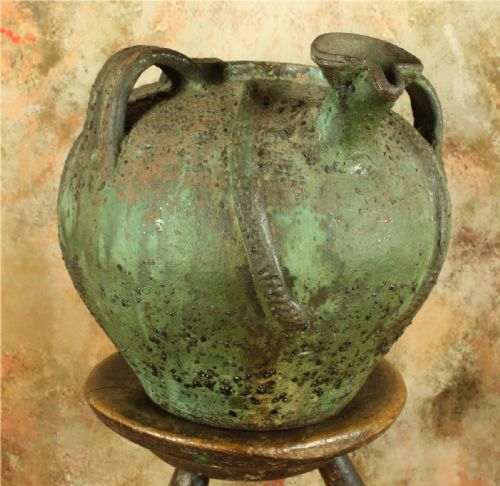
A glazed earthenware vessel encompasses everything from utilitarian dairy crocks and apothecary jars to decorative majolica flasks and delft bough pots. These objects span from the seventeenth century through the Art Deco era, originating from English, French, Dutch, Italian, German, and Japanese workshops.
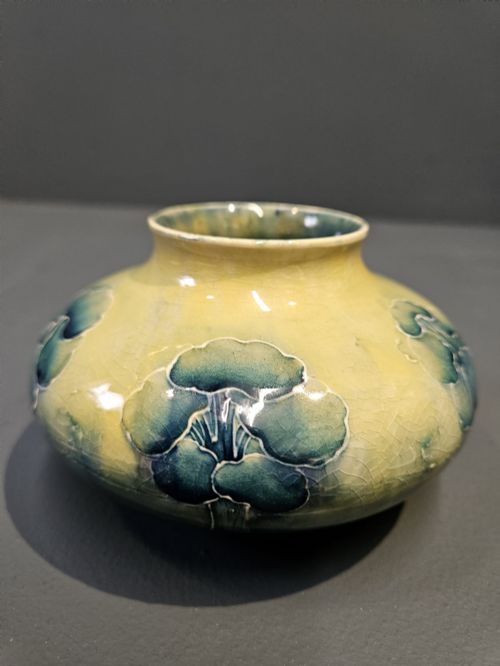
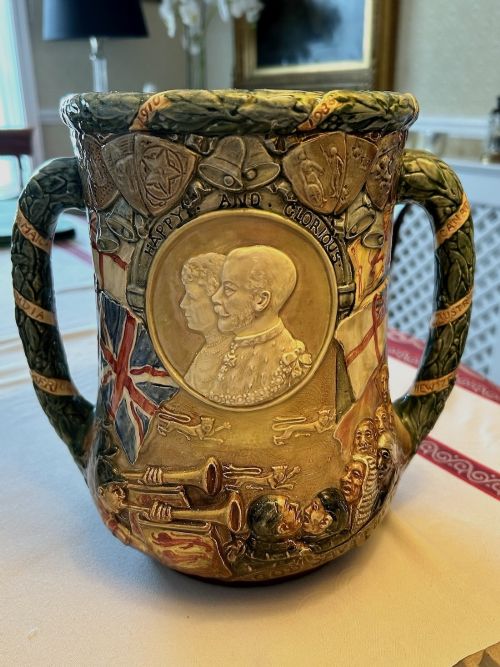
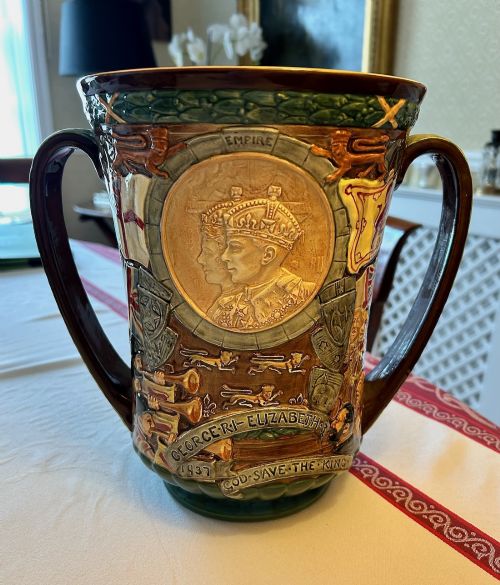
The selections on this page lean heavily towards eighteenth-century delftware, nineteenth-century terracotta utilitarian pieces, and early twentieth-century art pottery. Buyers encounter forms designed for holding liquids, storing dry goods, or displaying flowers.
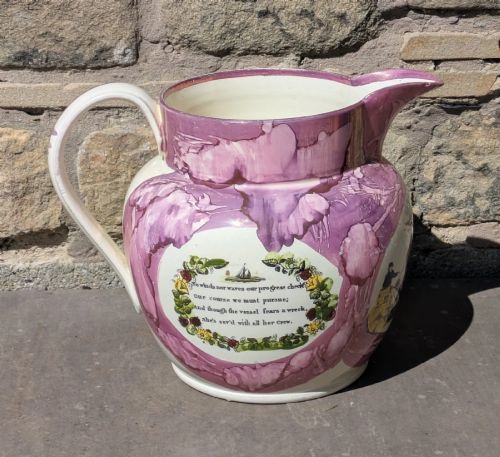
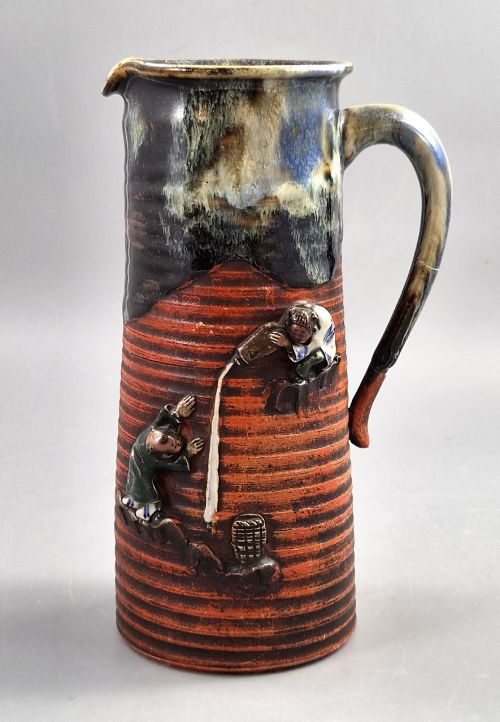
Vessels range from modest slipware jugs to large Italian wine jars and heavily decorated Japanese Satsuma vases. Each piece reflects the domestic or ritual needs of its period.
How they were made
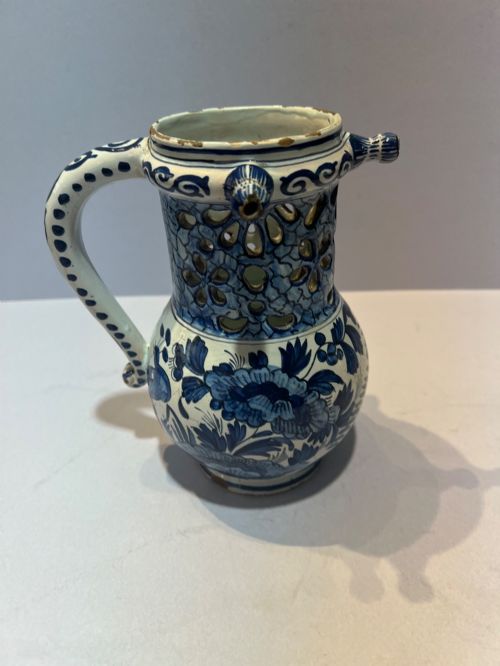
Potters shaped porous earthenware clay on the wheel or pressed it into moulds before applying tin glazes, enamel, or salt glazes. Tin-glazing created an opaque white surface suitable for hand-painted blue and white or polychrome decoration.
Firing took place in kilns where pigments such as cobalt blue interacted with the glaze to produce deep tones. Artisans sometimes added gold leaf or moulded applied figures to the leather-hard clay body before the final glaze firing.
Some eighteenth-century puzzle jugs are engineered with hidden spouts that spill wine down the drinker's chin unless a secret riddle is solved.
What varies in quality
Quality rests in the precision of the throwing, the control of the kiln temperature during firing, and the dexterity of the hand-painted or modelled decoration. Finer pieces display crisp botanical or figural details without pooling glaze or blurred pigments.
The distinction between utilitarian ware and high-art pottery lies in the ambition of the design and the execution of the glaze. Master potters achieved depth and brilliance in tin-glaze and enamel work that lesser workshops failed to replicate.
Moorcroft·Royal Doulton·Burmantoft's Pottery·Doulton Lambeth·Reissner Stellmacher and Kessel
The Glazed Earthenware Vessel Glossary
- Delftware
- Tin-glazed earthenware produced in England, Holland, and elsewhere, characterised by an opaque white glaze that received painted decoration.
- Majolica
- Italian tin-glazed earthenware famous for vibrant polychrome painting and baroque or renaissance revival forms.
- Posset pot
- A spouted vessel used for serving posset, a historical hot drink made of curdled milk mixed with wine or ale and spices.
- Slipware
- Pottery decorated with liquid clay slip applied before firing, creating contrasting linear or marbled patterns.
- Apothecary jar
- A ceramic container used by chemists and pharmacists to store dry drugs, wet medicines, or medicinal ointments.
Glazed Earthenware Vessel: Frequently Asked Questions
How were apothecary jars used?
Apothecary jars served as storage containers in historic pharmacies and dispensaries for herbs, dried drugs, and liquid syrups. Their tight-fitting lids protected medicinal contents from moisture and pests.
Many of these vessels feature painted Latin labels or distinct symbols to identify specific remedies. Collectors prize them for their surviving pharmacy markings and historical medical associations.
What distinguishes majolica from delftware?
Majolica is an Italian tradition known for its bright polychrome palette and sculptural forms rooted in Renaissance aesthetics. It employs an opaque tin glaze that accepts a wide range of mineral colours.
Delftware typically follows a blue and white palette inspired by imported Chinese porcelain, though polychrome versions exist. Both share the fundamental technique of tin glazing over an earthenware body.
Can these vessels hold water?
Many historic earthenware vessels retain their ability to hold water, particularly those with complete internal glaze coverage. Porous terracotta pieces or older unglazed interiors may slowly seep moisture over time.
Placing a modern glass or plastic liner inside antique vases and jugs protects the antique fabric. This precaution allows safe display of fresh floral arrangements without risking damage to the ceramic body.