



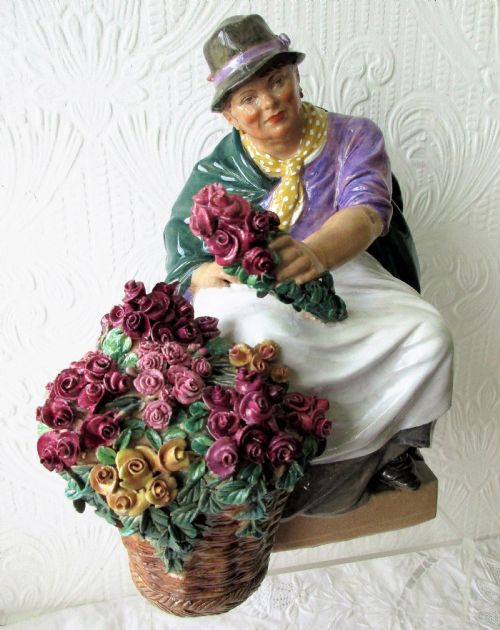
Glazed Earthenware Figure
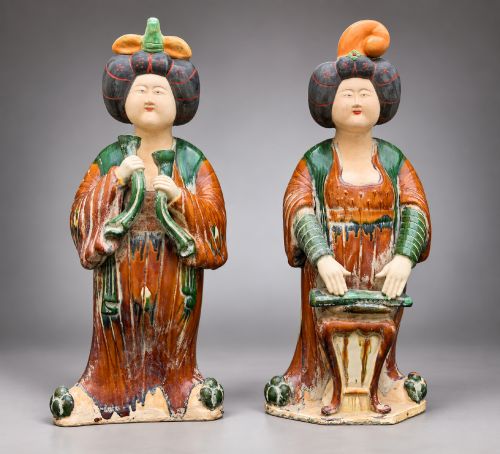
These glazed earthenware figure pieces bring character to a room through traditional pottery forms.
Glazed Earthenware Figure
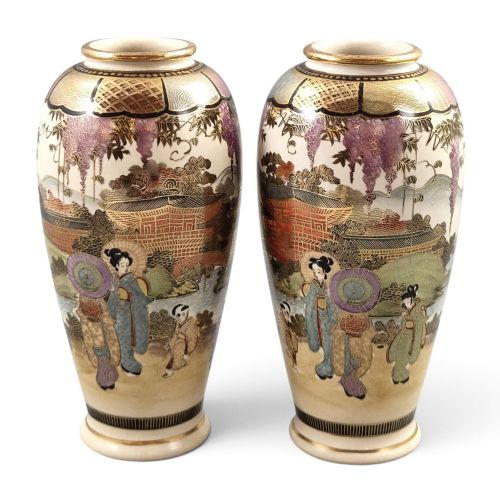
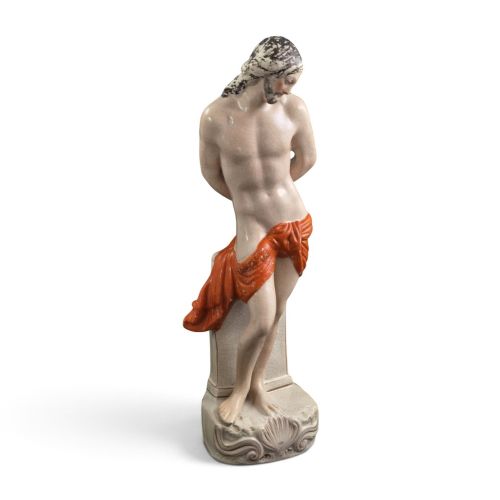
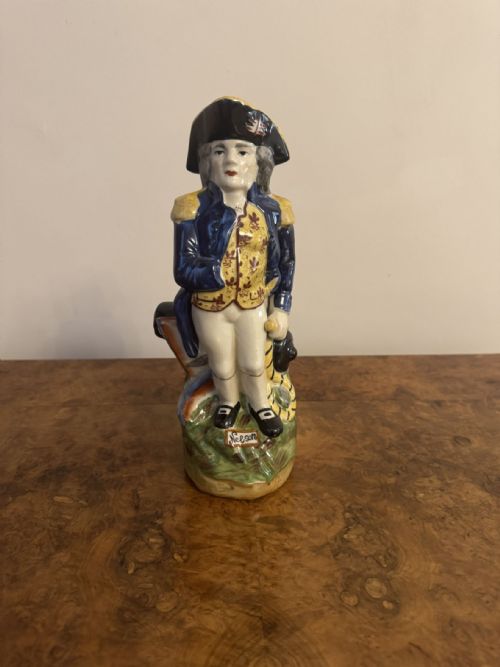
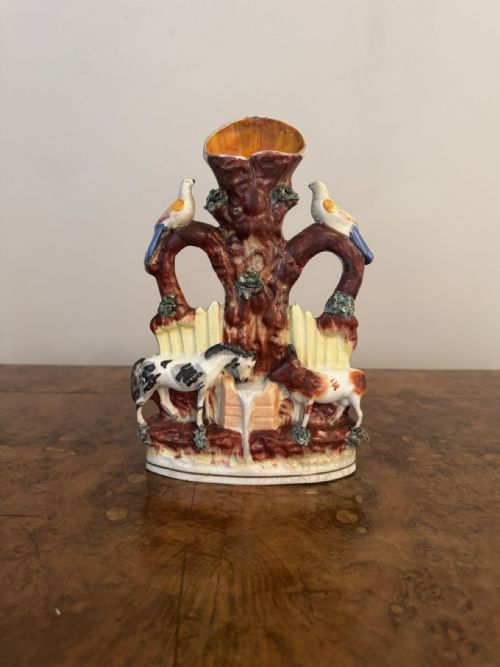
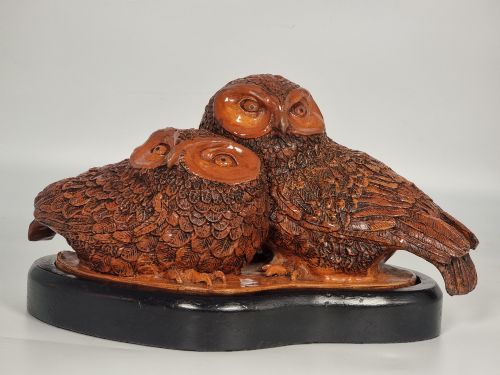
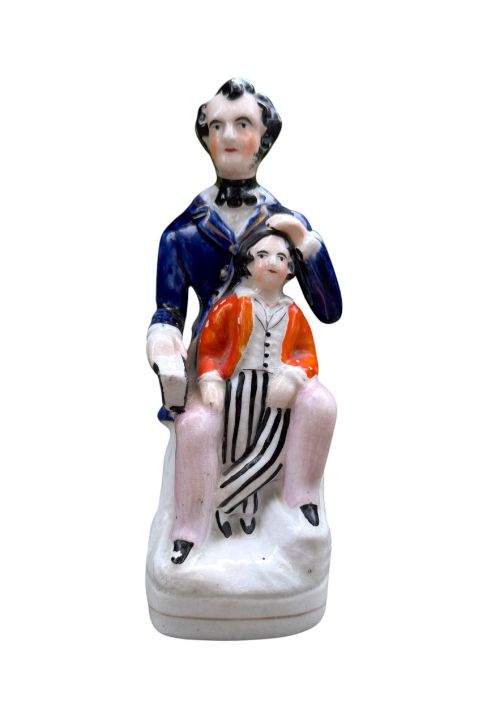
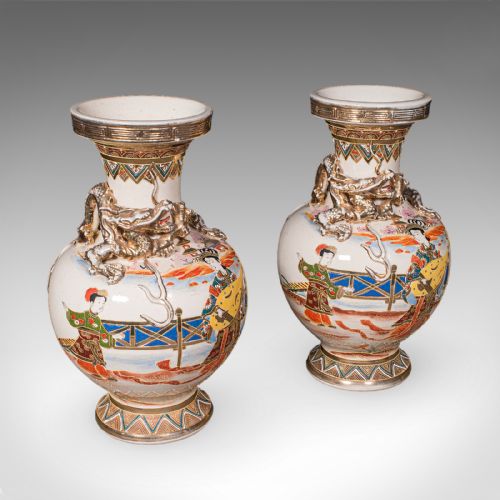
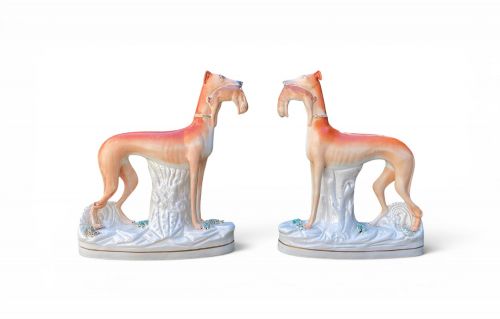
A glazed earthenware figure represents people, animals, and historical subjects shaped in clay and finished with a vitreous coating. When searching for this phrase, buyers encounter examples ranging from Victorian Staffordshire portrait pieces and animal groups to Japanese Sumida Gawa and Meiji period ceramics.
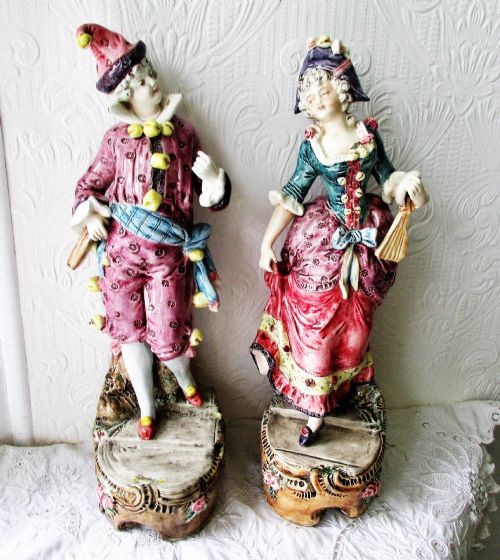
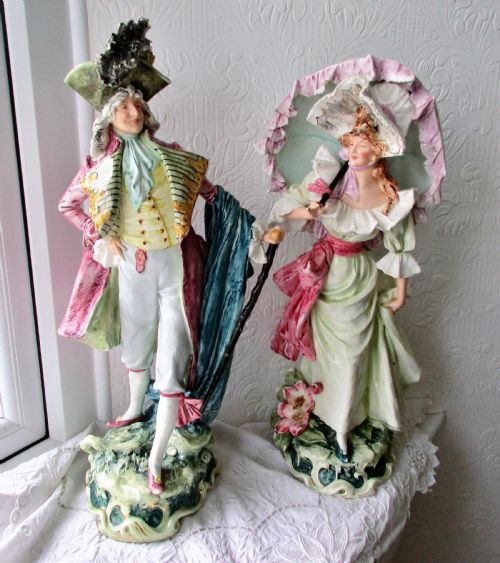
The selections available here span the nineteenth and twentieth centuries, featuring British flatbacks, French faience, and Asian decorative wares. Staffordshire figures of historical personages and pairs of dogs or lions dominate the British offerings, while continental and Japanese examples introduce different stylistic traditions.
Makers produced these works as decorative mantel ornaments, spill vases, and sculptural table objects. Buyers select them to anchor a traditional interior or to collect specific regional traditions in earthenware modelling.
Materials and production methods
Potters shaped these figures using local clays or earthenware bodies, often moulding them in sections before hand-finishing details. Artisans then applied lead glazes, enamel colours, or gold leaf accents to the surfaces before firing the pieces in kilns.
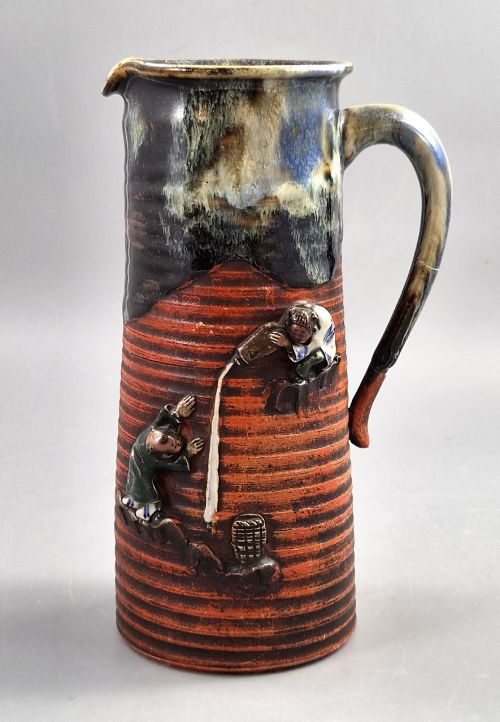
The application of glaze determined the final texture and sheen, from the rich treacle coatings of Rockingham pottery to the vibrant polychrome enamels on Staffordshire and Japanese ceramic bodies. Some workshops utilised specialist running glazes, as seen on Sumida Gawa pieces, creating distinct textured effects.
Common ceramic forms in this category include sculptural figures, portrait ornaments, spill vases, and decorative animal pairs.
Distinctions in quality
Superior quality in a glazed earthenware figure depends upon the crispness of the initial moulding and the precision of the hand-painted enamel decoration. Pieces with strong, clear facial expressions and confident brushwork sit at the higher end of the range.
The sophistication of the glaze application also separates standard production from finer work, with smooth, even lead glazes or controlled polychrome washes indicating skilled studio execution. Better examples retain vibrant surface colours and show careful attention to anatomical or sculptural detail.
Charles Vyse·Inoue Ryosai·Thomas Parr·Ralph Wood
The Glazed Earthenware Figure Glossary
- Earthenware
- A porous type of pottery fired at lower temperatures than stoneware or porcelain. It requires a glaze to become impervious to liquids.
- Flatback
- A Staffordshire figure modelled with a finished front and a flat, unpainted reverse intended to stand against a wall.
- Lead glaze
- A glossy transparent coating containing lead oxide applied to earthenware to seal the clay body and enrich surface colours.
- Pearlware
- A refined fine-grained earthenware developed in the eighteenth century featuring a subtle bluish-white glaze that mimics Chinese porcelain.
- Spill vase
- A hollow hollow-backed figurine or vessel incorporating a cylindrical holder designed to store wooden spills for lighting fires.
Glazed Earthenware Figure: Frequently Asked Questions
What is a Staffordshire flatback?
A Staffordshire flatback is a ceramic figure designed during the Victorian era with a detailed front and a flat back. These pieces stood on mantelpieces and shelves in nineteenth-century homes.
Potters left the rear unglazed and undecorated because the figures were meant to be viewed solely from the front against a wall.
How do I identify a portrait figure?
Portrait figures depict recognisable historical figures, literary characters, or contemporary heroes of the nineteenth century. Makers often included painted names on the bases to help owners identify the subject.
Studying the clothing, hairstyles, and accompanying motifs helps connect the figure to specific historical events or popular stories of the period.
What is Sumida Gawa pottery?
Sumida Gawa pottery refers to distinctive Japanese ceramics produced around Tokyo during the Meiji and Taisho periods. These pieces are recognised by their heavy, melting glazes and applied figures.
Artisans hand-modelled small characters and creatures directly onto the surface of vases, mugs, and pitchers before firing.
How should I clean my earthenware figures?
Clean antique earthenware gently with a dry, soft brush to remove dust from crevices and painted surfaces. Avoid using water or liquid cleaners, as older glazes and enamel colours can be sensitive to moisture.
Displaying the pieces away from direct sunlight and damp environments preserves the stability of the clay body and the painted details.