

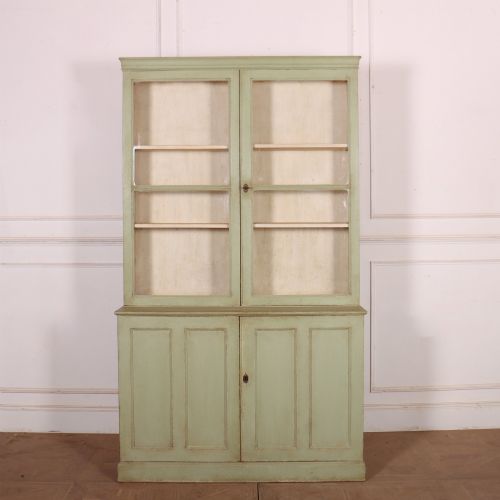
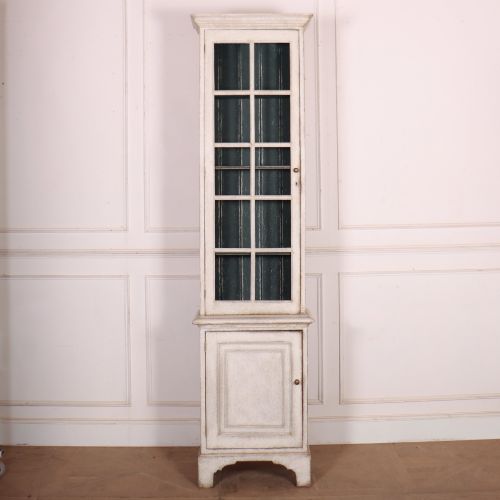
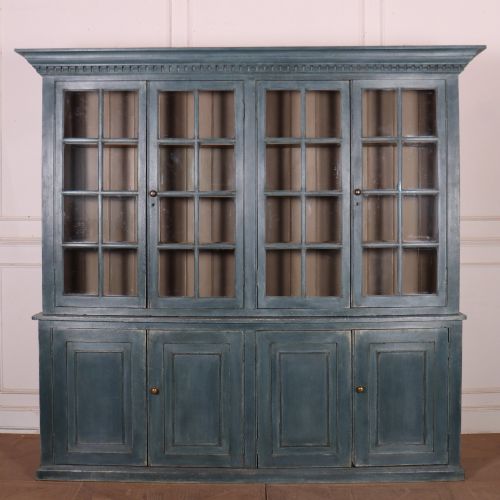
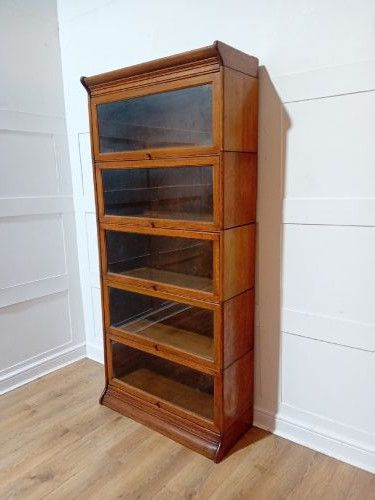
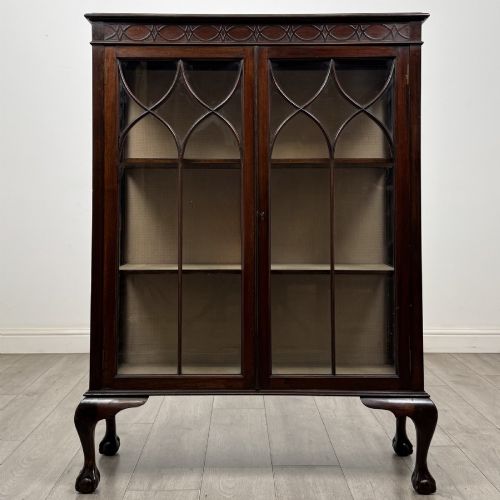
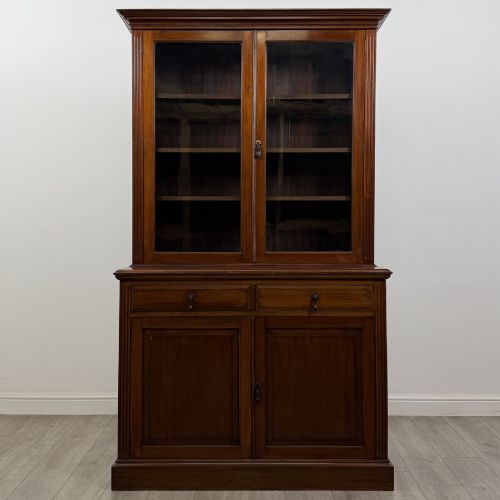
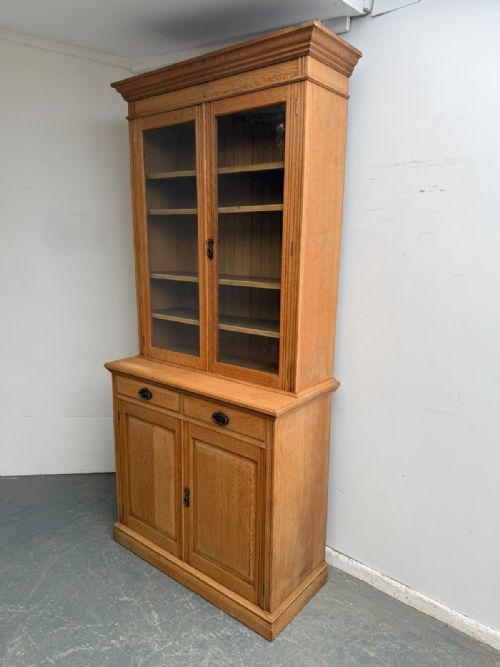
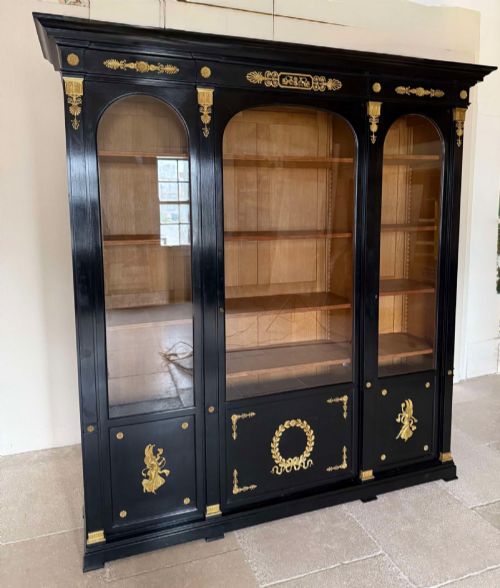
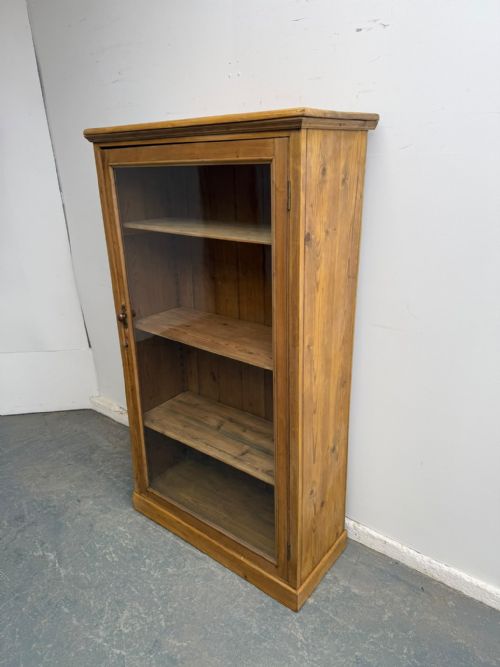
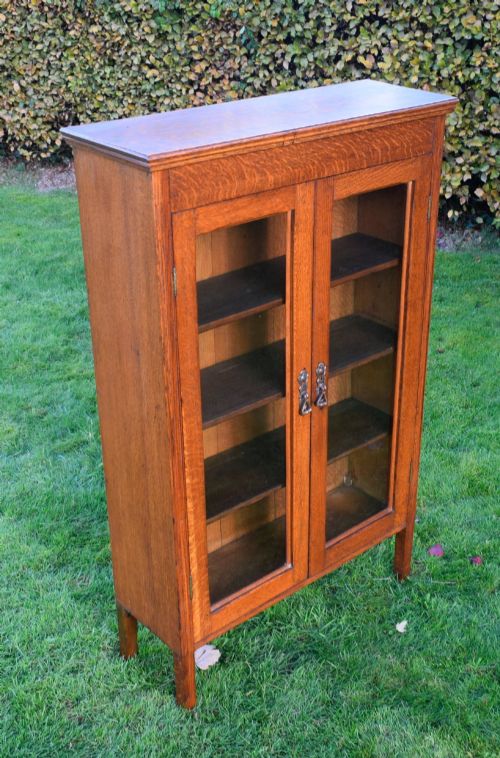
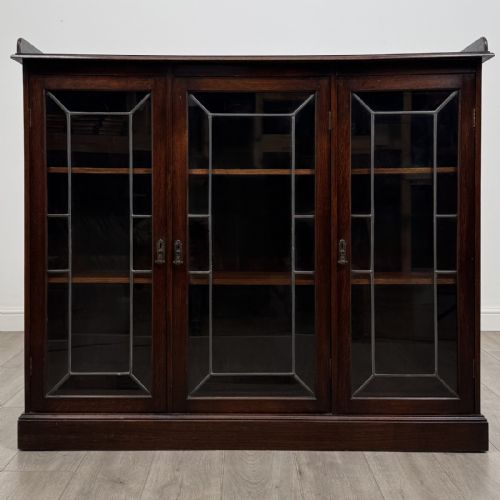
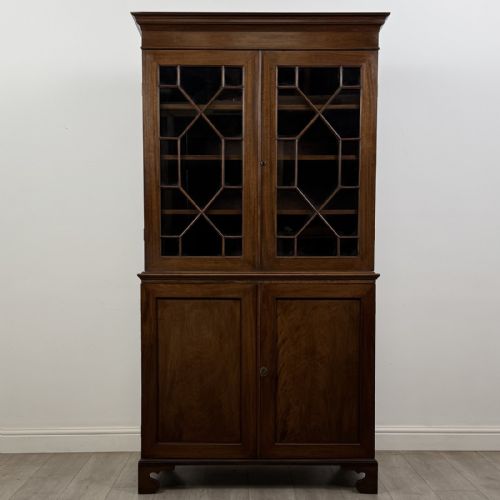
Glazed Door Bookcase Cabinet
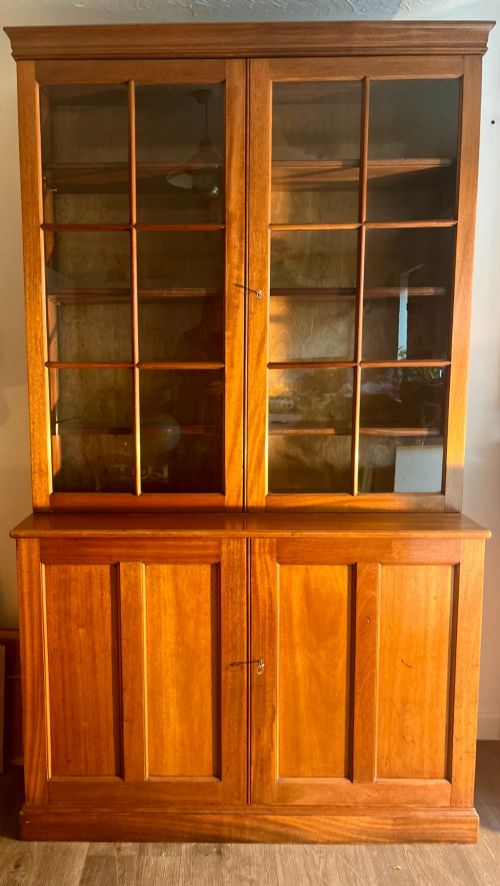
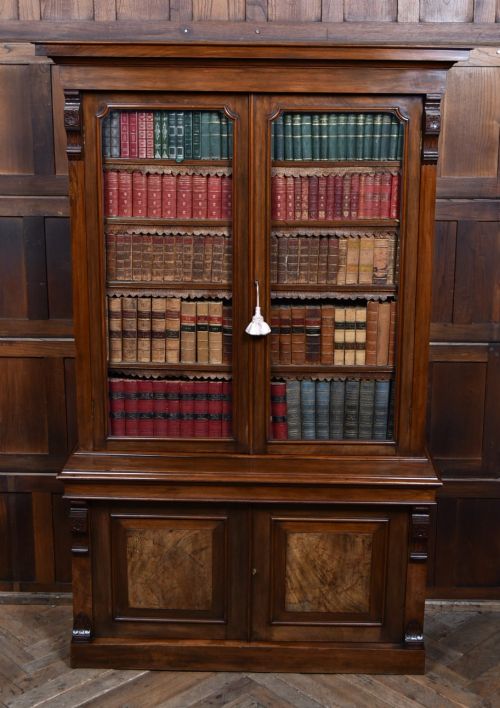
A glazed door bookcase cabinet combines visible storage with refined timber framing, offering a traditional way to house libraries and display collections.
Glazed Door Bookcase Cabinet
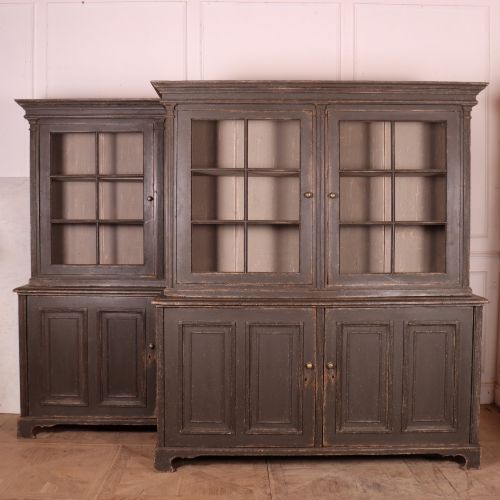
The forms range from compact two-door side cabinets and bureau bookcases to substantial breakfront libraries and multi-door breakfronts. Regional examples include Scottish and Welsh country pieces in pine and oak alongside formal town furniture.
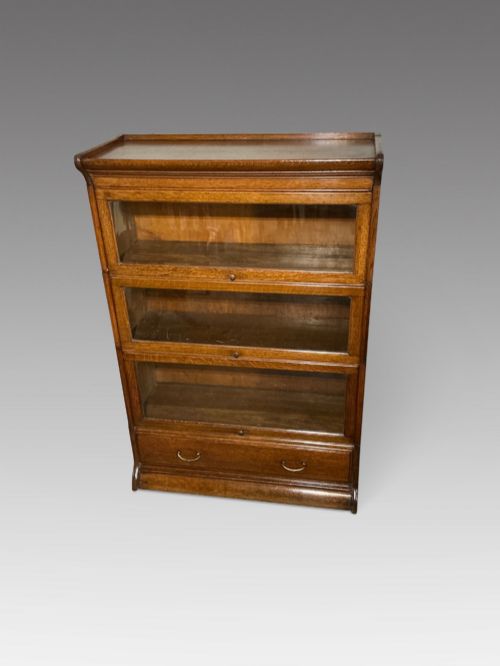
Period variations span from Regency and William IV designs through to Arts and Crafts and early twentieth-century oak library shelving. These pieces bridge the gap between closed timber storage and open vitrines by keeping dust away while maintaining visibility.
How They Were Made
Makers built the primary carcases using solid and veneered timbers such as mahogany, oak, walnut, rosewood, and pine. Timber selection defined the structural weight and visual grain pattern of each cabinet.
Glazing involved securing individual panes of glass within timber astragals or framing bars, often complemented by brass hardware and occasionally ormolu mounts. Interior shelving was frequently made adjustable using wooden rachet systems or metal supports.
Glazed Door Bookcase Cabinet Retail Price Guide 2026
Typical asking prices for glazed door bookcase cabinet among the pieces listed under this phrase on Sellingantiques today, from the lower quarter to the upper quarter. They describe what is for sale here now, not the wider market.
Certain nineteenth-century makers utilised bamboo framing for glazed cabinets, proving that Victorians enjoyed botanical novelty inside the library.
What Varies in Quality
The sophistication of the timber preparation and timber selection dictates the visual tier of the piece. Figured mahogany, burr walnut, and matched satinwood veneers signal a higher grade of cabinet-making than plain utility pine or standard oak.
Construction details such as hand-cut dovetailing in drawers, delicate astragal bar proportions, and integrated writing compartments or secretaire drawers separate standard workshop production from finer cabinet work.
Hampton and Sons·Edwards and Roberts
The Glazed Door Bookcase Cabinet Glossary
- Astragal
- The small timber mouldings that divide panes of glass within a glazed door. These narrow bars form geometric patterns across the cabinet front.
- Breakfront
- A piece of furniture where the central section projects forward from the flanking wings. This configuration adds architectural depth to large bookcases.
- Secretaire
- A desk form featuring a pull-down writing flap that conceals small drawers and pigeonholes. It integrates a writing surface directly into the bookcase body.
- Vitrine
- A glass-fronted display cabinet designed primarily for showing porcelain, silver, or curiosities rather than holding a working library.
- Ormolu
- Gilded bronze mounts applied as decorative ornaments to the corners, friezes, or feet of high-status furniture.
Glazed Door Bookcase Cabinet: Frequently Asked Questions
What is a glazed door bookcase cabinet?
A glazed door bookcase cabinet is a dual-purpose wooden furniture item featuring glass panels set into doors that protect books and display objects while keeping them visible.
These units range from tall library bookcases to smaller bureau combinations and side cabinets produced across the nineteenth and twentieth centuries.
How were these cabinets used historically?
Historically, they served in drawing rooms, studies, and libraries to store leather-bound volumes while shielding delicate paper and bindings from ambient dust.
The inclusion of adjustable shelving allowed owners to reconfigure interior spaces for varying book heights and collection sizes.
How do I style a glazed cabinet at home?
Position the cabinet against a sturdy wall in a study or living room where natural light can illuminate the glass panels and interior contents.
Balance heavy vertical rows of books with occasional decorative objects or ceramics behind the glass to maintain visual variety.
How do I identify Victorian examples?
Victorian pieces typically display denser timber choices like mahogany or walnut, often featuring carved pediments, turned feet, or inlaid boxwood details.
Examining the construction methods inside drawers and carcases helps distinguish mid-nineteenth-century work from later Edwardian reproductions.