



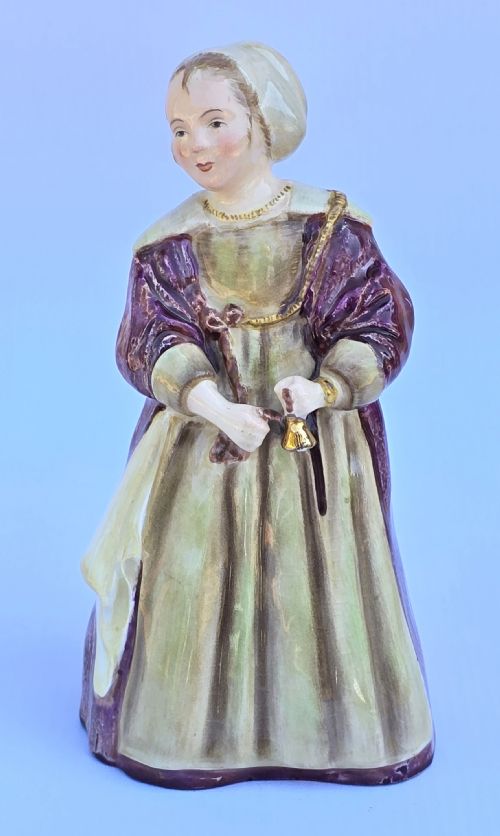


Glazed China Ornament
A glazed china ornament brings character and colour to a room, ranging from Staffordshire dogs to delicate eighteenth-century figures.
Glazed China Ornament
A glazed china ornament encompasses a broad selection of decorative ceramic objects designed for display, including figurines, vases, and small animal figures. When you search for this phrase, you meet items spanning several centuries, from seventeenth-century Chinese vases to twentieth-century English porcelain.
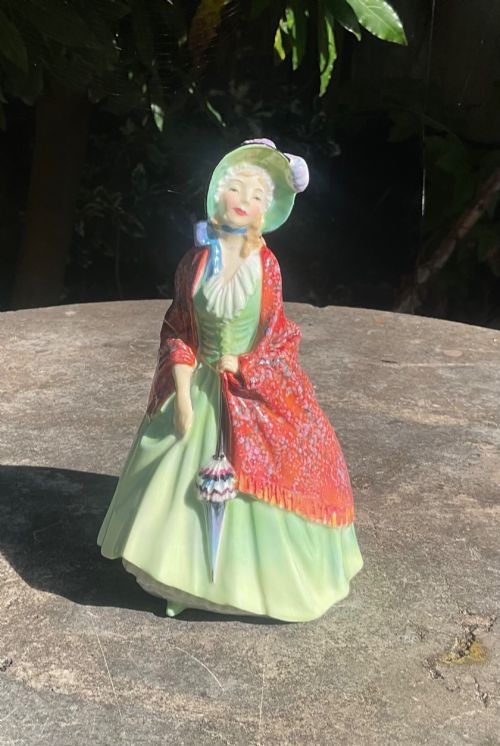
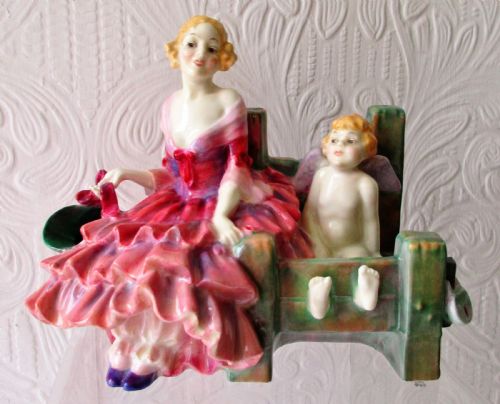
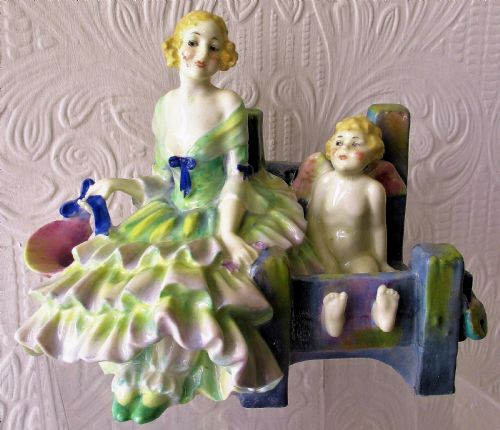
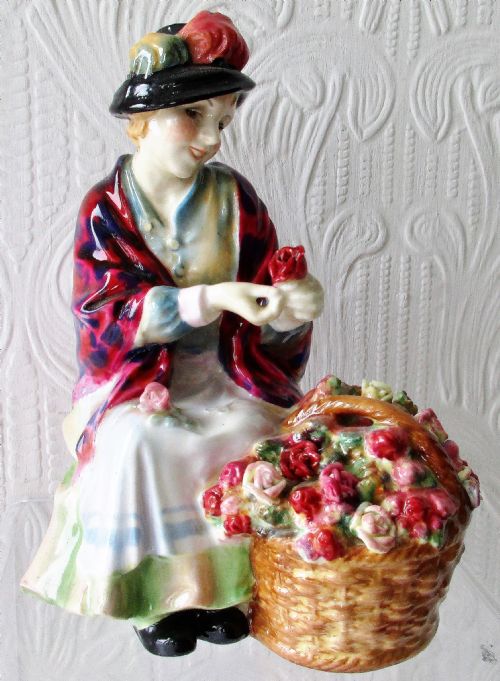
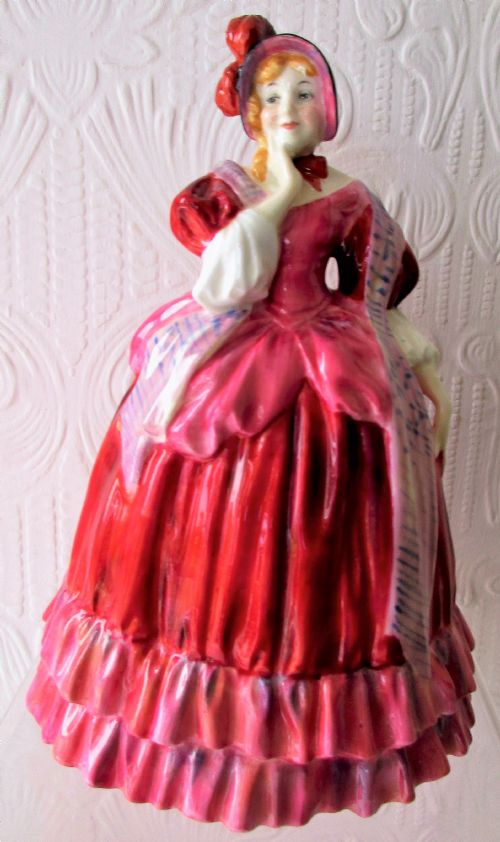
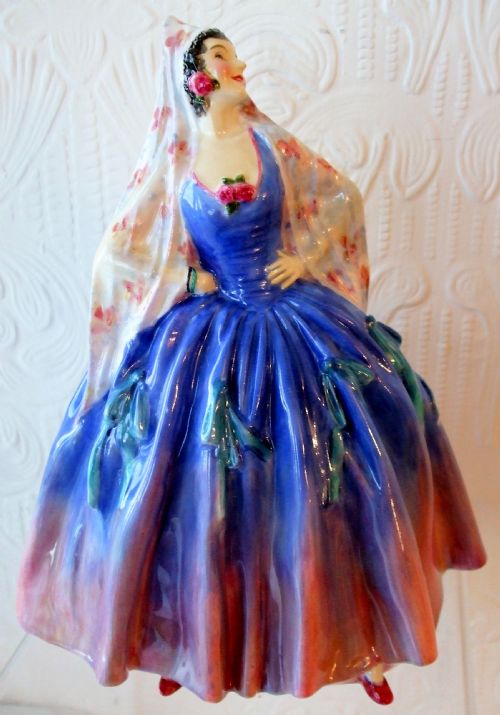
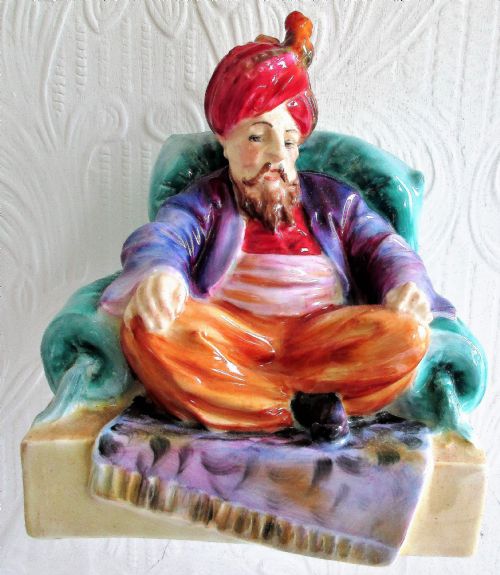
The selection on this page leans heavily towards twentieth-century English porcelain figurines by makers like Royal Doulton, alongside nineteenth-century Staffordshire dogs and continental porcelain figures. These pieces reflect diverse domestic tastes across the Victorian, Edwardian, and Art Deco periods.
Forms range from human figures engaged in everyday scenes and pastoral settings to pairs of pottery cows and spaniels meant for mantelpieces. Each era brings distinct modelling styles, from the robust earthenware of Staffordshire to the refined glaze of bone china and porcelain.
How they were made
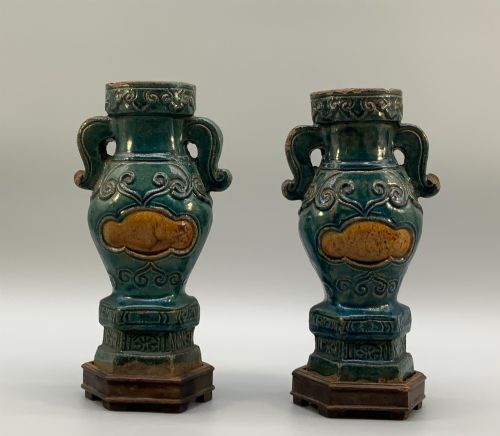
Makers shaped these ornaments using clay, bone china, earthenware, and porcelain, applying ceramic glaze and enamel to seal the surface and add colour. Early Chinese pieces utilise turquoise and amber glazes on Ming dynasty vessels, while later European works combine hand-painting with clear or coloured glazes.
Potters cast or moulded figures before firing them in kilns, often applying vitreous coatings that melted during firing to create a glossy finish. Details such as facial expressions and costume patterns were hand-painted over the glaze or onto the biscuit ware prior to a final firing.
Listings feature items spanning the 17th century to the 1940s, utilising bone china, earthenware, porcelain, and enamel glazes.
What varies in quality
The sophistication of the glaze and the complexity of the kiln work also distinguish standard production from superior artistry. Pieces that retain vibrant enamel colours and smooth, even surfaces represent the higher end of what workshops produced.
Royal Doulton·Wedgwood and Co Ltd·Mabel Lucie Attwell Shelley·Beswick
The Glazed China Ornament Glossary
- Bone china
- A type of soft-paste porcelain containing animal bone ash, producing a strong, milky-white body. It allows for thinner walls and delicate forms.
- Biscuit ware
- Unglazed fired ceramic that provides a porous base for subsequent enamel painting or glazing. It is common in continental figures.
- Earthenware
- Porous pottery fired at lower temperatures, commonly used for nineteenth-century Staffordshire animals and figures. It requires an opaque or clear glaze to become waterproof.
- Enamel
- Vitreous compositions fused to the surface of ceramics to provide colour and decoration. Enamels are often fired at lower temperatures after the initial glaze firing.
- Vitrine
- A glass-fronted display cabinet designed for showing porcelain figures and ornaments. These furniture pieces protect delicate ceramic items from dust.
Glazed China Ornament: Frequently Asked Questions
What is a glazed china ornament?
A glazed china ornament is a fired ceramic or porcelain decorative object coated in a vitreous layer for protection and shine. These pieces include figures, vases, and animals intended purely for display.
They appear across multiple centuries and styles, ranging from early Chinese vessels to twentieth-century English character figures.
How do I identify Staffordshire dogs?
Staffordshire dogs are earthenware figures typically modelled as seated spaniels, often produced in pairs for mantelpiece decoration during the nineteenth century. They feature painted facial details and distinct spot markings.
Potteries such as Staffordshire makers and Beswick produced these popular dogs in various sizes using traditional ceramic techniques.
What periods are represented?
The pieces span from the seventeenth century through to the mid-twentieth century. You will find examples from the Ming dynasty, the eighteenth century, and Victorian, Edwardian, and Art Deco eras.
Each period introduces specific stylistic traits, from Dutch Delft blue and white pottery to 1930s English porcelain figurines.
How should I clean these ornaments?
Clean glazed china ornaments gently with a soft, dry brush or a damp cloth without harsh detergents. Avoid soaking antique pieces, particularly those with overglaze enamel painting that might flake.
Display them away from direct sunlight to preserve the vibrancy of the enamel colours and glazes over time.