



White Porcelain Model
A white porcelain model brings expressive figures, mythological subjects, and natural forms into your room through delicate craftsmanship.
White Porcelain Model
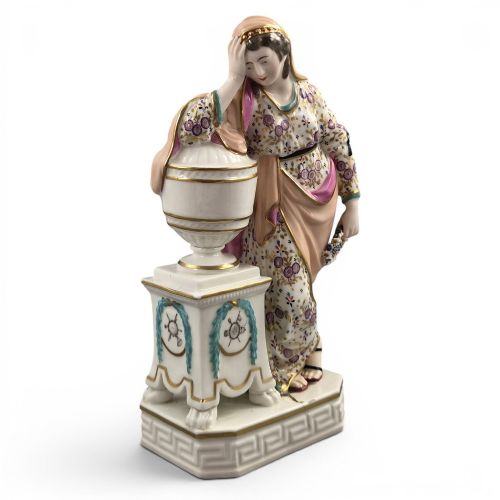
A white porcelain model represents sculptural figures and animals shaped in clay and fired in kilns, spanning Georgian and late Victorian periods. These pieces include mythological subjects, allegorical figures, paired lovers, and naturalistic animal studies created by factories such as Derby and Meissen.
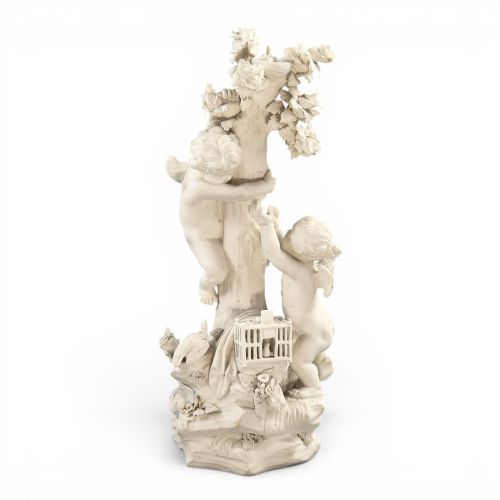
You are most likely to encounter eighteenth-century figures and nineteenth-century Continental representations on this page. The forms range from miniature dog figures and recumbent stags to elaborate sculptural groups adorned with bocage and enamel highlights.
How they were made
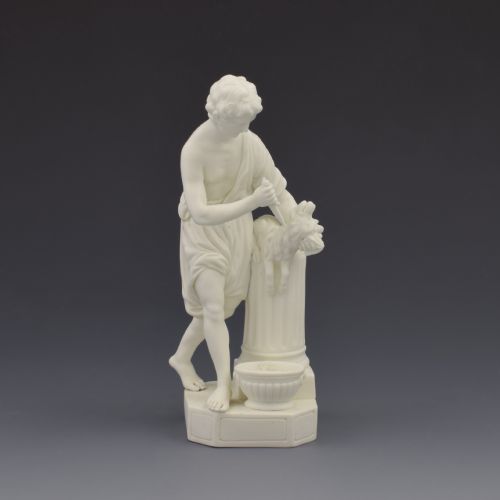
Potters utilised soft-paste porcelain, hard-paste porcelain, and biscuit porcelain to form these models. Biscuit porcelain remained unglazed to highlight the fine details of the modelling, while other examples received lead glaze or enamel decoration.
Makers occasionally applied gold leaf to accentuate specific details on the porcelain surface. The figures were cast or hand-modelled during the Georgian, eighteenth-century, and later nineteenth-century periods.
White Porcelain Model Retail Price Guide 2026
Typical asking prices for white porcelain model among the pieces listed under this phrase on Sellingantiques today, from the lower quarter to the upper quarter. They describe what is for sale here now, not the wider market.
Wild boars and cockatoos take their turn alongside classical heroes, proving that eighteenth-century shelf space welcomed the untamed just as warmly as mythology.
What varies in quality
The choice of porcelain body and surface finish influences the overall character. Unglazed biscuit porcelain relies entirely on the sculptor's skill, whereas enamelled and gilded versions depend on the crispness of the secondary decoration.
Derby·Meissen
The White Porcelain Model Glossary
- Biscuit Porcelain
- Unfired or unglazed porcelain that has been fired once, producing a matte, marble-like surface texture. This finish allows sculptural details to remain exceptionally sharp.
- Bocage
- An ornamental background of carved or applied foliage and leaves surrounding a ceramic figure. It is frequently seen on eighteenth-century animal and human models.
- Soft-Paste Porcelain
- An artificial porcelain composition fired at lower temperatures than hard-paste porcelain. It produces a warm, slightly translucent body common in early English figures.
- Lead Glaze
- A shiny vitreous coating applied to ceramics to waterproof the body and impart a smooth finish. It creates a reflective surface distinct from matte biscuit porcelain.
- Rococo
- An ornate artistic style characterised by asymmetry, scrollwork, and natural motifs. It heavily influences the stances and bases of mid-eighteenth-century figures.
White Porcelain Model: Frequently Asked Questions
What is a white porcelain model?
A white porcelain model is a ceramic sculpture depicting human figures, animals, or mythological scenes. These objects functioned primarily as decorative mantelpiece ornaments or table centrepieces in wealthy homes.
They showcase the sculptural capabilities of historic European potteries like Derby and Meissen. Collectors appreciate them for their artistic representation of eighteenth-century and Victorian aesthetics.
How were these figures used?
Historic households displayed these porcelain sculptures in parlours, drawing rooms, and dining rooms as conversation pieces. They reflected the owner's cultural interests, education, and social standing.
Unlike utilitarian tableware, these models served an exclusively ornamental purpose. They were arranged on surfaces where guests could admire their fine details and classical subjects.
How do I live with porcelain models?
Place these delicate sculptures on stable, secure surfaces away from heavy foot traffic or direct vibration. Displaying them inside enclosed cabinets protects the fine biscuit or glazed surfaces from dust and accidental knocks.
Keep them away from direct sunlight to preserve any subtle enamel colours or gold leaf highlights. Gentle dusting with a soft brush is usually sufficient for routine maintenance.
How can I tell the periods apart?
Georgian and eighteenth-century models often feature characteristic Rococo or Neoclassical styling, soft-paste bodies, and detailed hand-modelling such as bocage. They frequently depict classical figures, allegories, or rustic pairings.
Late nineteenth-century pieces, including Parian ware and Continental items, display different manufacturing techniques and paste compositions. Examining the base, glaze texture, and stylistic cues helps determine the era of production.