


Antique Crested Porcelain
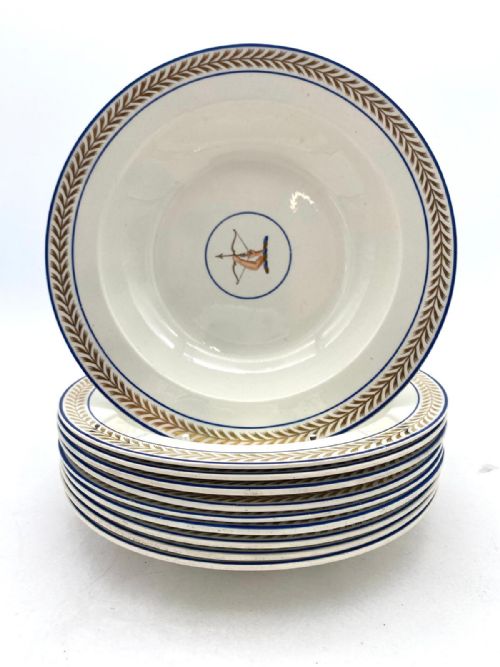
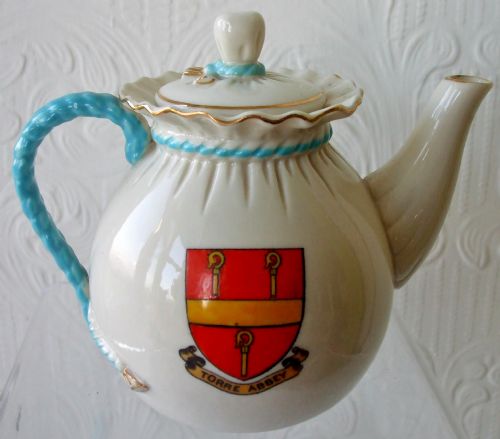
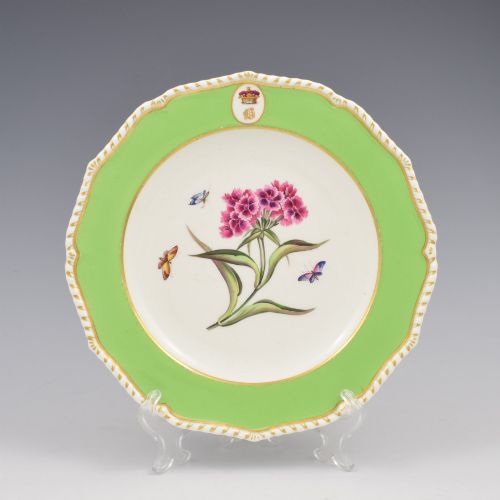
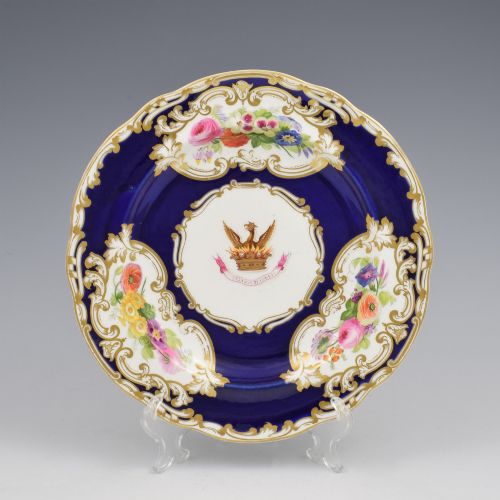
Antique crested porcelain comprises armorial plates, bowls and tea wares bearing hand-painted family crests and coats of arms, prized for their direct link to historical lineages.
Antique Crested Porcelain
When you search for antique crested porcelain, you encounter ceramic items painted with heraldic crests, coats of arms, or armorial devices. These pieces span eighteenth-century creamware and bone china through to nineteenth-century porcelain and glazed pottery.
You are most likely to meet Georgian and Regency armorial plates and teacups, alongside Victorian services and Japanese Satsuma wares bearing the Shimazu crest. Forms range from pudding bowls and entrée dishes to teapots, vases, and decorative plates.
The objects originate from English factories such as Worcester, Copeland, and Coalport, as well as Chinese export kilns and continental workshops like Meissen and Samson of Paris. Each piece displays specific heraldic detailing tied to particular families or institutions.
Materials and production methods
The body of the ware relies upon porcelain, bone china, creamware, earthenware, or glazed pottery shaped on the wheel or pressed in moulds. Makers then applied hand-painted enamel colours and gold leaf to render intricate coats of arms and armorial crests.
Firing techniques varied from early earthenware kilns producing creamware pudding bowls to high-fired porcelain and Satsuma earthenware decorated with detailed figural scenes and mon symbols.
Listings feature porcelain, bone china, creamware, and glazed pottery decorated with enamel and gold leaf across the Georgian, Regency, and Victorian periods.
Assessing quality in armorial ceramics
Quality rests upon the crispness of the hand-painted heraldry and the precision of the enamel work and gilding. Superior pieces exhibit finely detailed family crests executed by skilled hands rather than hurried transfers or flat washes of colour.
The refinement of the ceramic body itself dictates value, distinguishing delicate porcelain teacups and Chamberlain Worcester plates from heavier glazed pottery or standard earthenware.
Wedgwood·W.H. Goss·Bloor Derby·Copeland·Hotoda·Chamberlain Worcester·Nikko·Kizan·Kinkozan·Flight, Barr and Barr·Samson Of Paris·Meissen·Coalport
The Antique Crested Porcelain Glossary
- Armorial
- Bearing a coat of arms or heraldic crest. This term describes ceramics commissioned by noble families to display their lineage.
- Creamware
- A refined light-coloured earthenware developed in the eighteenth century. Wedgwood and other potteries utilised this body for functional and decorative tablewares.
- Mon
- A Japanese emblem or crest used to decorate objects. Satsuma vessels frequently incorporate the Shimazu mon.
- Gilding
- The application of gold leaf or gold paint to ceramic surfaces. It highlights borders, handles, and heraldic details on fine porcelain.
- Enamel
- Opaque glass used as a coloured paint on ceramics. Artisans applied enamels over the glaze to depict intricate coats of arms.
Antique Crested Porcelain: Frequently Asked Questions
What is antique crested porcelain?
Antique crested porcelain consists of ceramic plates, bowls, and tea services painted with specific family coats of arms, crests, or armorial devices.
Commissioned by nobility and landed families, these pieces served dining and display functions while recording personal lineage.
How do I identify the family crest?
Identifying the crest involves examining the heraldic motifs, mottoes, and supporters painted alongside the main shield. Reference books on British and European armory help match these symbols to historical families.
Makers often inscribed family names or titles directly onto the reverse or alongside the crest.
How should I display these pieces?
Plates and chargers look best mounted securely in wall-hanging brackets or displayed upright on plate stands within cabinets. Fully glazed bowls and vases suit open shelving where their painted decoration remains visible from multiple angles.