

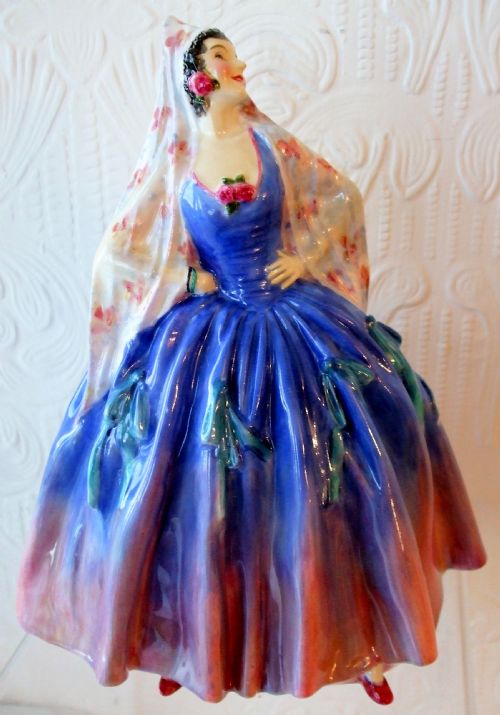
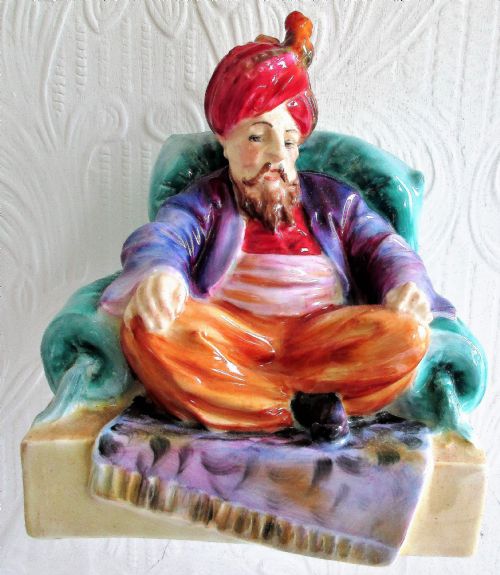


Glazed Ceramic Statuette
A glazed ceramic statuette brings personality to a room, capturing human characters, animals and pastoral scenes in fired clay and pigment.
Glazed Ceramic Statuette
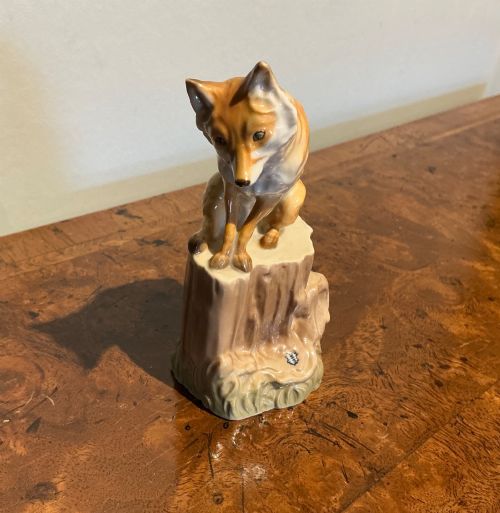
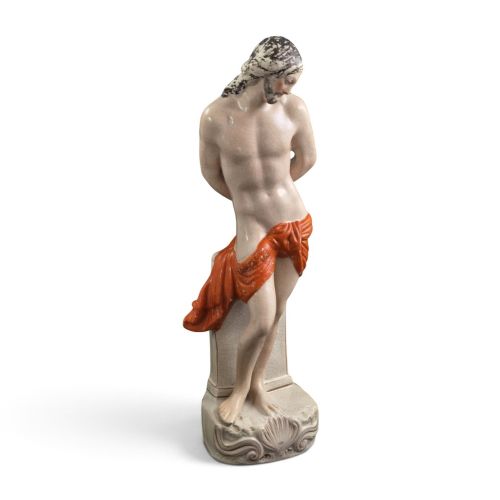
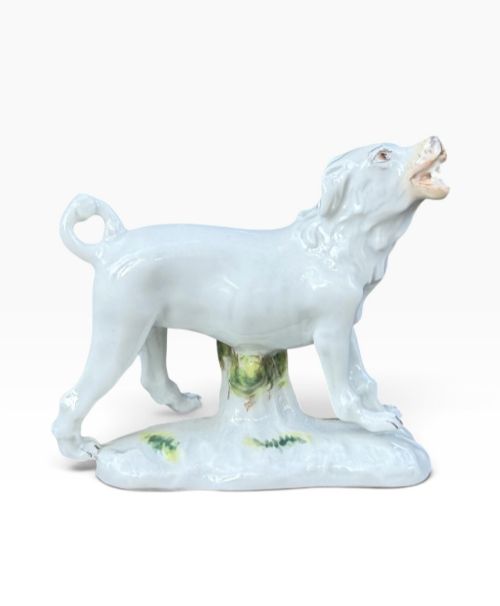
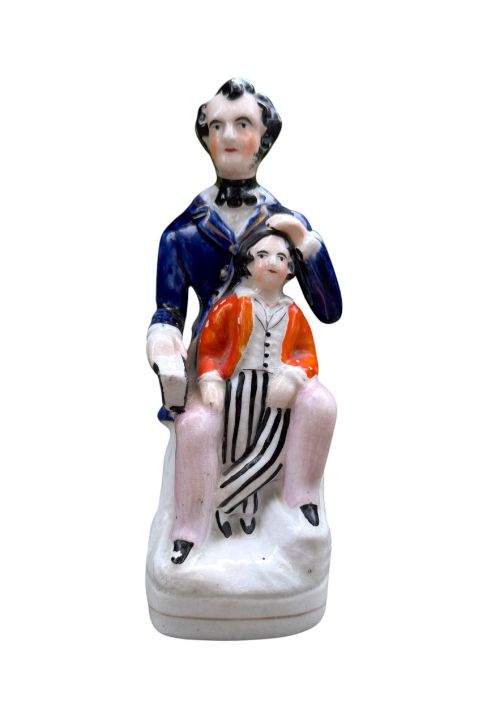
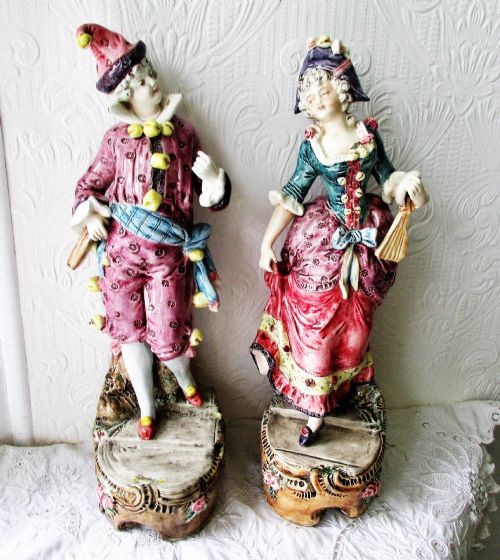
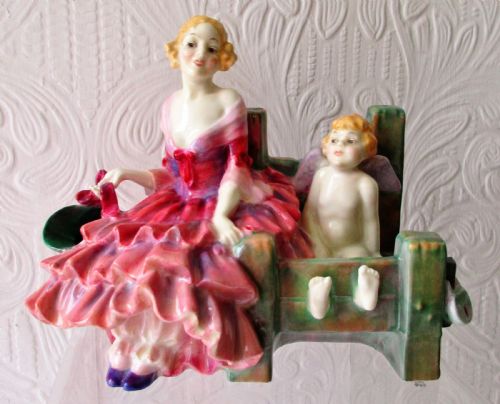
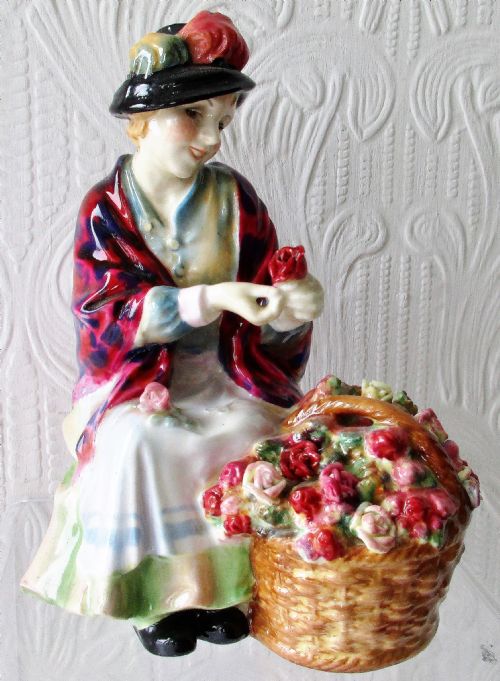
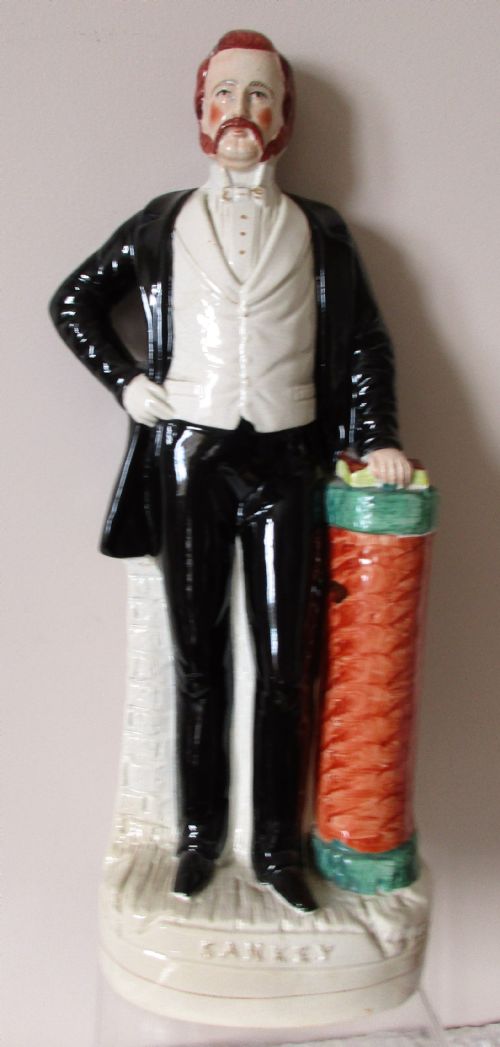
A glazed ceramic statuette encompasses moulded earthenware, bone china and porcelain figures representing people, animals and allegorical subjects. These objects range from nineteenth century Staffordshire portrait flatbacks and Victorian mantle ornaments to Art Deco French cats and twentieth century bone china characters.
The pieces emerge from diverse traditions, including English potteries, continental European porcelain manufactories such as Meissen and Royal Dux, and Asian ceramic workshops. Buyers encounter everything from simple folk pottery figures to elaborate pastoral groups and animal studies.
Victorian Staffordshire pieces and twentieth century porcelain figures dominate the selection, offering domestic subjects, literary characters and historical figures. Each statuette preserves the aesthetic preferences and modeling techniques of its specific period of origin.
Materials and Construction
Makers shaped these statuettes using soft-paste porcelain, hard-paste porcelain, bone china, earthenware and pottery, often finishing the surface with lead glaze, enamel or gold leaf accents. The body material determines the weight, translucency and crispness of detail achieved during the moulding process.
Kiln firing fixed the initial clay form before painters applied enamel colours and transparent or opaque glazes, sometimes requiring multiple firings to bond the surface decoration. Certain French and German pieces incorporated glass eyes or specialised sancai glazes to enhance texture and realism.
Materials span earthenware, bone china and porcelain, decorated with enamel, lead glaze and gold leaf.
Evaluating Quality and Execution
Quality rests primarily in the precision of the modeling and the delicacy of the hand-painted enamel work. Superior pieces exhibit crisp facial expressions, well-defined drapery folds and careful placement of glaze without pooling or running.
The sophistication of the original design and the reputation of the factory distinguish exceptional statuettes from routine commercial output. Fine examples retain their original gilding and surface crispness, showing minimal wear to the delicate extremities and painted details.
Royal Doulton·Royal Worcester·Meissen·Wedgwood and Co. Ltd·Royal Dux·Bloor Derby·Fürstenberg·Nymphenburg
The Glazed Ceramic Statuette Glossary
- Flatback
- A Staffordshire figure moulded with a finished front and a flat, unglazed or minimally decorated rear designed to stand flush against a wall. These pieces typically sat on nineteenth century mantelpieces.
- Glaze
- A glassy coating fused to ceramic body through firing, providing waterproof qualities and a glossy finish. Lead glazes often present a characteristic warm sheen on earthenware figures.
- Bone China
- A type of porcelain incorporating bone ash, yielding a strong, milky-white body with high translucency. Twentieth century manufacturers utilised this material for detailed character figurines.
- Enamel
- Low-firing coloured glass applied over a fired glaze and fused in a secondary kiln operation. This technique allowed makers to achieve vibrant polychrome decoration on porcelain statuettes.
- Biscuit
- Unglazed porcelain fired once to a porous state, often used by European factories for figures with a matte, marble-like texture.
Glazed Ceramic Statuette: Frequently Asked Questions
How do I clean an antique glazed ceramic statuette?
Dust the surface gently with a soft, dry brush to remove particulate matter without abrading the painted details or gold leaf.
Avoid immersing antique earthenware or ceramic figures in water, as moisture can penetrate hairline cracks in old glaze and weaken the clay body.
What distinguishes Staffordshire figures from porcelain statuettes?
Staffordshire figures are typically constructed from heavier earthenware pottery with opaque lead glazes, reflecting domestic English production methods.
Porcelain statuettes utilise finer clay bodies that offer greater translucency, sharper moulding details, and higher firing temperatures associated with continental factories.
How can I tell the period of a glazed ceramic figure?
Examine the base, glaze characteristics, and painting style for clues pointing to manufacturing techniques of the nineteenth or twentieth century. Factory marks and impressed numbers, when present, provide a direct reference to the active years of the maker.
Stylistic cues such as Victorian costume details or Art Deco geometric forms further narrow down the date of creation.
Where should I display ceramic statuettes in my home?
Place figures in stable locations away from high traffic areas, direct sunlight, and extreme temperature fluctuations that might stress the ceramic body.
Enclosed cabinets or sturdy shelves protect delicate appendages like outstretched hands or animal ears from accidental impacts.