

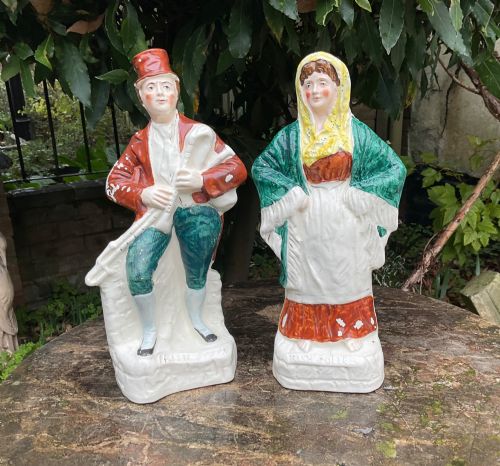
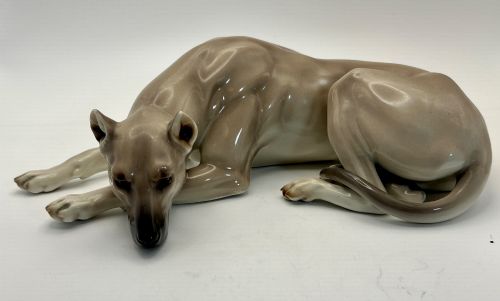
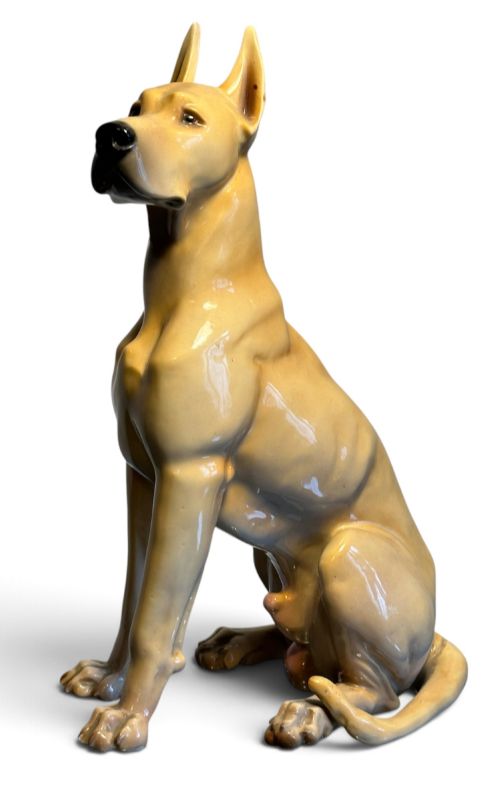
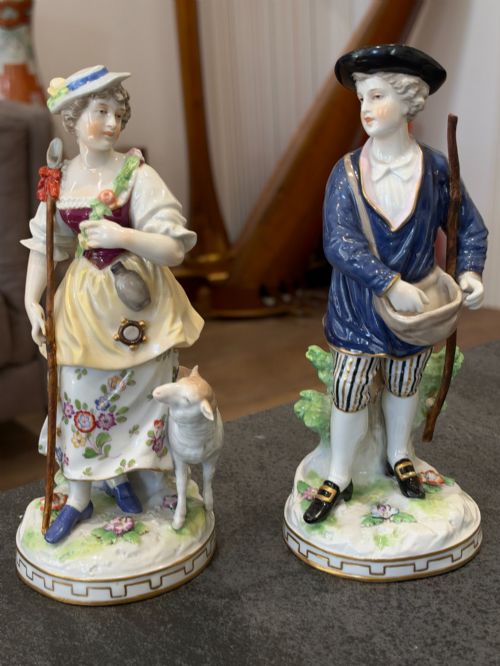

Glazed Ceramic Figure
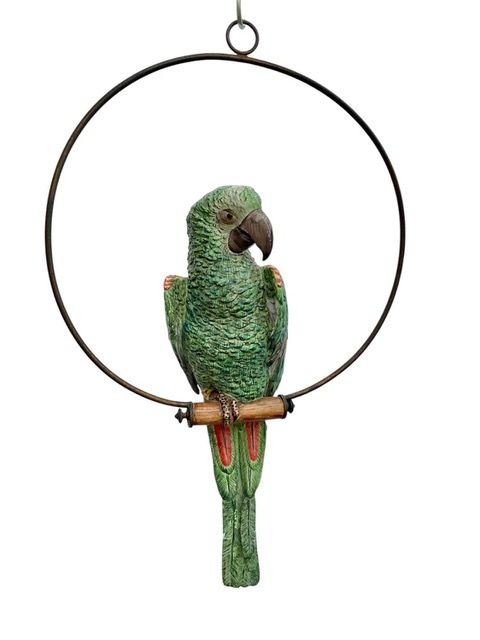
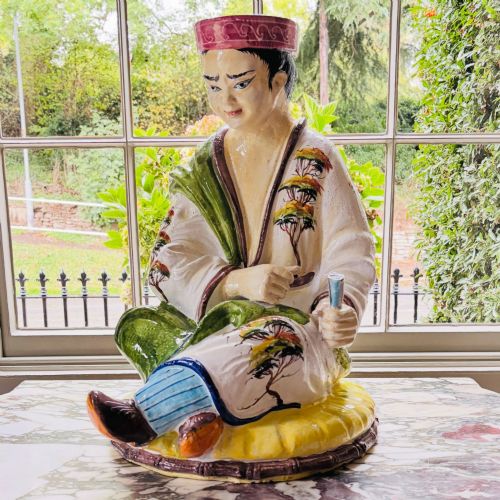
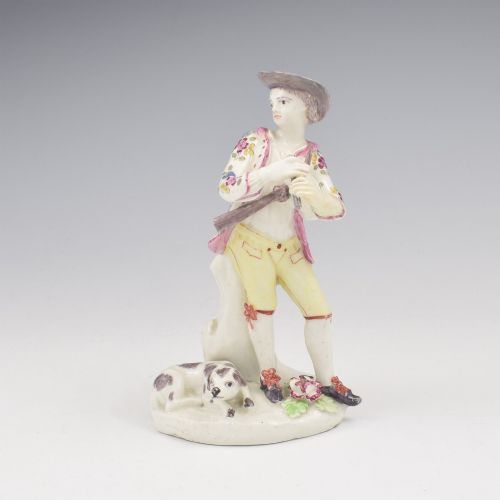
When you search for a glazed ceramic figure, you enter a diverse world of earthenware, porcelain and pottery shaped into animals, people and symbolic forms over centuries.
Glazed Ceramic Figure
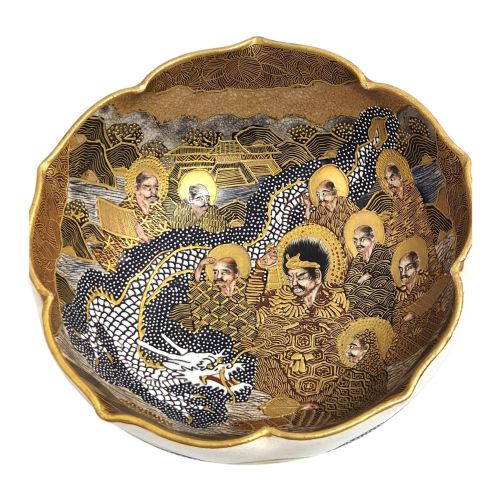
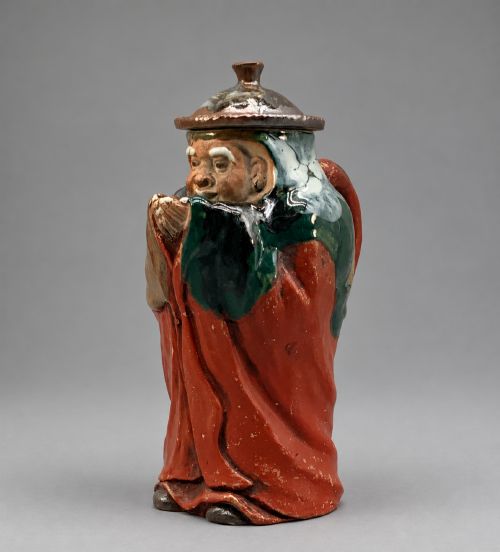
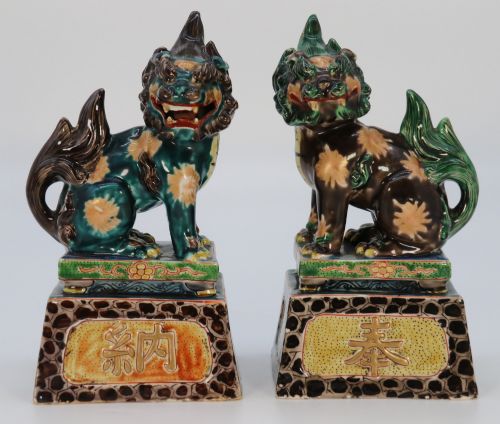
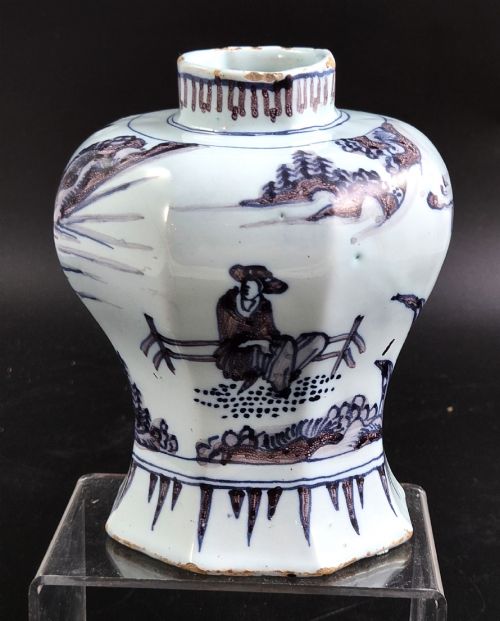
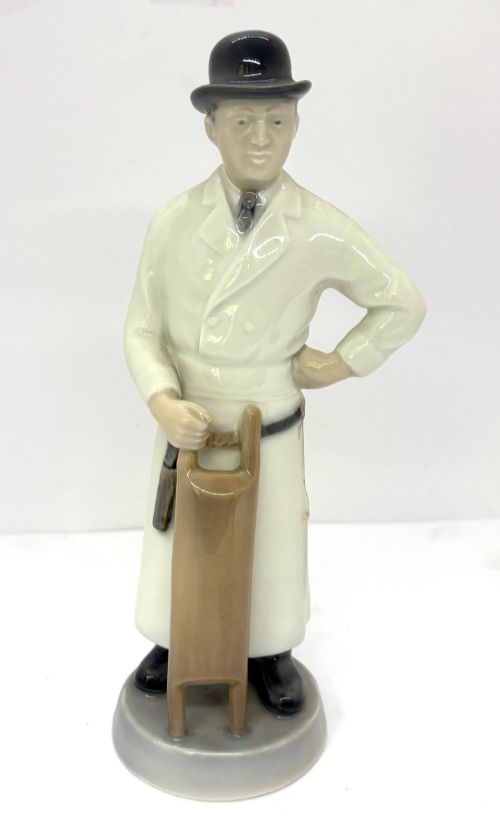
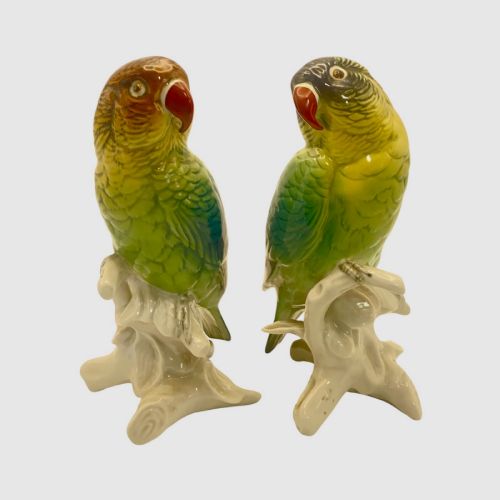
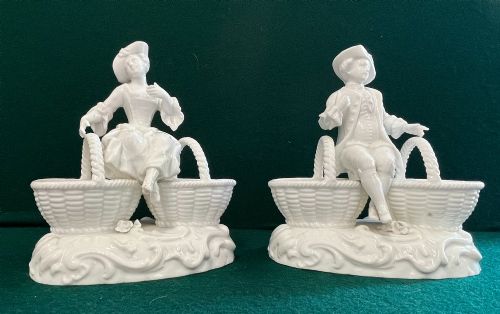
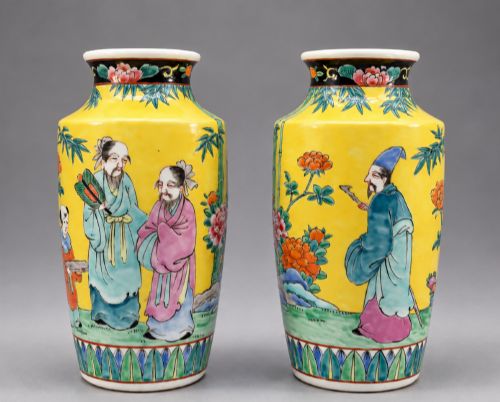
A glazed ceramic figure encompasses a wide variety of sculptural forms created across multiple periods, ranging from Staffordshire pottery animals and Victorian portrait subjects to delicate continental porcelain dogs and birds. Buyers exploring this category encounter both European studio pottery and traditional Asian works, including Japanese Sumida Gawa wares and Chinese export pieces.
The versions most frequently met on this page include nineteenth-century Staffordshire earthenware dogs, lions and historical figures alongside early twentieth-century porcelain figurines and Japanese ceramic vases featuring modelled figures in relief. These objects bridge the gap between utilitarian vessels and pure sculpture, often taking the form of spill vases, tobacco jars or freestanding decorative ornaments.
Materials and production methods
Makers shaped these pieces using earthenware, stoneware or porcelain, applying liquid clay slips and colourful enamels before firing the bodies in kilns. The application of transparent or opaque glazes provided a glossy surface finish, sealing the porous clay body beneath.
Specialised techniques such as flambe glazing created mottled, runs of colour on Japanese vessels, while hand-sculpting and mould-pressing allowed artisans to capture intricate details in animal fur, facial expressions and period garments.
Glazed Ceramic Figure Retail Price Guide 2026
Typical asking prices for glazed ceramic figure among the pieces listed under this phrase on Sellingantiques today, from the lower quarter to the upper quarter. They describe what is for sale here now, not the wider market.
Current listings feature earthenware, porcelain, stoneware and terracotta forms originating from Victorian Britain, Meiji Japan, and twentieth-century European studios.
Factors influencing quality
Artistic authorship and technical execution distinguish masterworks from standard commercial production. Pieces bearing the signatures of renowned ceramicists or originating from celebrated factories exhibit superior proportions, balanced compositions and sophisticated glaze chemistry.
Karl Ens·Royal Doulton·Charles Vyse·Inoue Ryosai
The Glazed Ceramic Figure Glossary
- Earthenware
- A porous pottery body fired at relatively low temperatures which requires an impervious glaze to hold liquids. It represents the foundation of much traditional Staffordshire and European folk sculpture.
- Flambe glaze
- A variegated, streaked metallic glaze developed in East Asian kilns and later adopted by international potters. It creates unpredictable pools of vibrant colour during high-temperature firing.
- Spill vase
- A hollow cylindrical ceramic vessel designed to hold taper candles or wooden spills for lighting pipes and fires. These often incorporate sculptural figures of animals or humans directly onto the base.
- Famille rose
- A Chinese porcelain palette dominated by opaque pink enamel introduced during the Qing dynasty. It allowed artists to render delicate floral and figural scenes with subtle tonal gradations.
Glazed Ceramic Figure: Frequently Asked Questions
What is a glazed ceramic figure?
A glazed ceramic figure is a modelled sculpture made from clay, earthenware or porcelain that has been coated in a vitreous layer and fired for durability and decoration. These objects range from small animal ornaments to complex historical portrait groups.
They function primarily as decorative art, though many older examples combined sculpture with practical uses like holding matches, flowers or taper spills.
How do I care for antique pottery?
Antique pottery requires gentle handling and placement away from direct sunlight and dramatic temperature fluctuations. Clean them gently with a dry, soft brush to remove dust rather than using harsh liquid cleaners.
Avoid immersing old earthenware pieces in water, as aged glazes can develop fine cracks that absorb moisture and discolour the underlying clay body over time.
How do I date a ceramic figure?
Dating a ceramic piece involves examining the base clay, the style of the glaze, the pigments used in any enamel painting and any maker marks or impressed stamps. Stylistic details in clothing, hair and subject matter often provide strong clues to the period of origin.
Comparing the manufacturing technique against known factory timelines helps narrow down the decade of production for marked pieces.
Where were these figures displayed?
Historically, these figures occupied prominent positions in domestic interiors such as mantelpieces, drawing-room sideboards and display cabinets. They served as conversation pieces, displays of patriotism or reflections of personal taste.
Larger sculptural vases and okimono were placed in dedicated alcoves or centre tables to highlight the owner's appreciation for fine craftsmanship.