




Glazed Ceramic Bird
These glazed ceramic bird figures and vessels range from seventeenth-century Delftware to twentieth-century porcelain parrots, bringing avian forms into domestic display.
Glazed Ceramic Bird
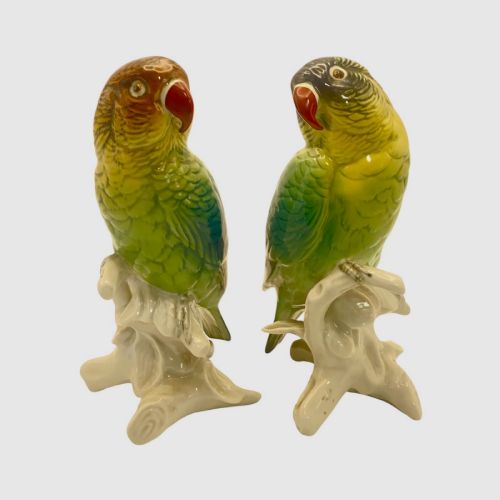
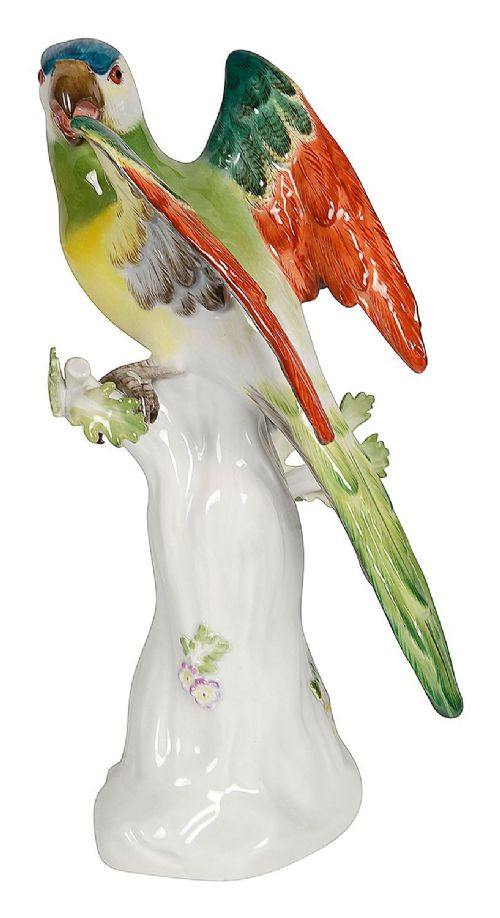
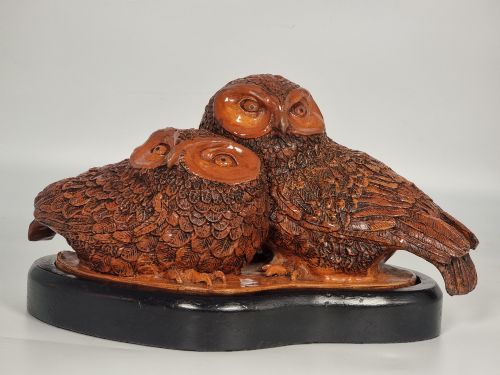
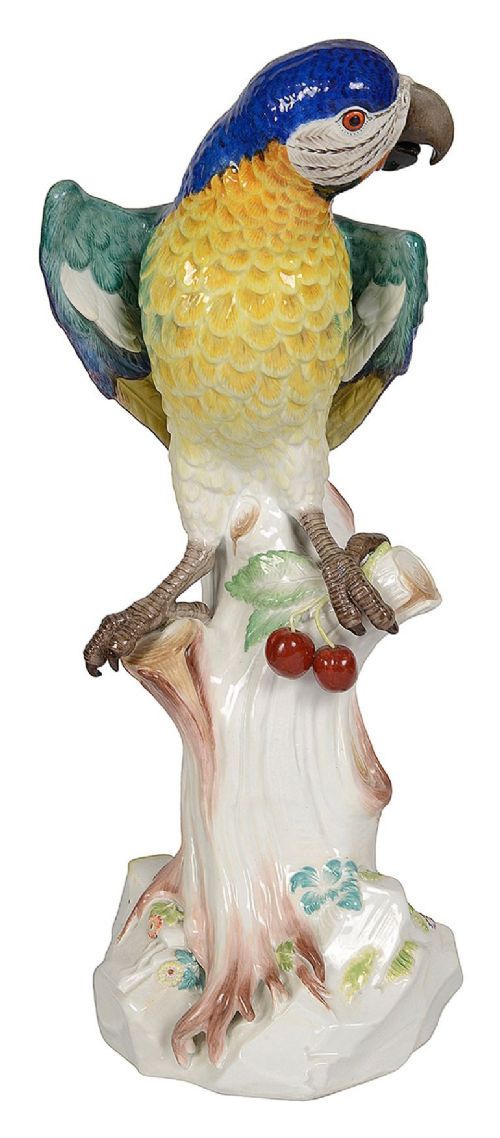
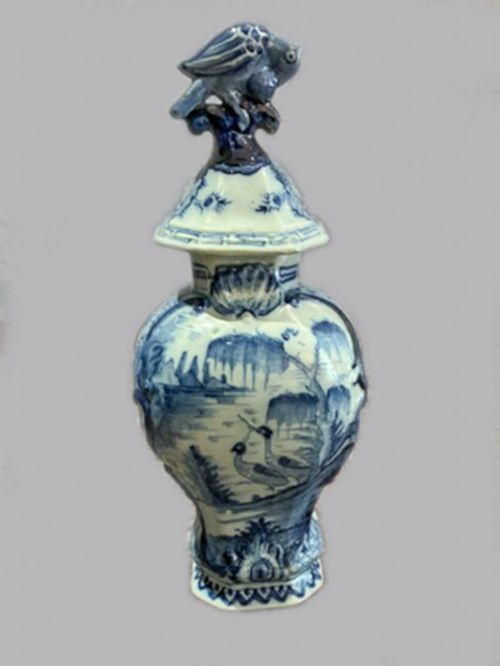
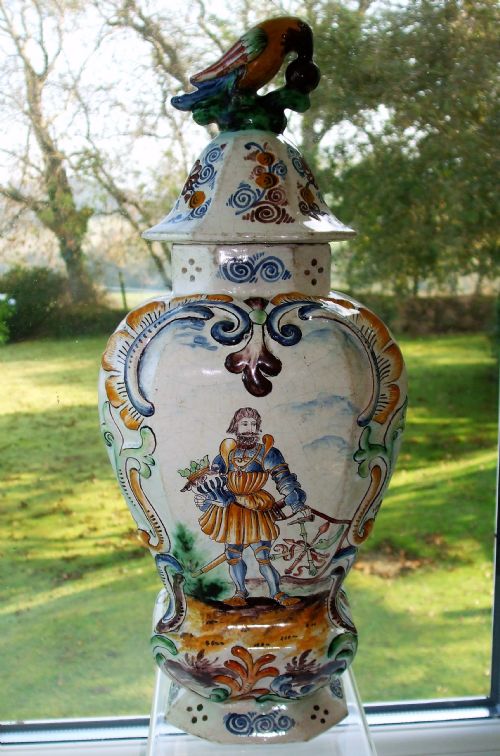
A glazed ceramic bird encompasses figures of parrots, owls, cockatoos, and pheasants alongside vessels painted with avian motifs from European and Asian traditions. Buyers encounter everything from large Meissen and Karl Ens porcelain parrots to Staffordshire earthenware figures and Dutch Delft jars.
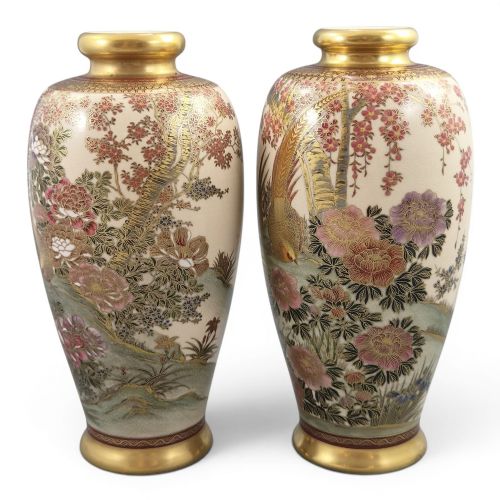
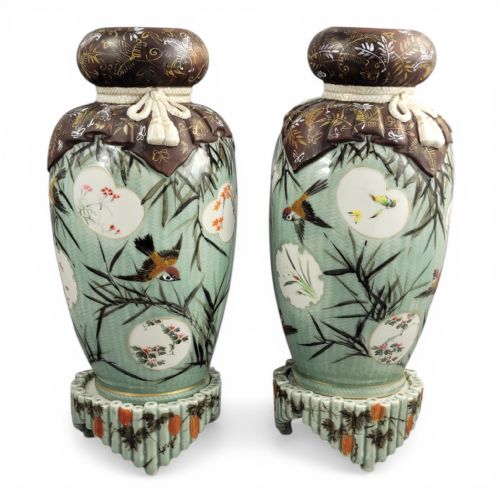
The selections span centuries of production, drawing on styles from the Qing Dynasty, Victorian majolica, and Art Deco design. Figures of cockerels, partridge-tureens, and birds perched on hoops sit alongside tiles and vases featuring hand-painted herons and exotic fowl.
Most examples originate from British, German, Dutch, and Japanese potteries, reflecting regional shifts in ceramic body composition and glaze chemistry. These objects served variously as mantel ornaments, tableware, umbrella stands, and architectural tiles.
How They Were Made
Makers shaped these pieces using earthenware, porcelain, ironstone, and stoneware bodies, often casting them in moulds before hand-sculpting surface details. Potters applied tin glazes, Sancai glazes, majolica enamels, and polychrome pigments directly to the clay body.
Firing techniques varied from low-temperature earthenware kilns to high-firing porcelain furnaces, determining the vitrification of the ceramic and the depth of the glaze. Artisans utilised gold leaf, cobalt blue, and enamel colours to render plumage and floral backgrounds.
Some nineteenth-century Staffordshire parrots sat so convincingly on their ceramic hoops that visiting cats reportedly hissed at them.
What Varies In Quality
The finesse of the modeling separates mass-produced wares from masterworks, evident in the crisp rendering of feathers, claws, and facial expressions. Anatomical accuracy and sculptural ambition distinguish works by established factories and studio potters from simpler domestic items.
Glaze application and colour saturation dictate visual success, with superior pieces showing controlled pooling of enamels and vibrant polychrome contrast. The preservation of original hand-painted details and the crispness of moulded relief lines define the upper tier of the range.
Karl Ens·Meissen·Manpei·Kato Sanhei·Chamberlain Worcester·Mason·Makuzu Kozan II·Le Manceau·Volkstedt·Minton and Hollins·Doulton Lambeth·George Jones·Falcon Ware
The Glazed Ceramic Bird Glossary
- Majolica
- A type of earthenware coated with an opaque tin-lead glaze and painted with brightly coloured metal oxides. It achieved widespread popularity in the nineteenth century for decorative gardenwares and animal figures.
- Delftware
- Tin-glazed earthenware produced in the Netherlands, typically featuring white surfaces painted with blue or polychrome motifs. Traditional pieces frequently depict Chinoiserie landscapes and animals.
- Earthenware
- Porous pottery fired at lower temperatures, requiring a glaze to achieve impermeability to liquids. It forms the foundation for many nineteenth-century animal figures and tiles.
- Porcelain
- A vitrified ceramic material made from kaolin and petuntse, fired at high temperatures to produce a dense, white, translucent body. It allows for fine detail and ringing resonance when struck.
- Chinoiserie
- European artistic style reflecting Chinese aesthetic influences, prominent in ceramics and decorative arts during the seventeenth and eighteenth centuries.
Glazed Ceramic Bird: Frequently Asked Questions
How do I clean an antique ceramic bird?
Dust surfaces gently with a soft, dry brush to prevent accumulation in crevices and feathered details. Avoid harsh cleaning solutions or submerging antique pieces in water, particularly those with delicate overglaze enamels or restored sections.
Inspect the glaze condition before attempting any moisture-based cleaning. Unglazed ceramic bodies or antique earthenware require particular caution to prevent moisture absorption.
How do I identify the period of a glazed bird?
Examine the base for factory marks, impressed numbers, and painter signatures that correlate with known operational dates. The composition of the ceramic body, whether soft earthenware or hard-paste porcelain, also indicates the likely era of production.
Compare the glaze type and stylistic conventions, such as Victorian majolica colouring or Art Deco geometric lines, against established reference examples from specific potteries.
Can these pieces be displayed outdoors?
Interior display remains safest for antique ceramics, as frost and sudden temperature fluctuations cause historic glazes to craze and flake. Historic earthenware and majolica bodies absorb moisture that expands in cold weather.
Keep pieces away from direct, prolonged sunlight to prevent fading of polychrome enamels and overglaze decorations.