
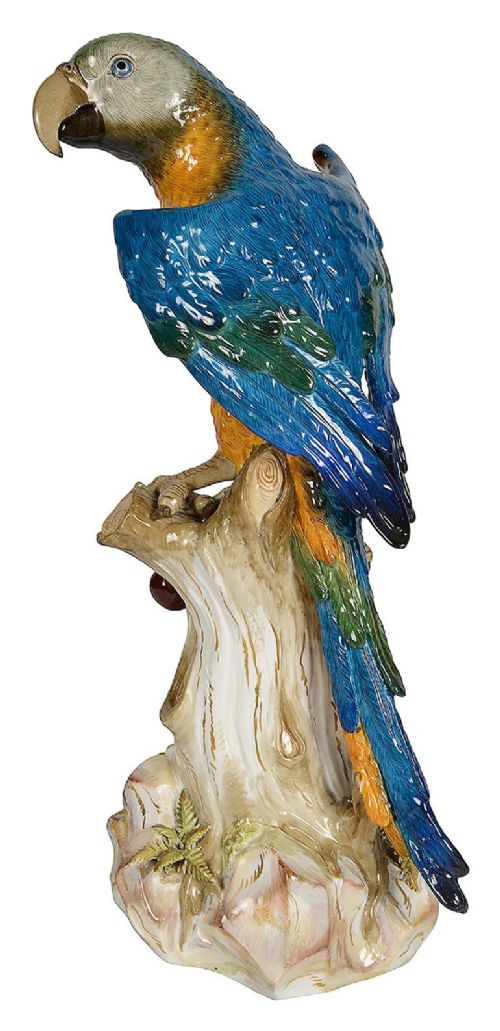


Victorian Meissen Figurine
These Victorian meissen figurine pieces bring vibrant nineteenth-century German porcelain artistry into a room, prized for their expressive detail and rich hand-painted decoration.
Victorian Meissen Figurine
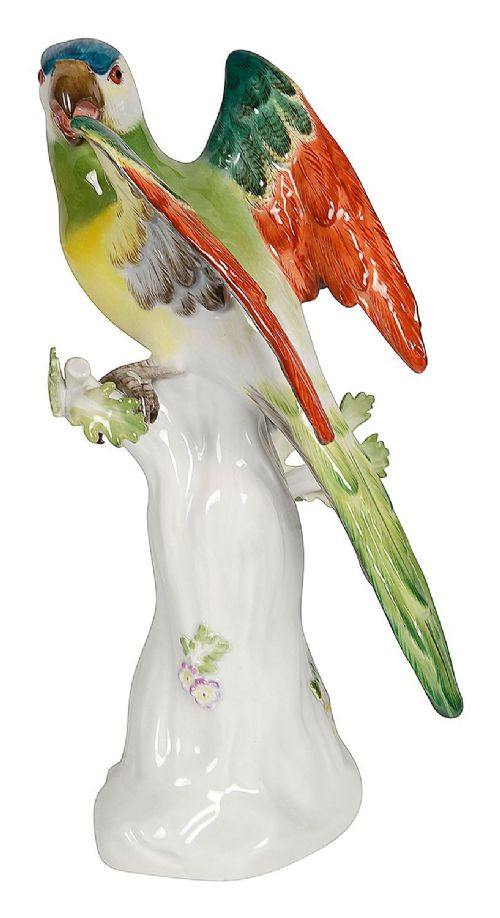
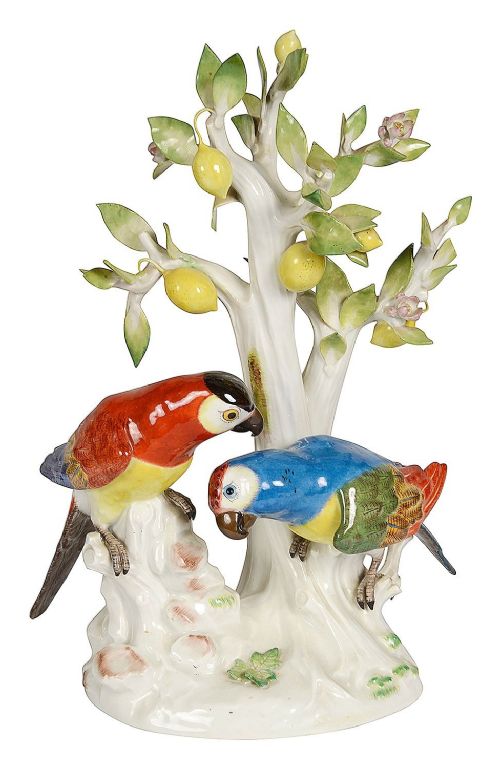
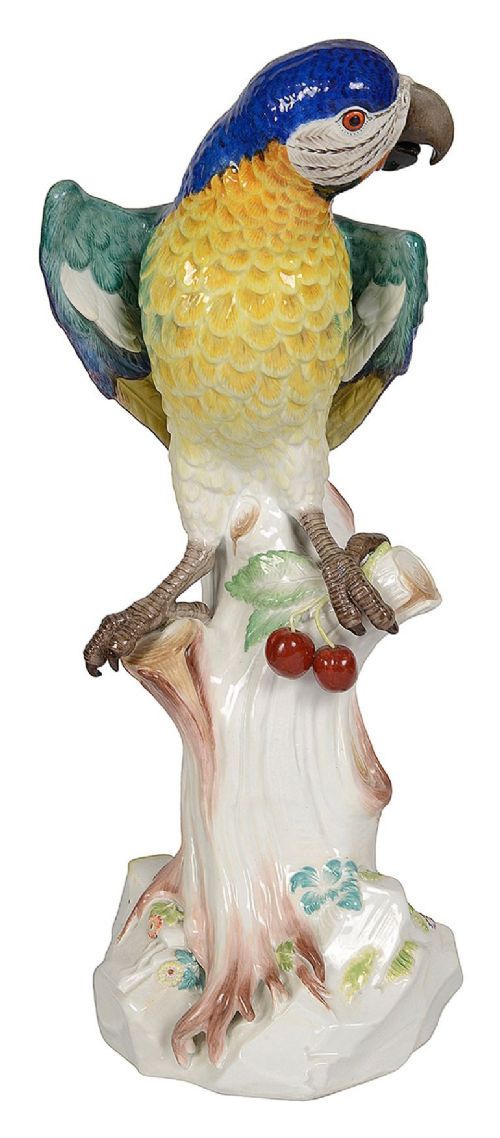
A victorian meissen figurine search brings up nineteenth-century German porcelain, predominantly featuring elaborate figures and decorative groups. Buyers encounter parrots, romantic groups, musicians, and mythological scenes such as the Drunken Silenus.
The selections span the nineteenth century, including specific dates from 1850 to 1890 alongside general Victorian designations. Alongside actual Meissen pieces, the listings encompass works by Edmé Samson, Helena Wolfsohn, and Sitzendorf.
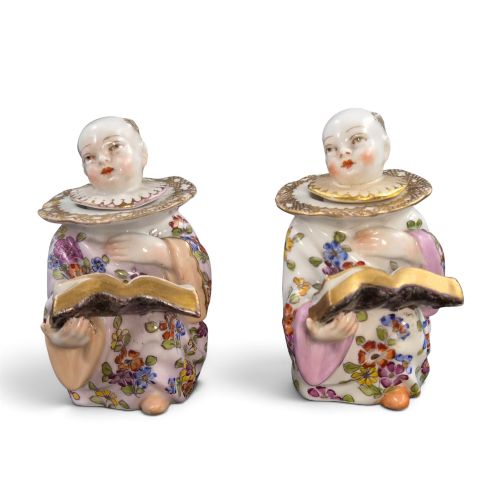
Formats vary widely from single large bird figures and figural inkwells to multi-figure groups depicting children in gardens or historical conquests. These objects serve purely decorative and expressive functions within nineteenth-century interior aesthetics.
Variations in quality
Quality rests in the precision of the modelling and the finesse of the hand-painted enamels, distinguishing master workshops from secondary imitations. Superior examples display crisp plumage on parrots and finely articulated facial expressions in multi-figure groups.
The application of gilt and gold leaf separates standard production from exceptional work, as does the complexity of the subject matter, such as large scale pairs or intricate mythological narratives.
Listings feature hard-paste porcelain, enamel, gold leaf, and gilt across Victorian, Rococo Revival, and Chinoiserie styles.
Edmé Samson·Helena Wolfsohn·Sitzendorf
The Victorian Meissen Figurine Glossary
- Hard-paste porcelain
- A dense, vitrified ceramic composed of kaolin and petuntse, fired at high temperatures to create a durable, non-porous body.
- Enamel glaze
- A vitreous coating fused to the porcelain surface during firing, providing a glossy finish and sealing painted pigments.
- Gilt
- A thin layer of gold applied to the porcelain surface to highlight specific decorative elements.
- Rococo Revival
- A nineteenth-century design style drawing on eighteenth-century asymmetrical scrollwork, natural motifs, and ornate flourishes.
- Figural inkwell
- A functional desk accessory incorporating sculptural figures into its overall design.
Victorian Meissen Figurine: Frequently Asked Questions
What subjects do these figures show?
The pieces display a broad range of subjects, including large parrots, children playing in gardens, musicians, and classical scenes like Alexander the Great or the Drunken Silenus.
Makers also produced figural inkwells and romantic figure groups, reflecting nineteenth-century tastes for both nature and historicism.
Are all these items actually Meissen?
While many pieces originate from Meissen, the selection also includes works from other European factories and decorators such as Sitzendorf, Helena Wolfsohn, and Edmé Samson.
Some listings capture the Meissen style or originate from the broader nineteenth-century German porcelain tradition rather than the Meissen manufactory itself.
How large are these nineteenth-century figures?
Dimensions vary considerably depending on the specific form, ranging from intimate desk accessories to substantial display pieces.
Individual bird sculptures reach heights up to forty-three centimetres, while multi-figure groups and pairs occupy larger spatial footprints.
What periods do the listings cover?
The available items date from the nineteenth century, with specific pieces attributed to years such as 1850, 1870, 1880, and 1890.
Styles span from Rococo Revival and Chinoiserie to nineteenth-century historicism and Victorian Continental design.