
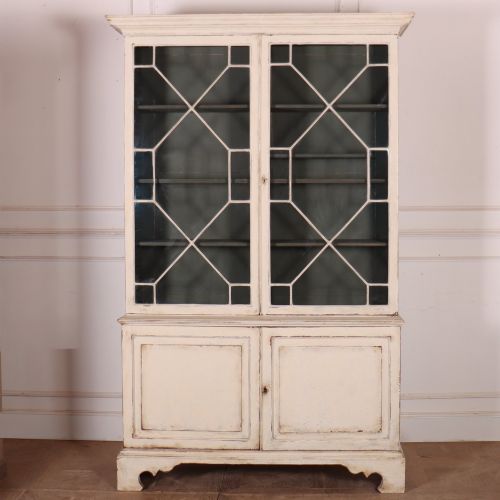
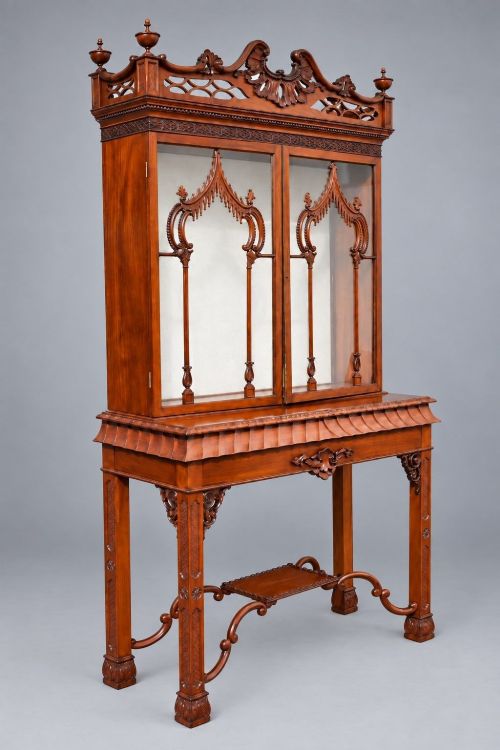
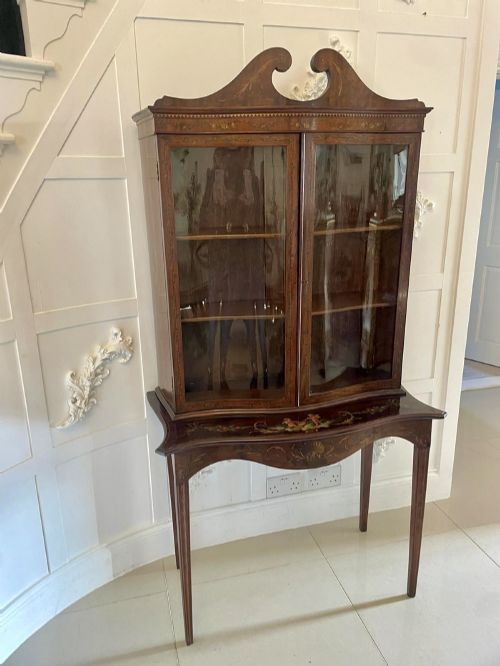
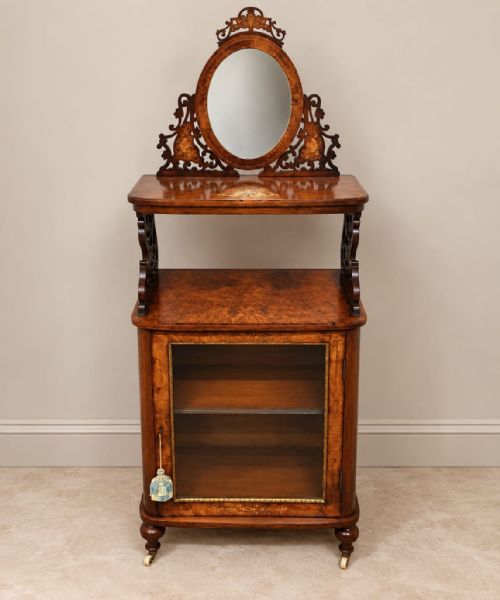
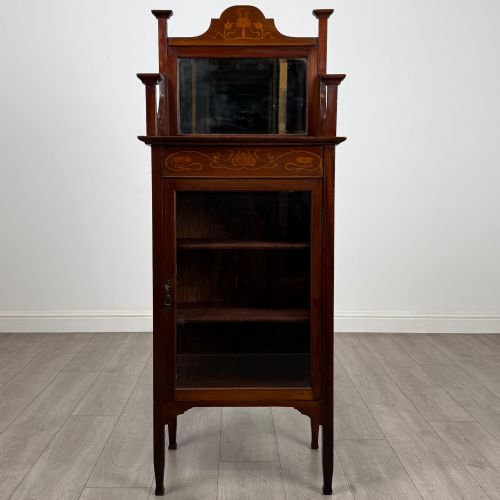
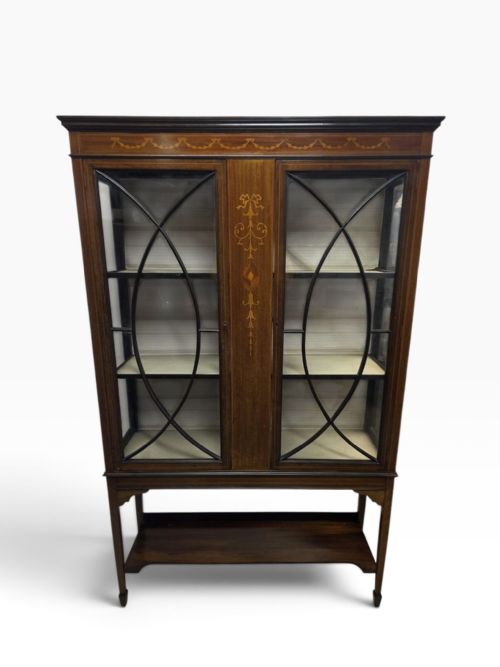
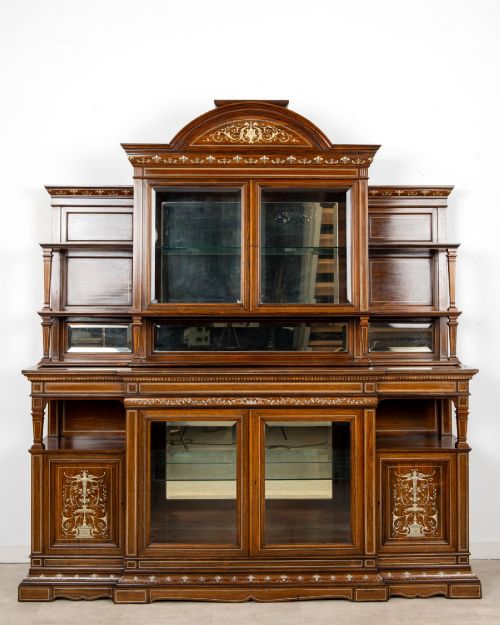
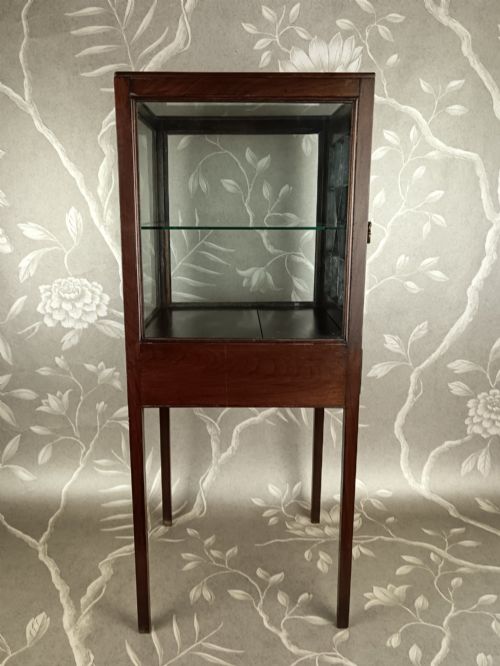
Glazed Cabinet on Stand
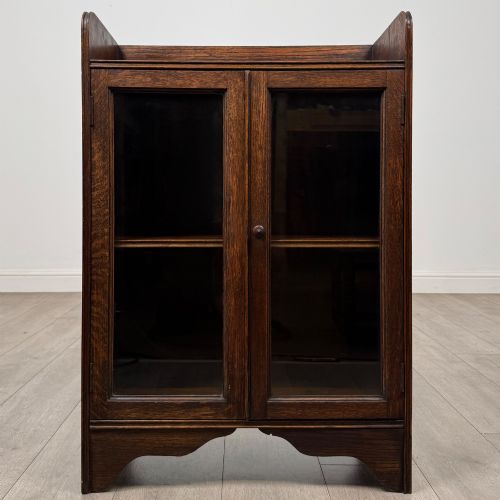
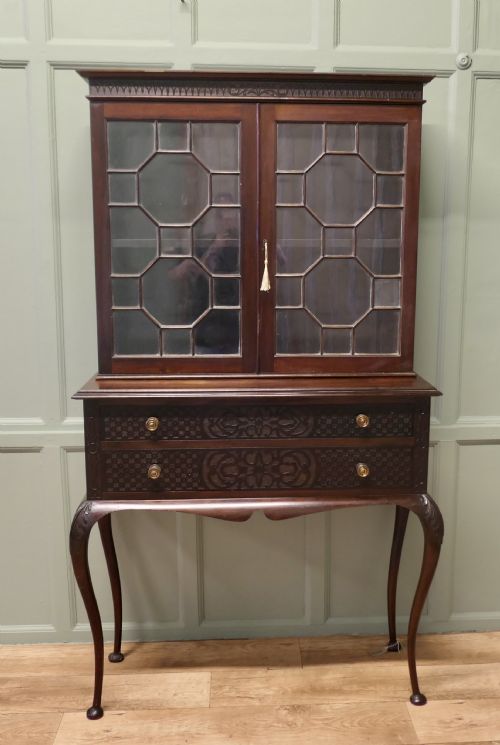
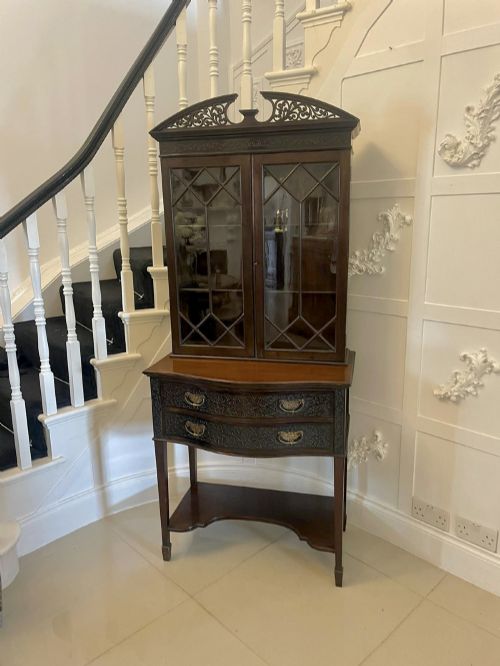
A glazed cabinet on stand elevates your collection, combining the transparency of a display case with the architectural presence of a raised base.
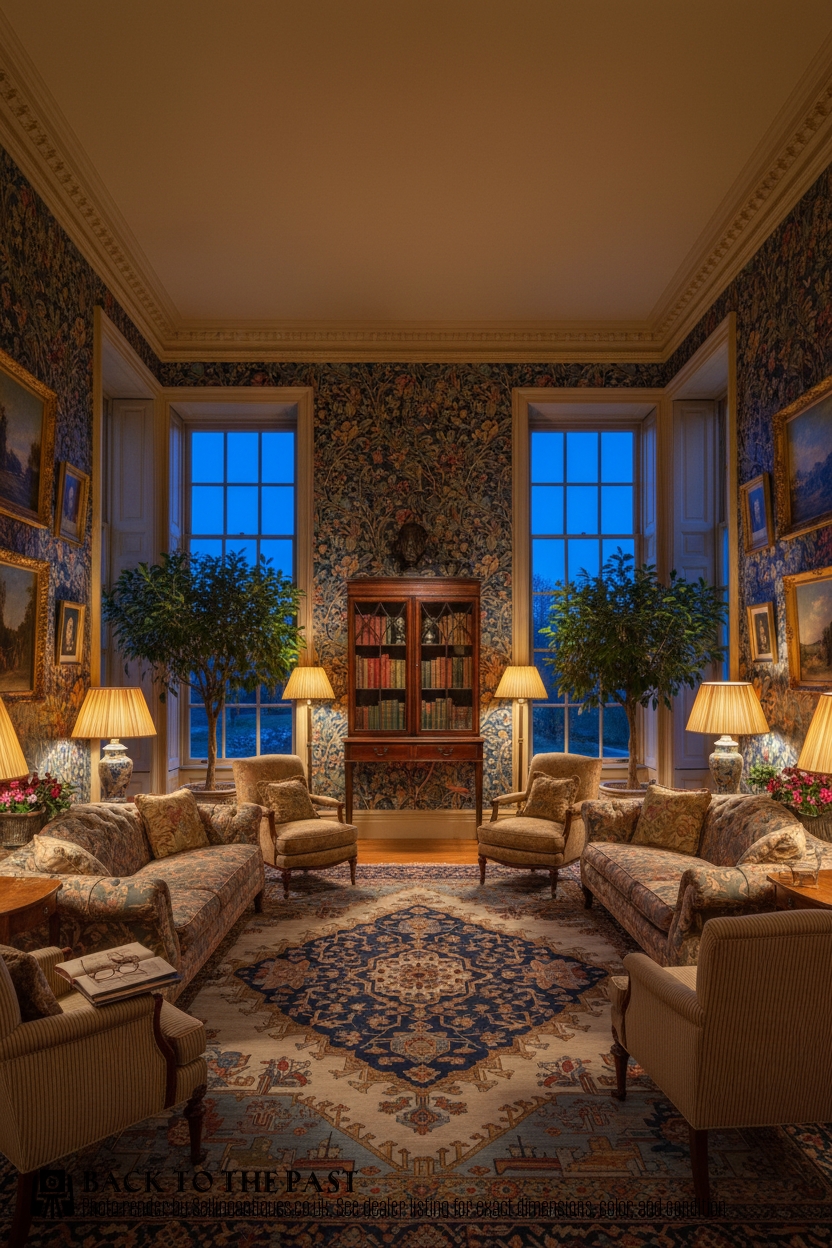
Glazed Cabinet on Stand
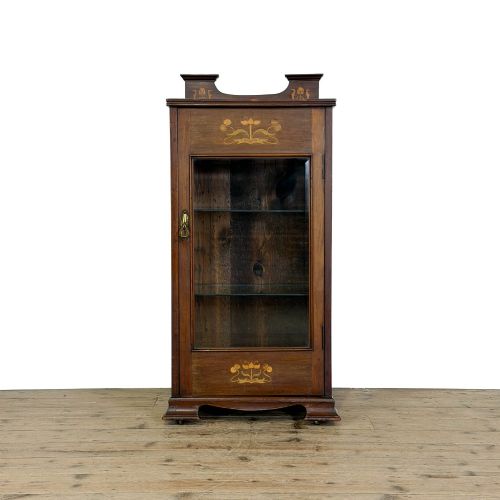
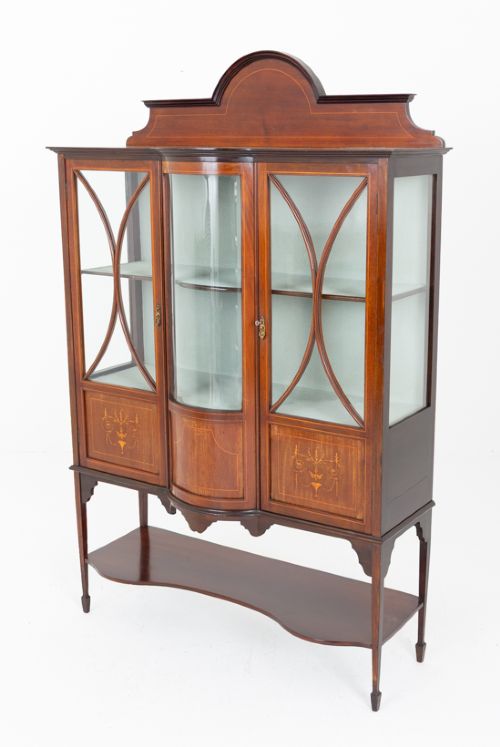
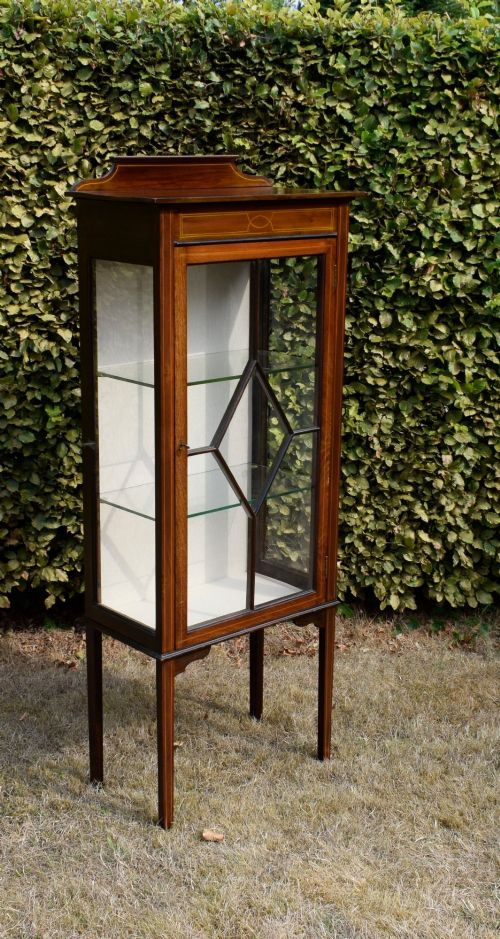
A glazed cabinet on stand pairs a glass-fronted upper display section with an open or shelved lower structural base, offering a refined way to house books, ceramics and curiosities. You will encounter forms spanning the Georgian, Victorian, and Edwardian periods, with Edwardian mahogany and satinwood inlay examples appearing most frequently.
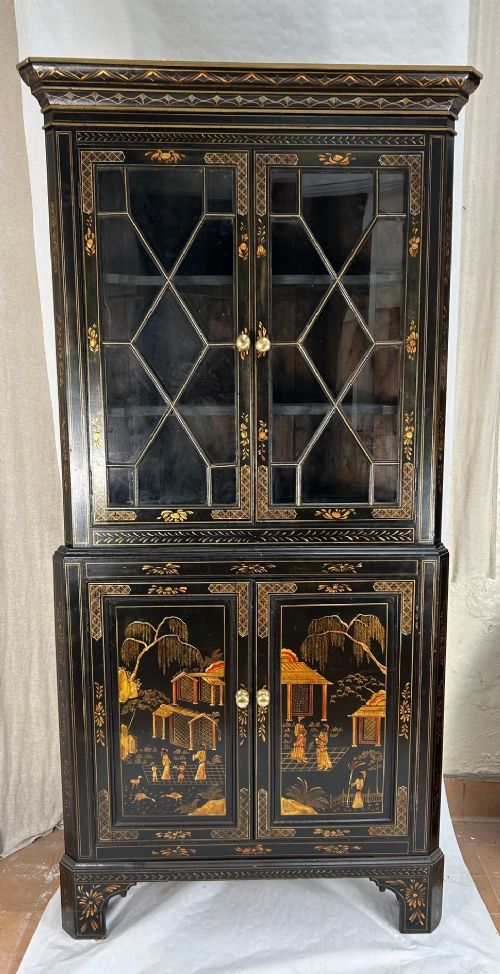
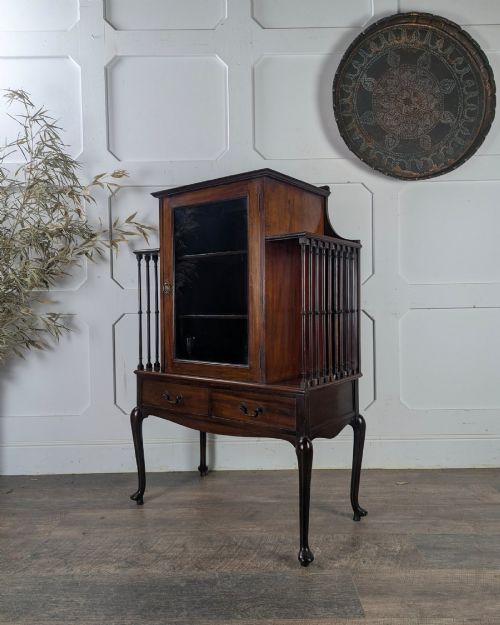
The selection ranges from upright floor-standing display pieces to corner cupboards and music cabinets equipped with glazed doors. These items originate from domestic settings where displaying precious objects behind glass protected them from dust while keeping them visible.
How They Were Made
Cabinet makers constructed the primary carcases using solid and veneered timbers such as mahogany, walnut, oak, and pine, frequently applying satinwood inlay for decorative contrast. Glass panes were fitted into timber doors using wooden glazing bars, supported by brass hardware and occasionally backed with fabric linings.
Structural framing techniques varied from traditional joined solid timber frames to applied mouldings and painted decorations on pine and hardwood surfaces.
Glazed Cabinet on Stand Retail Price Guide 2026
Typical asking prices for glazed cabinet on stand among the pieces listed under this phrase on Sellingantiques today, from the lower quarter to the upper quarter. They describe what is for sale here now, not the wider market.
The listings span from 18th-century Georgian pieces through Victorian and Edwardian iterations down to 1930s Art Deco styles.
What Varies in Quality
Quality rests upon the crispness of the timber carving, the precision of the inlay work, and the structural integrity of the jointing between the cabinet and its stand. Finer examples display carefully matched wood grains, well-fitted doors, and original glass panes without distortion.
Lesser pieces exhibit simpler construction methods, coarser timber selection, and heavy alterations to the original surface finish or glazing bars over the course of their history.
Collinson and Lock·Maple and Co·Leonard Wyburd for Liberty and Co
The Glazed Cabinet on Stand Glossary
- Astragal
- A moulding profile used to divide glass panes in a door or window. These narrow wooden bars create the geometric grid pattern seen on many period display pieces.
- Vitrine
- A glass-fronted display cabinet designed specifically for showing porcelain, silver, or small ornaments. The term derives from the French word for glass.
- Inlay
- A decorative technique where contrasting woods, brass, or shell are fitted into recesses carved into the primary wood surface. This method defines much of the Edwardian and Sheraton Revival output.
- Bracket foot
- A structural support foot shaped like a small bracket, projecting outward beneath the corners of a cabinet or stand. It provides stable elevation without heavy cabriole legs.
- Corner cupboard
- A triangular cabinet designed to fit directly into the corner of a room, saving floor space while utilising neglected angles for display.
Glazed Cabinet on Stand: Frequently Asked Questions
What fits inside a glazed cabinet on stand?
These cabinets suit books, ceramics, glassware, and small ornaments where visibility and protection are equally important.
The raised stand design keeps the display compartment at a convenient viewing height rather than directly on the floor.
How do I identify an Edwardian piece?
Edwardian examples often feature light mahogany timbers combined with delicate satinwood inlay work and stringing. Their proportions tend to be lighter and more slender than heavier Victorian equivalents.
They frequently show Sheraton Revival influences in their symmetry and decorative motifs.
Were these cabinets used in offices?
These pieces were built primarily for domestic drawing rooms, libraries, and parlours to display family possessions.
Their glass doors kept dust away from paper goods, leather-bound volumes, and delicate ornaments.
Can corner cabinets stand independently?
Corner cupboards and corner cabinets are specifically engineered to slot into room angles, utilising flat or bow-fronted doors.
Placing them against a flat wall leaves large gaps behind the frame, as their rear panels form a ninety-degree angle.