
Glass Top Vitrine
A glass top vitrine offers a clear stage for small treasures, combining display surfaces with fine timber and metalwork.
Glass Top Vitrine
When you search for a glass top vitrine, you enter a field dominated by nineteenth-century French and Edwardian English pieces designed specifically to showcase precious objects.
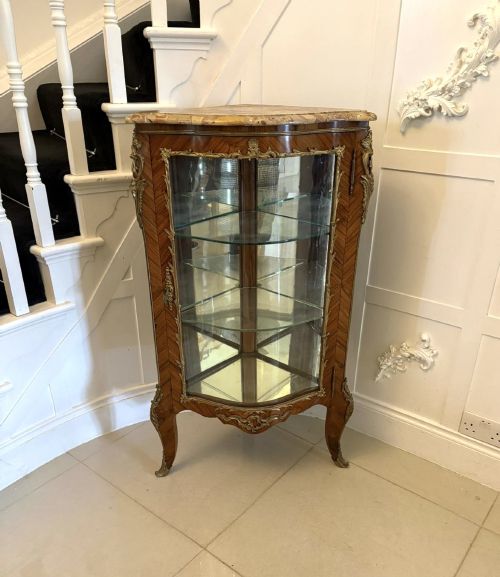
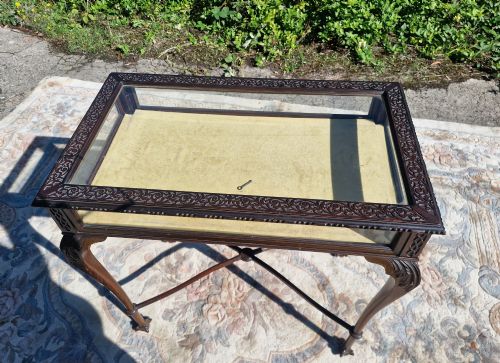
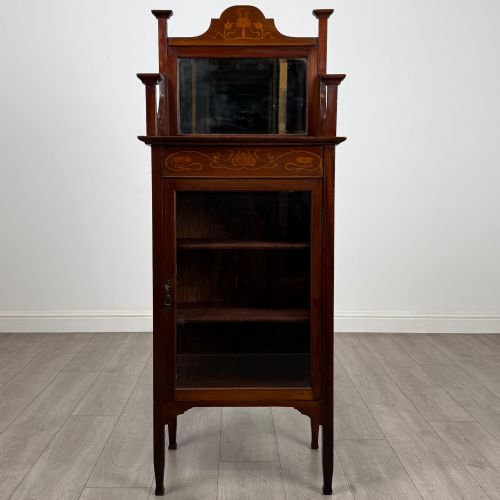
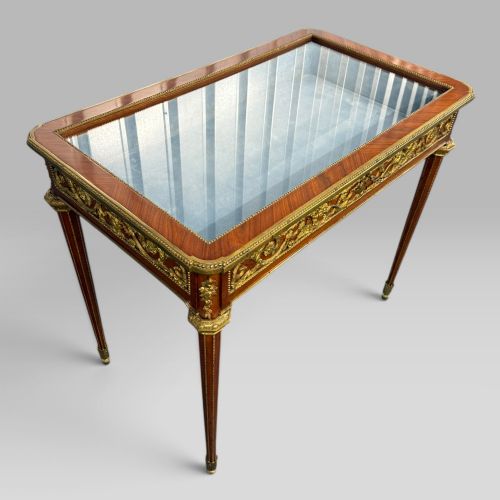
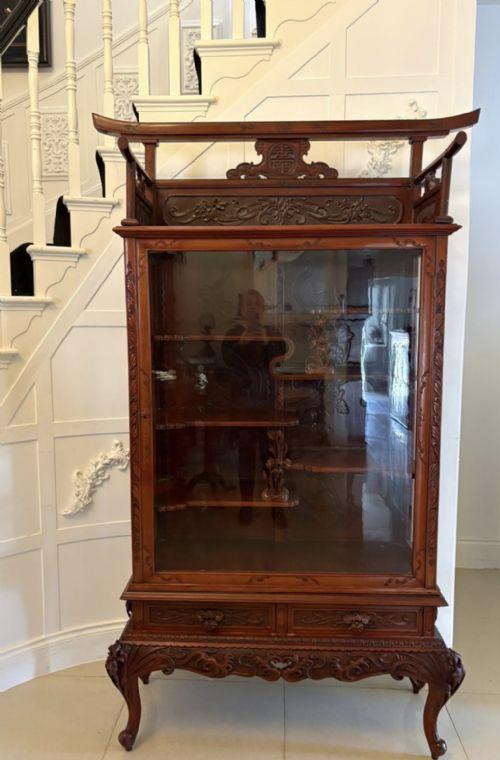
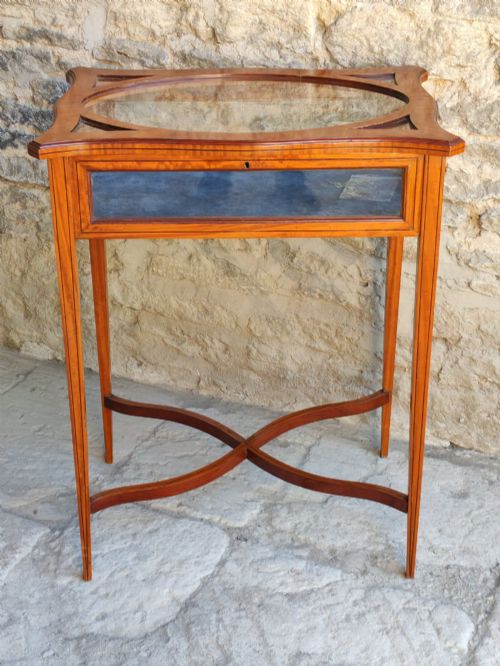
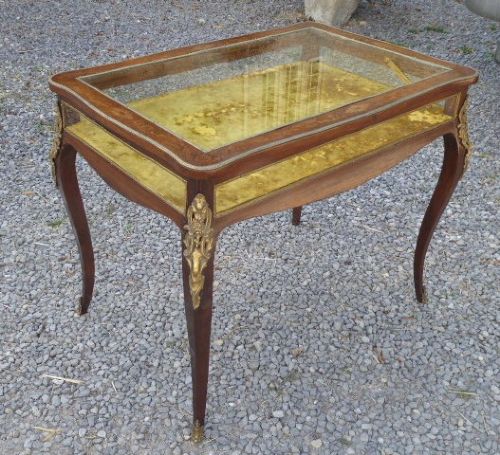
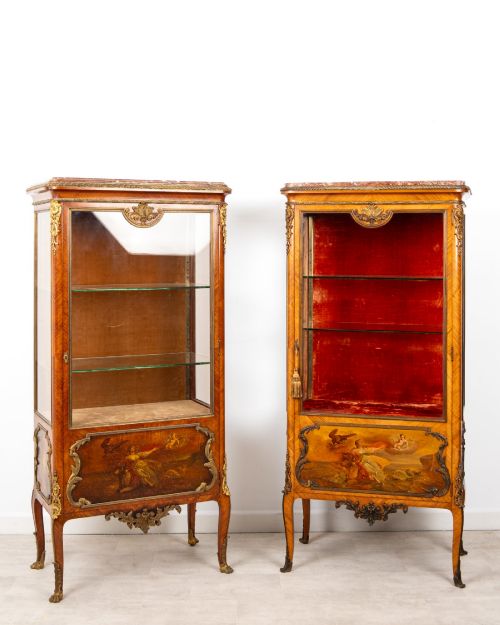
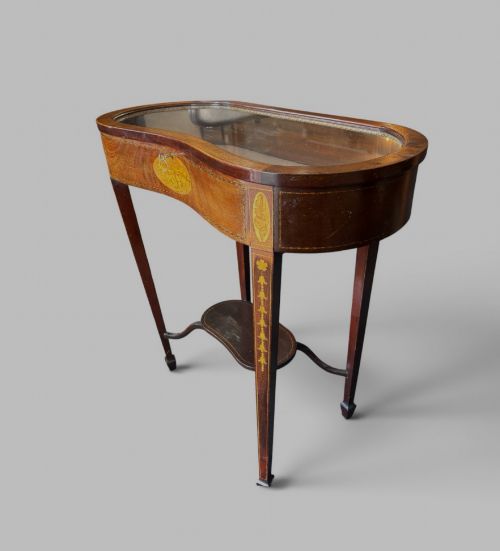
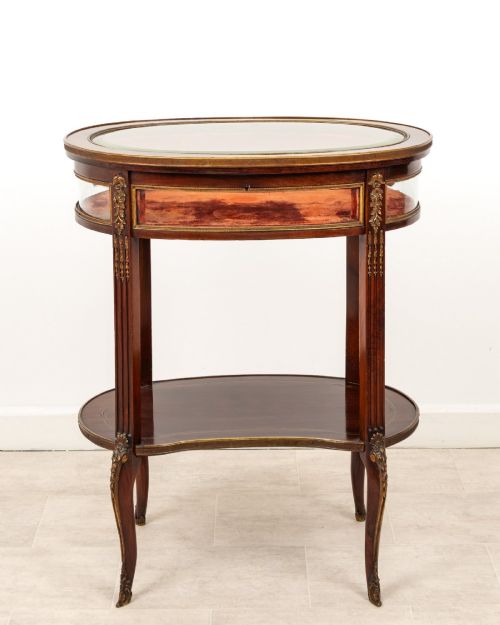
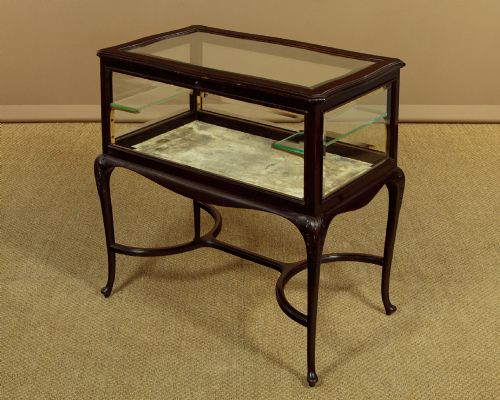
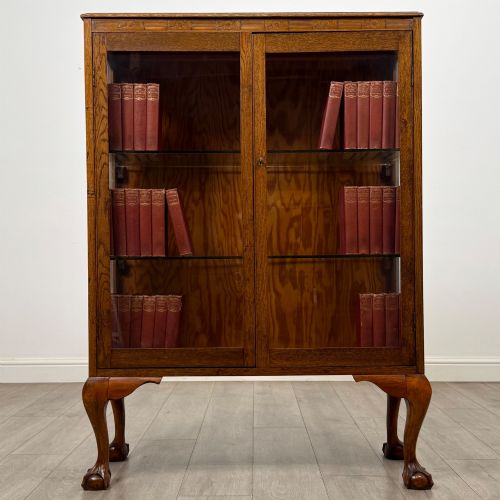
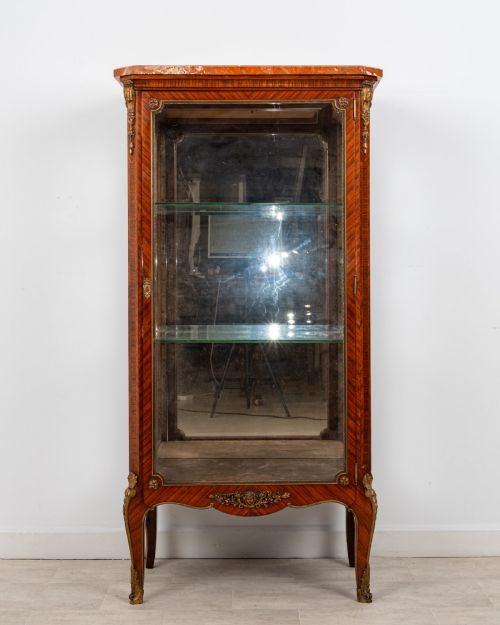
The forms span standing display cabinets with glazed shelves and table-height bijouterie cases meant for viewing jewellery from above.
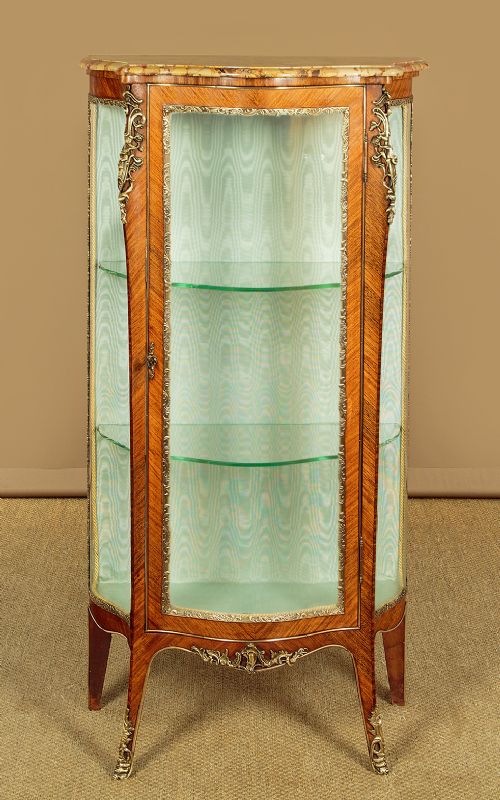
Mahogany and kingwood predominate among the timbers, often paired with marble tops and glazed panels held by metal mounts.
How they were made
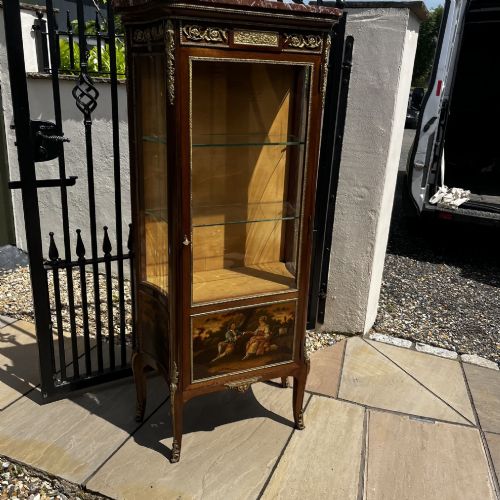
Cabinet makers utilised dense hardwoods like mahogany and kingwood as foundations for intricate marquetry, parquetry, and painted Vernis Martin panels.
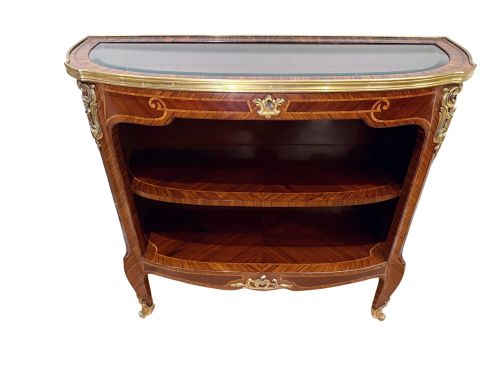
Ormolu and gilt-bronze mounts were cast and chased to frame the glass panels, protect vulnerable corners, and accentuate the serpentine or kidney shapes of the timber frames.
The selection includes mahogany, kingwood, and oak across Victorian, Edwardian, and nineteenth-century periods.
What varies in quality
The distinction between ordinary and exceptional examples rests on the crispness of the gilt-bronze mounts and the precision of the timber inlay.
Makers working at the highest level integrated heavy marble tops and complex glazed frames with a structural balance that simpler workshop productions lacked.
François Linke·G. Durand
The Glass Top Vitrine Glossary
- Bijouterie table
- A display table with a glazed top and velvet-lined interior designed for holding small ornaments and jewellery. These pieces typically stand on slender legs.
- Vernis Martin
- A simulated Japanese lacquer technique developed in France during the eighteenth century and revived on nineteenth-century cabinets. It uses layered translucent varnishes over painted scenes.
- Ormolu
- Gilded bronze used for decorative mounts and feet on furniture. High-quality pieces feature hand-chased surface details.
- Parquetry
- Geometric patterns formed by small pieces of wood veneer fitted together on a cabinet surface. It differs from marquetry through its strict reliance on angular geometric shapes.
- Kingwood
- A dense, richly figured Brazilian timber prized by cabinet makers for its contrasting dark and golden brown grain.
Glass Top Vitrine: Frequently Asked Questions
What fits inside a bijouterie table?
These glass-topped display tables suit small personal items such as pocket watches, medals, coins, and vintage jewellery. The velvet lining protects delicate surfaces from sliding or scratching.
Deeper cabinets accommodate larger porcelain figures, glassware, and small books alongside shelf displays.
How do I clean the velvet lining?
Original velvet lining benefits from gentle surface dusting with a soft brush rather than moisture. Many period pieces retain their aged fabric as part of their character.
If replacement is necessary, select a historically appropriate cotton or silk velvet that matches the interior depth.
Where should I place a vitrine?
Position these cabinets away from direct sunlight to protect interior fabrics and prevent timber warping. Natural daylight from the side illuminates the glass shelves effectively.
Ensure placement avoids heavy foot traffic to protect slender table legs and delicate ormolu mounts.
How do I distinguish Edwardian from French styles?
Edwardian English pieces often feature lighter mahogany frames with subtle satinwood stringing and straightforward cabinet construction. They prioritise understated domestic utility.
French revival pieces from the nineteenth century lean towards exuberant ormolu mounts, serpentine curves, and elaborate marquetry inspired by Louis XV and Louis XVI designs.