


Glazed Accent Table
These glazed accent table pieces combine ceramics and fine woods to create striking focal points in any room.
Glazed Accent Table
When you search for a glazed accent table, you encounter a varied mix of occasional furniture, ceramic vessels converted for illumination, and display pieces from the nineteenth and early twentieth centuries. The selection spans distinct eras including the Victorian and Edwardian periods, alongside George III and Art Nouveau designs.
The objects take several physical forms rather than a single standard shape. Side tables, occasional tables, and lamp end tables sit alongside display tables, bijouterie cabinets, and ceramic vases transformed into table lamps.
How they were made
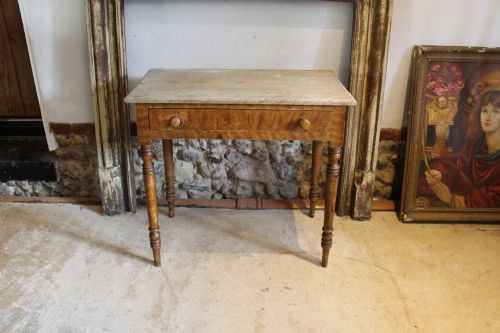
Maker construction relies on cabinet timbers such as mahogany, rosewood, and general wood frameworks combined with decorative elements. These materials frequently incorporate inlaid details, painted scumble surfaces, and shaped kidney forms.
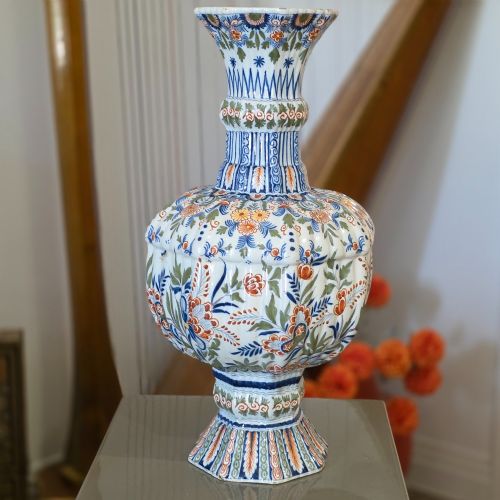
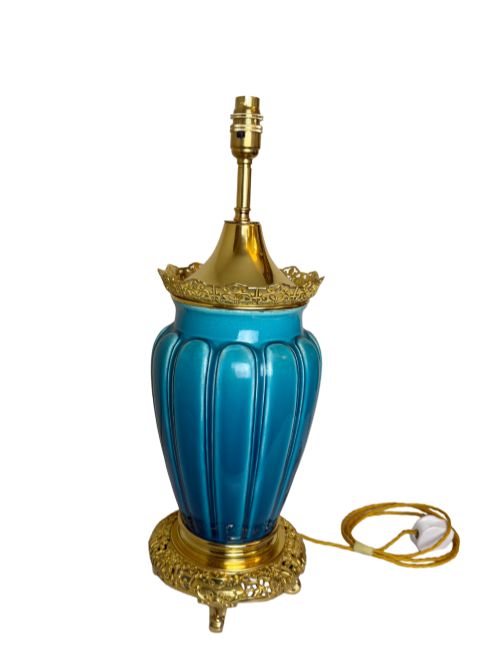
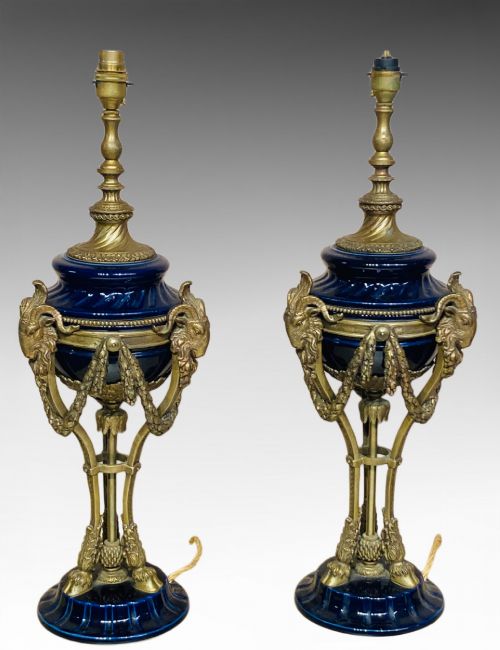
Ceramic components involve porcelain, pottery, and earthenware finished with turquoise, blue, and flambe glazes. Metal mounts in gilt bronze and brass provide structural trim and decorative framing.
Brazilian butterfly wings preserved beneath glass tops give these unusual tables a shimmering, iridescent surface.
What varies in quality
Quality rests upon the execution of the timber work and the depth of the ceramic glaze. Pieces featuring intricate marquetry inlay, original painted scumble, and balanced proportions stand apart from simpler iterations.
The integration of metal mounts, such as ormolu and gilt bronze trims fitted to porcelain bases, indicates the level of craftsmanship invested in the object.
The Glazed Accent Table Glossary
- Bijouterie table
- A glass-topped display table designed to showcase small valuable items and curiosities. These pieces often feature hinged lids and velvet-lined interiors.
- Ormolu
- Finely chased and gilt bronze used as a decorative mount on furniture and porcelain. The technique was widely applied during the eighteenth and nineteenth centuries.
- Scumble
- A decorative paint technique involving translucent layers dragged over a base coat to simulate wood grain or texture. It appears on regional and vernacular nineteenth-century furniture.
- Flambe
- A rich, streaked ceramic glaze produced by metallic oxides fired in a reduction atmosphere. This glazing method creates variable colour transitions across the surface.
Glazed Accent Table: Frequently Asked Questions
What is a glazed accent table?
A glazed accent table encompasses small occasional furniture items featuring ceramic elements, glass tops, or glazed display sections. They serve functional and decorative roles in traditional interiors.
Examples on this page include side tables, converted vase lamps, and display cabinets from the Victorian and Edwardian eras.
How were table lamps made from old vases?
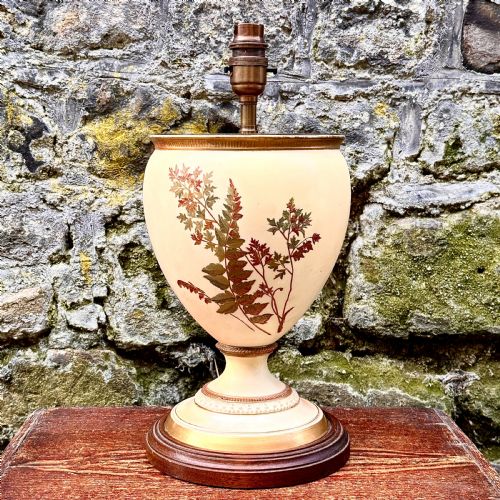
Ceramic vases and vessels from earlier periods were adapted for modern lighting by drilling the base or mounting electrical fittings through the neck. This practice preserves decorative pottery while adding practical illumination.
Such conversions often incorporate brass or gilt bronze trim to secure the electrical components.
Where should I place a display table?
Display tables and bijouterie cabinets suit reception rooms, hallways, and drawing rooms where small objects require secure surface presentation. Their glass tops protect contents from dust while maintaining visibility.
Positioning them away from direct sunlight preserves both the timber and any internal fabric lining.
How do I identify Edwardian furniture?
Edwardian furniture, dating from the early twentieth century, frequently displays lighter proportions and refined inlay work compared to heavier Victorian predecessors. Mahogany and satinwood are common structural timbers.
Pieces from this period often reflect earlier neoclassical or revived styles adapted for contemporary homes.