

Glass Table Clock
A glass table clock brings together precision engineering and transparent elegance, housing intricate clockwork within clear panels for any room.
Glass Table Clock
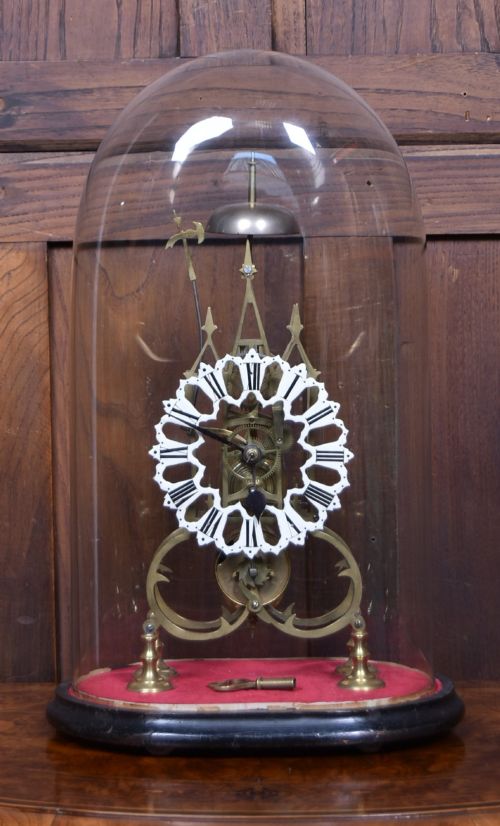
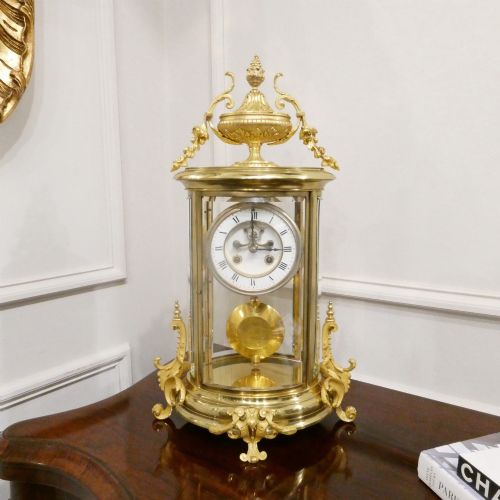
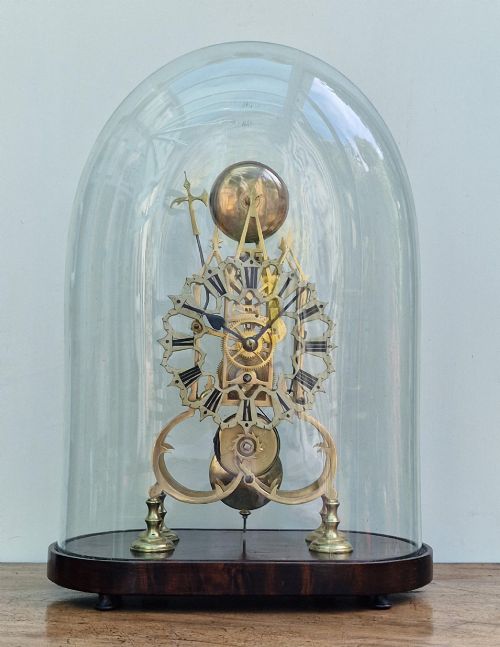
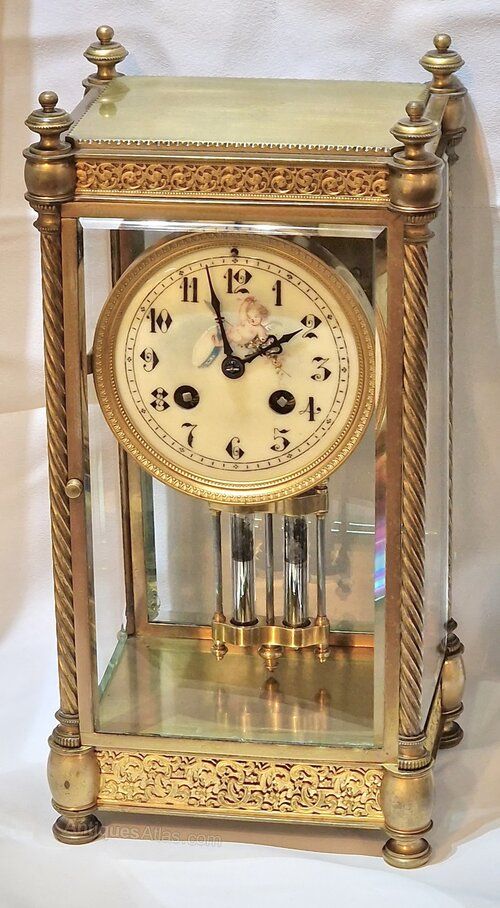
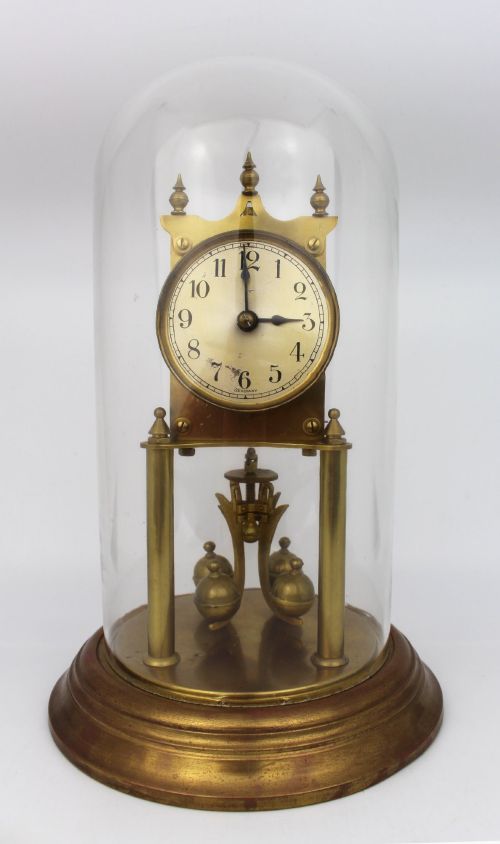
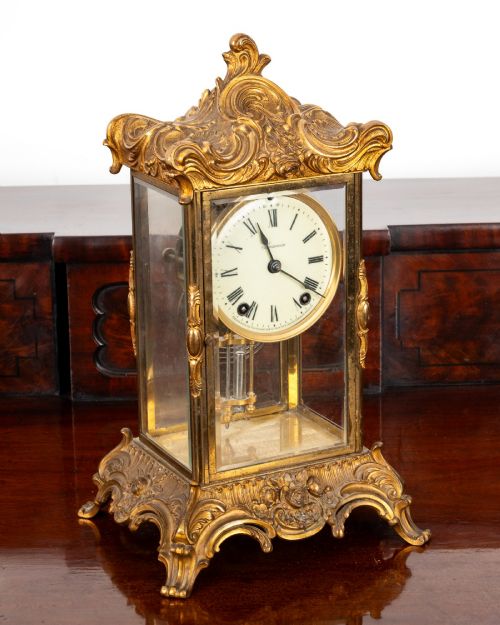
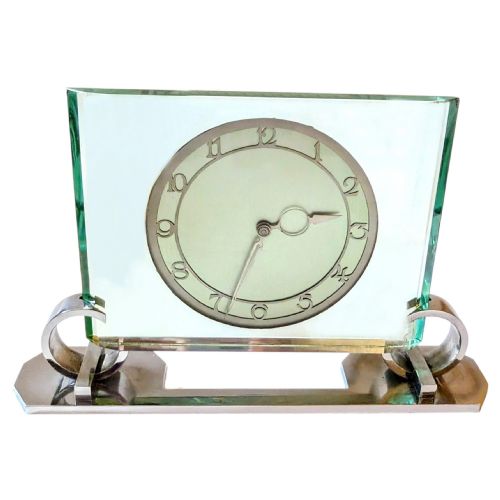
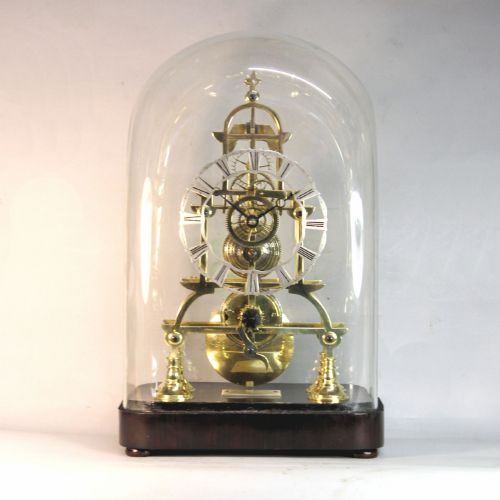
A glass table clock typically manifests as a four glass mantel piece or library timepiece, revealing the oscillating movement inside transparent boundaries. These items emerge from the nineteenth and early twentieth centuries, spanning Victorian craftsmanship and Art Deco styling.
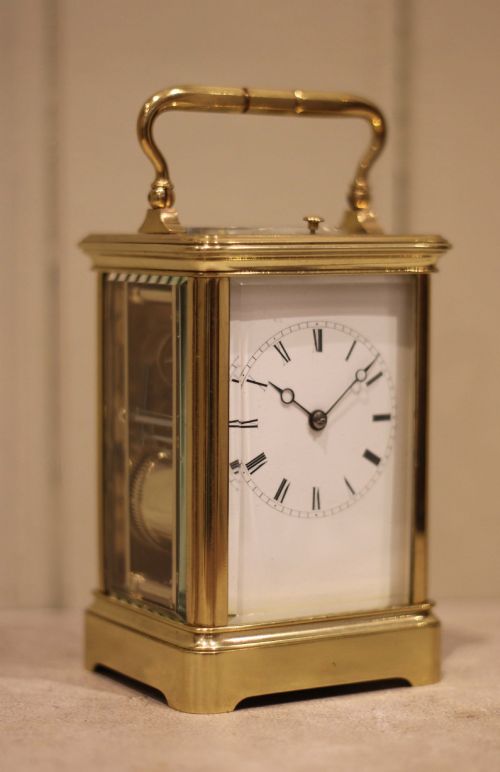
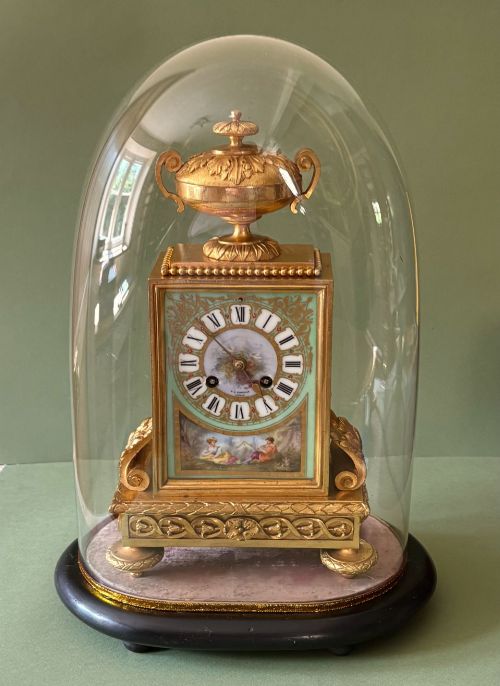
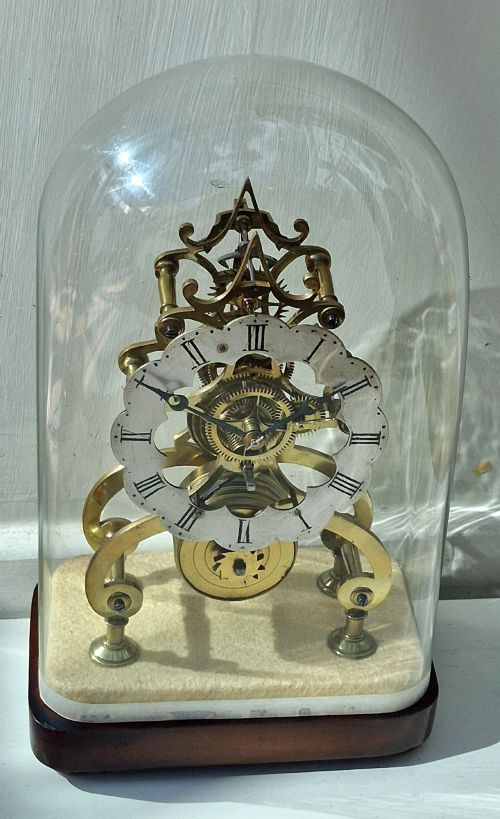
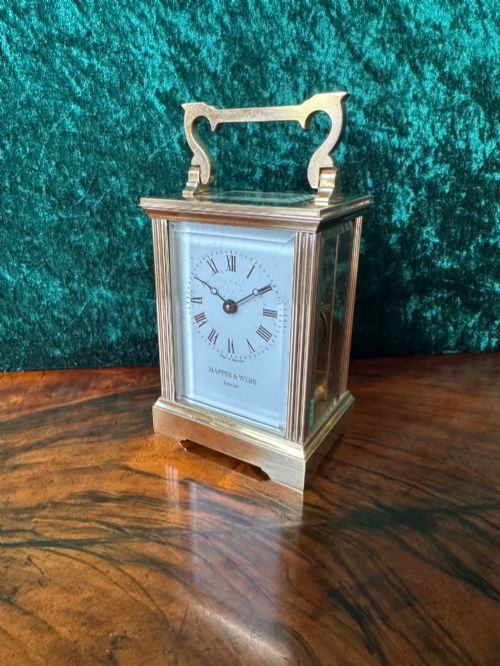
Makers housed movements within bevelled glass panels held by brass, gilt bronze, or chrome frameworks, allowing light to pass through the entire mechanism. Alongside these architectural four glass models appear opalescent moulded glass designs and portable carriage pieces.
The search phrase glass table clock covers heavy brass-framed library pieces, mirrored peach glass mantel designs, and French crystal regulators. Specimens range from simple timepieces to striking clocks with enamel dials and mercury pendulums.
Materials and construction methods
Heavy brass and gilt bronze formed the structural skeleton for nineteenth-century four glass clocks, providing rigid support for thick, bevelled glass panels. Enamel dials, sometimes decorated with painted numerals or diamontes, faced the front behind hinged glass doors.
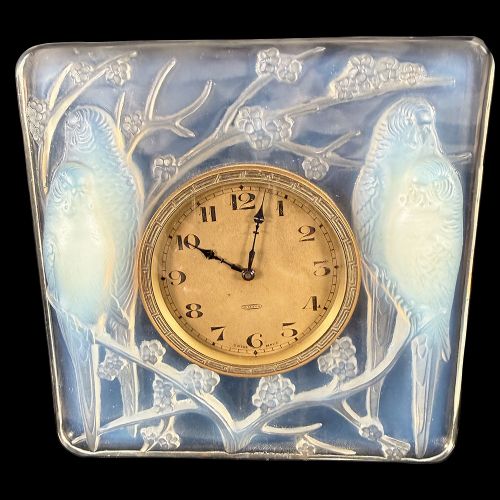
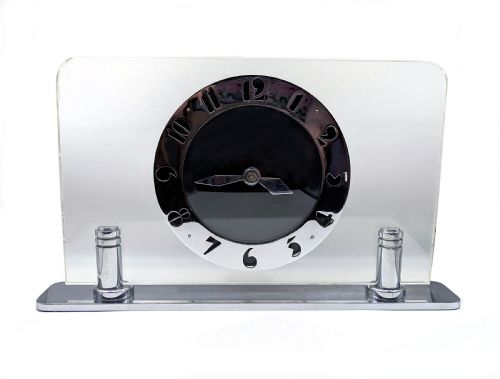
Twentieth-century examples introduced moulded opalescent glass and peach mirror glass, reflecting modernist tastes through wind-up and electric movements. Cabinetmakers also utilised mahogany alongside metal components to house specialised mechanisms.
Clockmakers employed fusee movements, spring barrels, and delicate escapements within these transparent housings, often signing their brass backplates or porcelain dials.
Some Art Deco clocks feature pairs of opalescent love birds gazing at each other across the dial.
Evaluating the standard of workmanship
Quality rests upon the weight and thickness of the bevelled glass panes, the crispness of the gilt brass or bronze casting, and the refinement of the movement itself. Finer specimens display engraved mercurial pendulums, jewelled escapements, and signed enamel dials by notable makers.
Simpler models offer standard time-only movements in plain brass frames, whilst superior pieces include striking trains, repeating mechanisms, or complex calendar functions visible through front and rear glass.
Samuel Marti·Mappin and Webb·Ansonia New York·Smiths Clockmakers·Richard Winter·Rene Lalique·Thwaites of London·Japy Freres·Leroy Paris
The Glass Table Clock Glossary
- Four glass clock
- A mantel clock enclosed by glass panels on the front, back, and sides to expose the movement. These pieces gained popularity during the Victorian period.
- Fusee
- A conical pulley used in clock movements to maintain even power delivery as the mainspring unwinds. This mechanism improves timekeeping precision.
- Carriage clock
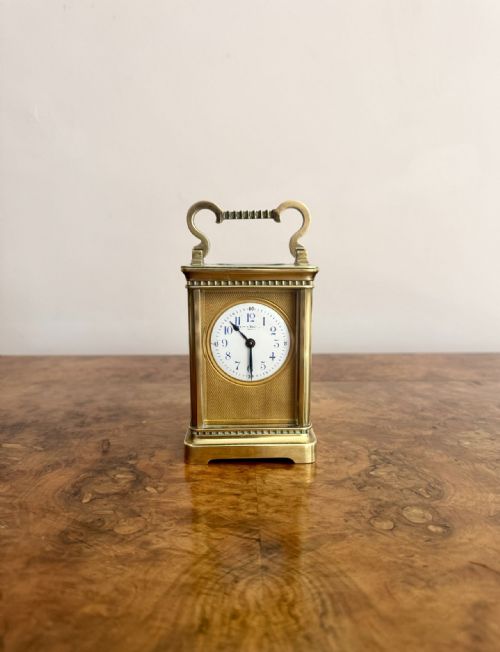
- A small portable spring-driven timepiece fitted with a carrying handle, originally designed for travellers. They often feature brass cases with glass viewing panels.
- Crystal regulator
- A mantel clock constructed with thick glass panels and a mercury or temperature-compensated pendulum. French workshops produced many examples during the late nineteenth century.
- Ormolu
- Gilt bronze ornamentation applied to clock cases, created by coating base metal in a gold amalgam. It provides a bright metallic finish.
Glass Table Clock: Frequently Asked Questions
How do I wind a glass table clock?
Use the appropriate key on the winding arbours found on the dial or movement backplate, turning gently until resistance increases. Avoid overwind, as this damages the mainspring.
Ensure you support the clock case steadily during the process, especially with heavy brass and glass frames.
Where should I place a glass table clock?
Position the clock on a stable, level surface away from direct sunlight, drafts, and heavy vibrations. Mantelpieces, desks, and sturdy wooden tables suit these transparent designs best.
A level surface ensures the pendulum swings evenly and the movement keeps accurate time.
How do I tell an antique clock from a modern reproduction?
Examine the movement components, screw heads, and glass bevelling for signs of hand-finishing and natural wear. Antique pieces bear maker signatures, serial numbers, and casting marks on the brass backplate.
Twentieth-century Art Deco items feature specific moulded signatures and distinct modernist numerals.