
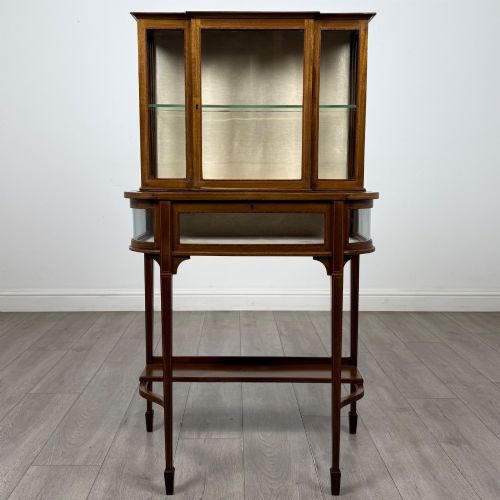
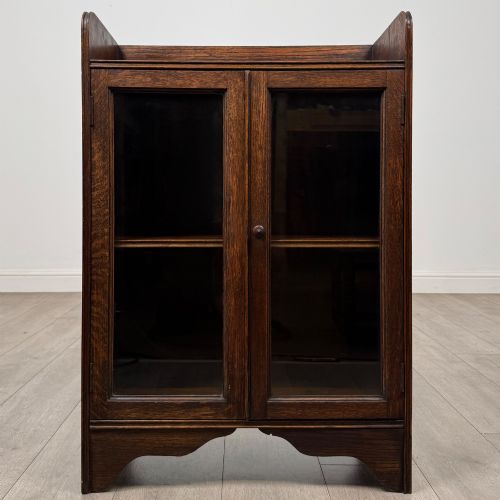

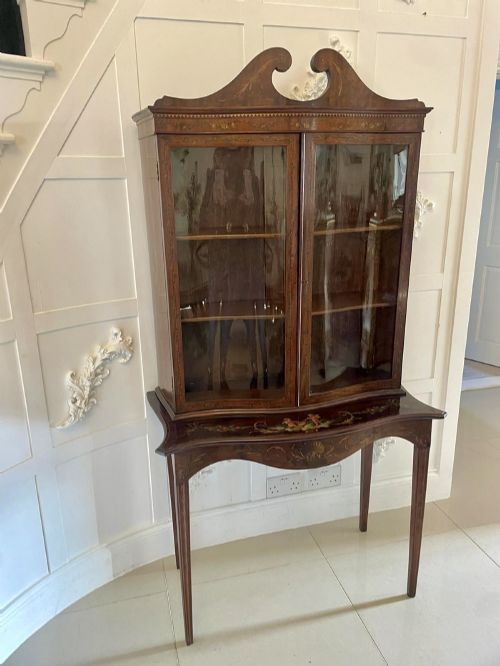
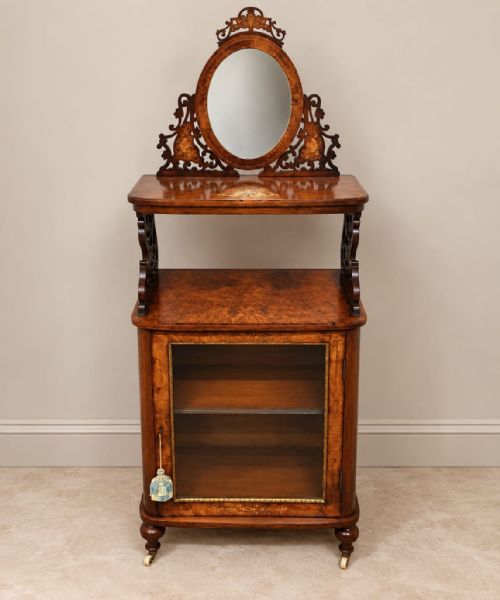
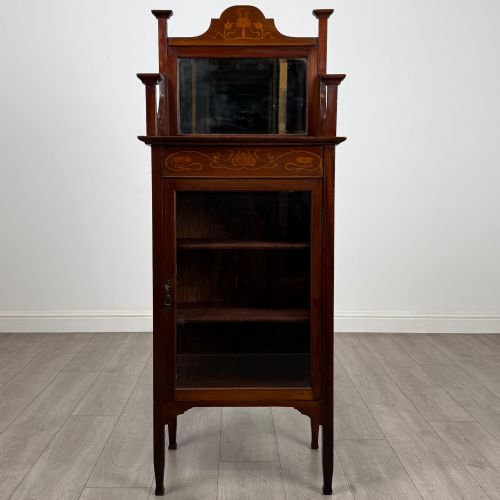
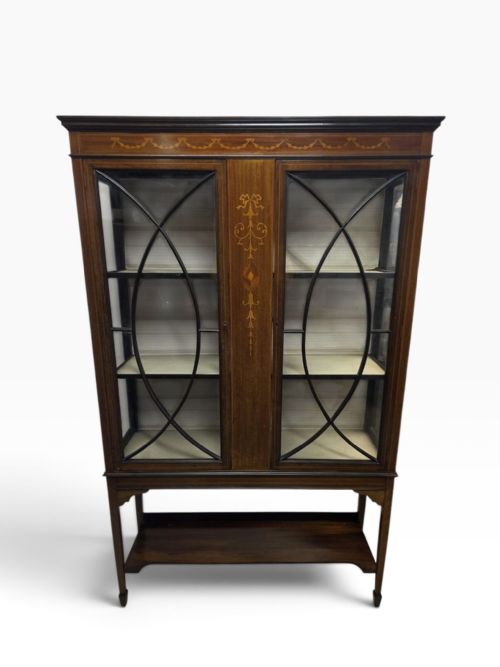
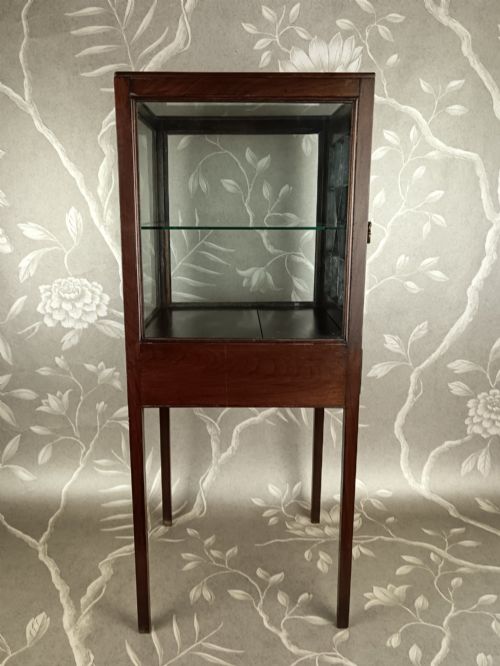
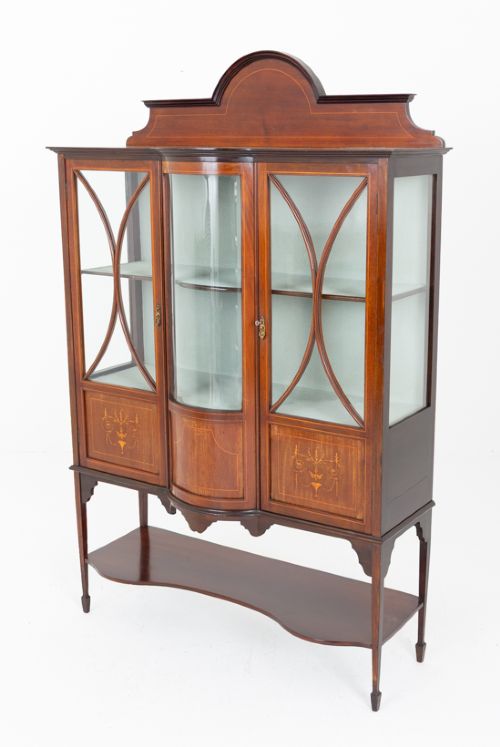
Glass Display Stand
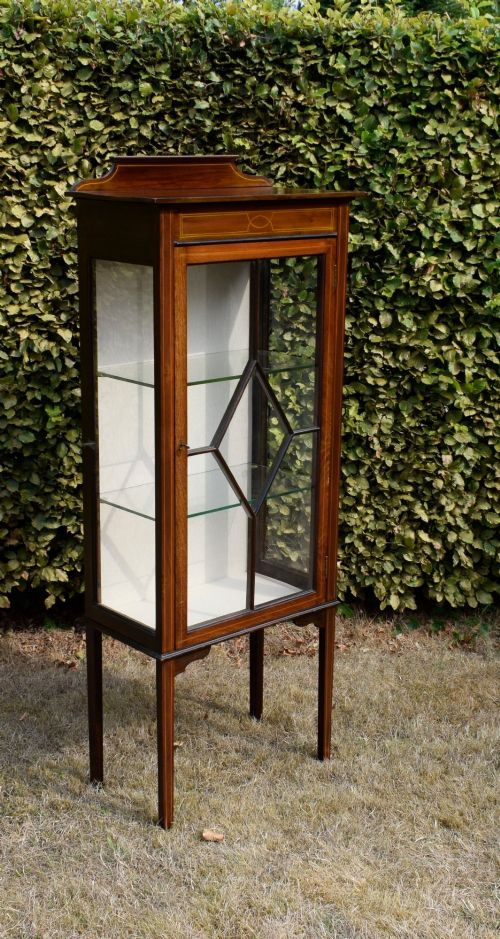
A glass display stand elevates precious objects into view, combining clear panes with sturdy timbers to showcase collections.
Glass Display Stand
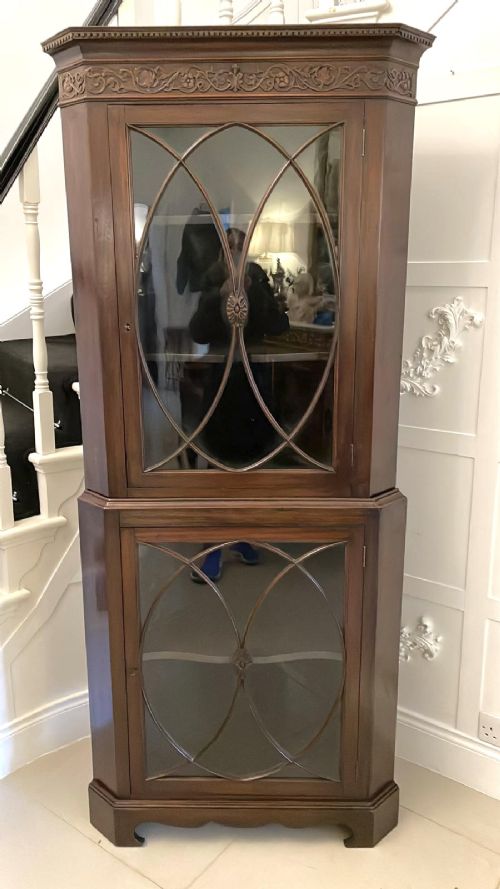
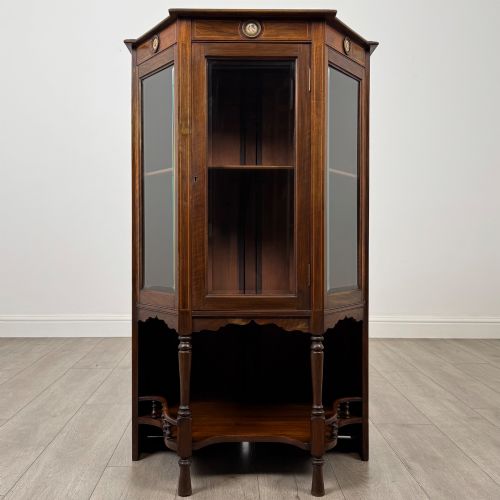
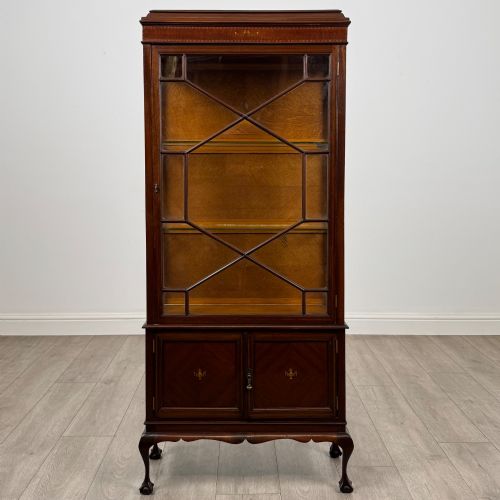
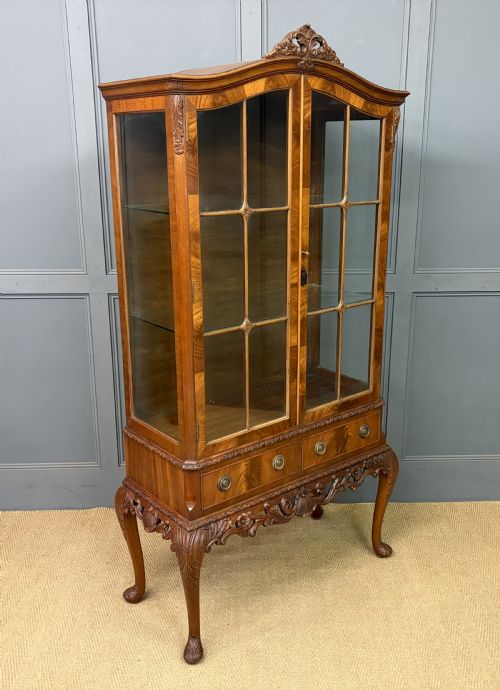
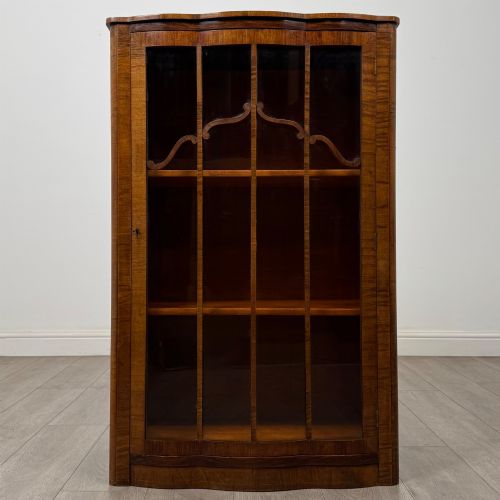
A glass display stand combines timber frames with transparent panes to showcase collections safely. Buyers searching for a glass display stand encounter various forms, from corner cupboards to tall vitrines and table-height bijouterie cabinets. The Edwardian and Victorian periods dominate the selection, alongside earlier Georgian pieces and later items from the 1920s and 1930s.
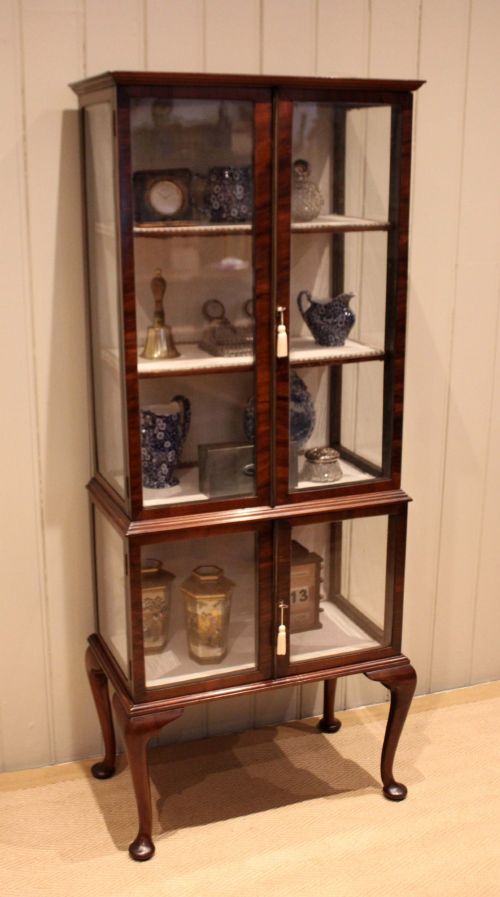
Most examples found here utilise mahogany, walnut, or oak, often decorated with satinwood inlay or brass fittings. Styles range from simple Edwardian and Victorian country designs to elaborate Sheraton Revival, Arts and Crafts, and Art Deco interpretations. Cabinets on stands provide elevated platforms, bringing smaller items closer to eye level.
Materials and construction
Cabinet makers joined solid and veneered timbers like mahogany, walnut, oak, and satinwood to form the structural carcasses. Glass panes were fitted into doors and sides, sometimes held by astragal bars, while brass hinges, locks, and handles secured the openings.
Decorative touches included marquetry, painted decoration, and carved details. Fabric linings occasionally covered the interior bases of display spaces to cushion objects.
Materials span mahogany, oak, walnut, satinwood, pine, and brass across various cabinet forms.
Assessing craftsmanship and execution
Quality rests upon the precision of the timber joinery and the selection of figured veneers. Refined examples display careful matching of grain patterns on mahogany, walnut, or satinwood surfaces, alongside crisp carving and precise inlay work.
The integration of glass within the frame marks another distinction. Tighter tolerances in glazing bars and clearer, heavier panes elevate the execution, while heavier or simpler utility pieces lean toward plain timber construction and straightforward pine carcasses.
Gabriel Viardot·Maple & Co.·Liberty & Co.·James Winter & Sons·Edwards & Roberts
The Glass Display Stand Glossary
- Vitrine
- A glass-fronted cabinet designed for displaying fine porcelain, curiosities, or ornaments. These pieces typically feature glazed doors and sides to maximise light penetration.
- Bijouterie cabinet
- A shallow glass-topped table or cabinet created specifically for holding small valuable items, jewellery, or medals. The contents are viewed from above through a hinged or lift-off glass panel.
- Astragal
- A small moulding profile used to divide panes of glass within a sash door. These bars create a grid pattern across the front of the display space.
- Satinwood inlay
- A decorative technique employing contrasting lighter wood veneers set into a darker timber ground such as mahogany. This work often forms geometric lines or delicate floral motifs.
- Cabinet on stand
- A two-part form consisting of an enclosed storage or display section raised upon a distinct supporting table base or frame. This configuration lifts the viewing area higher off the ground.
Glass Display Stand: Frequently Asked Questions
What is a glass display stand used for?
These pieces serve to exhibit and protect delicate collections, porcelain, books, or curiosities within a room. The glass panes keep dust away while allowing items to remain visible from multiple angles.
Tall cabinets and corner units maximise vertical floor space, whereas table-top or pedestal versions place specific objects directly into the line of sight.
How do I distinguish Edwardian pieces from Victorian ones?
Edwardian examples tend to feature lighter satinwood inlay and a more restrained aesthetic inspired by Sheraton Revival tastes. They frequently utilise mahogany or walnut with delicate proportions.
Victorian pieces often display heavier proportions, deeper timber tones, and more robust carving. Earlier Victorian work relies on dense mahogany and burr walnut, while later variants introduce diverse stylistic revivals.
Where should I place a corner cabinet?
A corner cabinet fits neatly into empty room junctions, making efficient use of awkward angles. They suit dining rooms or drawing rooms where floor space remains at a premium.
Positioning them away from direct, harsh sunlight prevents fading on delicate interior fabric linings and wooden veneers over time.
How do I care for timber and glass?
Maintaining the finish involves dusting timber surfaces with a dry cloth and occasionally applying suitable wax polish sparingly. Avoid liquid cleaners on antique wood.
Glass panes respond well to standard glass cleaner applied to a cloth rather than sprayed directly, ensuring moisture does not seep into vulnerable wooden frames.