
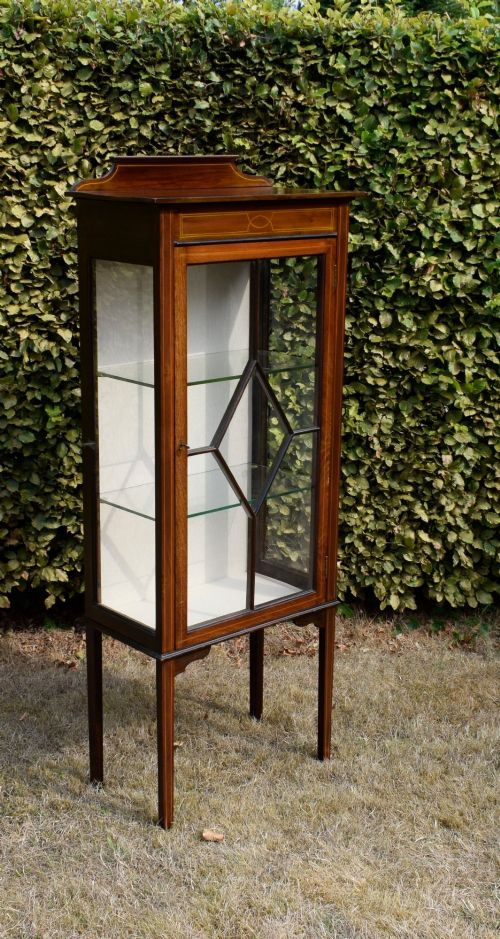
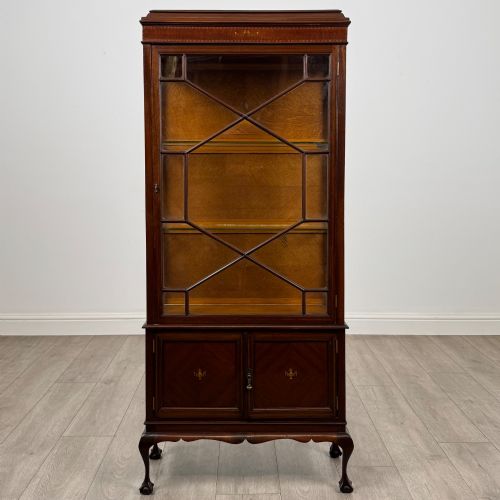
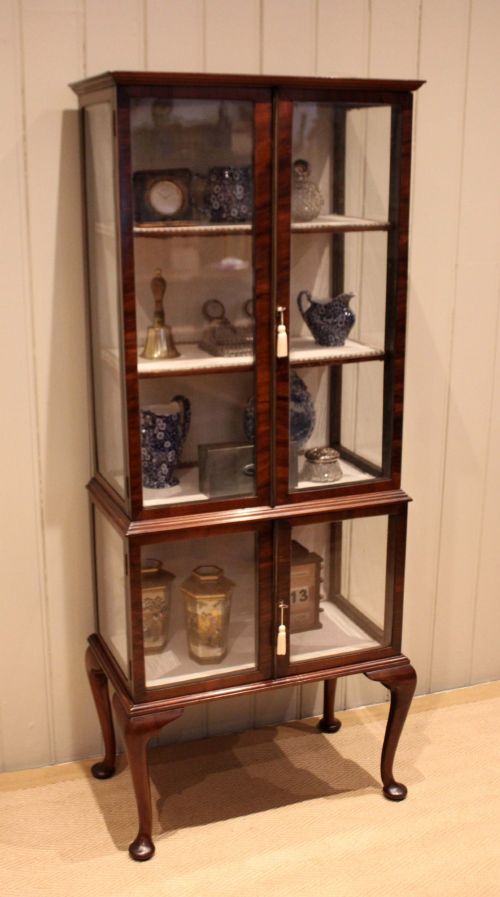
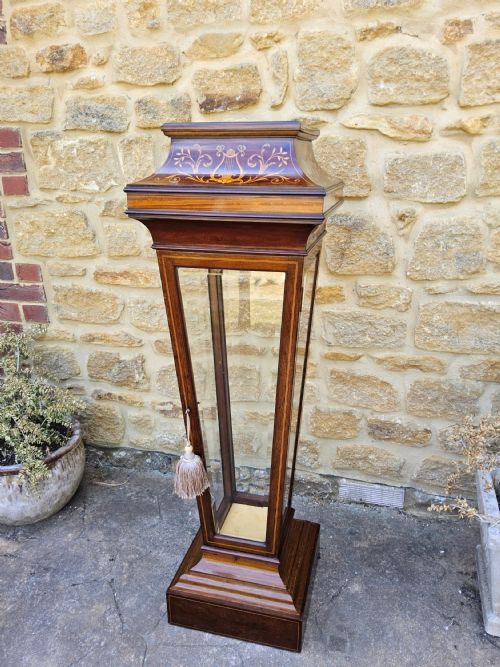
Mahogany Curio Case
A mahogany curio case holds your small treasures safely behind glass, bringing order and elegance to any room.
Mahogany Curio Case
A mahogany curio case serves to exhibit collections, small valuables and precious objects behind protective glazing. When exploring this selection, a buyer encounters a diverse range of forms designed specifically for presentation and containment.
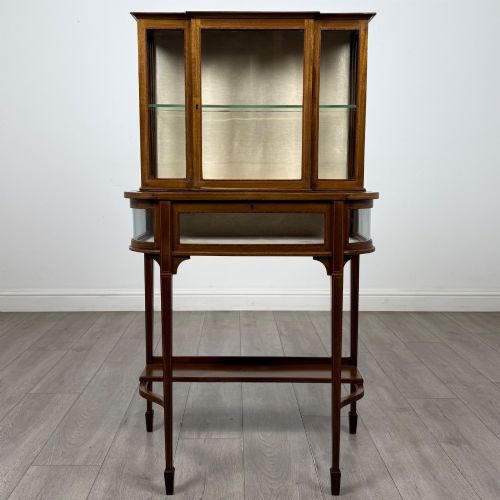
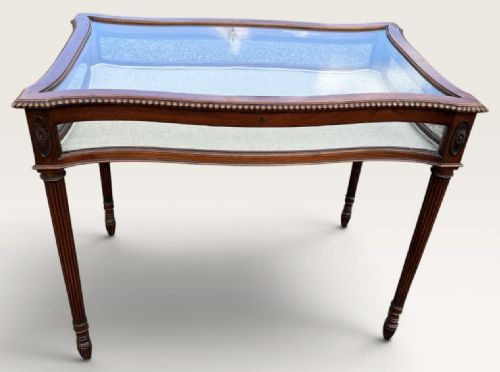
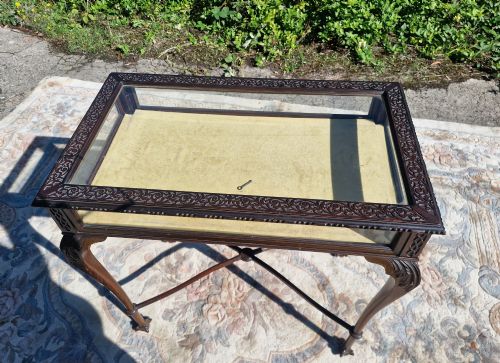
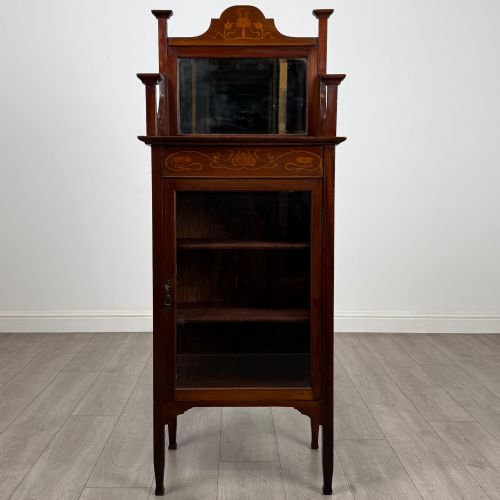
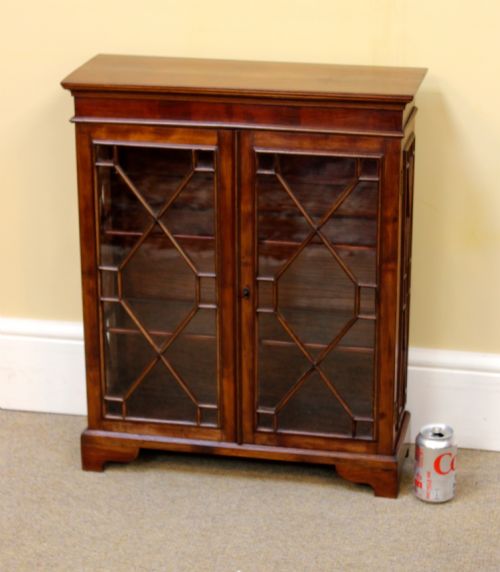
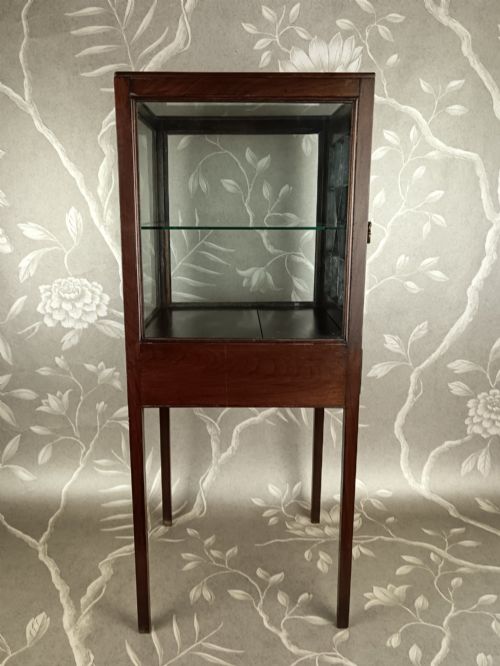
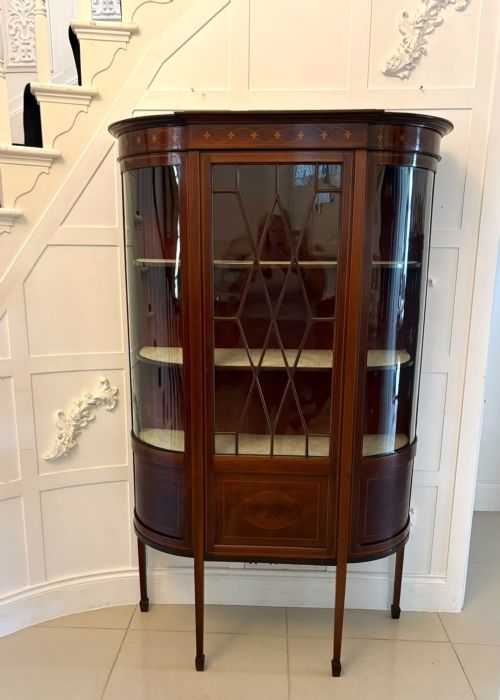
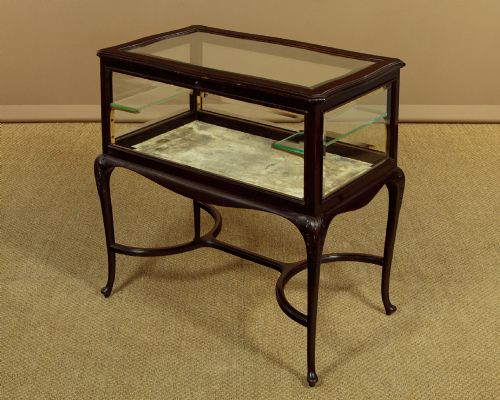
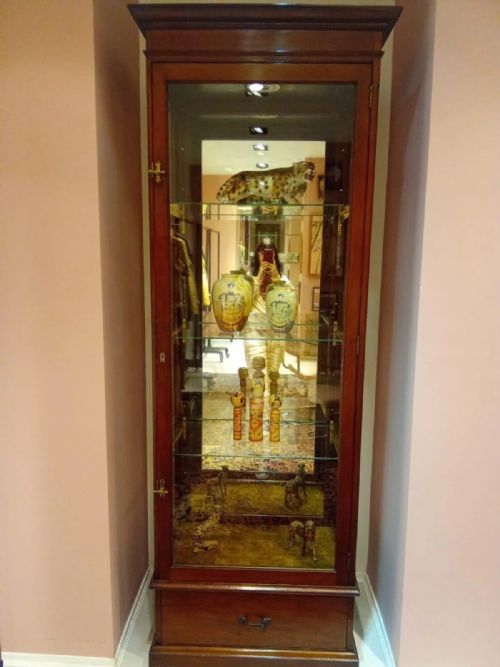
The prevalent pieces span the Edwardian era, the nineteenth century and the Georgian period. These items appear as tall display cabinets, low bijouterie tables, miniature cases and wall-mounted units.
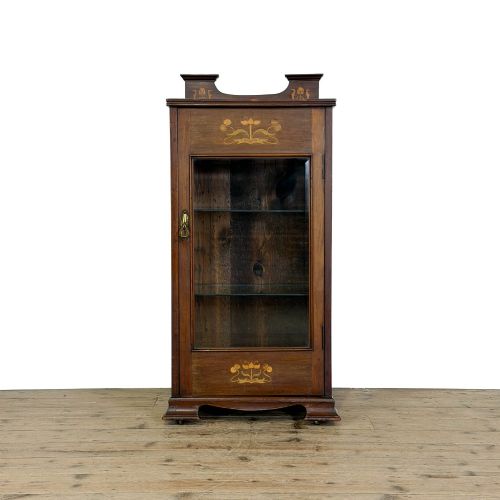
Makers and cabinetmakers produced these furnishings in styles including Louis XV Revival, French Rococo, Art Nouveau, Sheraton revival and Louis XVI. Each style reflects the decorative tastes of its respective period.
Materials and construction methods
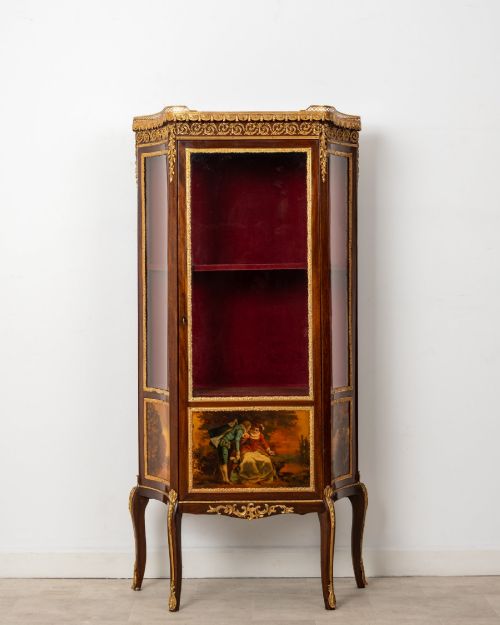
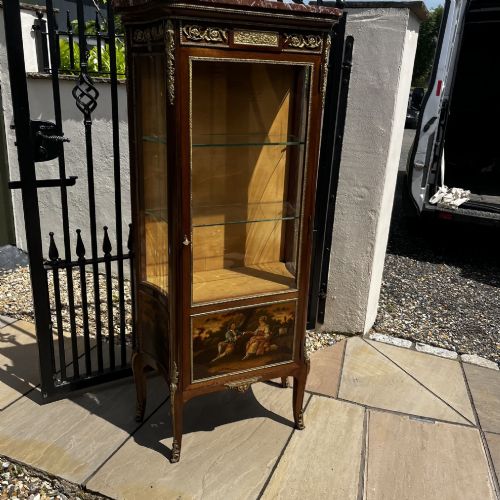
Makers built these cabinets using solid and veneered mahogany, frequently accented with contrasting satinwood inlay, brass fittings and polished ormolu mounts. Glass panels form the primary viewing areas, while interior surfaces often feature velvet, fabric or mirror linings.
Structural joinery combined traditional cabinet-making techniques with glazed framing to support delicate shelving and hinged doors. Metal mounts and decorative brassware were cast and chased before being fixed to the polished timber frames.
Listings feature items spanning the Edwardian period, the nineteenth century and the Georgian era, constructed from mahogany, glass, brass and velvet.
Distinctions in quality
The refinement of timber grain, the crispness of inlaid details and the weight of cast ormolu mounts distinguish superior examples from standard production. Superior cabinets display meticulous attention to proportion, hand-cut joinery and high-grade glazing.
The integration of decorative elements such as hand-painted Vernis Martin panels or intricate serpentine shaping separates exceptional pieces from simpler utilitarian display cases.
The Mahogany Curio Case Glossary
- Vitrine
- A glass-fronted display cabinet used for showing porcelain, curiosities and fine objects. These cases often feature glazed sides to maximise light penetration.
- Bijouterie table
- A glass-topped display table designed to showcase jewellery, medals and small ornaments. They sit at a comfortable height for seated viewing.
- Ormolu
- Gilded bronze mounts applied to furniture for decorative effect. This technique was widely utilised in French and revivalist cabinet making.
- Satinwood
- A light-yellow timber employed for contrasting stringing and marquetry panels. Craftsmen used it to create geometric patterns against dark mahogany surfaces.
- Vernis Martin
- A type of simulated Japanese lacquer developed in France. Artisans applied multiple layers of varnish to create decorative painted scenes on cabinet panels.
Mahogany Curio Case: Frequently Asked Questions
What is a mahogany curio case used for?
These cabinets provide a secure and dust-free environment for exhibiting small collections, ceramics, silver and sentimental objects.
The glass panels and shelves ensure that items remain visible from multiple angles while protected from handling.
How do I date a mahogany curio case?
Dating relies on identifying stylistic markers, construction methods and timber characteristics typical of specific periods such as the Edwardian era or the nineteenth century.
Revival styles often borrow decorative motifs from earlier reigns, making secondary details like hardware and hinges essential clues.
Where should I place a display table?
Bijouterie tables work well in drawing rooms or studies where guests can look down through the glass top at the contents.
Positioning them away from direct sunlight protects vulnerable fabrics and organic materials stored inside.
How do I clean the glass and wood?
Maintenance requires soft cloths for dusting the mahogany frame and appropriate glass cleaner applied sparingly to avoid damaging the surrounding timber.
Harsh chemicals should be kept away from antique polishes, ormolu mounts and interior velvet linings.