




Glass Cloche Taxidermy
Glass cloche taxidermy brings nineteenth-century natural history indoors, protecting preserved specimens beneath blown glass covers.
Glass Cloche Taxidermy
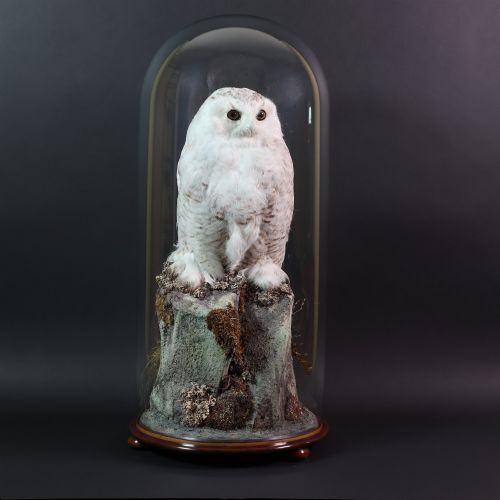
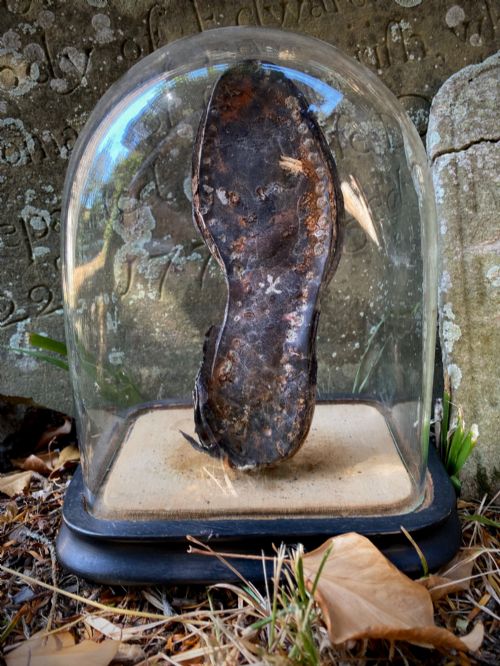
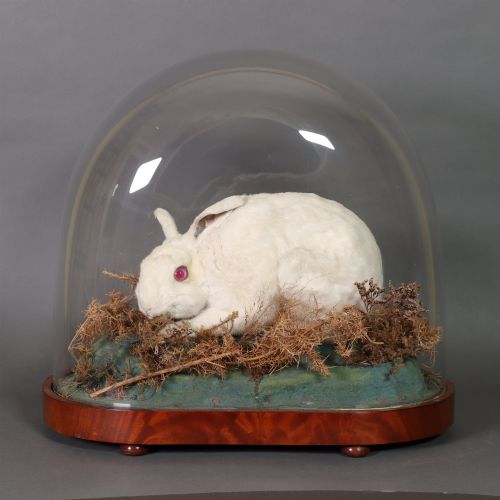
Glass cloche taxidermy items combine preserved natural history specimens with protective glass display domes mounted on wooden bases. These pieces emerge primarily from the Victorian and Edwardian periods, running from the mid-nineteenth century into the early twentieth century.
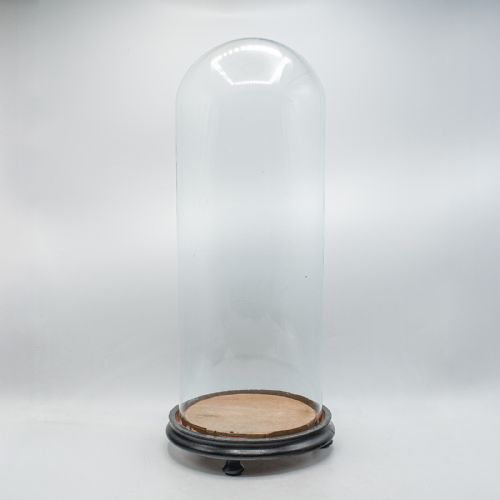
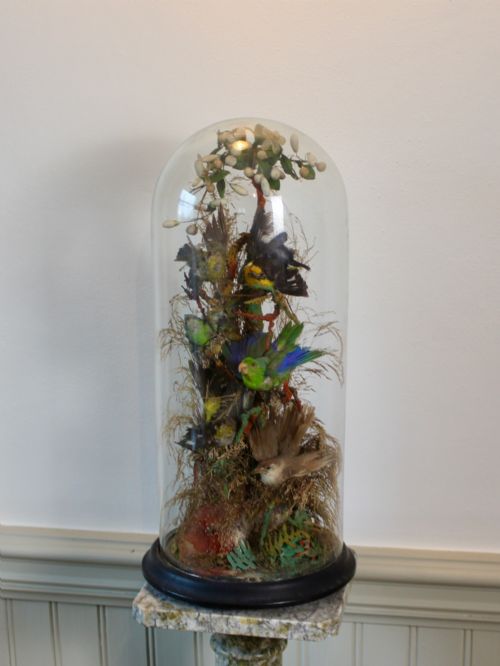
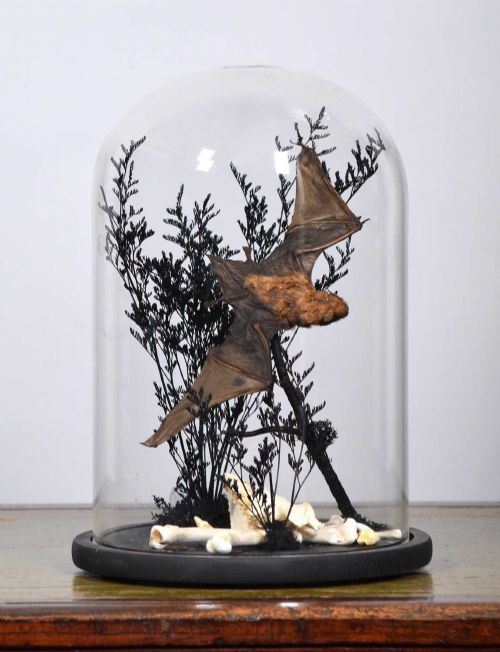
Buyers encounter various forms on this page, including tall display domes, flat-sided domes, ovoid cases, and wide showcases. The preserved contents range from single specimens like bats and rabbits to complex compositions of colourful birds.
Origins trace directly to English workshops and taxidermists who supplied domestic interiors with scientific curiosities. The overarching style aligns with Victorian natural history collecting habits, incorporating elements like ebonised wood, beech, oak, and pine.
Materials and construction methods
Makers utilised mouth-blown glass to create clear, protective covers designed to keep dust away from delicate internal subjects. These glass domes rest upon sturdy wooden bases shaped from ebonised wood, beech, oak, pine, or marquetry.
Internal arrangements incorporate natural materials such as feathers, fabric, velvet, and felt to replicate the natural habitat of the taxidermy specimen. Structural components rely on traditional joinery to support heavy glass covers and secure the internal composition.
Glass Cloche Taxidermy Retail Price Guide 2026
Typical asking prices for glass cloche taxidermy among the pieces listed under this phrase on Sellingantiques today, from the lower quarter to the upper quarter. They describe what is for sale here now, not the wider market.
Listings span the Victorian and Edwardian periods, recording materials such as glass, ebonised wood, beech, oak, pine, fabric, feathers, velvet, and felt.
Distinctions in quality
Quality rests upon the clarity and weight of the blown glass cover, where older domes often display subtle bubbles and irregularities from manual production. Superior examples feature well-proportioned wooden bases and sophisticated internal compositions rather than simple single specimens.
The reputation of the taxidermist or firm responsible for the preservation work elevates the standing of an individual dome. Attribution to known London specialists influences the desirability of the piece within natural history collecting.
James Gardner·Henry Ward London·A Pollard
The Glass Cloche Taxidermy Glossary
- Cloche
- A bell-shaped glass cover used to protect delicate items from dust and damage. These transparent vessels form the primary housing for preserved specimens.
- Taxidermy
- The art of preparing, stuffing, and mounting the skins of animals for display. Practitioners arrange specimens within glass enclosures to mimic living postures.
- Ebonised wood
- Timber treated with a dark stain or finish to imitate ebony. This material frequently forms the plinths of Victorian display cases.
- Diorama
- A three-dimensional scene depicting wildlife within a constructed natural habitat. These displays sit securely beneath glass domes.
- Specimen
- An individual animal or bird selected for scientific study and display. These subjects form the focal point of the glass enclosure.
Glass Cloche Taxidermy: Frequently Asked Questions
How do I date a glass dome?
Dating relies on the materials, base construction, and glass characteristics seen in Victorian and Edwardian examples. Earlier nineteenth-century pieces often feature heavy ebonised wood bases.
Subsequent Edwardian pieces occasionally utilise lighter woods like beech or oak. Maker labels or attribution details underneath the base also assist with dating.
Where were these pieces made?
The evidence points to English workshops and prominent London taxidermy firms. Many pieces originated in capital studios during the Victorian era.
Specialist practitioners mounted birds and mammals on natural substrates before sealing them beneath glass. These items served collectors and middle-class households alike.
How do I care for a taxidermy dome?
Care involves keeping the glass clean with standard glass cleaner while leaving the sealed interior undisturbed. The glass cover protects the fragile contents from direct physical contact.
Placing the dome away from direct sunlight prevents fading of feathers and fabrics. The wooden base requires only occasional dusting with a dry cloth.