



Glass Chemist Bottles
Glass chemist bottles are historic apothecary vessels and jars that bring tactile, functional design into modern interiors.
Glass Chemist Bottles
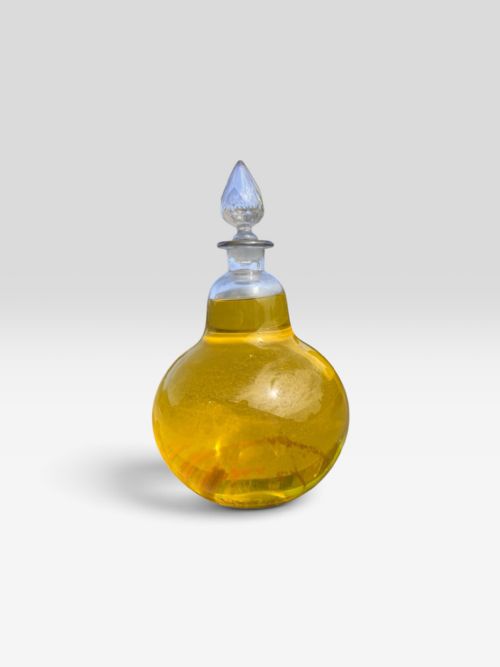
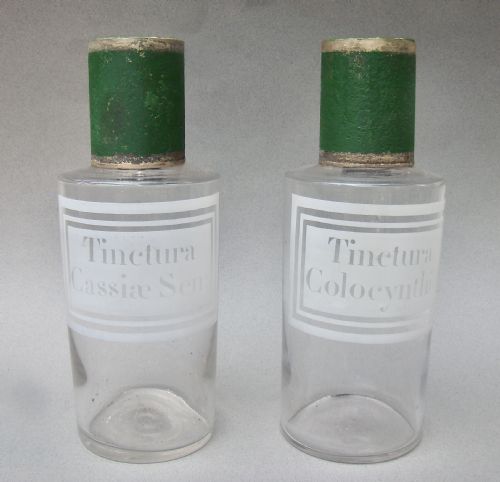
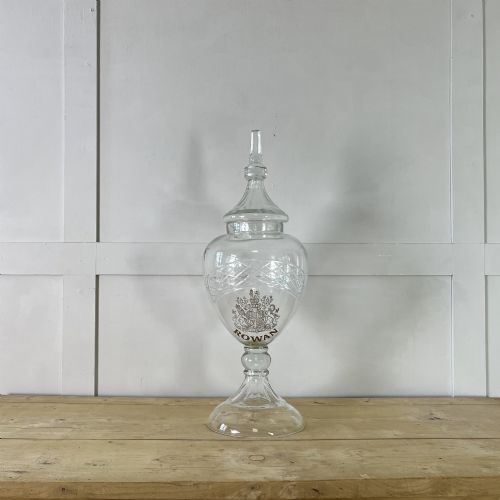
Glass chemist bottles are utilitarian pharmacy containers designed to hold liquids, tinctures, and drugs in medical and apothecary settings. When searching for glass chemist bottles, collectors encounter forms ranging from small tincture vials to large display carboys and jars.
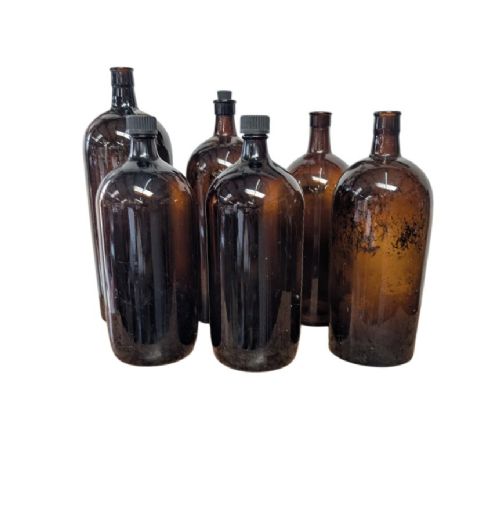
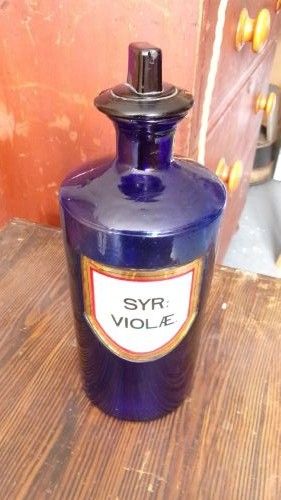
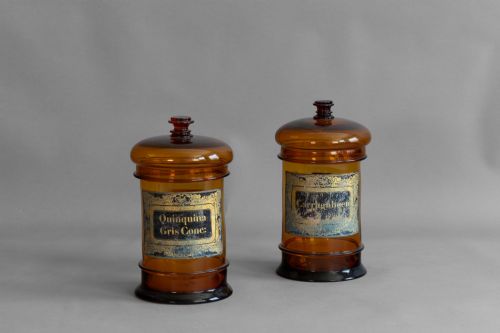
The pieces on this page span the Georgian, Victorian, and Edwardian periods, stretching into the early twentieth century. Common survivals include Bristol blue glass bottles with lollipop stoppers, amber glass vessels, and matching sets housed in mahogany travelling cases.
What varies in quality
Quality rests upon the clarity and colour depth of the glass, with deep Bristol blue and rich amber pigments commanding strong attention. Intact original stoppers, clear etched lettering, and complete sets elevate the standing of individual pieces.
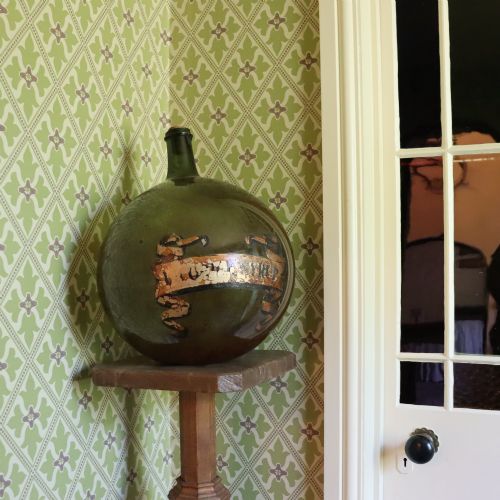
The presence of original paper labels and gold leaf details adds significant character compared to plain or heavily worn examples. Form also dictates appeal, as large display carboys and fitted campaign boxes show superior craftsmanship.
Listings feature materials including glass, gold leaf, paper, brass, and paint across Victorian, Edwardian, and Georgian periods.
The Glass Chemist Bottles Glossary
- Carboy
- A large glass vessel, usually with a narrow neck, used in laboratories and pharmacies for holding liquids. These substantial pieces often sat in windows to attract customers.
- Tincture bottle
- A small glass container designed to hold alcoholic medicinal extracts. They frequently feature ground glass stoppers to prevent evaporation.
- Lollipop stopper
- A glass closure with a flat, circular top resembling a lollipop. This design provides a secure grip when opening frequent-use pharmacy jars.
- Bristol blue
- A deep cobalt blue glass traditionally produced in the Bristol area during the eighteenth and nineteenth centuries. It protected light-sensitive medicines while offering a striking appearance.
- Apothecary box
- A fitted wooden case, often made of mahogany, containing an arrangement of small glass bottles and drawers for medical supplies.
Glass Chemist Bottles: Frequently Asked Questions
How were apothecary bottles used?
Apothecary bottles held medicinal compounds, dry drugs, and liquid tinctures in pharmacies and doctors' surgeries.
Larger carboys sat in shop windows as trade signs, while smaller vessels stored specific remedies on dispensary shelves.
How do I date a glass chemist bottle?
Dating relies on manufacturing marks, glass colour, and style indicators like pontil scars from hand blowing.
Georgian and Victorian pieces often show greater irregularities in the glass, whereas twentieth-century examples tend towards uniformity.
What are lollipop stoppers?
Lollipop stoppers are flat-topped glass closures made to fit snugly into the necks of apothecary jars and bottles.
They created an airtight seal to preserve volatile contents and prevent contamination.
How should I display chemist bottles at home?
These vessels suit bright windowsills where natural light can pass through coloured Bristol blue and amber glass.
Matched sets look striking grouped together on open shelving or arranged within traditional cabinet displays.