



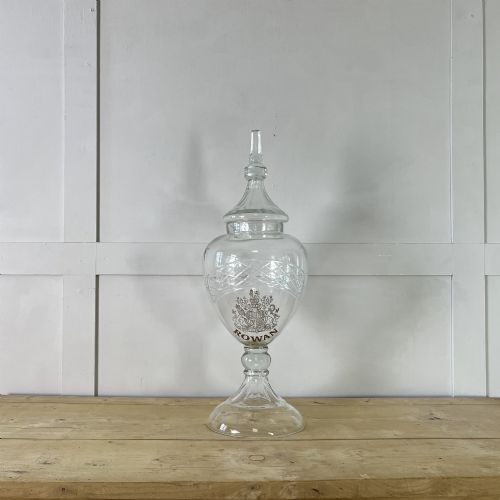


Antique Glass Pharmacy Bottles
These antique glass pharmacy bottles bring practical chemistry straight from the apothecary shop into the home.
Antique Glass Pharmacy Bottles
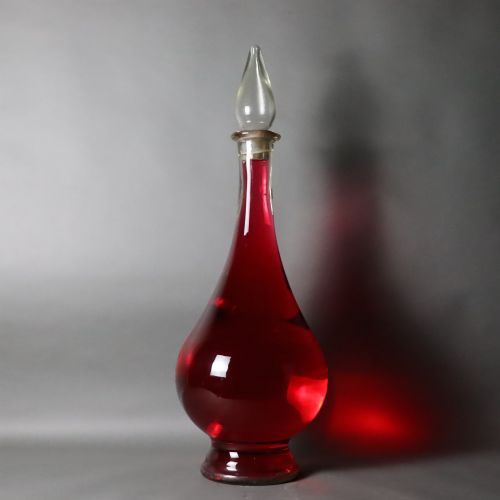
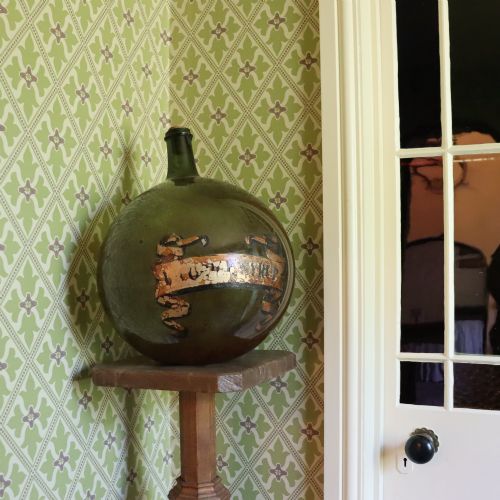
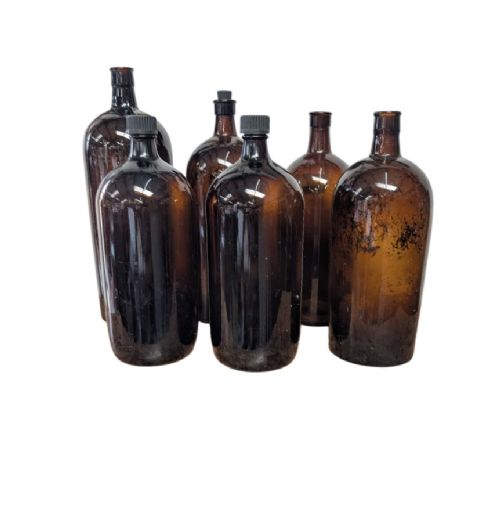
When you search for antique glass pharmacy bottles, you encounter vessels produced to hold chemical preparations, compounds and medicines across the Georgian, Victorian and Edwardian eras. These objects range from tall carboys and moulded chemists' jars to small tincture bottles meant for travelling cases.
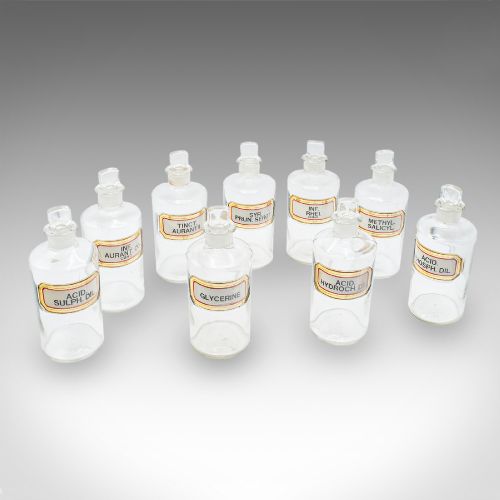
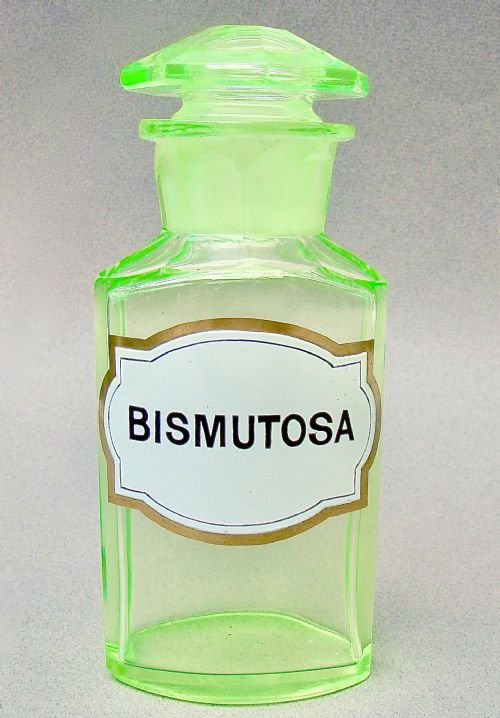
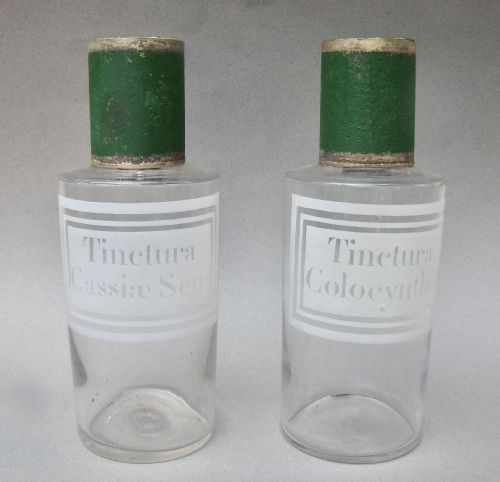
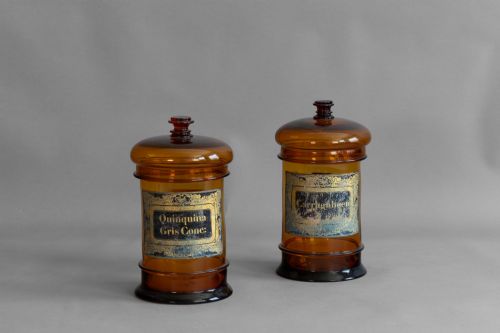
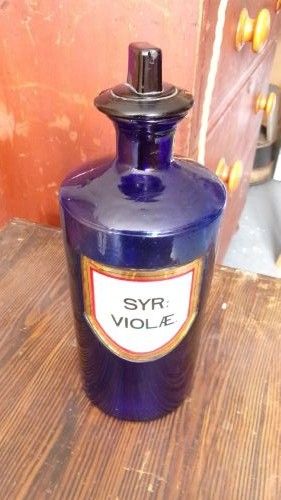
The versions most frequently met on this page include Victorian and nineteenth-century examples in clear, amber, Bristol green and Bristol blue glass, often accompanied by original glass stoppers. Many retain their paper or gold leaf labels naming historical medical contents.
Beyond standalone bottles, the selections encompass apothecary boxes and mahogany chests fitted with miniature glass vessels designed for domestic or professional dispensing.
Materials and construction
The primary material is glass, formed into amber, green, blue or clear vessels using nineteenth-century manufacturing methods, sometimes complemented by cut glass or etched decoration. Stoppers are ground to fit individual necks precisely.
Fitted travel chests and cabinets utilise mahogany, occasionally featuring inlaid woodwork, brass hardware and interior velvet linings to secure the glass components safely during transit.
Antique Glass Pharmacy Bottles Retail Price Guide 2026
Typical asking prices for glass pharmacy bottles among the pieces listed under this phrase on Sellingantiques today, from the lower quarter to the upper quarter. They describe what is for sale here now, not the wider market.
Listings feature materials including glass, gold leaf, paper, brass, mahogany and velvet across nineteenth-century and early twentieth-century periods.
Assessing quality
Quality rests upon the preservation of the original components, such as matching stoppers, intact paper labels and clear gold leaf lettering. The depth and intensity of coloured glass, whether deep blue, emerald green or rich amber, also elevate the piece.
Fittings significantly influence the standard of complete sets, where mahogany boxes retain their original drawers, compartments and full complements of matching glass jars.
The Antique Glass Pharmacy Bottles Glossary
- Carboy
- A large glass vessel used in laboratories or shop windows to store liquids. These substantial jars often sat prominently on shelves or in window displays.
- Tincture bottle
- A small glass bottle designed to hold medicinal extracts dissolved in alcohol. They are typically found in sets within fitted wooden chests.
- Lollipop stopper
- A glass stopper featuring a flat, circular disc top resembling a lollipop. This shape provides a secure grip for frequent removal.
- Uranium glass
- Glass coloured with uranium oxide that glows vibrant green under ultraviolet light. It appears in nineteenth-century apothecary wares.
- Winchester
- A standard heavy-duty glass bottle shape utilised for storing acids and chemicals safely. They are commonly rendered in thick amber glass.
Antique Glass Pharmacy Bottles: Frequently Asked Questions
What were apothecary bottles used for?
These bottles stored powders, liquid medicines, tinctures and chemical compounds used by chemists and physicians. They kept ingredients sealed and protected from light before dispensing.
Larger vessels served as display items in shop windows, while smaller ones fitted neatly inside travelling medicine chests for house calls.
How do I date antique pharmacy bottles?
Dating relies on manufacturing techniques, glass colour, label styles and associated cabinetry if the bottles belong to a fitted box. Nineteenth-century examples often display pontil marks on the base and hand-lettered paper labels.
Georgian and Regency pieces frequently accompany mahogany chests with brass campaign handles, whereas Edwardian and later twentieth-century specimens show more uniform machine-moulded construction.
How should I display them at home?
Coloured glass vessels look striking placed on windowsills where natural light illuminates the blue, green and amber hues. Grouping sets together on open shelving replicates the historic look of a chemist's shop.
Enclosed wooden medicine chests and boxes can sit on sideboards or desks, keeping smaller tincture bottles secure inside their fitted compartments.
Are original stoppers important?
Original ground-glass stoppers matching the exact neck of the bottle contribute significantly to the completeness and character of the piece. Finding bottles with their original stoppers intact remains desirable for collectors.
Some bottles also preserve their historic paper labels or gold leaf inscriptions, which identify the specific medical contents they once held.