
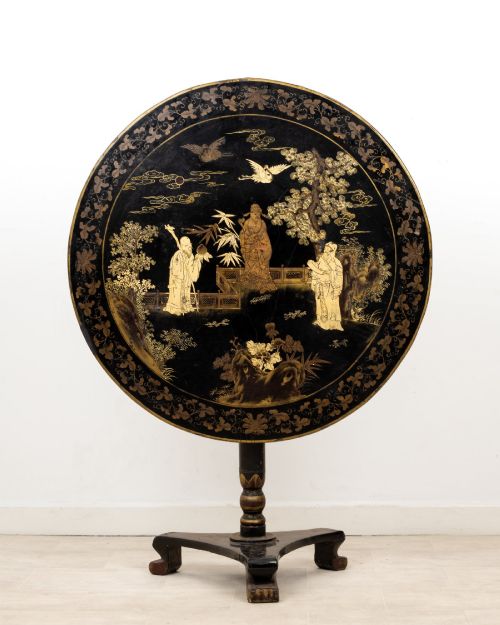
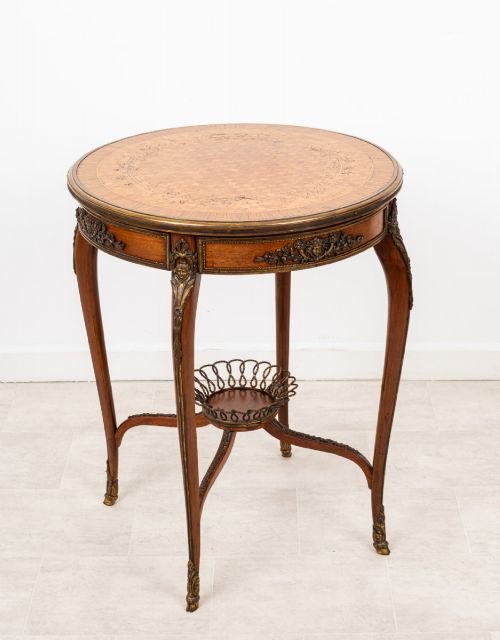
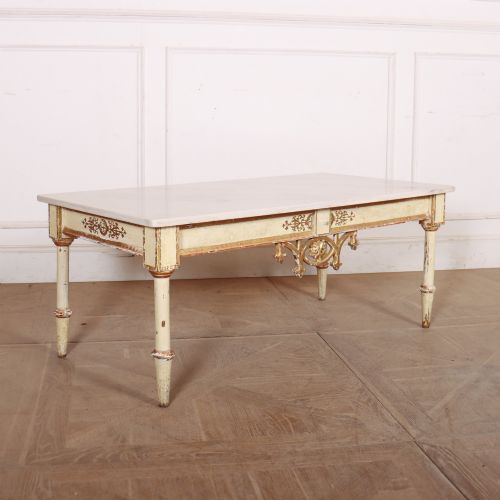
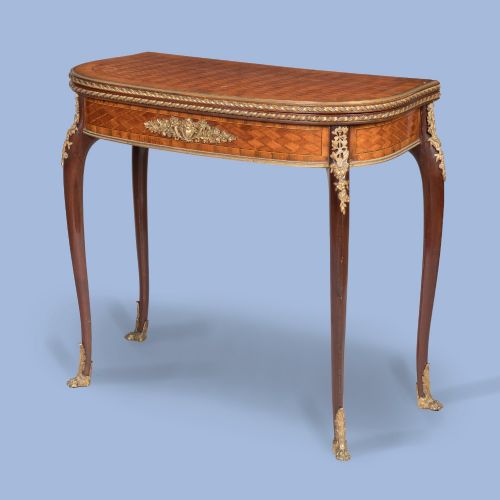
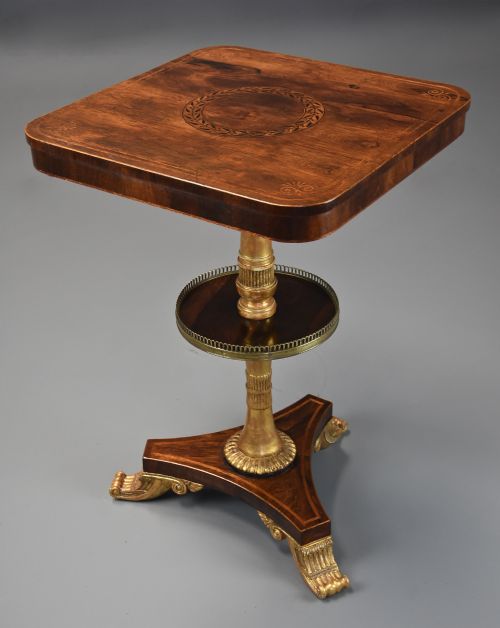
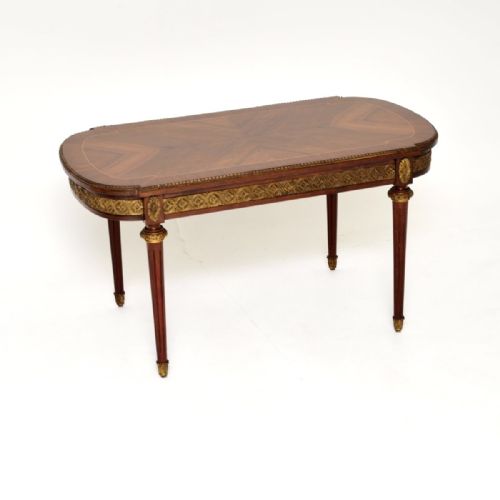
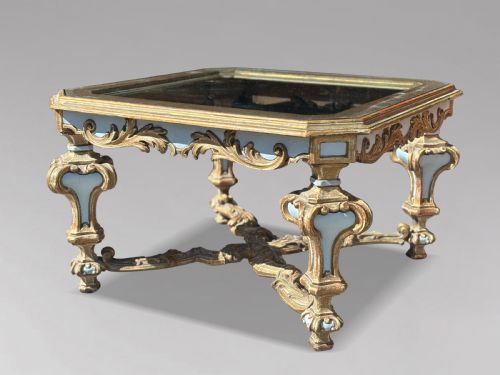


Gilt Wood Tea Table
These gilt wood tea table examples bring distinct nineteenth-century and revival styles to living spaces.
Gilt Wood Tea Table
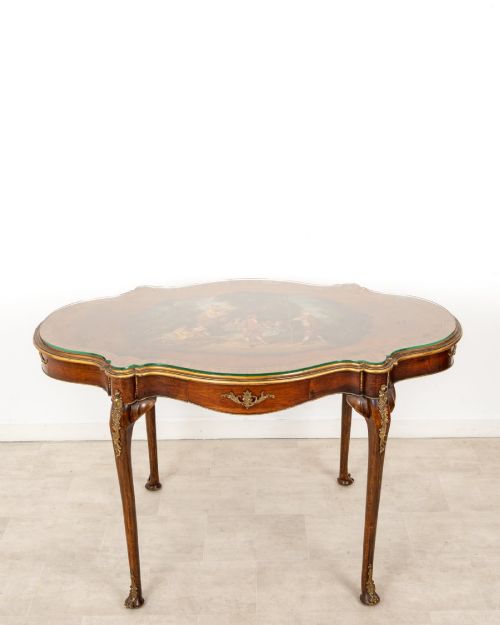
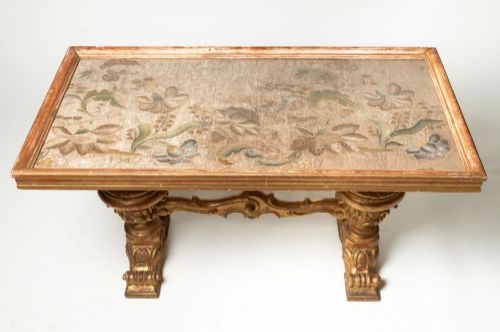
A gilt wood tea table combines decorative surfaces with functional forms like coffee tables, centre tables, card tables, and occasional tables. Buyers searching for a gilt wood tea table encounter pieces originating from periods including the Regency era, the nineteenth century, and twentieth-century revivals.
The selection ranges from French Louis XV and Louis XVI designs to Italian baroque and Chinoiserie styles. These tables serve as low coffee tables or display surfaces in traditional and eclectic interiors alike.
Materials and construction
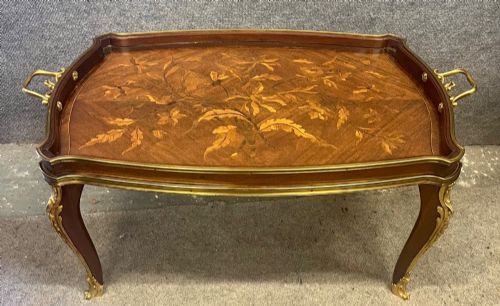
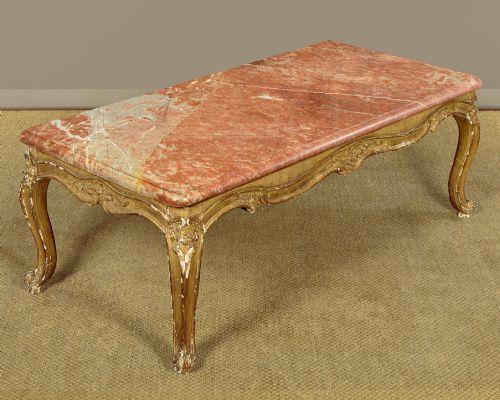
Craftsmen built these tables using foundational timbers such as walnut, rosewood, kingwood, and general wood, applying gold leaf, giltwood, or ormolu mounts for metallic enrichment. Surfaces frequently incorporate marble tops or detailed marquetry and parquetry patterns.
Techniques draw on French and Italian cabinet-making traditions, utilising hand-carved frames, painted decoration, and lacquered finishes to achieve the characteristic appearance of revival and period pieces.
Listings feature items spanning the eighteenth, nineteenth, and twentieth centuries, incorporating materials like marble, ormolu, and gold leaf.
What separates the best examples
Quality rests in the crispness of the carving on the gilt wood frame and the precision of the ormolu mounts. Finer pieces demonstrate superior joinery and sophisticated timber selection, such as matched kingwood or walnut veneers.
The integration of materials also defines the tier of a piece, where genuine marble inserts or intricate floral marquetry contrast with simpler painted or lacquered surfaces.
François Linke·George Bullock·Lamb Of Manchester·Harrods
The Gilt Wood Tea Table Glossary
- Giltwood
- Wood that has been coated with gold leaf or a gold-coloured finish. This treatment creates the bright, reflective surface seen on many revival and period frames.
- Ormolu
- Gilded bronze mounts applied to furniture for decoration. It is commonly found on nineteenth-century French pieces alongside marquetry.
- Marquetry
- Inlaid wood veneers arranged in pictorial or geometric patterns. Craftsmen use contrasting timbers like rosewood and walnut to form these designs.
- Parquetry
- Geometric wood inlay forming patterns such as cubes or chequers. This technique decorates the tops of card and centre tables.
- Vernis Martin
- A type of European lacquer developed in imitation of Asian lacquerwork. It appears on specialised French furniture of the period.
Gilt Wood Tea Table: Frequently Asked Questions
How do I identify a gilt wood tea table?
Look for a wooden frame finished with gold leaf or giltwood, often paired with an occasional, coffee, or card table form. These pieces frequently display revival styles such as Louis XV or Regency.
Examine the construction methods and secondary timbers underneath or inside the table to confirm the period of manufacture.
Where were these tables used originally?
These tables functioned in formal drawing rooms, parlours, and salons for serving tea, playing cards, or displaying decorative objects. Centre tables stood prominently in the middle of a room, while card tables folded against walls when not in use.
Their decorative gilt surfaces and marble tops were designed to catch candlelight and impress guests during social gatherings.
How do I care for giltwood and ormolu?
Dust giltwood gently with a soft, dry brush to protect the delicate gold leaf layer from abrasion. Avoid liquid cleaners and harsh chemicals that can strip the metallic finish.
Keep the tables away from direct sunlight and excessive humidity to prevent the underlying wood from warping and the veneer from lifting.
How do I tell a nineteenth-century piece from a later revival?
Nineteenth-century originals often show period tool marks, hand-cut joinery, and natural ageing in the timbers and gilding. Later twentieth-century revival pieces may exhibit more uniform manufacturing methods and different secondary woods.
Comparing the specific style markers, such as the exact interpretation of Louis XVI carving, helps clarify the date of production.