

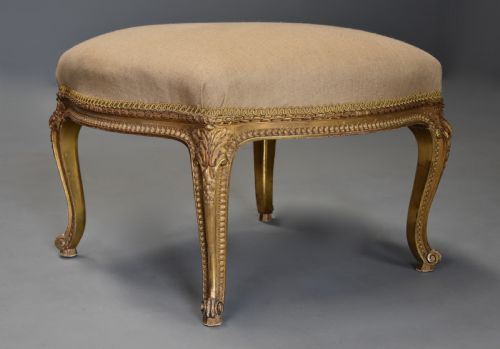


Gilt Wood Stool
A gilt wood stool brings instant warmth and metallic polish to a room, offering practical seating paired with centuries of decorative tradition.
Understanding gilt wood stool
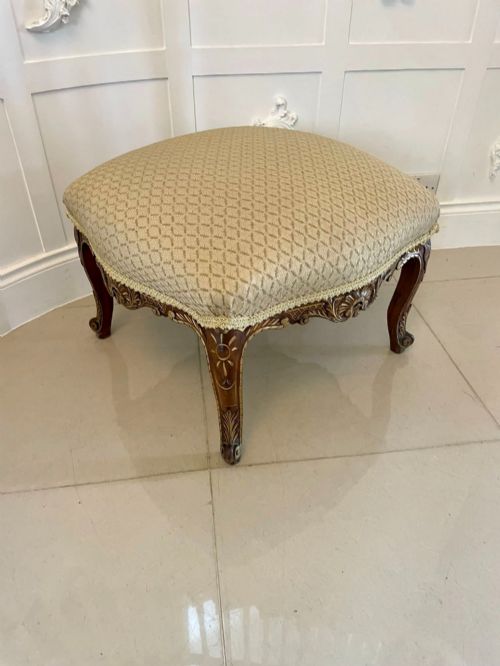
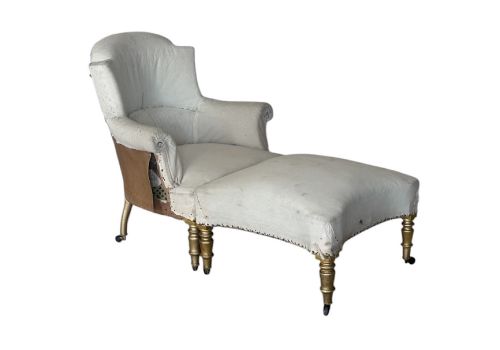
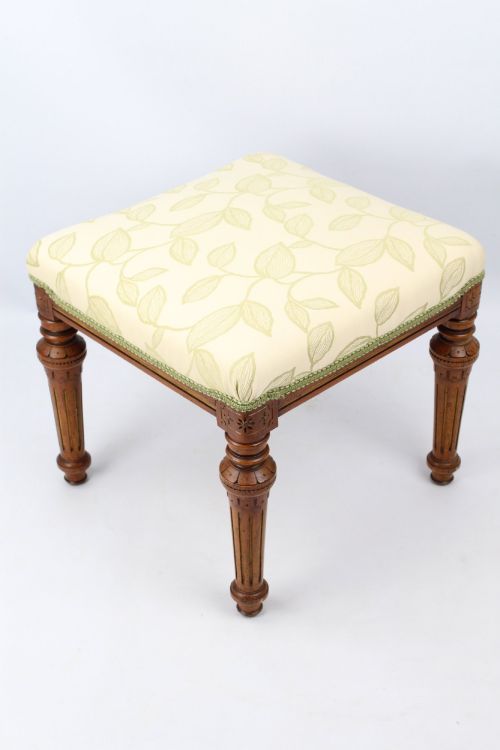
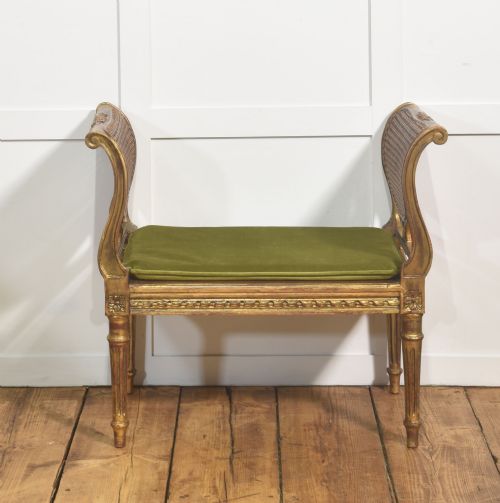
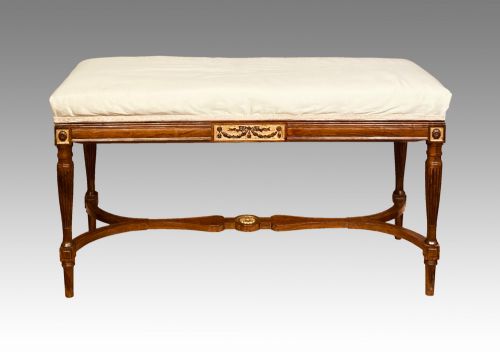
A gilt wood stool encompasses seating designed for various domestic rooms, appearing in forms such as low footstools, dressing stools, and larger window seats. When you search for gilt wood stool, you encounter pieces that range from nineteenth century French seating to Swedish painted designs and Edwardian examples.
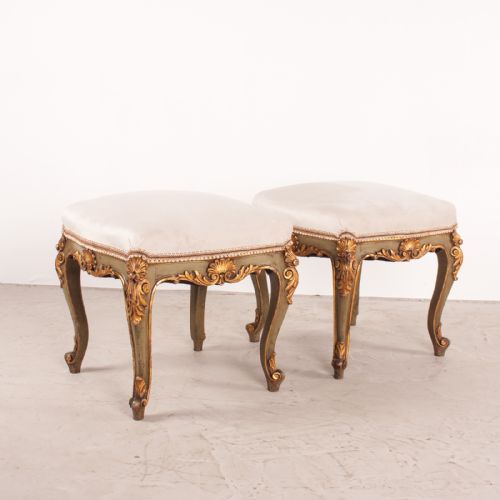
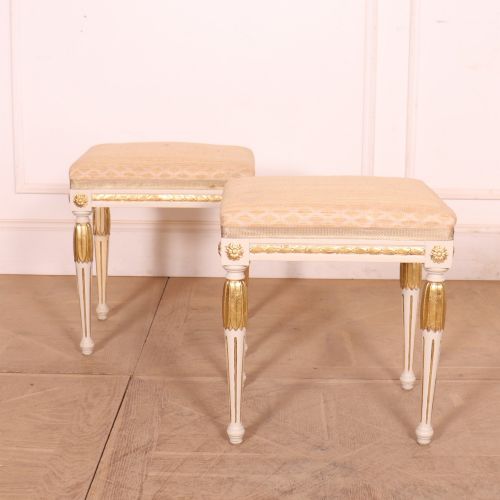
The objects listed on this page include decorative Continental pairs, French window seats, and Swedish painted stools. These items serve as both functional furniture and ornamental highlights within traditional interiors.
Originating across different periods including the nineteenth century, nineteen twenty, and eighteen ninety, these pieces demonstrate diverse regional interpretations of classical styles. Buyers find both compact footstools and wider benches suited to diverse placement in a home.
Materials and construction
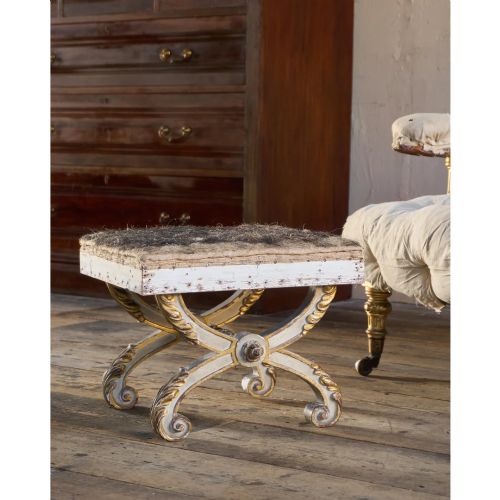
Makers constructed these pieces using carved wood, painted wood, and solid satinwood as structural foundations. Artisans then applied gold leaf, gesso, and giltwood finishes to create a luminous metallic surface that catches the ambient light.
Upholstery methods involved durable fabrics, damask upholstery, tapestry, beadwork, and embroidered covers. Craftsmen secured these textiles over padded foundations to ensure both comfort and aesthetic harmony with the gilded wooden frames.
Object types include footstools, dressing stools, and larger benches spanning styles like Continental Rococo, French Neoclassical, and Gustavian.
Assessing craftsmanship and finish
The crispness of the wood carving dictates much of the visual success in these items, separating fluid, deeply hand-carved ornamentation from shallower, mechanical shaping. Superior examples display intricate detailing on cabriole legs and moulded rails that retain their definition beneath the gilding.
The application and preservation of the gold leaf or gilt finish determine the longevity and depth of the surface appearance. Original, undisturbed gilding with subtle signs of age demonstrates a higher standard of historical preservation than heavy modern re-gilding.
Fournier
The Gilt Wood Stool Glossary
- Giltwood
- Wood that has been coated with thin sheets of gold leaf over a prepared gesso ground. This technique provides a brilliant and durable metallic sheen.
- Gesso
- A plaster-like mixture applied to wooden frames as a smooth base before gilding. It allows carvers to achieve sharp, refined details.
- Cabriole leg
- A furniture leg that curves outward and then tapers inward, mimicking an animal's limb. It appears frequently on eighteenth and nineteenth-century seating.
- Damask
- A reversible figured fabric woven on a loom, commonly utilised for historical upholstery. It adds a textured pattern that complements gilded frames.
- Parcel gilt
- A decoration method where only specific portions of a wooden object are gilded while the rest is painted or polished. This highlights particular architectural details.
Frequently Asked Questions
Where should I place a gilt wood stool?
These stools fit well at the foot of a bed, beside a dressing table, or positioned near a living room fireplace as extra seating.
Their decorative frames also allow them to function purely as aesthetic accents when placed beneath a window or against a hallway wall.
How do I care for antique gilding?
Dust the gilded wooden frame gently with a soft, dry cloth and avoid harsh chemical cleaners that can strip the delicate gold leaf surface.
Keep the piece away from direct sunlight and excessive moisture to protect both the gesso foundation and the antique upholstery.
What styles are common in these stools?
Continental Rococo, French Neoclassical, and Gustavian styles appear frequently among these listings. Each style dictates the specific curves, motifs, and painted finishes used on the frame.
French designs often feature ornate carved foliage, while Swedish Gustavian pieces tend to display lighter, restrained painted treatments.
Are footstools different from window seats?
Footstools are generally smaller, lower to the ground, and designed to support seated feet or act as compact movable seats. Window seats are wider, often built as benches, and meant for sitting by architectural openings.
Both forms utilise carved and gilded wooden frames but serve distinct spatial functions within a room.