

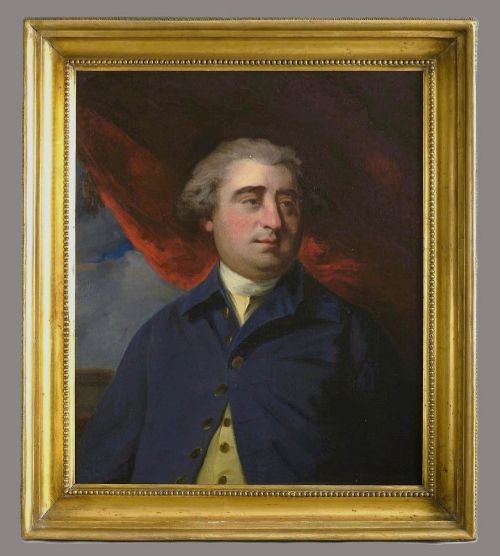
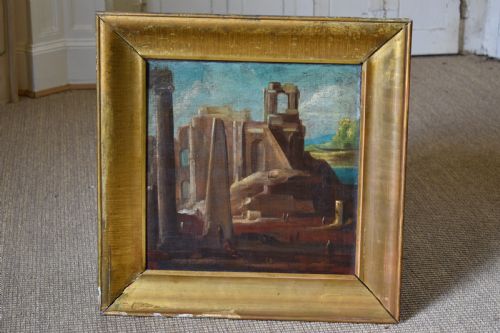
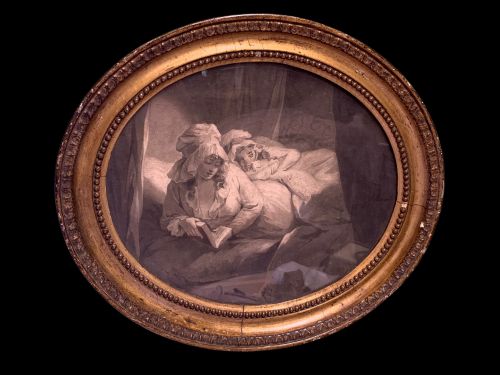
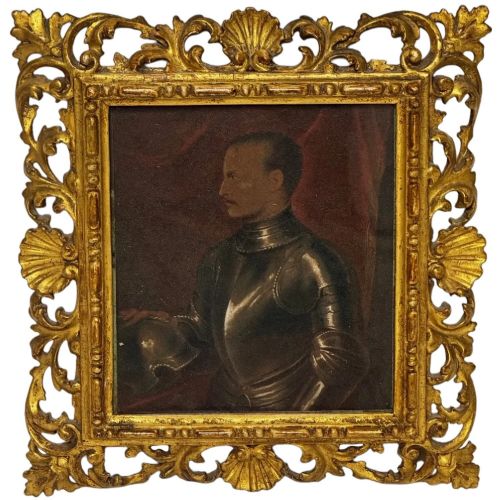
Gilt Wood Framed Picture
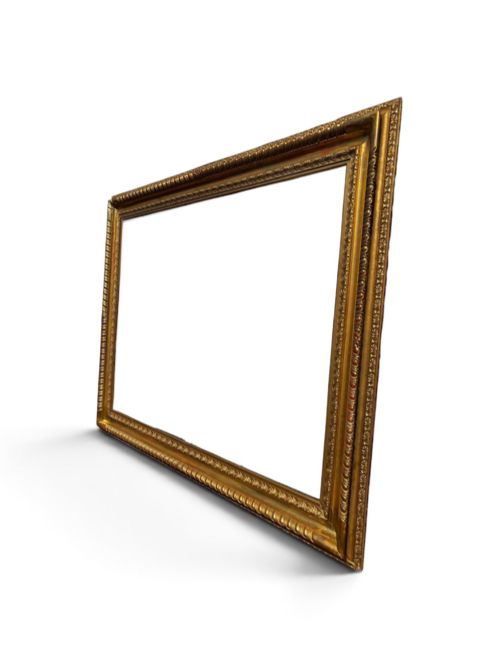
A gilt wood framed picture brings warmth and architectural weight to a room through carved gilding and aged glass.
Gilt Wood Framed Picture
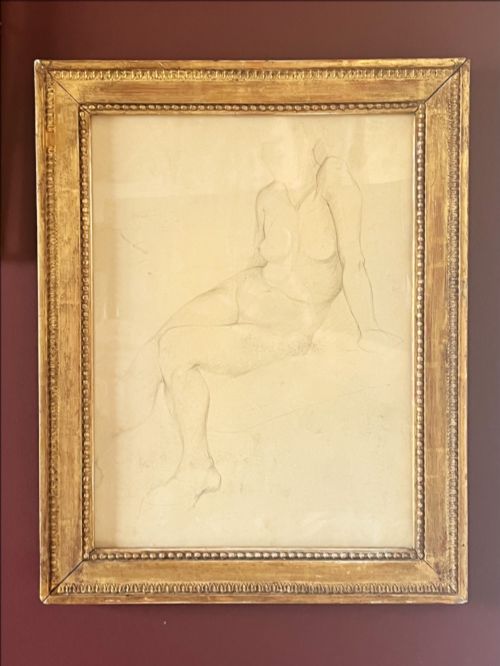
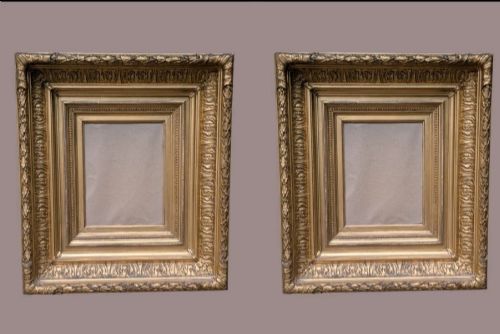
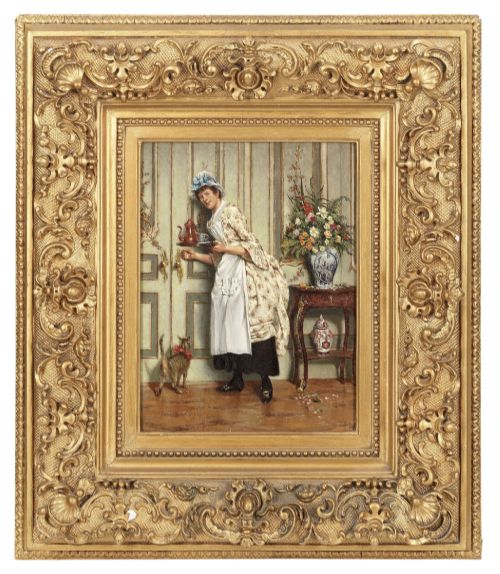
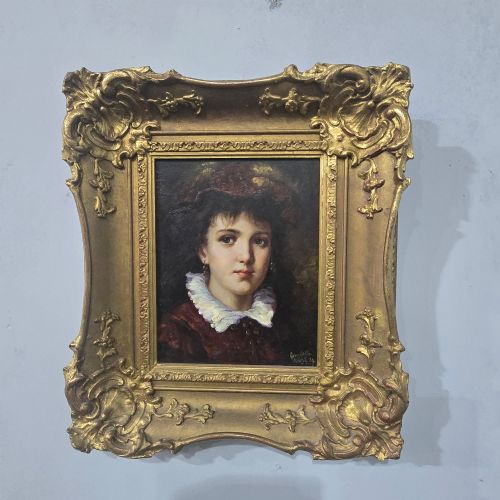
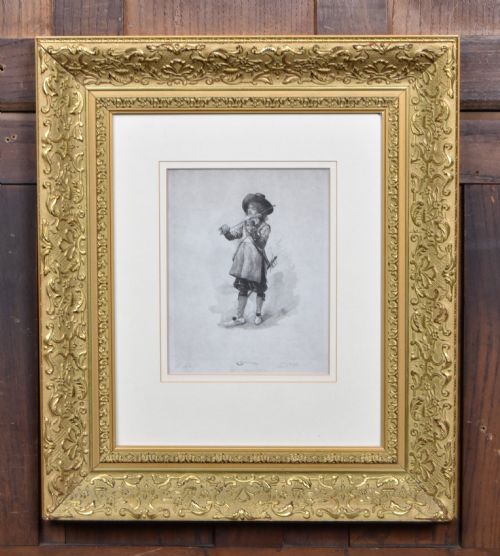
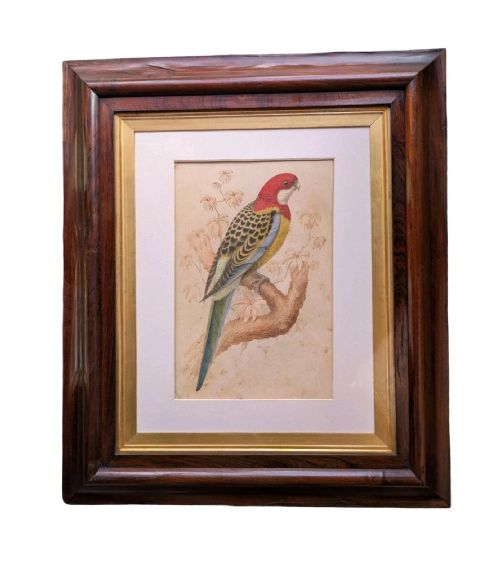
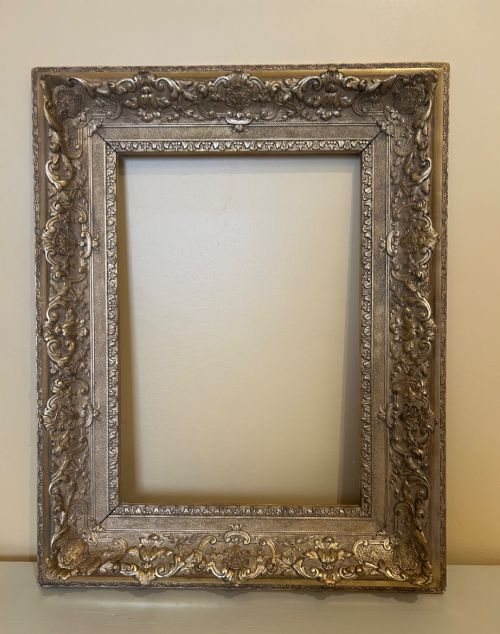
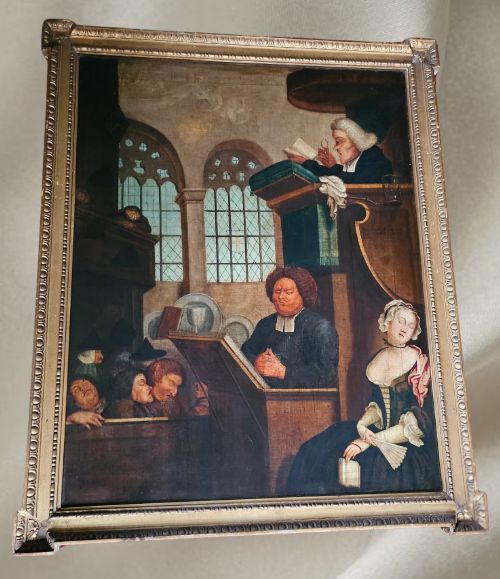
A gilt wood framed picture combines historic artwork and decorative surrounds, ranging from empty nineteenth century mouldings to oil paintings and engravings housed in period enclosures.
Buyers seeking a gilt wood framed picture will encounter nineteenth century and Victorian items most frequently on this page, alongside Georgian and seventeenth century examples.
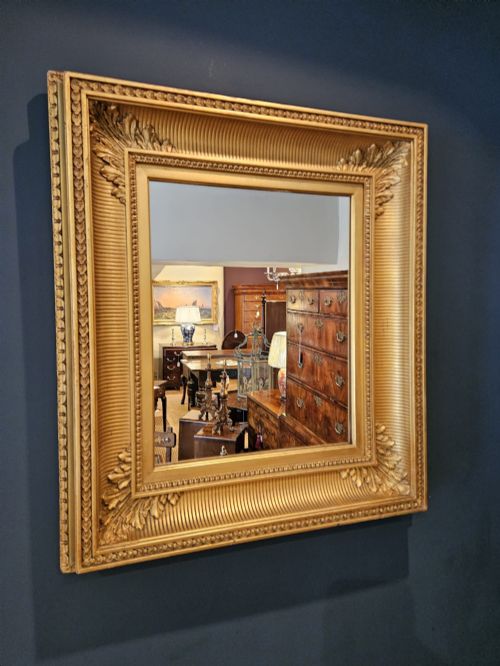
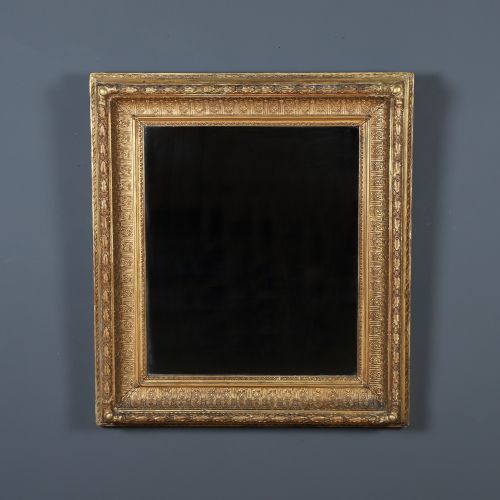
The objects span diverse forms such as wall mirrors, oil paintings on canvas or panel, watercolours, silhouettes, and engravings.
How they were made
Makers constructed the primary structures from wood, applying gesso layers to build up intricate decorative motifs before finishing the surface with gold leaf or giltwood.
Artworks within these surrounds utilise canvas, paper, wood panels, and glass to support oil paint, watercolours, pastels, and engravings.
A solitary ring necked parakeet watches the room from a Victorian taxidermy case framed in gilt wood.
What varies in quality
The crispness of carved ornamentation, such as acanthus leaves or egg and dart mouldings, distinguishes finer frames from simpler versions.
The cohesion between the artwork and its period frame influences overall character, as does the preservation of the original gold leaf surface.
William Howard Hardy·Stephen Samuel Lewin·Jonny Gaston·R. Hurst·William Bazeley and Sons·J De Ninville
The Gilt Wood Framed Picture Glossary
- Gesso
- A plaster mixture applied to wood frames to create a smooth base for gilding. Artisans carved intricate relief patterns directly into this hardened layer.
- Giltwood
- Timber that has been coated with gold leaf or gold paint. This technique provides a luminous metallic finish that ages with a rich patina.
- Engraving
- A printmaking method where an artist cuts lines into a metal plate to hold ink. These works often appear preserved behind glass within period frames.
- Oil painting
- Pigments bound in drying oil applied to canvas or wood panels. These works frequently anchor substantial nineteenth century decorative frames.
- Overmantle
- A large mirror or framed piece designed to hang specifically above a fireplace mantelpiece. They often feature extensive decorative moulding.
Gilt Wood Framed Picture: Frequently Asked Questions
How do I hang a heavy gilt frame?
Substantial frames require secure wall fixings anchored directly into studs or masonry to support the considerable combined weight of wood, gesso, and glass.
Use heavy duty picture wire or mirror plates attached firmly to the structural wood of the frame rather than minor decorative elements.
Are these frames water gilded?
Many historic frames utilise traditional water gilding techniques where gold leaf is applied over bolus and gesso layers. This allows the surface to be burnished to a high shine.
Other pieces feature oil gilding or later metallic paints, which present a slightly more uniform matte appearance.
Can I change the artwork inside?
Period frames are often custom fitted to their original contents, including historic oil paintings, engravings, or mirrors. Altering the interior risks damaging fragile antique backing materials and mouldings.
It is generally best to keep the artwork and frame together as an integrated historical object.
How do I clean a gilt wood frame?
Dust the carved surfaces gently with a very soft, dry brush to prevent accumulation in the recesses of the gesso work. Avoid liquid cleaners and harsh rubbing, which can strip delicate gold leaf.
Professional conservators should handle repairs to flaking gesso or worn gilding to preserve the historic finish.