

Gilt Wood Framed Art
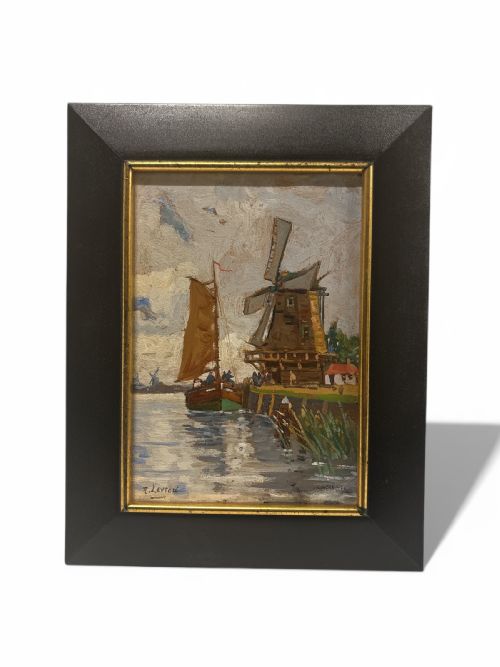
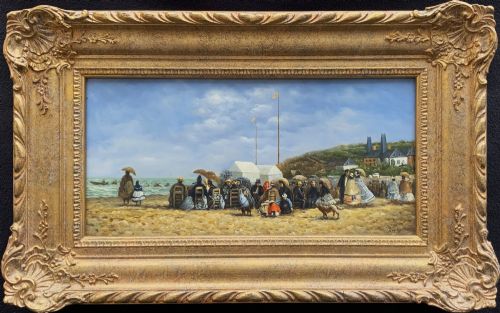
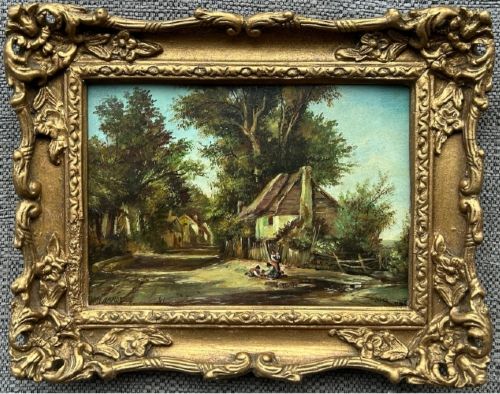
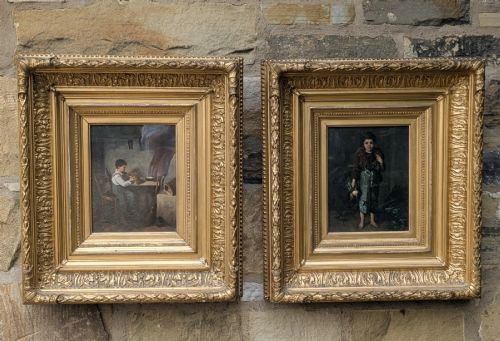
Gilt wood framed art brings together period paintings and ornate surrounds, offering a classic focal point for a room.
What gilt wood framed art is
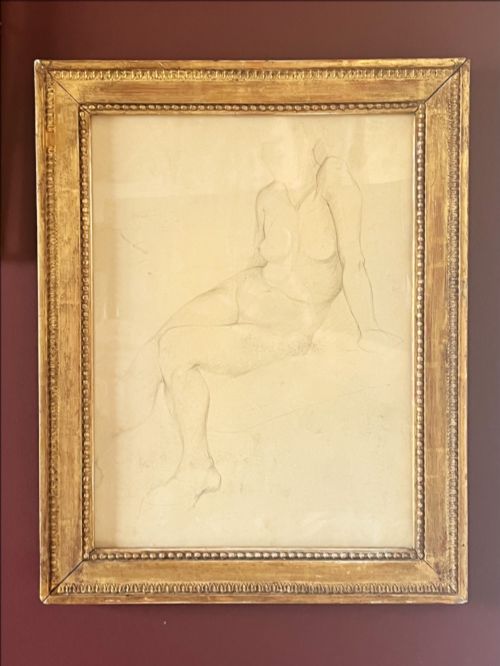
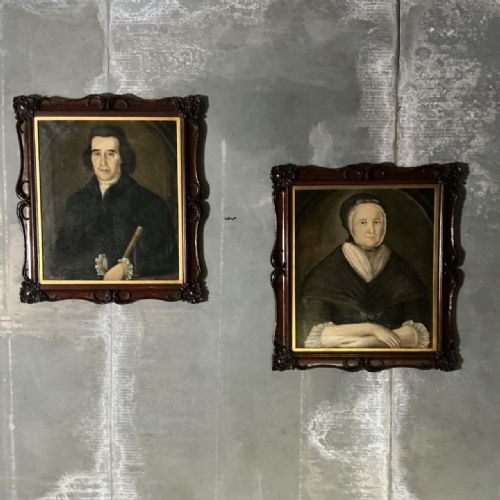
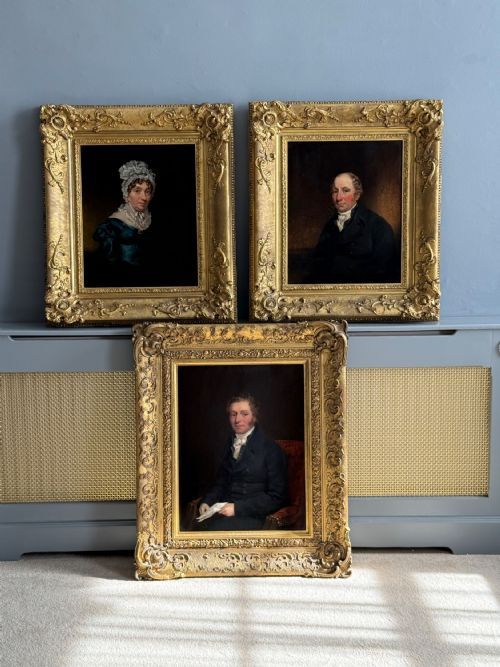
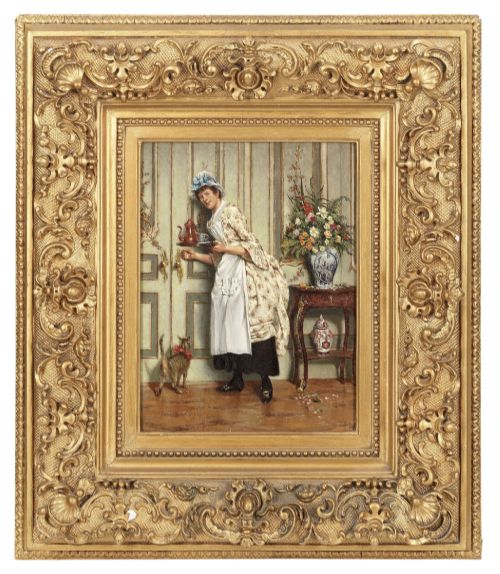
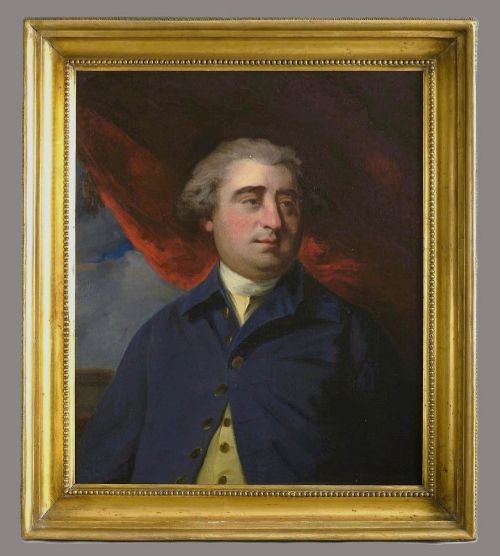
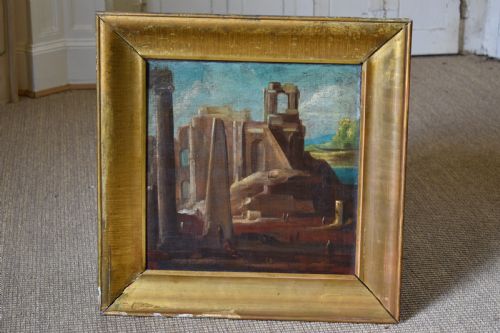
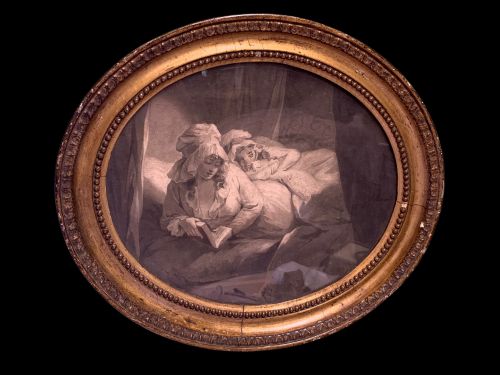
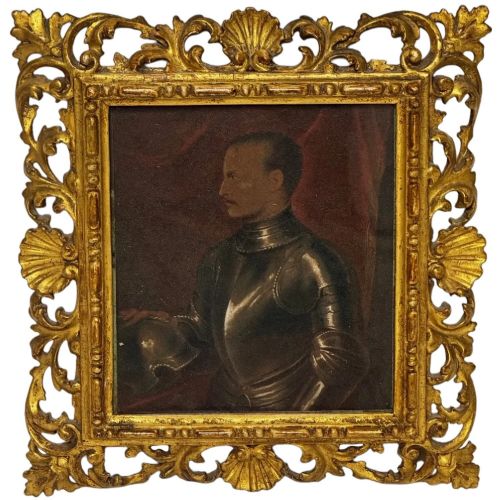
Gilt wood framed art encompasses oil paintings and portraits housed within decorative wooden surrounds. These pieces span the nineteenth century through the early twentieth century.
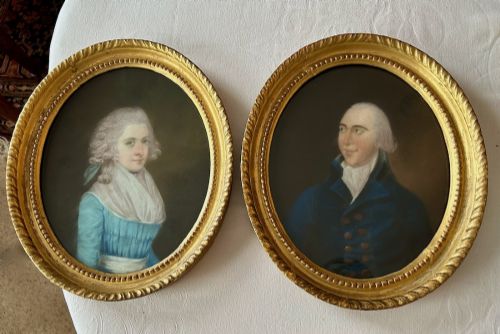
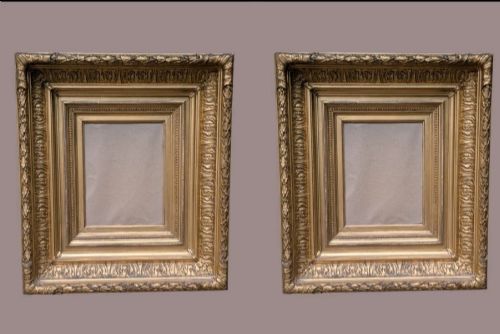
Buyers encounter pastoral scenes, companion pairs, and formal portraits set within moulded frames. Victorian pastoral works and Belle Epoque studies feature prominently among these selections.
Originating from periods such as nineteen-ten and nineteen-thirty, these artworks capture historical subjects and rural life. Each piece combines a canvas support with a giltwood or moulded perimeter.
How they were made
Artists applied oil paint and pastel onto canvas and paper supports. Painters such as Frederick James Knowles and Gaston Bouy worked in these traditional media.
Makers constructed frames from wood before applying gilt finishes or moulded details. These surrounds enhanced the visual weight of the paintings they enclosed.
Listings feature oil paintings and portraits created across the nineteenth and early twentieth centuries.
What varies in quality
The sophistication of the painting technique and the detail within the portraiture dictate the standing of a piece. Works by listed artists carrying specific dates command greater attention than anonymous examples.
The execution of the wooden frame and the quality of the gilding separate standard items from finer works. Intricate moulding and well-preserved surface finishes elevate the overall object.
Frederick James Knowles·Gaston Bouy
The Gilt Wood Framed Art Glossary
- Giltwood
- Wood treated with gold leaf or a gold-coloured metallic finish. This material creates a reflective and decorative border around the artwork.
- Moulded frame
- A frame shaped with contours and relief patterns. Such decoration adds depth and texture to the perimeter of the picture.
- Pastel
- A medium consisting of powdered pigment and a binder. Artists use this to create soft-edged works on paper.
- Pastoral
- A style depicting rural subjects, shepherdess scenes, and agricultural life. These works romanticise the countryside.
Frequently Asked Questions
What periods do these pieces span?
The available selection covers the nineteenth century, nineteen-ten, and nineteen-thirty. These dates reflect both Victorian pastoral works and early twentieth-century portraits.
Buyers find that the materials and styles align closely with these specific historical windows.
What materials make up these works?
Artworks utilise oil on canvas, paper, and pastel mediums. The surrounds consist of gilt wood and moulded frame constructions.
This combination ensures both the picture and its housing share a period aesthetic.
How do I identify different styles?
Victorian pastoral works focus on rural life and animal subjects like cattle and geese. Belle Epoque and early twentieth-century pieces often showcase formal portraiture and evening attire.
Examining the subject matter helps distinguish between these categories.
How should I live with these artworks?
Place them in spaces away from direct sunlight to protect the canvas and the gilt finish. Pair them with traditional interiors that complement their ornate wooden frames.
Regular dusting with a soft cloth keeps the moulded details clean.