





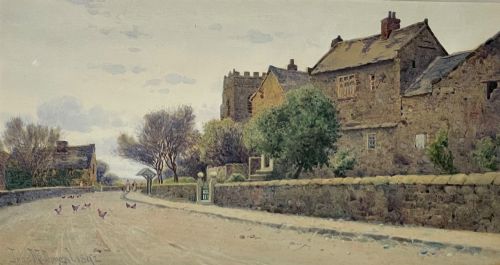
Framed British Landscape Painting
A framed british landscape painting brings the countryside, coast and rivers of past centuries directly onto the wall inside a wooden frame.
Framed British Landscape Painting
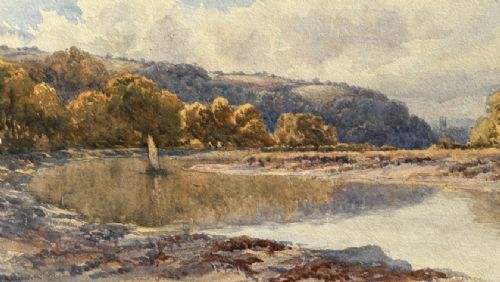
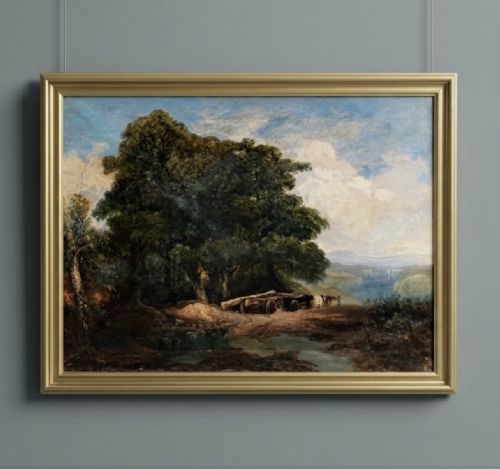
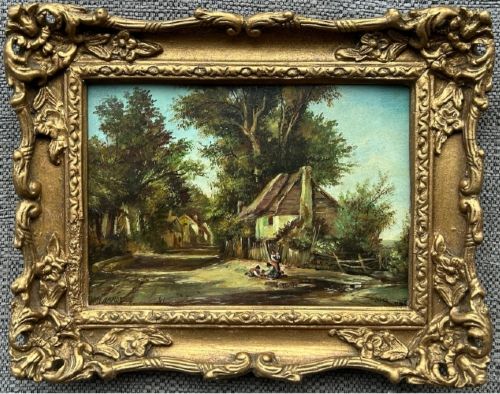
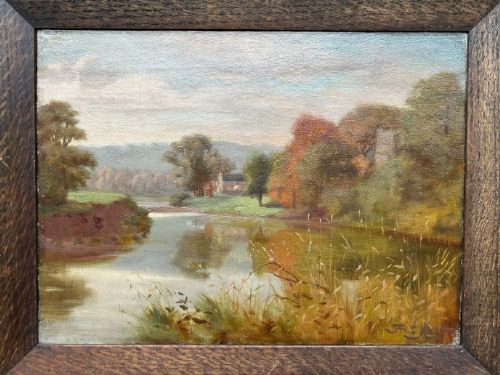
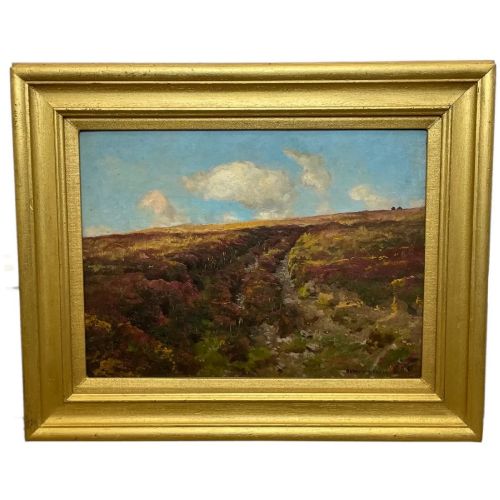
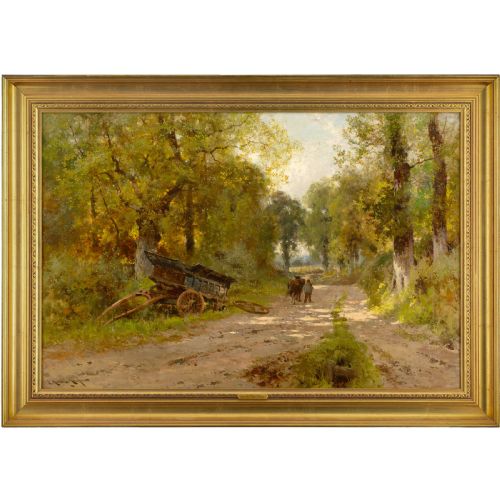
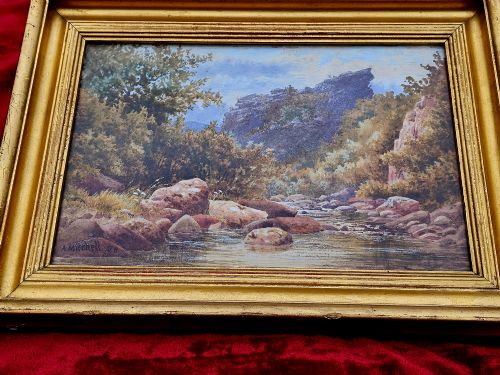
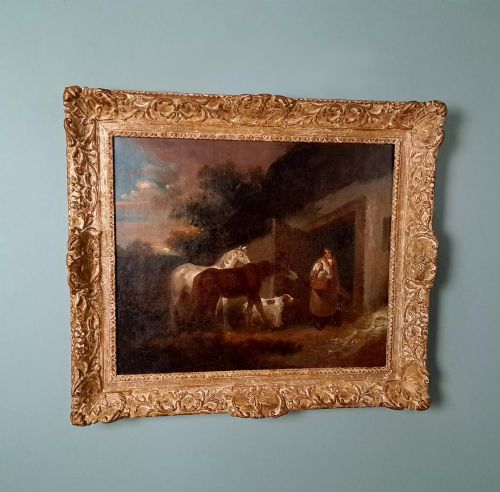
A framed british landscape painting records rural views, coastal scenes and woodland paths created by artists working across the nineteenth and twentieth centuries. These artworks capture shifting light across fields, river valleys and mountainous regions in various painted formats.
The versions most commonly met on this page include nineteenth century oil paintings on canvas and early twentieth century watercolours on paper. Many retain their original or period wooden frames, preserving the complete object as it hung in historical homes.
Makers and artists span regional schools, Royal Academy exhibitors and local painters from the Victorian, Edwardian and modern periods. Their subjects range from pastoral farming scenes to rugged northern lakes and quiet village harbours.
How They Were Made
Painters applied oil paint to stretched canvas, wooden panels or paper boards, building texture with brushwork and palette knives. Watercolours on paper utilised washes of pigment applied with fluid brush strokes, often finished with gum arabic for depth.
Frames constructed from wood enclosed the artwork, frequently finished with gilding, plaster moulding or simple polished mouldings. Glass protected works on paper from atmospheric moisture and dust over generations of display.
Regional British scenes represented include Cornwall, the Lake District, Wales, Venice, Brighton beach and the River Thames in London.
What Varies in Quality
The success of a landscape rests on the artist's handling of atmospheric perspective, light and spatial depth within the composition. Stronger examples display confident brushwork and a balanced palette that suggests movement and air.
Materials and framing also contribute to the distinction between pieces, where original period frames complement the scale and palette of the artwork. The clarity of the artist's signature and documented exhibition history further elevate individual paintings.
Richard Sebastian Bond·George Fotherly Hargitt·James Orrock·William H Myers·George Graham·Thomas Ellison·Clifford Hanney·Percy Lancaster·William Howard Hardy·Frederick Marriott·Arthur Wardle·John Horace Hooper·A. Mitchell·William Joseph Shayer Senior·John McDougal·Alfred Fontville de Breanski Jr·Sidney A. Court·EJ Letheren·Robert Leslie Howey·Edward Mills·Kershaw Schofield·John E. Aitken·William Banks Fortescue·Robert Morson Hughes·Thomas Barker of Bath
The Framed British Landscape Painting Glossary
- Oil on canvas
- Pigment suspended in drying oil applied to a woven fabric support stretched over a wooden frame. This medium allowed artists to work with rich textures and blend colours directly on the surface.
- Watercolour
- Pigments ground in a water-soluble binder applied to paper supports. It produces translucent washes of colour that rely on the white of the paper to reflect light through the paint.
- En plein air
- The practice of painting outdoors directly from nature to capture transient effects of light and weather. Artists adopted this method increasingly toward the end of the nineteenth century.
- Norwich School
- A regional art movement of painters working in Norfolk during the nineteenth century, inspired by local rural scenery and Dutch landscape traditions. John Crome and John Sell Cotman were central figures.
- British Impressionism
- A style adopted by British artists influenced by French impressionist techniques, focusing on natural light, loose brushwork and everyday contemporary subjects. It gained prominence around the turn of the twentieth century.
Framed British Landscape Painting: Frequently Asked Questions
How do I hang a framed british landscape painting safely?
Select an interior wall away from direct sunlight and damp conditions to protect both the canvas or paper and the wooden frame. Use appropriate wall fixings matched to the weight of the frame and the construction of the wall.
Ensure the hanging wire or brass rings on the back are secure before mounting the artwork at eye level. Proper placement preserves the structural integrity of the frame and prevents sagging over time.
What is the difference between oil and watercolour landscapes?
Oil paintings utilise viscous pigments on canvas or panel, offering rich textures, deep impasto and robust durability. Watercolours apply translucent washes to paper, requiring glass protection and creating lighter, luminous effects.
Oils handle heavier weathering and dark woodland scenes effectively, while watercolours excel at atmospheric skies, misty lakes and coastal transparency.
How can I tell the period of a landscape painting?
Examine the stretcher bars, canvas weave, backing boards and framing style alongside the artist's recorded working dates. Victorian landscapes often feature heavier gilt frames and darker, dramatic palettes, while Edwardian and later works embrace brighter tones.
Signatures, dates inscribed on the reverse and stylistic influences such as impressionism or regional schools provide further clues to the exact era of creation.
Should I keep a painting in its original frame?
Original period frames complement the aesthetic and historical context of the artwork, having been chosen or made specifically for the piece. They add authenticity and complete the visual presentation intended by the maker.
Retaining the period frame maintains the historical unity of the object, provided the structure remains stable and secure.