




Board Landscape Wall Art
Board landscape wall art brings together intimate painterly views rendered on rigid supports across several centuries.
Board Landscape Wall Art
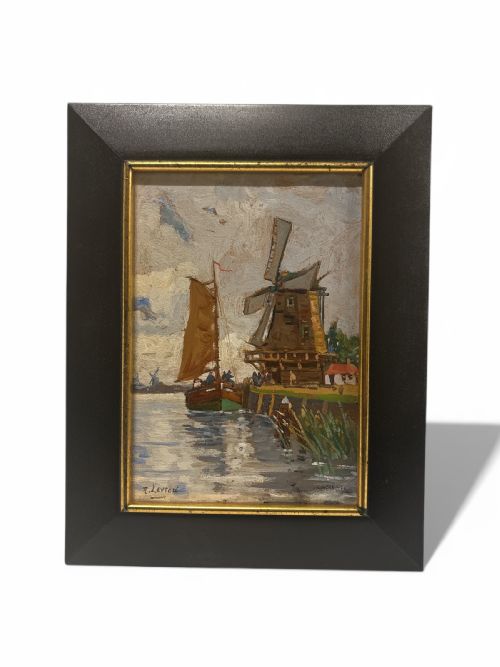
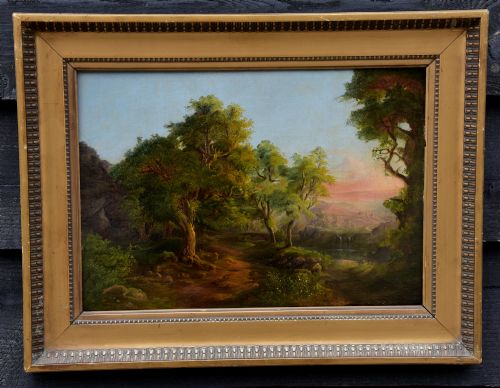
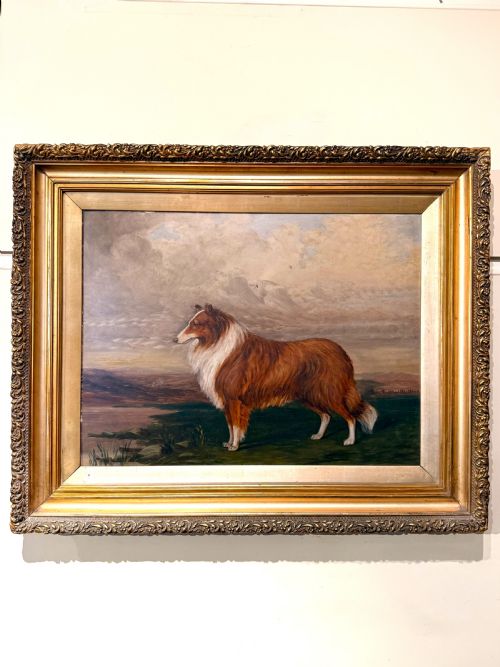
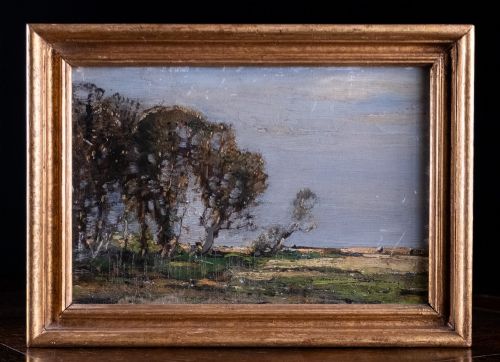
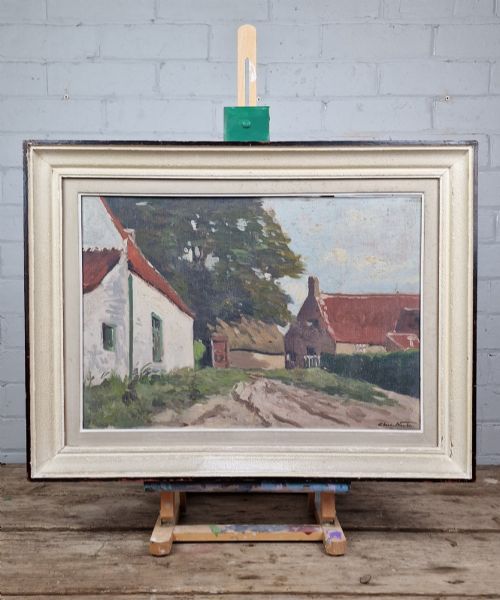
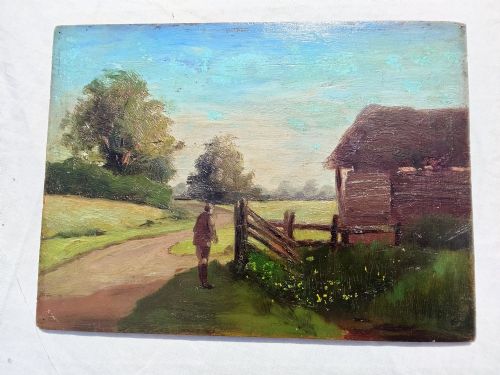
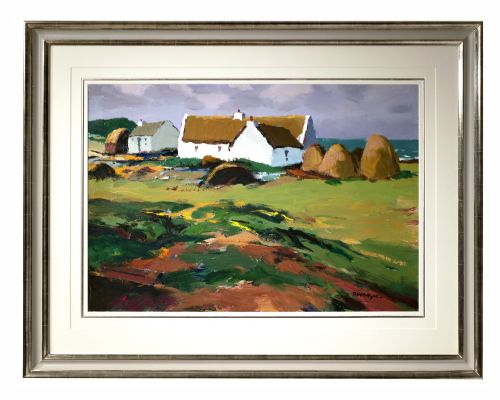
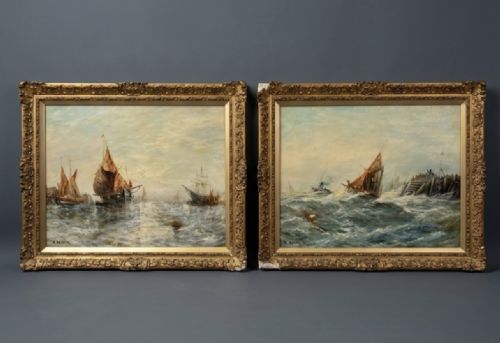
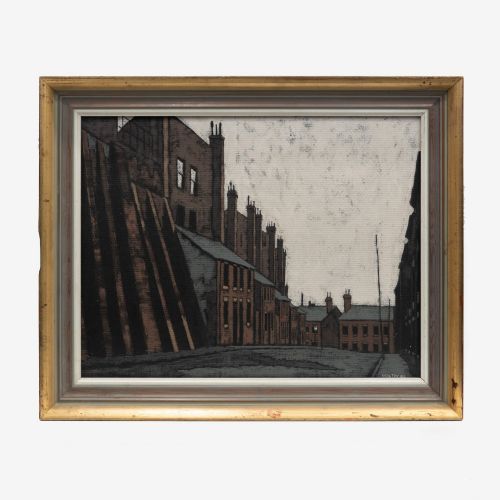
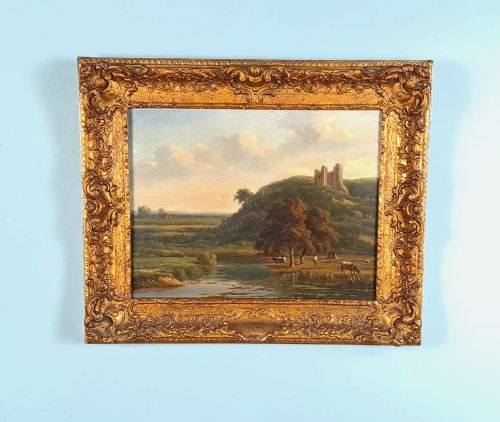
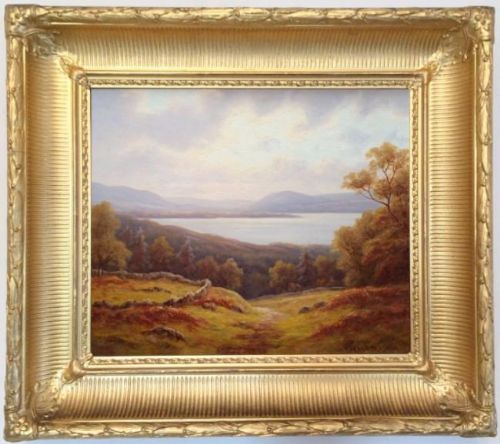
Board landscape wall art comprises original oil paintings executed on rigid surfaces such as wood panels, artists' board and heavy card. When searching for board landscape wall art, you encounter rural scenes, coastal harbours and woodland views originating from the nineteenth and twentieth centuries. These works range from small plein-air sketches captured on location to finished studio paintings framed in gilt wood or simple moulding.
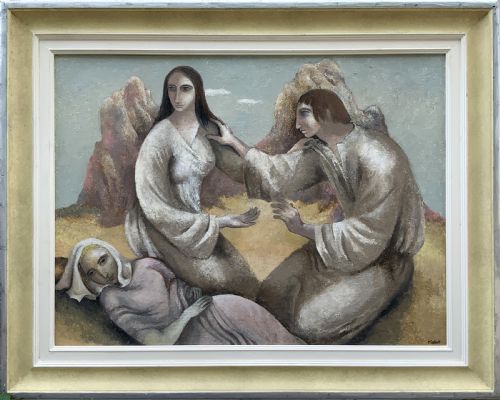
The material format offers a stable support that artists favoured for rapid outdoor studies and durable finished works alike. The selection on this page spans British Impressionism, Victorian naturalism, Post-Impressionism and mid-century modern idioms. Whether depicting Yorkshire farmyards or Flemish river views, these paintings record the changing topography and artistic movements of their respective eras.
How they were made
Artists applied oil paint directly onto wooden panels, prepared boards or canvas laid onto board, sometimes building up thick impasto textures with a brush or palette knife. Ground layers of gesso or priming paint were often applied to the rigid wooden or card support to seal the surface before the landscape composition was painted.
Frames in gilt wood, carved timber or simple painted mouldings were chosen to house these works, protecting the edges of the board and completing the presentation of the wall art.
Artists frequently recycled old cabinet panels and cigar boxes as impromptu boards when caught outside without proper canvas.
What varies in quality
Quality rests in the confidence of the brushwork, the handling of natural light and the structural integrity of the painted surface on its rigid support. Stronger pieces display a deliberate command of tone and perspective that brings depth to the landscape, whereas weaker works rely on flat colour and hesitant application.
The subtlety of the palette and the preservation of the original paint layer without disruptive retouching distinguish a superior panel painting from a purely decorative studio piece.
Kenneth Cozens·R Leyton·W Klombeck·Kershaw Schofield·Charles Houben·Christine Nesbit·Donald McIntyre·Erich Mercker·Stuart Walton·Florence Adelina Hess·T C Hofland·Everett Watson Mellor·George Morland·Joan Gillchrest·William JB Jenkins·John Constable·John Bell·R Palnay·William Greaves·Herbert Royle
The Board Landscape Wall Art Glossary
- Board
- A rigid flat support made from wood, card or compressed fibre used by artists instead of stretched canvas. It provides a firm foundation that resists sagging and allows for direct, vigorous brushwork.
- Impasto
- Paint applied thickly to a surface, standing out in relief from the board. This technique leaves visible brush or palette knife marks that catch the light and add tactile depth to landscape elements.
- Gesso
- A white paint mixture consisting of a binder mixed with chalk, gypsum or pigment. It was spread over wooden boards to prepare a smooth, absorbent ground for oil painting.
- Plein-air
- Painting executed outdoors to capture direct observations of natural light and atmosphere. Artists working in this manner often used portable wooden panels that fit easily inside field easels.
- Tondo
- A circular painting or relief sculpture. This distinct format occasionally appears in nineteenth-century landscape and maritime compositions designed to fit specific architectural spaces.
Board Landscape Wall Art: Frequently Asked Questions
What periods do these paintings come from?
The listings encompass works created from the early nineteenth century through the Victorian era and into the mid-twentieth century. Artists during these periods utilised board supports for both rapid outdoor studies and finished studio compositions.
Key stylistic movements represented include British Impressionism, Post-Impressionism and mid-century modernism. Each era brought distinct approaches to colour, brushwork and landscape framing.
How should I hang board wall art?
These paintings require sturdy picture wire or D-rings attached securely to the original or replacement wooden frame rather than the board itself. Ensure the hanging spot avoids direct sunlight and excessive humidity to protect the oil paint and wood panel.
Because many pieces are modest in scale, they work well grouped in small galleries or hung individually in narrower wall spaces where intimate details can be appreciated.
Are wooden boards better than canvas?
Wooden boards and panels provide a completely rigid surface that does not slacken or stretch over time like fabric canvas. This stability made board a preferred choice for painters working outdoors or creating smaller, detailed landscape studies.
While canvas requires tensioning across wooden stretcher bars, a board support remains flat and robust, though it can be more susceptible to warping if exposed to damp conditions.
How can I tell an original painting from a print?
Examining the surface under a magnifying glass reveals the raised ridges of dried oil paint and the distinct texture of brushstrokes or impasto. Prints on board, by contrast, display uniform dot patterns or smooth ink layers without physical depth.
Signatures, artist studio stamps and the visible grain of the underlying wood or card further indicate an authentic hand-painted work.