




Signed Mid Century Oil
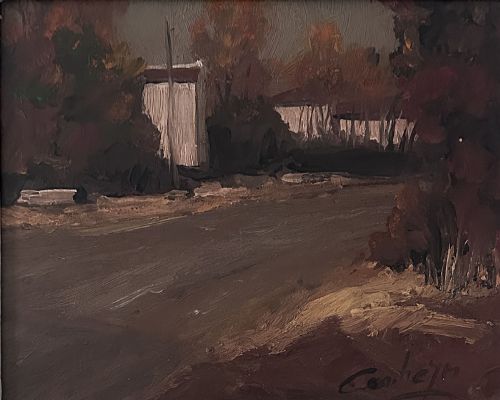
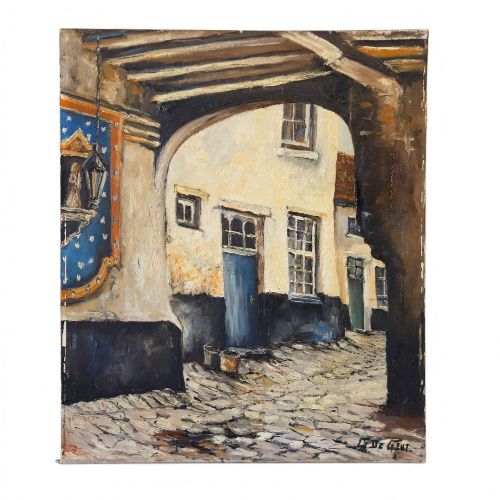
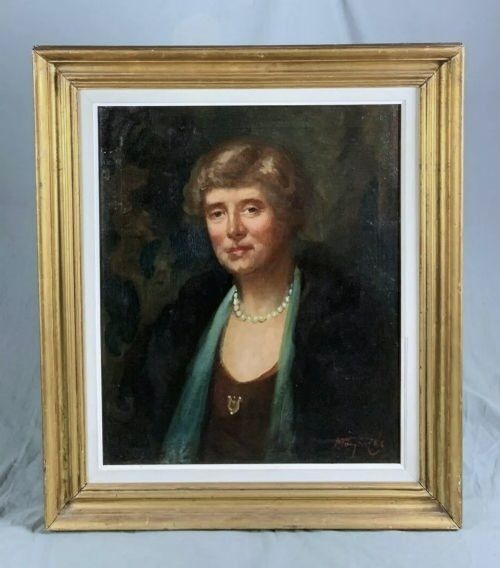
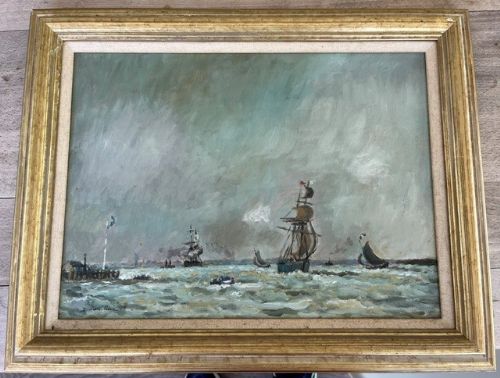
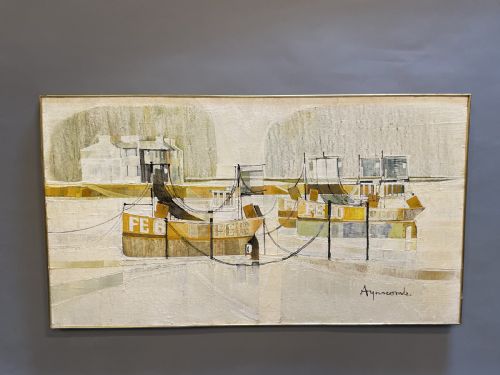
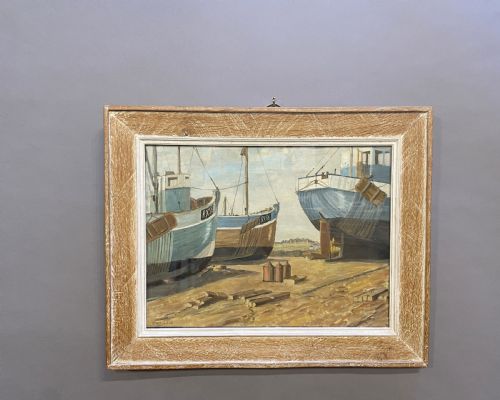
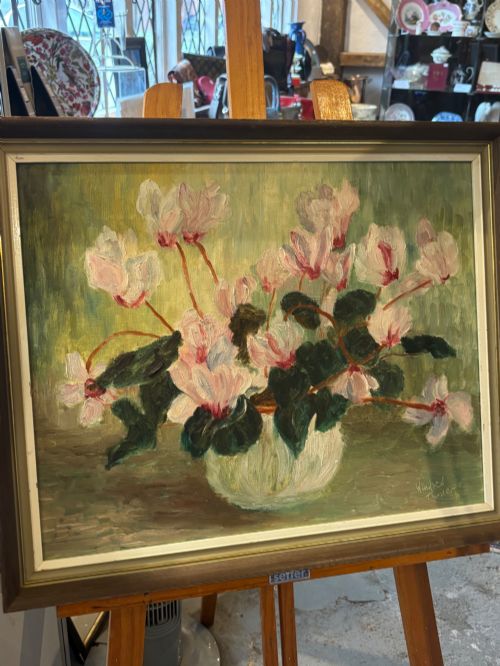
These signed mid century oil paintings capture the changing character of post-war domestic spaces through diverse personal marks.
Signed Mid Century Oil
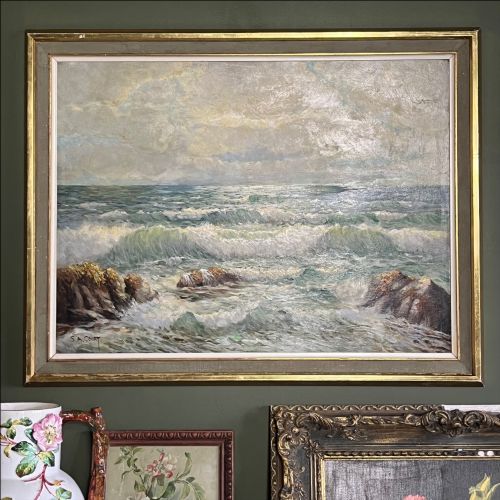
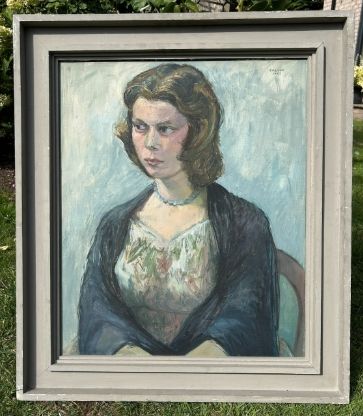
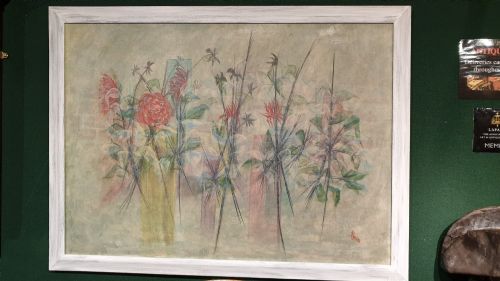
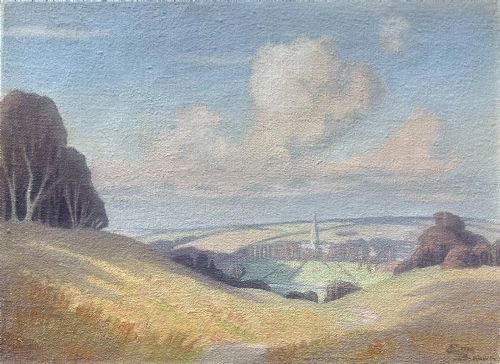
Buyers browsing signed mid century oil works encounter framed paintings spanning landscapes, maritime scenes, portraits, and still lifes created across British and European studios. The selections draw heavily from twentieth-century modernism, impressionism, and figurative traditions.
Most examples originate from the middle decades of the twentieth century, rendered on canvas, wood panel, or board by named and studio artists.
How they were made
Makers applied oil paint onto stretched canvas, prepared wooden panels, or rigid board using brushes and occasionally palette knives to build texture. Many pieces were painted en plein air or finished within studio environments using traditional ground layers.
Framing often incorporates wood or gilt mouldings selected to complement the individual canvas composition.
Listings feature works spanning the nineteenth century through to the late nineteen-sixties, executed in oil paint on canvas, board, and wood panel.
What varies in quality
Quality rests in the confidence of the brushwork, the balance of the composition, and the artist's ability to capture light and atmosphere within the chosen subject. Stronger examples display deliberate mark-making and secure handling of pigment that give depth to the surface.
Lesser works lean on formulaic repetition without establishing a distinct visual perspective or engaging colour relationship.
Kenneth Cozens·Sidney A Court·Charles James McCall·Winifred Turner·Septimus Scott·Fernando Del Basso·Philippa Maynard Romer·William Littlejohn·Caroline Burnett·Mercedes Legrand·Philip Naviasky·Bernd Funke·John Frederic Greenwood·Noel Quintavalle·Fred Yates·William Burns·Percy Hipkiss·Henry Portal·Walter C Horsnell·Gordon Clifford Barlow·William B Dealtry·Joseph Appleyard·Claude Horsfall·Angus Rands·Lewis Creighton
The Signed Mid Century Oil Glossary
- En plein air
- Painting outdoors directly from the subject to capture natural light and shifting atmospheric conditions. This method was widely utilised by impressionist painters.
- Board
- A rigid flat substrate used as a support for oil paint instead of stretched fabric. Artists frequently selected panel or board for smaller compositions and outdoor sketches.
- Ground
- The initial prepared layer applied to a canvas or panel before painting begins. It creates a stable and sealed surface for the oil pigments.
- Provenance
- The documented history of ownership surrounding an artwork. Clear provenance assists in confirming the authenticity and creator of a piece.
Signed Mid Century Oil: Frequently Asked Questions
How do I hang a heavy oil painting safely?
Ensure your wall fixings match the weight of the canvas and its wooden frame, utilising picture wire rated well above the total mass.
Position the work at eye level away from direct sunlight and household heat sources to protect the oil pigments.
Should I clean an old oil painting myself?
Surface dust can be removed gently with a soft, dry brush, but deeper cleaning requires a professional restorer.
Applying moisture or household liquids risks damaging the paint layer and disturbing the original varnish.
How do I identify the artist's signature?
Signatures typically appear in the lower corners of the canvas executed in paint that matches the palette of the composition.
Compare the handwriting style against recorded examples or exhibition catalogues associated with the period.
Why do some paintings use board instead of canvas?
Rigid supports like wooden panels or boards were cheaper and easier to transport for artists painting outdoors.
They also provided a firm surface that required less preparation than stretched fabric.