


Belle Epoque Female Portrait
These belle epoque female portrait pieces capture an era of elegance, offering collectors striking depictions of women in bronze, marble, and oil.
Belle Epoque Female Portrait
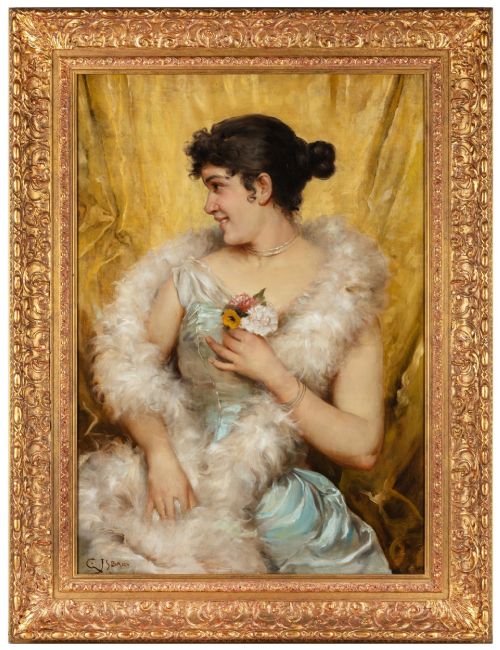
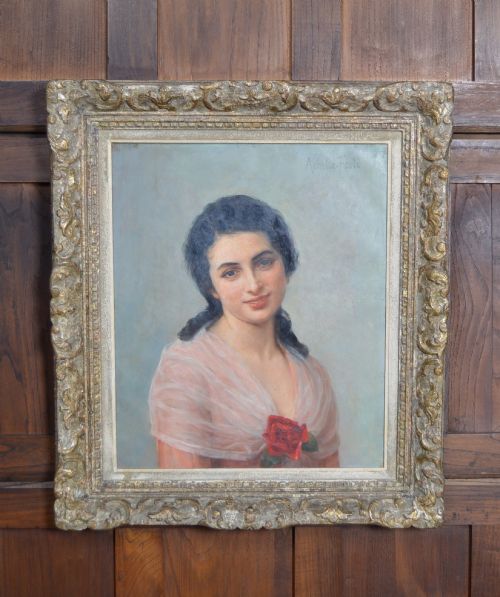
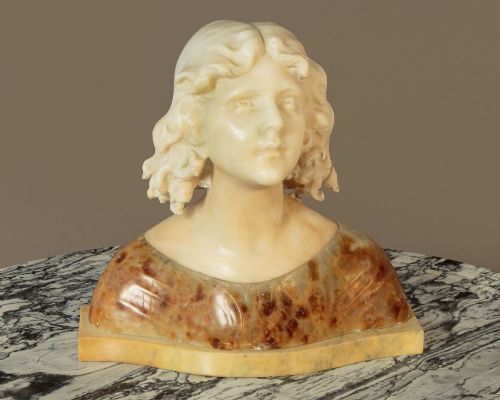
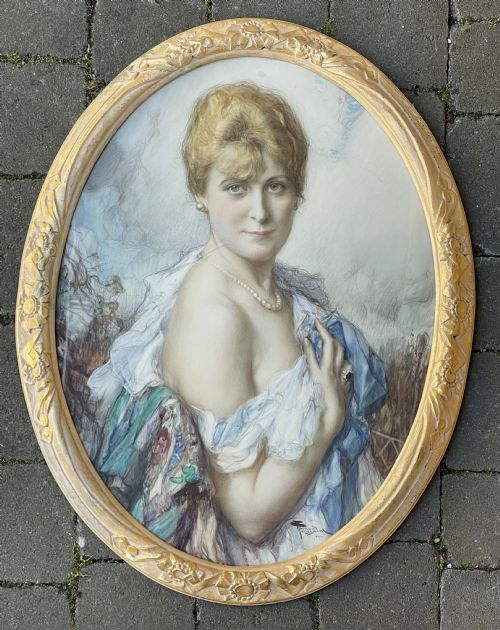
A belle epoque female portrait brings the refined aesthetics of the late nineteenth and early twentieth centuries directly into a room. These pieces primarily take the form of sculptural busts in bronze, alabaster, and marble, alongside detailed oil paintings and watercolours on canvas and paper.
Buyers frequently encounter French works from this vibrant period, often mounted on giltwood or mixed-media bases. The subjects span from idealized young beauties to specific society ladies rendered with immense sensitivity.
Art Nouveau influences frequently shape the presentation, blending natural curves with classical portraiture traditions. Each piece reflects the decorative ambitions of collectors from the eighteen-eighties through the nineteen-tens.
How they were made
Sculptors utilised traditional casting methods for bronze and carved intricate details into solid marble and alabaster. Foundries often combined materials, pairing cold-cast or cast bronze with contrasting marble plinths to enhance the visual impact.
Painters applied oil and watercolour pigments onto canvas and paper supports, capturing subtle shifts in lighting and fabric texture. Giltwood frames frequently complemented these painted works, completing the presentation.
Listings feature works spanning from eighteen-eighty to nineteen-ten, uniting bronze, marble, and oil on canvas.
What varies in quality
The nuance of expression and the crispness of the casting or carving separate standard works from the finest examples. Master modellers achieved lifelike skin textures and delicate drapery folds that lesser hands left stiff or generalised.
The choice of materials also dictates standing, with finely grained marbles and rich patinated bronzes commanding greater visual presence. Surface preservation and the integrity of the original mounts complete the assessment of merit.
George Van Der Straeten·Eutrope Bouret·Fernand Toussaint·Gaston Bouy
The Belle Epoque Female Portrait Glossary
- Bronze
- A copper alloy widely utilised for sculptural casting during the period. It accepts patination exceptionally well, allowing artists to achieve deep, varied surface tones.
- Alabaster
- A fine-grained, translucent stone used for carving delicate busts. Its natural softness permits subtle facial expressions and soft light diffusion.
- Ormolu
- Gilt bronze mounts applied to sculpture bases or furniture. This decorative technique adds a warm, metallic contrast to stone and metal portraits.
- Art Nouveau
- A stylistic movement defining much of the era's decorative arts. It prioritises flowing, organic lines and floral motifs over rigid classical symmetry.
Belle Epoque Female Portrait: Frequently Asked Questions
What materials are used?
These portraits are created in bronze, marble, alabaster, oil on canvas, and watercolour on paper. Many sculptures incorporate mixed media elements such as ormolu mounts and giltwood.
Artists selected these mediums to capture the tactile elegance and refined fashion characteristic of the period.
How do I date a piece?
Dating relies on stylistic markers such as Art Nouveau curves, clothing styles like satin evening dresses, and period signatures. Reference materials and foundry marks provide further chronological clarity.
Most surviving examples date from the late nineteenth century through to the nineteen-tens.
Where were they made?
The majority of these works originate from French workshops and studios active during the belle epoque. Belgian artists also contributed notable painted portraits to this tradition.
Paris served as the primary centre for bronze casting and academic painting during these decades.
How should I display them?
Sculptural busts require stable, flat surfaces with adequate clearance to view the carving from multiple angles. Paintings benefit from wall spaces with controlled lighting to protect oil and watercolour pigments.
Keeping pieces away from direct heat sources helps preserve delicate marble and painted surfaces.