
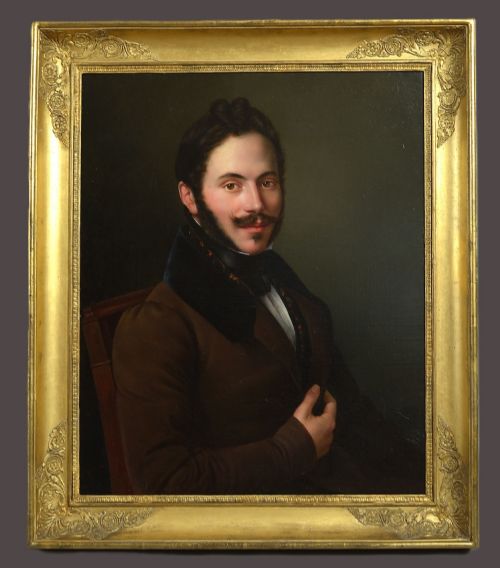
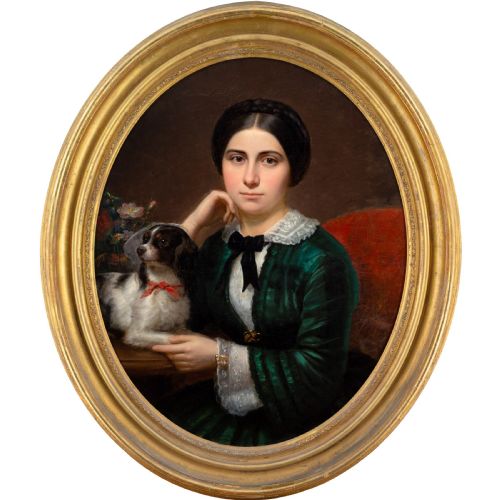
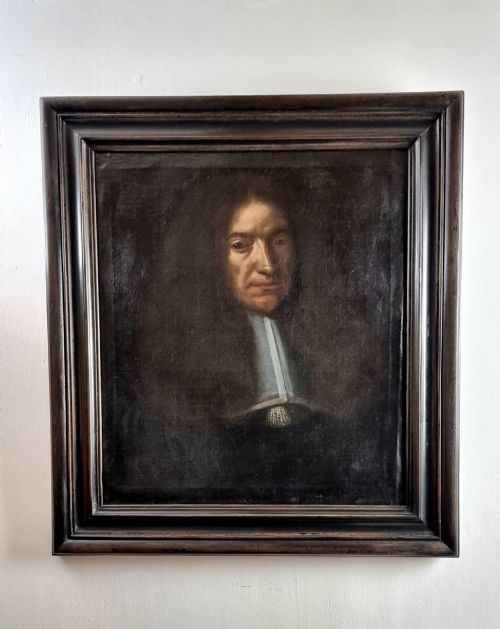
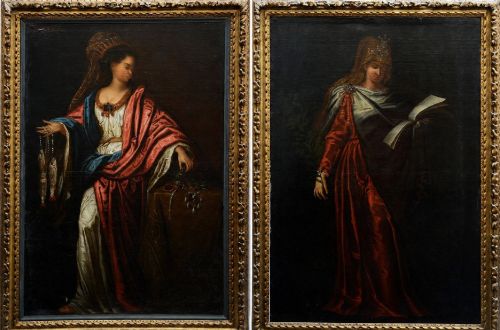
Antique French Portrait Artwork
Antique french portrait artwork captures character and history through centuries of European painting, drawing, and printmaking.
Antique French Portrait Artwork
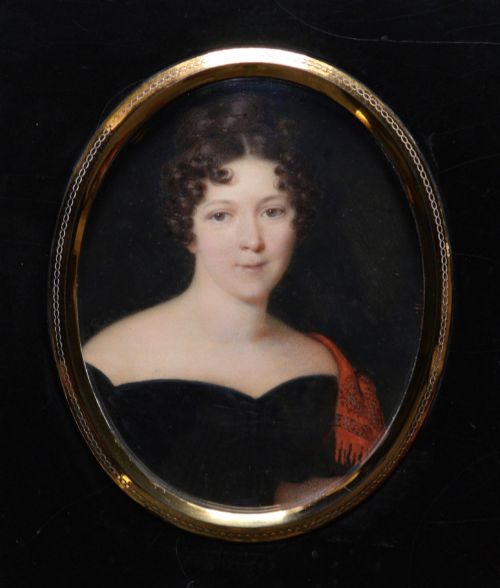
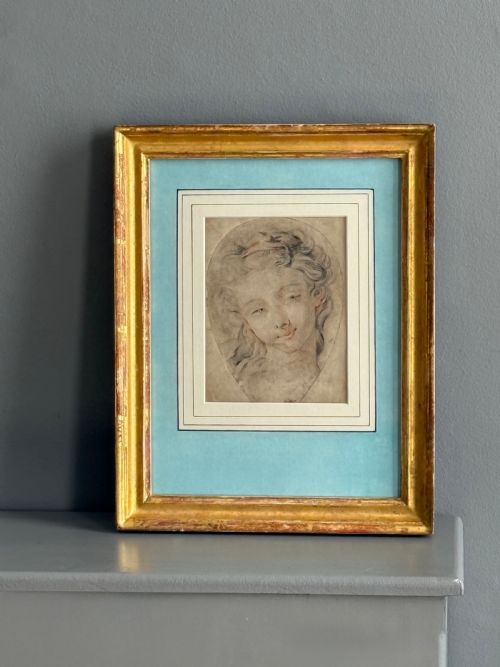
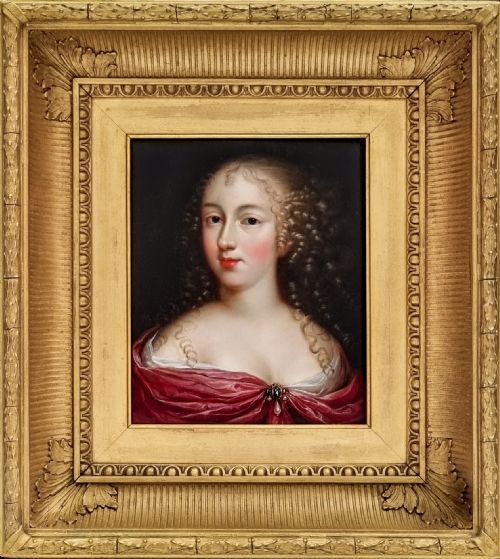
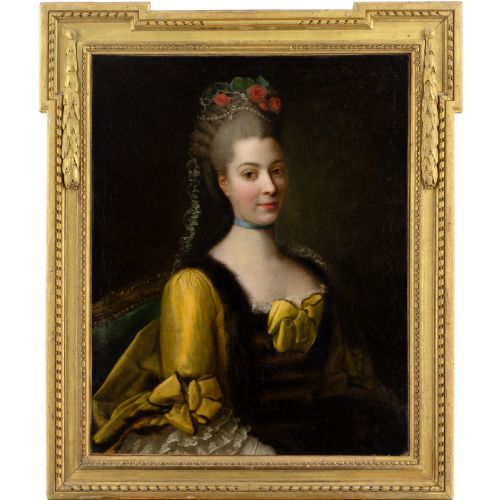
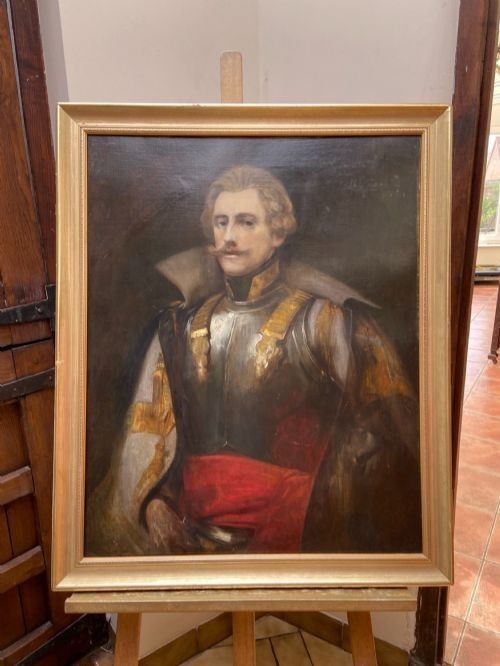
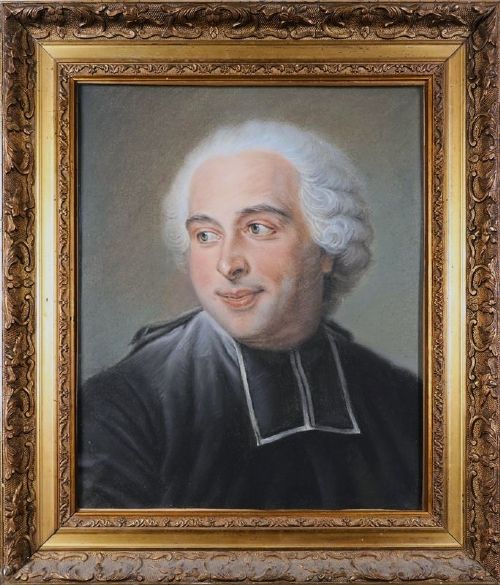
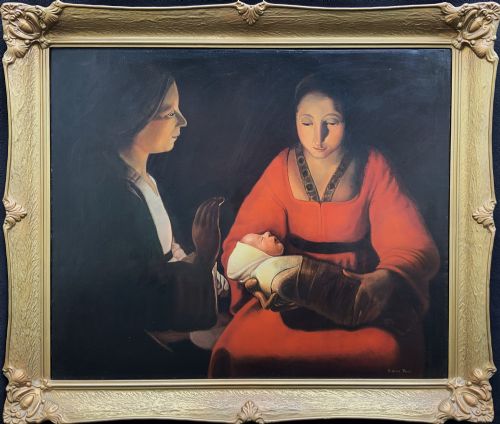
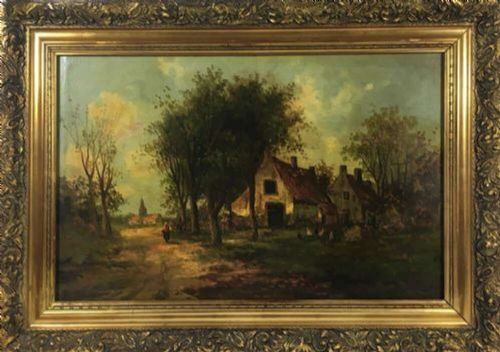
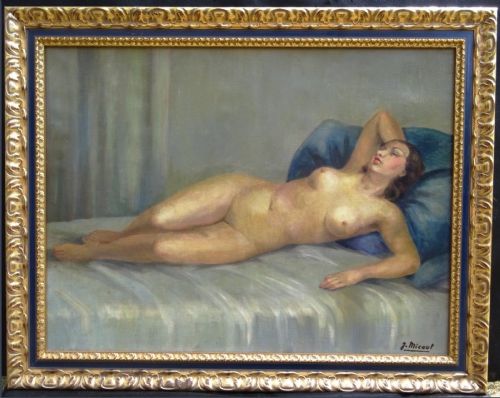
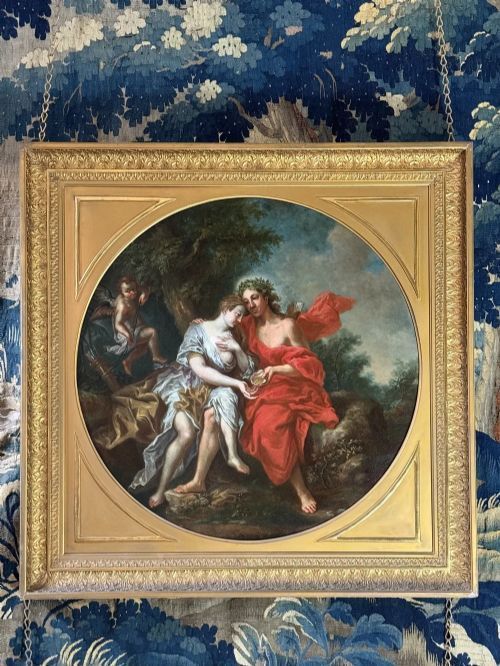
When searching for antique french portrait artwork, buyers encounter oil paintings, pastels, and framed drawings spanning from the seventeenth century through the early twentieth century. The selection ranges from military officers and judges to elegant women and children, often executed by members of the French School.
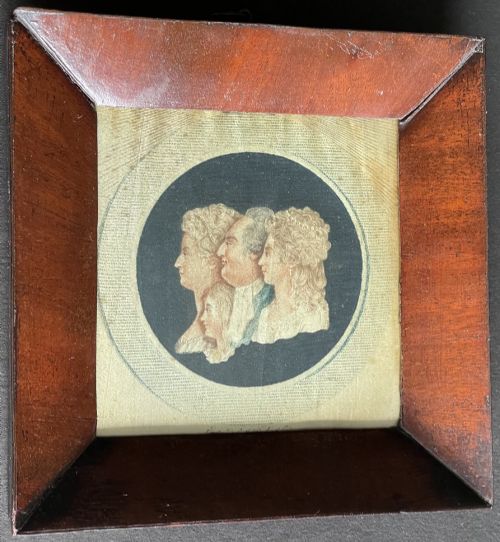
Most pieces on this page originate from the eighteenth and nineteenth centuries, reflecting shifts from Baroque and Rococo aesthetics toward academic realism and Impressionist-adjacent genres. Subjects appear in various formats, including canvas, panel, paper, and silk, housed within period frames.
Materials and Techniques
Artists primarily utilised oil paint on canvas or wood panels, building rich textures through layered glazes and opaque pigments. Works on paper frequently employ pastel, charcoal, or ink to capture delicate facial expressions and garments.
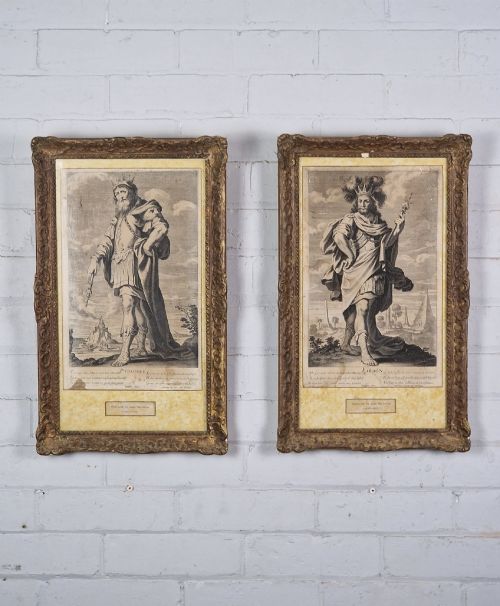
Many historical pieces feature gilt wood or giltwood framing that complements the visual weight of the central image. Engravings and prints utilise specialised plate techniques, occasionally featuring hand-applied colour or printing directly on fabric.
Evaluating Quality
Quality in these works rests upon the precision of facial rendering, the handling of light and shadow, and the psychological depth conveyed by the artist. Masterful brushwork distinguishes academic studio pieces from routine decorative outputs.
The preservation of the original medium, the integrity of the support material, and the authenticity of the associated period frame significantly influence the standing of any individual piece.
Maurice Quentin de la Tour·Georges de La Tour·Charles-Antoine Coypel·Edouard Pingret·Francois Boucher·Joseph Vivienne·Louis Icart·Alfred Arthur Brunel de Neuville·Benjamin Eugene Fichel·Charles Zacharie Landelle
The Antique French Portrait Artwork Glossary
- French School
- A term denoting artists trained or working within the French artistic tradition, regardless of whether they worked in France or abroad. This designation encompasses diverse stylistic periods from the seventeenth century onward.
- Oil on Canvas
- Pigments bound in a drying oil applied to stretched woven fabric. This medium allowed artists to achieve rich colour saturation and subtle tonal gradations.
- Pastel
- A dry painting medium consisting of powdered pigment and a binder rolled into sticks. It permits immediate application of velvety colour, frequently utilised for intimate portraiture.
- Giltwood
- Wood carved and coated with a thin layer of gold leaf or metallic powder. It provides ornamental framing that enhances the luminance of paintings.
- Engraving
- A printmaking process where an artist incisions a design into a hard plate to hold ink. The resulting impressions capture fine linear detail characteristic of early reproductions.
Antique French Portrait Artwork: Frequently Asked Questions
How do I date an old portrait?
Dating relies heavily on clothing styles, hairstyles, framing materials, and stretcher construction techniques visible on the reverse of the canvas.
Signatures, inscriptions, and artist biographical details recorded on the frame or backing provide definitive chronological anchors.
What is the Barbizon School?
The Barbizon School represents a movement toward naturalism in French painting, focusing on landscape and rural life during the mid-nineteenth century.
Artists associated with this group emphasised direct observation of nature and atmospheric effects rather than classical studio conventions.
How should I hang oil paintings?
Oil paintings require stable indoor environments away from direct sunlight, extreme temperature fluctuations, and excessive humidity.
Secure wall fixings suited to the combined weight of the artwork and its heavy period frame ensure safe long-term display.
What distinguishes pastel from oil?
Pastel utilises dry pigment sticks on paper to create a matte, velvety surface texture requiring protective glass glazing.
Oil painting employs wet binders on stretched canvas or panel, yielding glossy finishes and durable surfaces that do not require glazing.