

Antique Figurative Wall Art
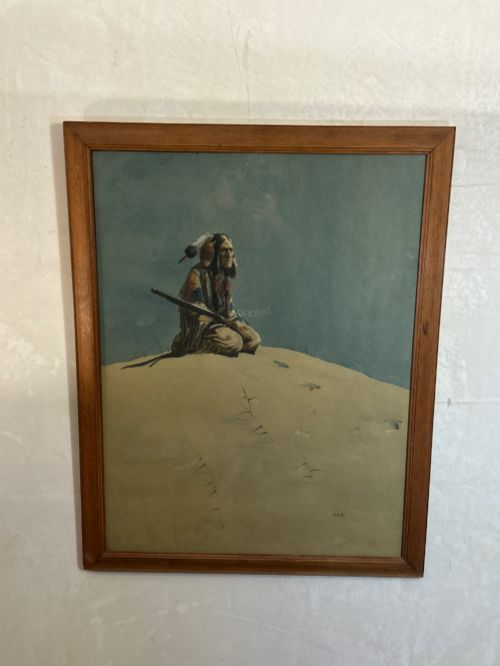
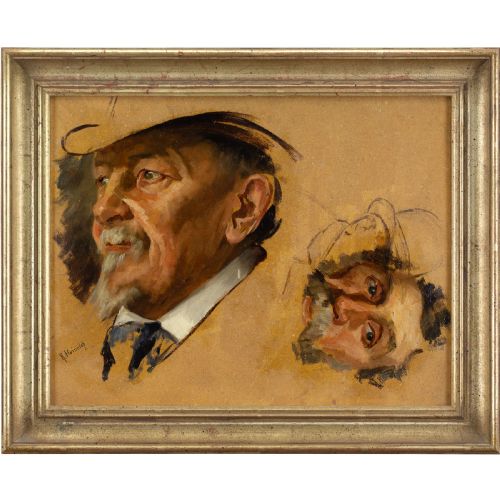
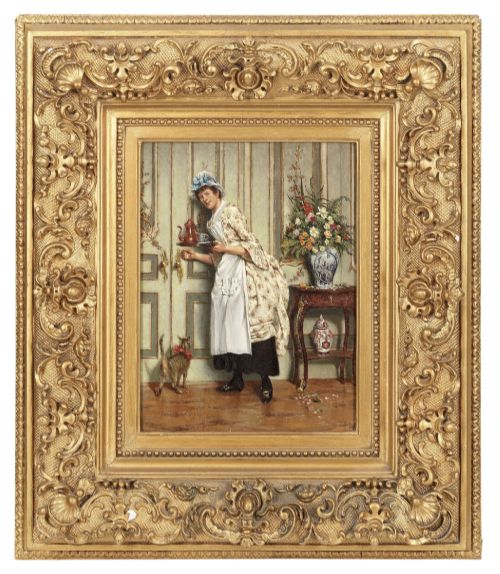
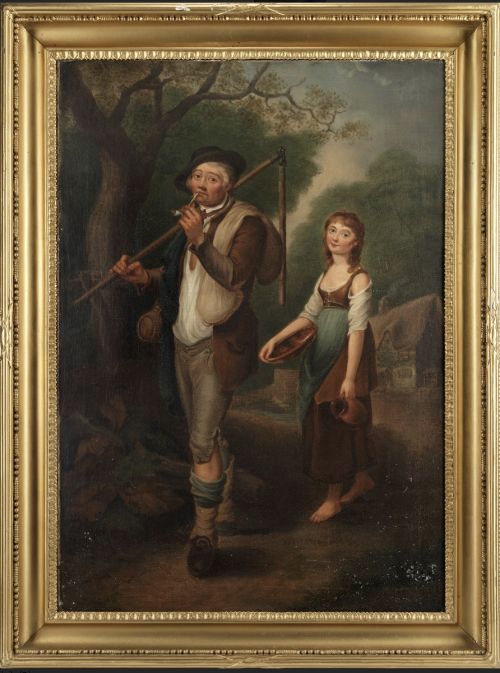
Antique figurative wall art brings human presence and narrative depth into a room through oil paintings and watercolours spanning multiple centuries.
Antique Figurative Wall Art
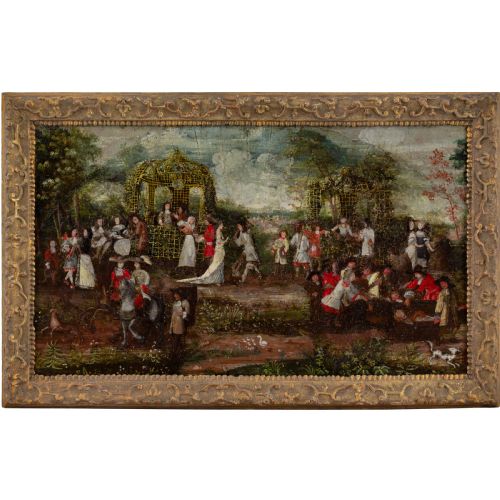
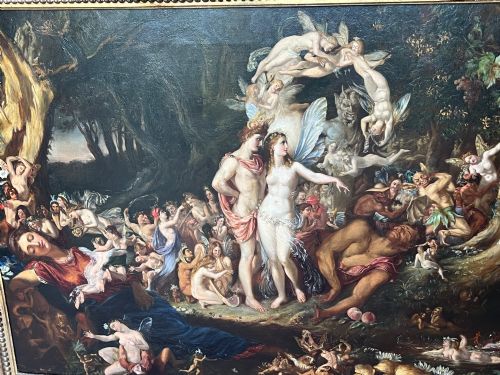
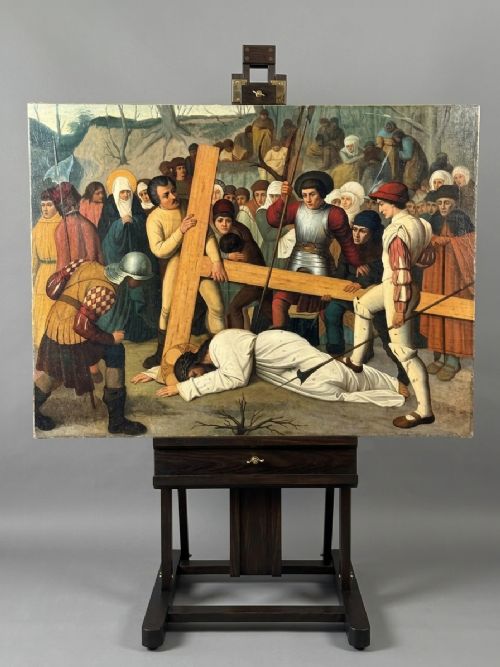
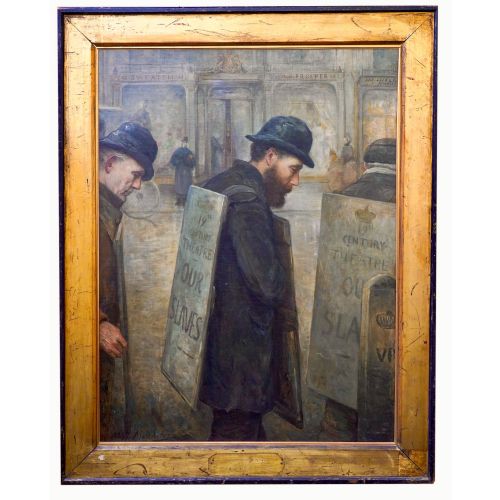
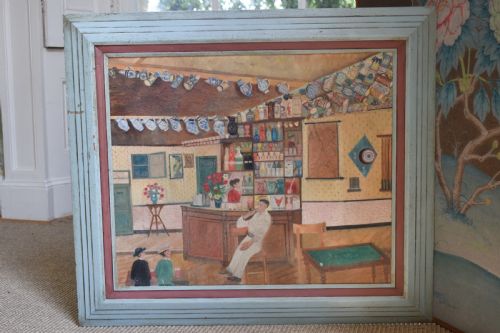
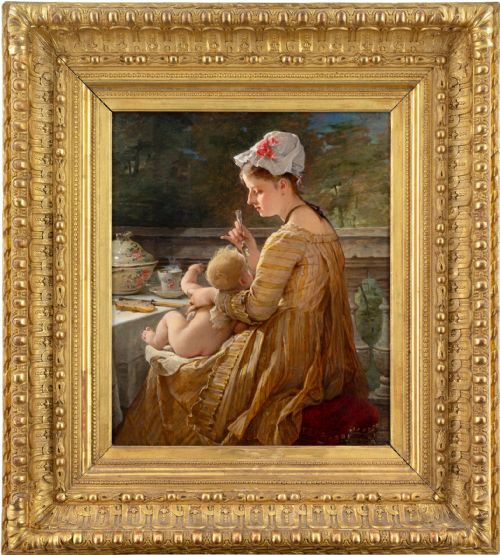
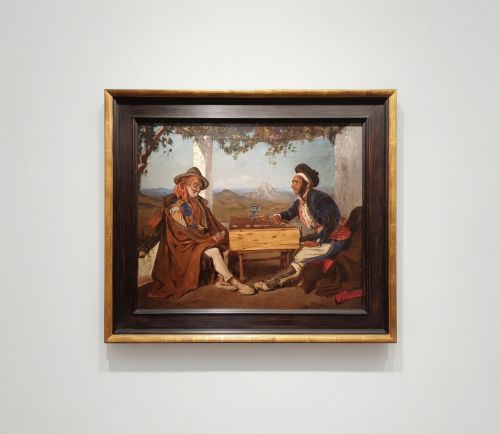
Antique figurative wall art encompasses framed paintings and artworks that portray people, from individual portraits and domestic genre scenes to mythological and literary narratives. When searching for antique figurative wall art, buyers encounter works executed primarily in oil on canvas or panel, alongside watercolours and pastels.
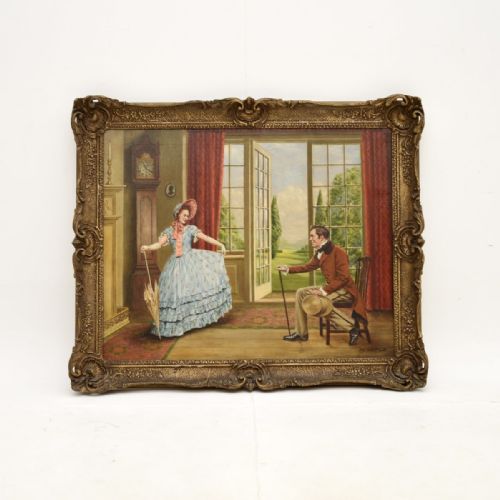
The pieces available span from seventeenth-century Flemish and Dutch works through Victorian narrative canvases to twentieth-century impressionist and modernist compositions. Domestic interior scenes, peasant life, and romantic or symbolic character studies dominate the selections.
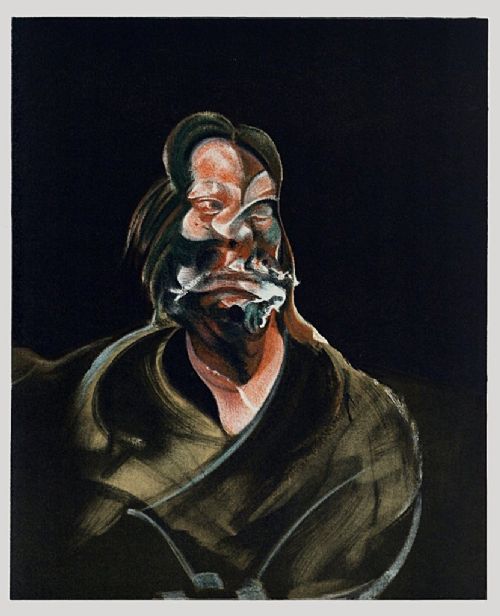
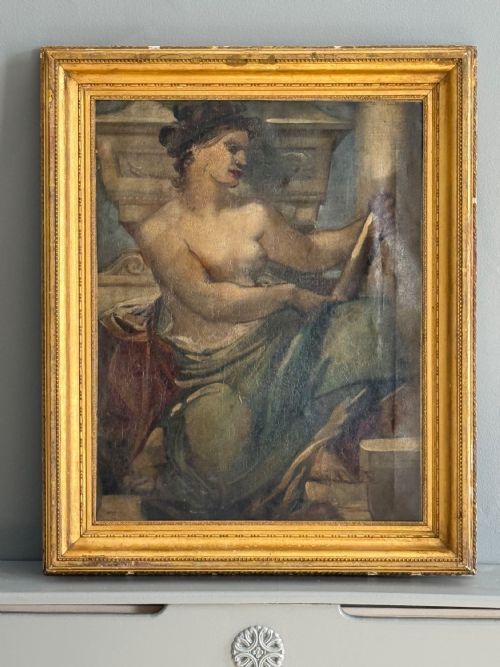
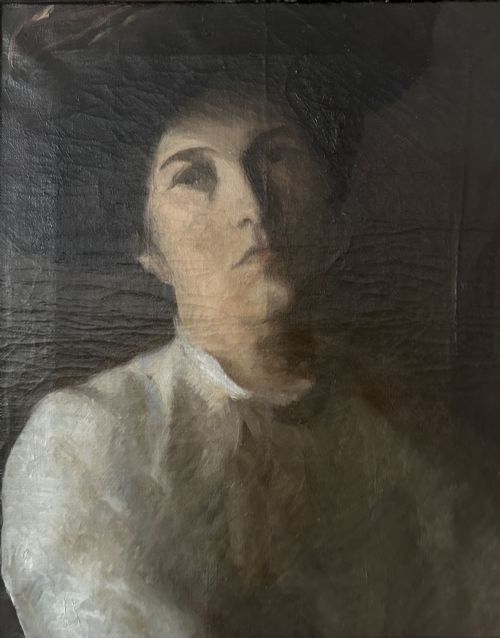
Portraiture ranges from formal gentlemanly likenesses in seventeenth-century oils to intimate nineteenth-century studies of children, flower girls, and sunbathing figures.
Materials and construction methods
Artists painted primarily with oil paint on stretched canvas or wood panels, utilising gesso grounds to prepare surfaces, while others worked in watercolour or gouache on paper. Canvases are frequently housed within period giltwood frames that complement the painting style.
Techniques vary from academic realism and Flemish baroque detailing to loose impressionistic brushwork and nineteenth-century realism, reflecting the training and schools of the respective painters.
Materials recorded across the inventory include oil on canvas, wood panels, paper, gesso, and giltwood frames.
Distinctions in quality
Quality in these works rests upon the precision of draftsmanship, the handling of light and shadow, and the psychological depth of the human subjects portrayed. Masterful brushwork and confident anatomical rendering separate superior studio pieces from standard decorative copies.
The condition of the original paint layer, the presence of stable craquelure, and the authenticity of the associated period frame significantly influence the standing of any individual piece.
Sir Joseph Noel Paton·Constantyn Netscher·Stephen Samuel Lewin·Thomas Barker of Bath·Charles Zacharie Landelle·Frans Gailliard
The Antique Figurative Wall Art Glossary
- Genre painting
- A style of art depicting scenes from everyday life, typically involving ordinary people engaged in common activities. These works provide valuable social history insights into past domestic and working environments.
- Academic realism
- A style of painting produced under the influence of European academies of art, characterised by strict adherence to classical rules of composition and precise technical execution. Works in this style display smooth finishes and careful anatomical study.
- Giltwood
- Wood that has been treated with a thin layer of gold leaf or gold paint, commonly used for traditional picture frames. It adds warmth and reflective brilliance around the edge of a canvas.
- Craquelure
- The fine network of minute cracks formed on the surface of old paintings as paint and varnish age and dry over decades. This natural phenomenon helps authenticate the age of an oil painting.
- Gouache
- A method of painting using opaque water-based colours mixed with a gum binder, resulting in flat, vibrant colour areas. It allows artists to achieve rich tones on paper supports.
Antique Figurative Wall Art: Frequently Asked Questions
How do I date an oil painting?
Dating relies on examining the canvas weave, stretcher construction, pigment types, and the style of the clothing or hair depicted in the subject. Secondary clues include framer stamps and inscriptions on the reverse.
Stylistic conventions of the period, such as Victorian narrative tropes or seventeenth-century costume details, further anchor the timeline.
Where should I hang figurative art?
These works suit principal reception rooms, studies, or hallways where lighting can be controlled to prevent direct glare on varnished canvas surfaces. Pairing a large portrait or genre scene with traditional architectural surroundings enhances its presence.
Placing them away from direct heat sources protects both the canvas and the giltwood frame from warping.
What is the difference between genre and portrait art?
Portraits record the specific likeness of a named or identifiable individual, often commissioned to commemorate status or lineage. Genre art depicts anonymous figures engaged in narrative or everyday activities for storytelling purposes.
Both categories share a focus on the human form but serve distinct pictorial functions.
How do I care for antique canvas paintings?
Maintain stable indoor humidity and temperature levels to prevent the canvas from slackening or the wooden stretcher from moving. Dust the surface and frame gently with a dry, soft brush without applying pressure.
Avoid exposing oil paintings to direct sunlight to preserve the original pigments.