


Antique Classical Etching
When you search for an antique classical etching, you are looking at printed works on paper from the seventeenth to the nineteenth centuries that capture antiquity and neoclassical design.
Antique Classical Etching
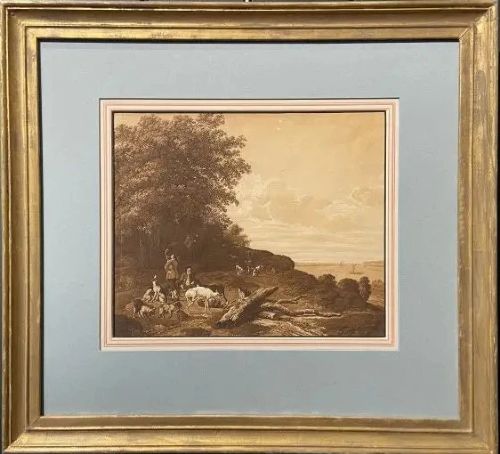
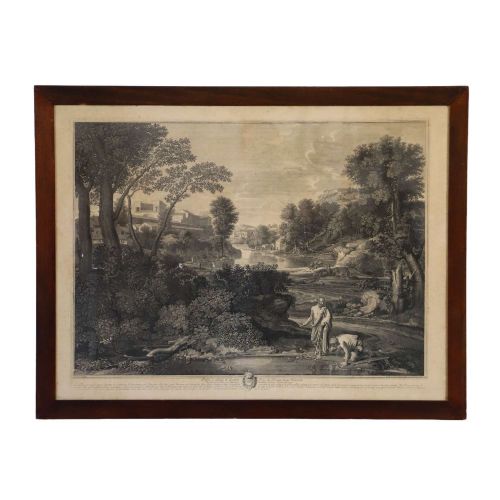
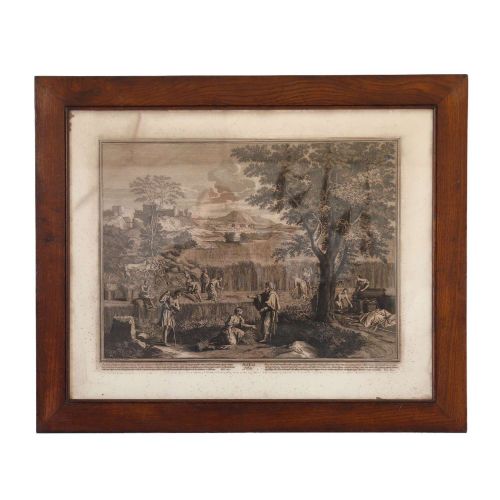
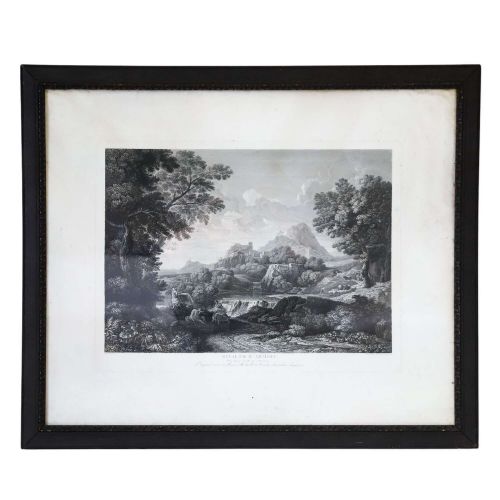
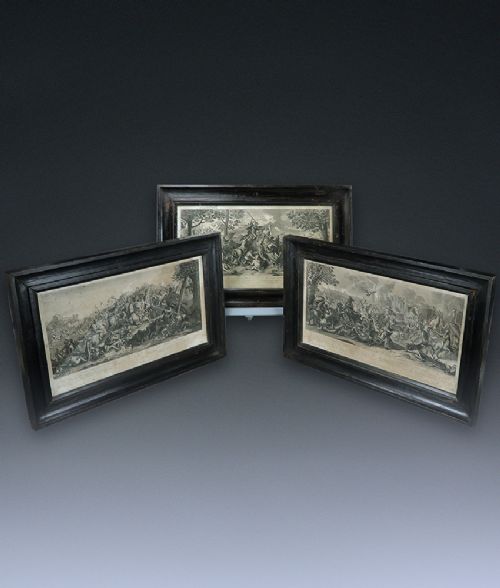
An antique classical etching or related print preserves centuries-old interpretations of mythological scenes, architectural ruins, and ancient statues. The offerings span the seventeenth, eighteenth, and nineteenth centuries, taking the form of framed prints, engravings, and architectural plates originating from British, French, and Italian workshops.
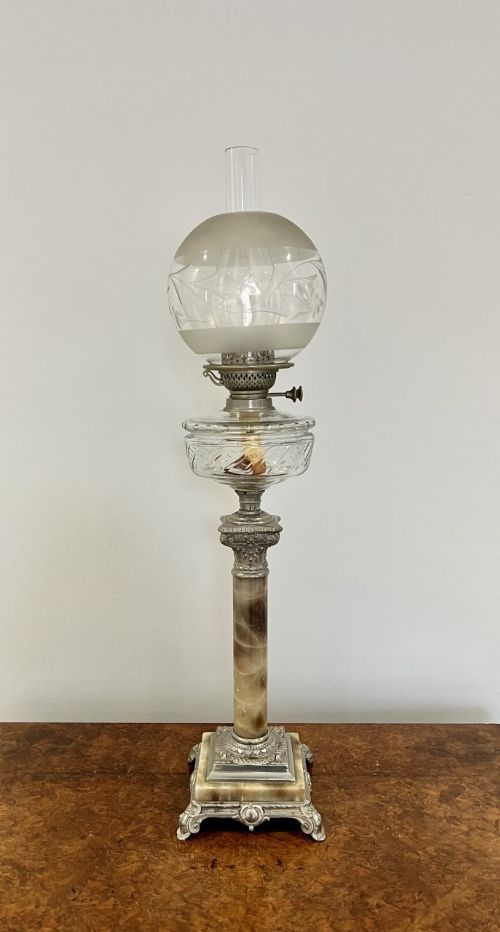
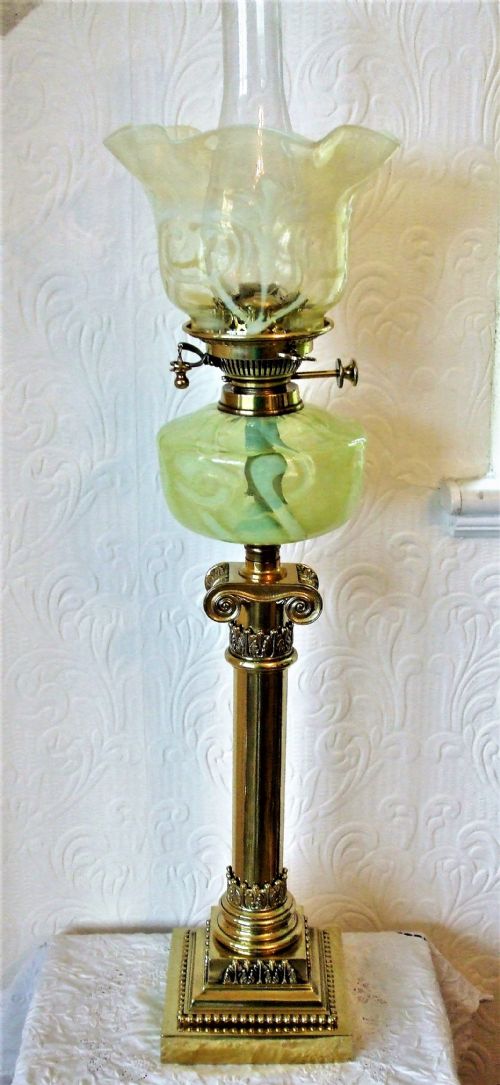
Buyers encounter works executed by notable printmakers after classical masters, capturing subjects such as the Vatican loggie, Roman antiquities, and Grand Tour scenes. Alongside works on paper, the selection incorporates occasional decorative items including oil lamps and glass vases bearing classical motifs.
How they were made
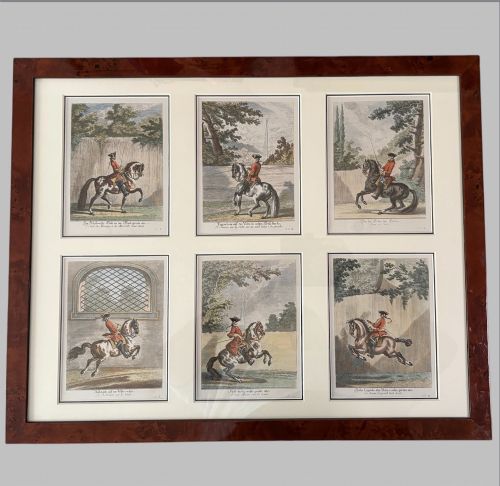
The primary medium is ink on paper, often utilised alongside copper plate engraving or etching techniques where lines are bitten into metal plates with acid or incised with a burin. Hand colouring appears on specific equestrian and architectural series, bringing tinted hues to monochrome prints.
Framing materials reflect the period of production or subsequent framing, utilising wood, gold leaf, and gilt wood. Associated decorative objects incorporate brass, silver plate, glass, and bronze.
The object forms span framed prints, architectural plates, oil lamps, and glass vases.
What varies in quality
Distinction in quality rests upon the clarity of the printed impression, the sharpness of the fine lines, and whether the print is an early strike directly from the plate. Later printings often lose the subtle tonal gradations and crisp details visible in seventeenth and eighteenth-century impressions.
The preservation of the paper support and the presence of original framing contribute to the standing of a piece. Hand-coloured examples depend on the precision and subtlety of the pigment application across the engraved surface.
Edward Fisher·James Heath·François Perrier·Étienne Baudet·Hinks of Birmingham·Francesco Piranesi·Antonio Capellan·John Boydell·Pierre Buillon·Alessandro Mocchetti·Andrea Mantegna·Giovanni Ottaviani·James Basire
The Antique Classical Etching Glossary
- Etching
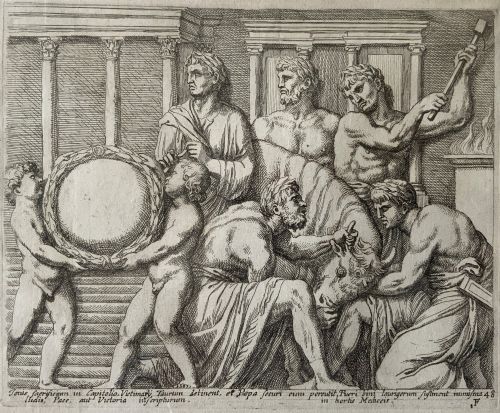
- A printmaking process where lines are bitten into a metal plate using acid before ink is applied and transferred to paper. This technique allows for fluid, expressive lines characteristic of many seventeenth-century works.
- Engraving
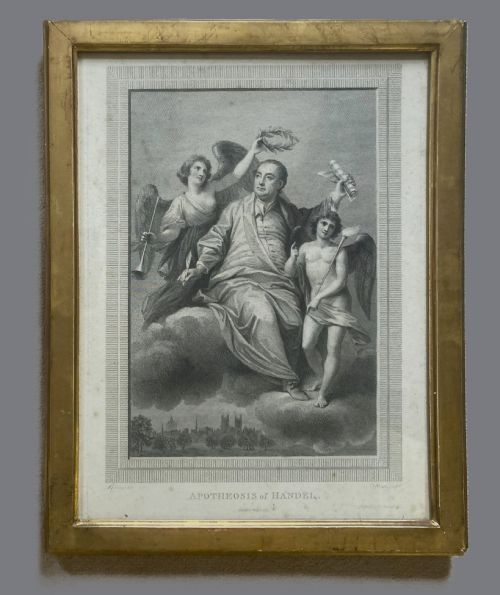
- A method where a metal plate is cut directly with a tool called a burin to produce crisp, clean lines. It was widely employed for architectural plates and reproductions of classical paintings.
- Mezzotint
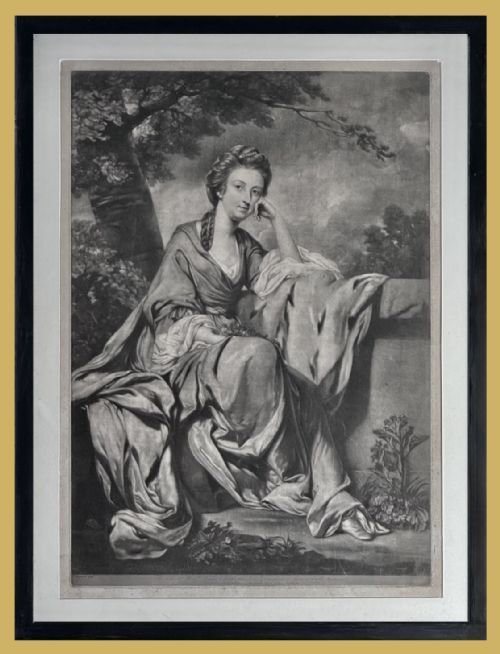
- A printmaking technique that achieves tonal gradations and rich dark areas through the roughening of a metal plate. It was frequently utilised for portraits.
- Grand Tour
- A traditional trip through Europe undertaken by upper-class young men to absorb classical culture and art. Prints commemorating these travels formed a major category of the period.
- Neoclassical
- A style reviving the design and aesthetic of ancient Greece and Rome. It dominates the architectural scenes, statues, and mythological narratives depicted in these prints.
Antique Classical Etching: Frequently Asked Questions
What subjects do these prints show?
The subjects include mythological narratives, Roman statues, architectural scenes, and Grand Tour antiquities. Many plates record the frescoes and decorations found in places like the Vatican loggie.
Other works reproduce paintings by masters such as Poussin and Raphael, focusing on classical themes and heroic compositions.
How were these prints originally displayed?
Many prints were bound into large folio volumes documenting antiquities before being separated for individual framing. Publishers released architectural and archaeological folios for collectors to study or exhibit.
Over subsequent centuries, owners housed them in timber or gilt wood frames to hang as wall art.
How do I date an antique print?
Dating relies on publisher details, paper analysis, typography, and stylistic markers of the period. Seventeenth and eighteenth-century plates often bear inscriptions naming the original artist, the engraver, and the publisher.
Later Victorian and Edwardian printings display different paper characteristics and framing styles compared to Georgian examples.
Are all items works on paper?
While the majority of pieces are prints and engravings on paper, the category also includes decorative objects sharing the same aesthetic. Items such as brass oil lamps, glass vases with philosopher portraits, and bronze tazzas appear alongside the framed art.
These objects incorporate classical motifs like ionic columns and mythological figures.