



Gilt Wood Footstool
These gilt wood footstool examples bring warmth and period character to any room, offering versatile seating and classic design.
What these pieces are
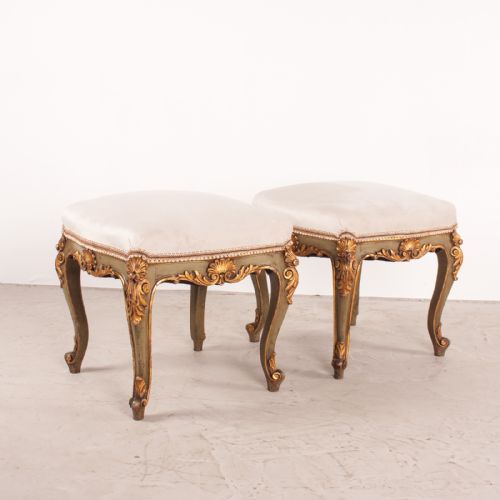
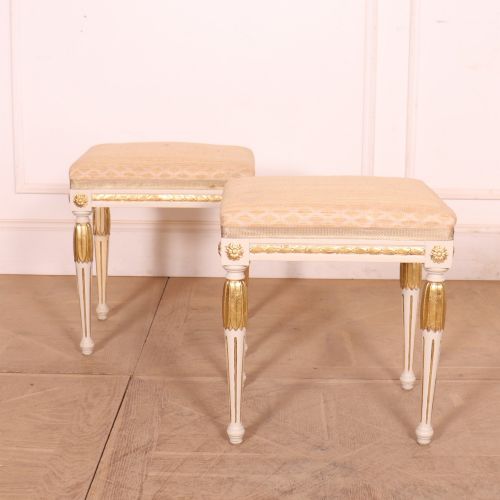
The pieces span several periods and styles, notably Victorian, Regency, Edwardian, and Gustavian, reflecting both English and continental European origins. You are most likely to encounter nineteenth-century examples, often showcasing carved woodwork and upholstered tops.
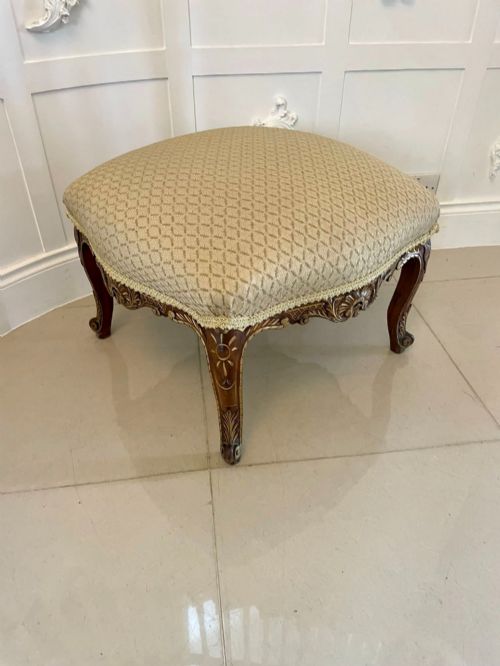
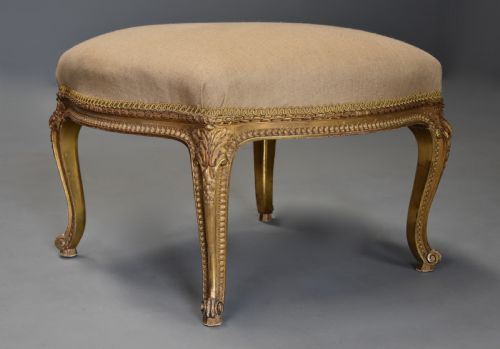
Forms range from simple padded stools to grander revival pieces in the Louis XV manner and Georgian Revival style. Their varied origins across England, France, and Sweden bring diverse decorative influences to the collection.
How they were made
Makers utilised solid timbers such as walnut and general wood bases, applying gold leaf, paint, or giltwood finishes to create the characteristic metallic sheen. Traditional techniques involved carving intricate details into the wooden frames before the application of the gilt surface.
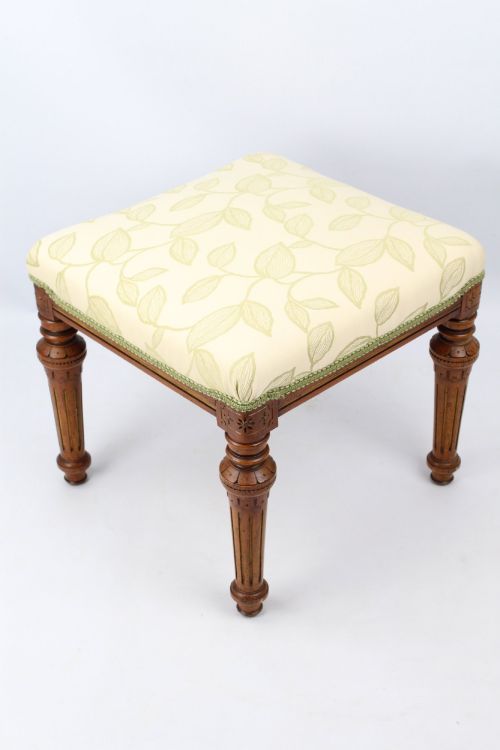
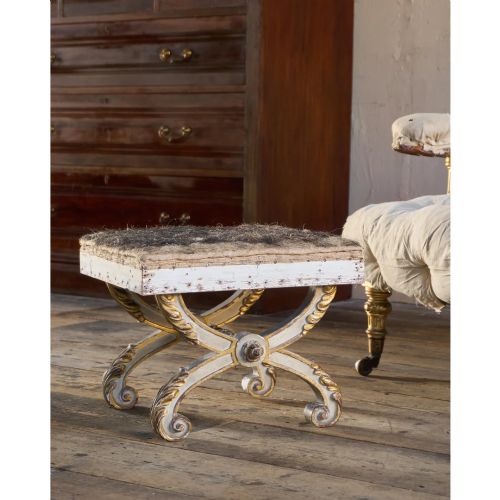
Upholstery forms an integral part of construction, with pieces featuring fabric covers, padding, and occasionally embroidered textiles. Frames often incorporate structural elements like X-frames or shaped cabriole legs to support the seated weight.
Retail Price Guide 2026
Typical UK retail prices for gilt wood footstool, calculated from the Sellingantiques database of over a million retail prices indexed since 2003. This retail price guide relies exclusively on Sellingantiques data; no external sources or auction records are used, so the figures do not describe the wider market.
What varies in quality
Quality reveals itself in the crispness of the wood carving and the depth of the gilding applied to the frame. Finer examples display meticulous hand-carved details and well-preserved gold leaf rather than flat painted surfaces.
The integrity of the underlying timber frame and the quality of the upholstery fabric distinguish standard production from superior pieces. Original embroidered covers and robust joinery elevate the overall standard of an individual stool.
Miles & Edwards
The Gilt Wood Footstool Glossary
- Giltwood
- Wood that has been covered with a thin layer of gold leaf or gilt. This finish provides a bright, reflective surface characteristic of formal period furniture.
- Curule
- A stool or chair design characterised by two opposing curved legs forming an X-shape. This ancient form was revived during the nineteenth century for formal seating.
- Rococo
- An ornate artistic style marked by asymmetry, scrollwork, and naturalistic plant motifs. It heavily influences French and revival footstools from the nineteenth century.
Frequently Asked Questions
What periods do these footstools come from?
The available selection primarily includes nineteenth-century pieces, spanning specific years such as eighteen-sixty, eighteen-eighty, and eighteen-ninety. You will also encounter broader period designations like Victorian, Edwardian, and Regency.
Continental pieces from Sweden and France further broaden the chronological and geographical spread, encompassing Gustavian and Louis XV revival styles.
How were gilt wood footstools used?
These pieces served primarily as supportive rests for feet in formal parlours and drawing rooms, paired with armchairs or larger seating arrangements. Some larger circular or oval examples functioned as low standalone seats.
Their decorative gilt surfaces ensured they remained visible symbols of status and refinement within period interiors.
What materials make up these stools?
Construction relies heavily on timber frames, with walnut explicitly identified alongside general wood and painted wood bases. The exterior finish consists of giltwood, gold leaf, or paint.
Upholstered elements incorporate traditional padding and fabric covers, occasionally featuring detailed embroidery on the seating surface.
How do I distinguish regional styles?
Swedish pieces often reflect the lighter, restrained aesthetic of the Gustavian style with painted wood finishes. French examples tend towards ornate Rococo curves and grander Louis XV revival detailing.
English pieces from the Victorian and Regency eras display heavier carved walnut frames and traditional upholstery techniques.