

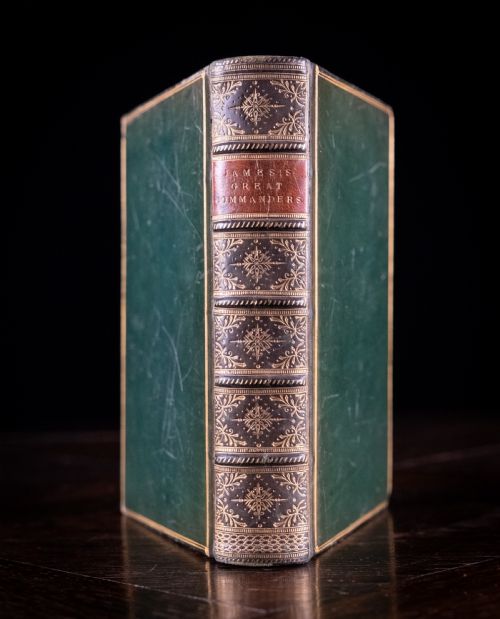


Gilt Tooled Books
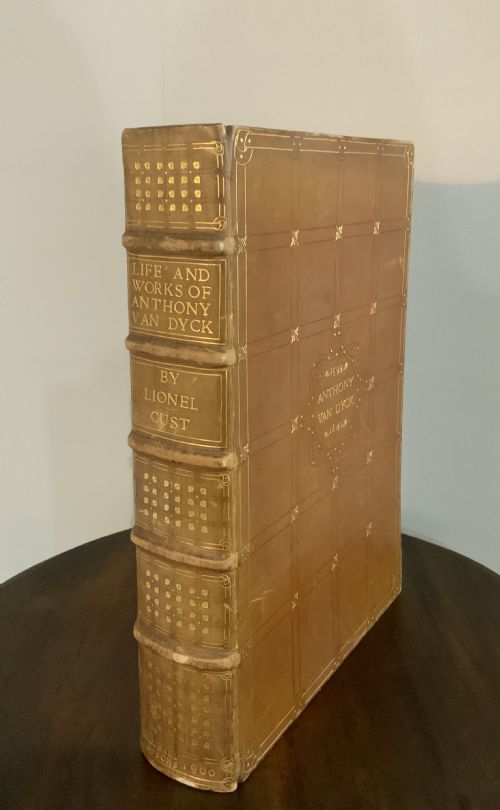
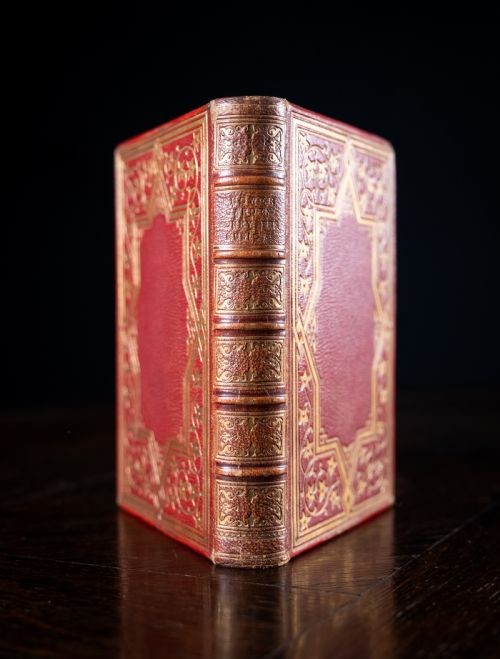
Gilt tooled books bring tactile history to a room, offering rich leather bindings and gleaming metallic ornamentation.
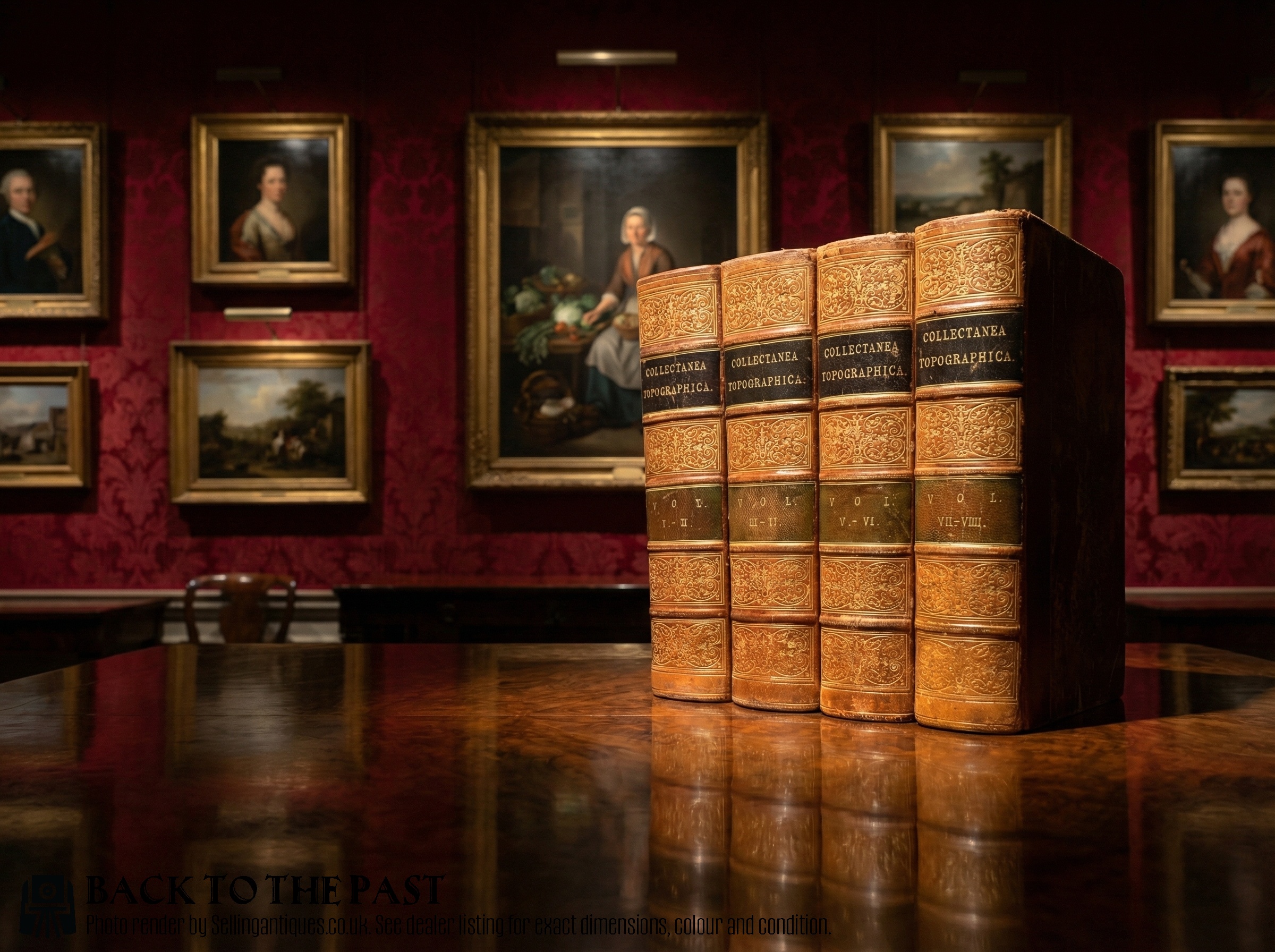
Gilt Tooled Books
When you search for gilt tooled books, you encounter bound volumes, multi-volume sets, and decorative objects fashioned to resemble literature. The selection spans the nineteenth century, including specific dates from the 1850s through to the early twentieth century, alongside Victorian and Edwardian examples.
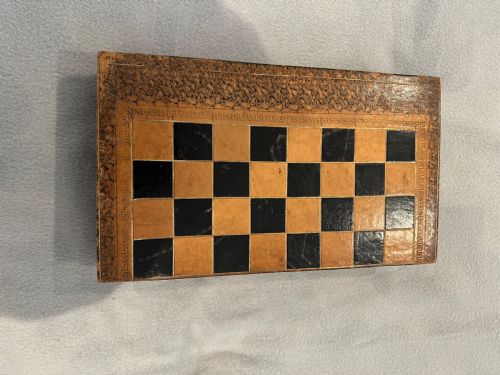
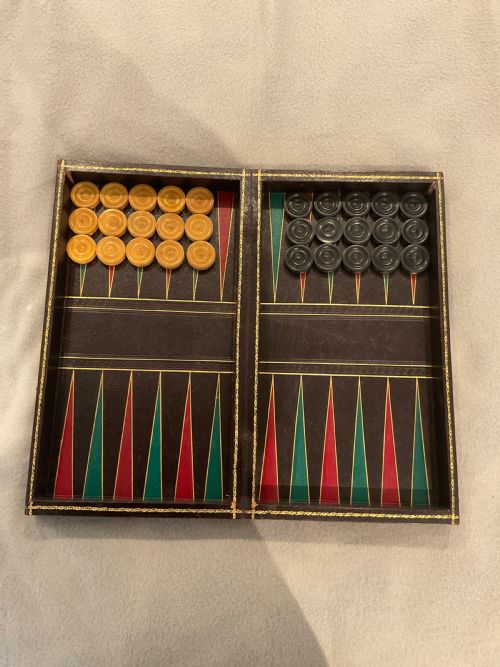
The forms extend beyond standard reading material into leather bound faux book games boards, desk blotters, caskets or safe boxes, and book-tables. Bindings appear in full leather, calfskin leather, and paper supported by wood, brass, and cardboard.
Origins represented in the selection incorporate traditional English craftsmanship and French provincial or chateau styles. You find single biographical works, poetry collections, historical accounts, and comprehensive novel sets.
How they were made
Binders utilised durable materials such as leather and calfskin to cover rigid cardboard and wooden structures. Pages formed from paper received protection within these sturdy exterior bindings.
Craftsmen applied gold leaf to create the characteristic surface decoration through heated tooling techniques. Gilt details and brass elements highlight the spines and covers of the volumes and boxes.
What varies in quality
The crispness and depth of the gold leaf impression into the leather surface determine the visual distinction of the tooling. Finer work displays sharp, precise lines that retain their brightness across the spine and boards.
The integrity of the underlying leather and the structural soundness of the binding materials dictate the physical condition. Uniformity in sets, such as matching multi-volume editions, commands greater visual harmony on a shelf.
The Gilt Tooled Books Glossary
- Gilt
- Gold leaf or a similar golden coating applied to the surface of leather or paper. It provides the reflective highlights characteristic of these bindings.
- Calfskin
- A fine, smooth leather derived from the skin of a calf. It offers a supple texture favoured for high-quality bookbindings.
- Faux book
- An object constructed to look like a book, such as a games board, casket, or box. These items often feature the same leather and gilt tooling as genuine library volumes.
- Tooling
- The process of impressing decorative designs or lettering onto leather using heated metal tools. This technique creates the permanent patterns seen on the covers and spines.
Gilt Tooled Books: Frequently Asked Questions
How do I care for leather bindings?
Keep leather bindings away from direct sunlight and excessive moisture to prevent the material from drying and cracking. Handle them gently by the body of the book rather than pulling on the top of the spine.
Maintain a stable room temperature to protect both the paper pages and the exterior gold leaf decoration over time.
What are faux book boxes used for?
Faux book caskets and safe boxes serve as decorative storage containers that blend discreetly among library shelves. They conceal small personal items while maintaining the appearance of a traditional bound volume.
Victorian and later examples often combine practical storage with elaborate leather and gilt aesthetics.
How are multi-volume sets organised?
Multi-volume sets consist of several books published together uniformly, sharing matching leather bindings and gilt ornamentation. They are designed to sit together consecutively on a shelf as a complete literary or historical work.
Checking the uniformity of the spines helps confirm that all volumes belong to the original edition.
How do I identify Victorian bindings?
Victorian bindings frequently feature characteristic nineteenth-century typography, rich calfskin leather, and intricate blind-stamped or gilt-tooled patterns. The materials often include robust cardboard and paper linings typical of the period.
Publishers' marks, publication dates within the text, and stylistic cues help narrow down the specific decade of manufacture.